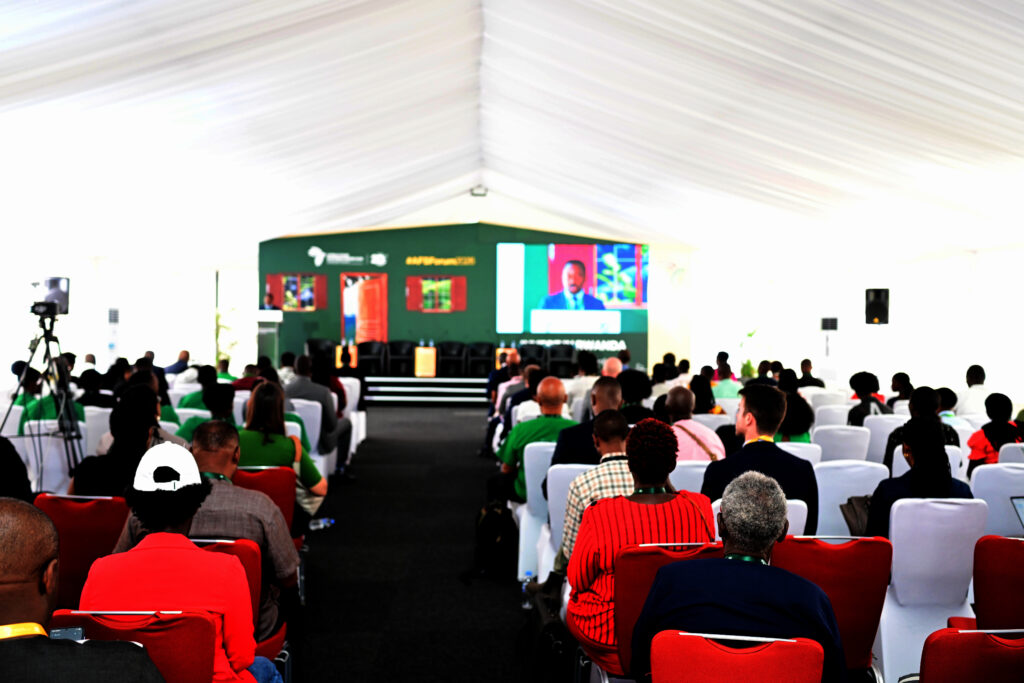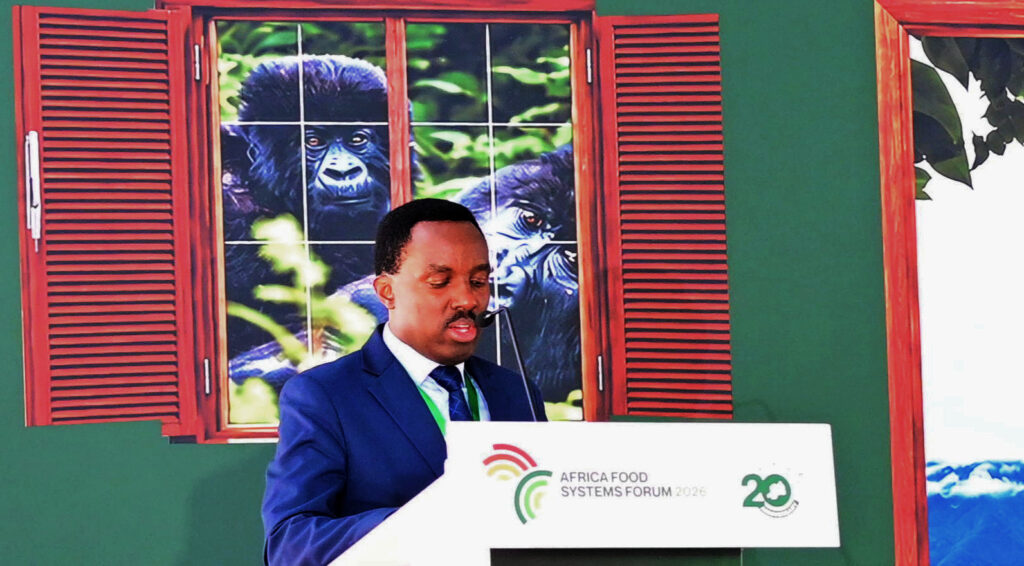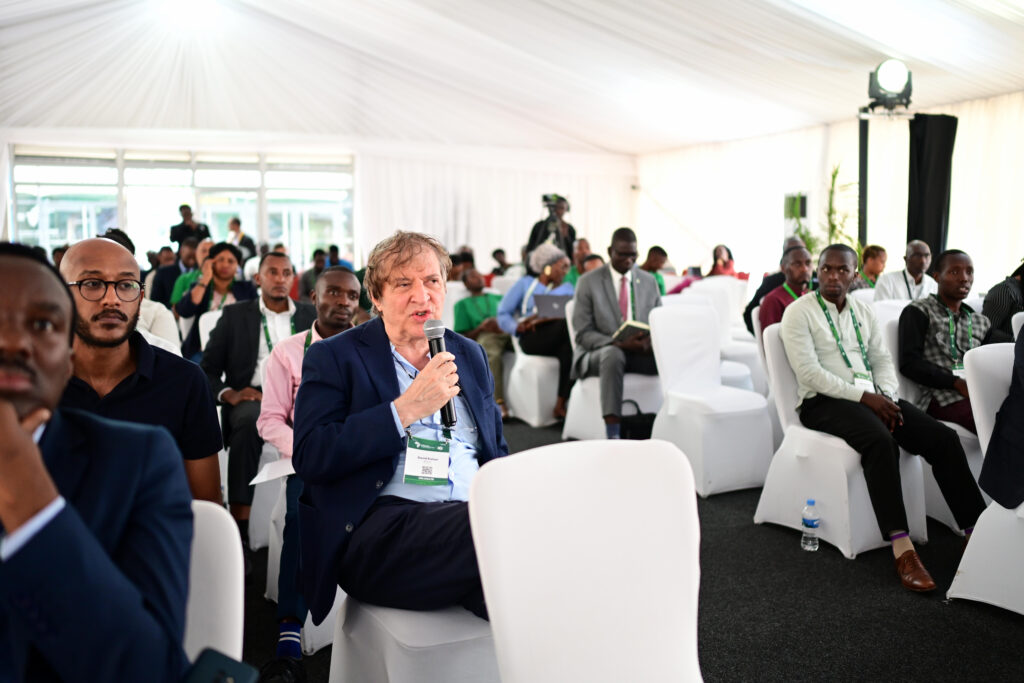
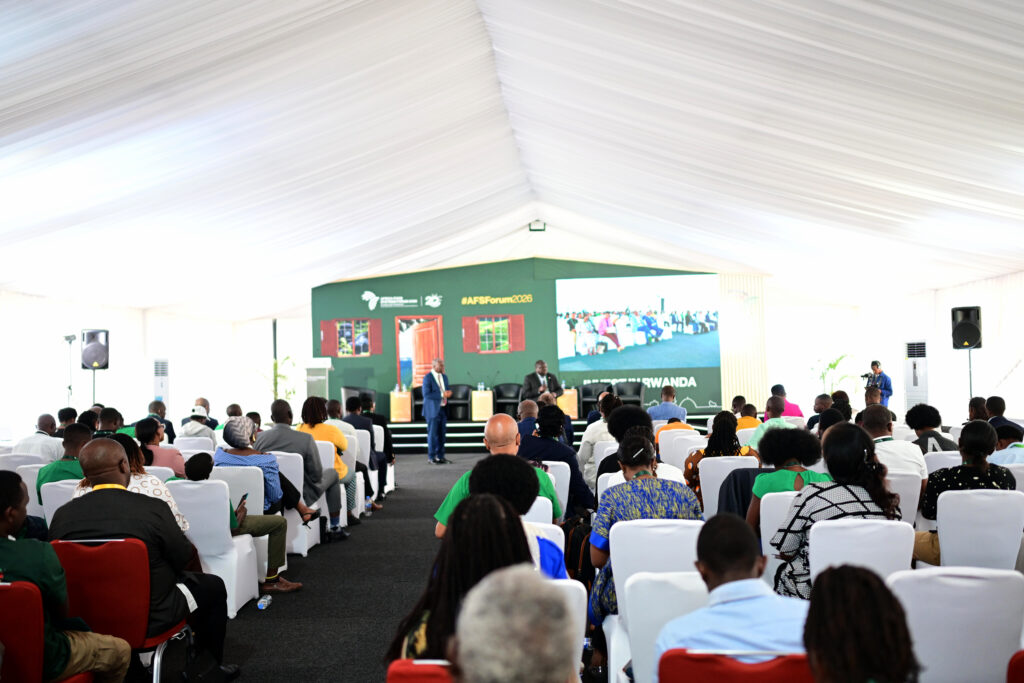
Participants at at a side chat session at the Africa Food Systems Forum in Kigali involving One Acre Fund.
KIGALI – Farmers in Rwanda have long navigated a fragmented system: receiving improved seeds from one source, fertilizers from another, and credit from a third. For a farmer, these challenges rarely arrive in isolation; they hit all at once.
If a farmer secures high-quality seeds but lacks affordable fertilizer or reliable market access, their path to profit is blocked. One Acre Fund is aiming to change this by putting an integrated approach into practice.
Speaking at a side chat session at the Africa Food Systems Forum in Kigali, Raïssa Muhaturukundo, Chief of Staff at One Acre Fund Rwanda, said “Farmers are entrepreneurs who manage strict seasonal realities.”
“Having to piece together inputs, technical advisory, and off-take agreements from separate sources creates friction which may cause delays. A single, integrated delivery model removes those bottlenecks so they can focus on growing profitable farm enterprises,” she explained.
One Acre Fund’s model combines improved seed, fertiliser on credit, crop insurance, extension and market access, with the aim of supporting farmers across the production cycle rather than addressing one constraint at a time.
The bigger ambition, Muhaturukundo said, is to help farmers see agriculture not merely as a means of producing food, but as an economic activity capable of generating sustainable incomes.
A Model Built Around Coordination
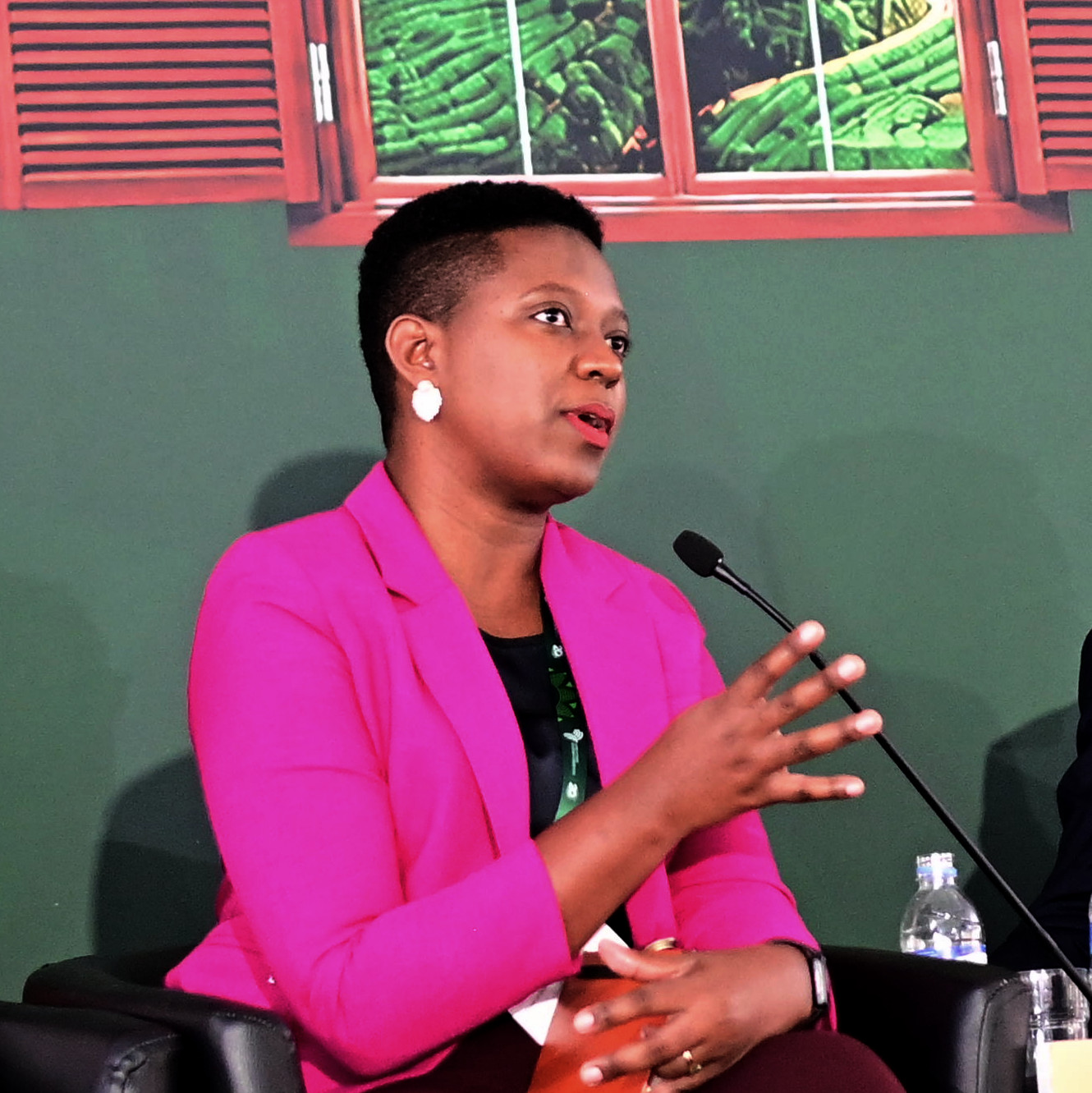
Raïssa Muhaturukundo, Chief of Staff at One Acre Fund Rwanda speaking at the Forum.
Muhaturukundo cited a trial in Kirehe district, implemented in partnership with the Rwanda Agriculture Board, in which farmers received additional improved inputs, hands-on training, agronomic advice and market connections.
Maize yields in the trial area rose from about 1.1 tonnes to more than 2.6 tonnes per hectare.
“There’s that need for coordination,” she said, pointing to the importance of government and other agricultural actors combining their strengths to deliver a bundled solution to farmers.
The Kirehe trial demonstrated what is possible when coordination succeeds. However, scaling this success remains the broader challenge.
While Rwanda has 1.3 million hectares of arable land, only around 75,000 hectares currently benefit from such integrated production. Meanwhile, agriculture received only 6 percent of commercial lending in Season A 2024—well below the government’s 2029 target of 10 percent.
The figures point to why getting more inputs into the hands of farmers is only part of the equation.
Dr. Sunita Piamber, Chief Operating Officer at Oath Africa, said that even productivity interventions need to be connected to the underlying condition of the farm, particularly soil health.
“Productivity for the farmer is the most important priority, but still remains a challenge. An integrated approach that puts soil health at the centre of agricultural practices,” she said.
Turning Productivity into Prosperity
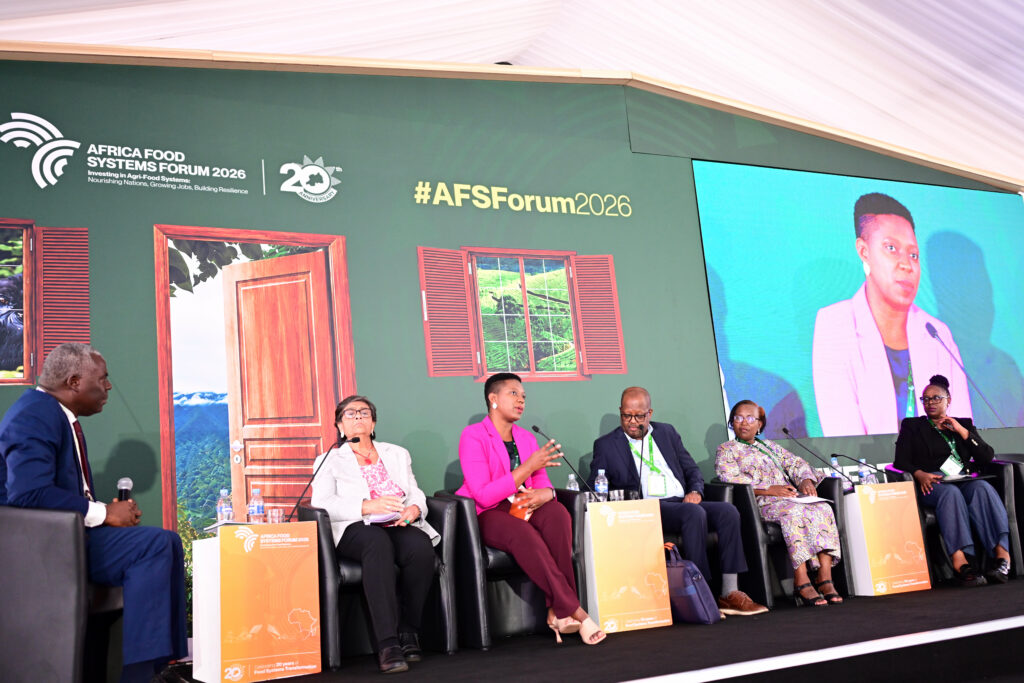
Panelists at a side chat session at the Africa Food Systems Forum in Kigali.
Esperance Mukarugwiza, Signature Program Technical Lead at Heifer International, said previous efforts sometimes struggled because equipment was supplied without the wider infrastructure needed to keep it working.
A newer approach puts mechanization services in the hands of private operators, supported by booking systems and mechanization hubs providing spare parts, maintenance and systems for farmers to access services.
CARE Rwanda evaluates success based on whether a system continues to operate independently after the supporting organization has left.
“We design with the end in mind from the beginning of the pilot,” said Betty Bushabe, Country Representative for CARE Rwanda. “Programs must consider from the outset who will finance and operate them in the future.
That question also captures the challenge facing Rwanda’s broader agricultural transformation.The country’s Fifth Strategic Plan for Agriculture Transformation requires an estimated Rwf6.62 trillion between 2024 and 2029, with the private sector expected to contribute about 44.2 percent.
That means making sure that the seed, fertiliser, advice, finance, technology, risk protection and market waiting at the other end of the production chain work together.
Christopher Bazivamo, Deputy Chairman of the Rwanda Patriotic Front, emphasized that the stakes go far beyond the individual farm. Because agriculture is the backbone of the economy and a major driver of continental trade, the sector’s success is a national priority.
“The next challenge is to ensure that higher production translates into consistent quantities, better quality, and less waste,” Bazivamo noted. “Without reliable raw materials and functioning markets, industries operate below capacity, and farmers lose value after the harvest.