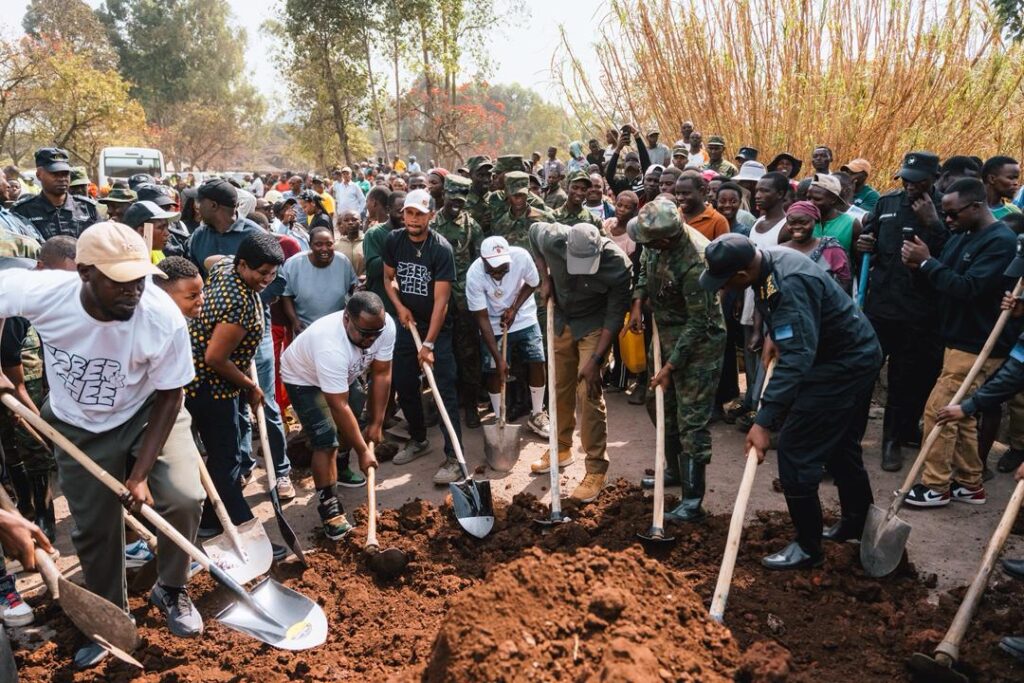
Health Minister Dr Sabin Nsanzimana joined residents of Rubavu district in Umuganda where the campaign against illicit drinks was reinforced to the general public.
RUBAVU – For years, Agustin Habimana was known by a nickname that carried an unusual history. People called him CEPGL, after the Economic Community of the Great Lakes Countries, whose employees in Gisenyi town were once regarded as relatively well-paid.
Among heavy drinkers in poor rural communities, Habimana spent freely on alcohol and was said to drink “as if he was CEPGL.” He had earned the name.
Years later, the nickname has become attached to a man whose addiction took him from school and family life to stealing food, begging for alcohol, contemplating suicide and eventually undergoing a series of operations to save his life.
“I would go to people’s homes where they had prepared local brew and beg all the time. Sometimes they would chase me away looking filthy, smelly and mentally disoriented,” he recalls with a tinge of bitter relief in his voice.
During the national monthly community work (Umuganda) on Saturday, Habimana gave a moving testimony of how he carried for people jerry cans of brew so that he gets to just sip or have a glass of it.
An Early Relationship with Alcohol
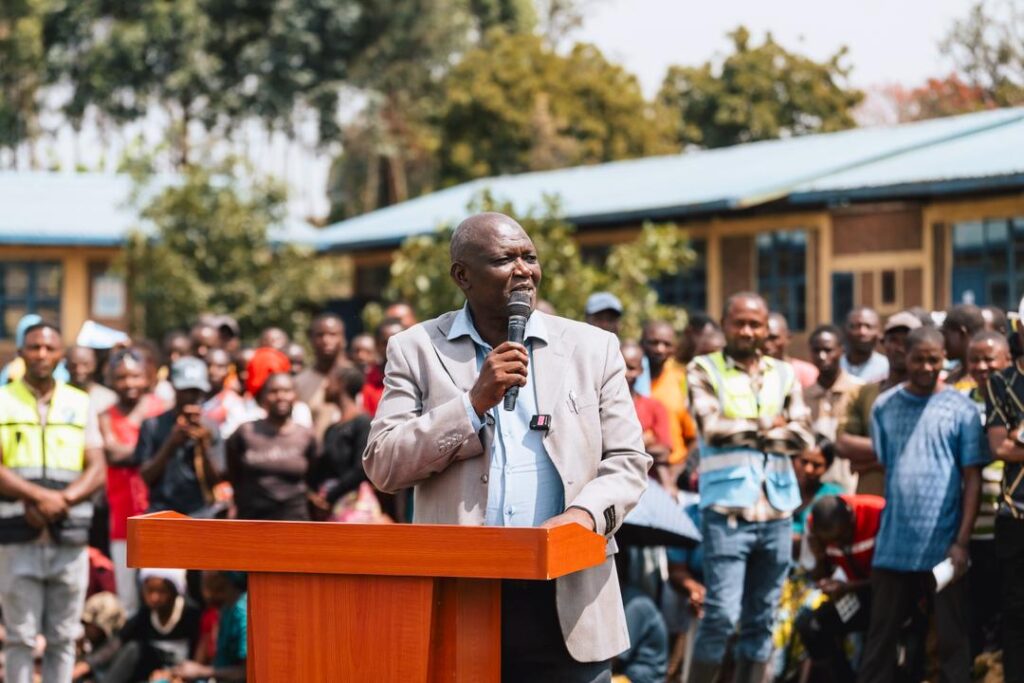
Augustin Habimana aka CEPGL gave a moving testimony of how alcohol almost ruined his life.
Born in Katanga in the Democratic Republic of Congo, Habimana grew up around a belief that newborn children could be given local alcohol as a treatment for “stomach worms.” By senior two, he had started drinking and smoking marijuana after falling into bad company.
He dropped out of school and returned to Rwanda. His parents tried to put him back in education, but addiction had already taken hold. In 1987, he was arrested and imprisoned for smoking marijuana.
His life then deteriorated into a struggle for the next drink. He stole maize from people’s gardens, roasted it in the bushes and stopped bathing. He would visit homes where local brew had been prepared, begging for alcohol or carrying jerry cans in exchange for a sip.
The contrast with his earlier life was painful. Looking through his old schoolbooks, Habimana says he could hardly believe the work had been written by him.
“I would later look at the books and saw the things I used to write in school and couldn’t believe it’s me who wrote them. They were too strange to be true. I was a drunkard, but now am smart. I got a chance to get redeemed against the bondage of alcohol,” he says with pride.
He Rebuilt His Life, Then Lost It Again
In one of his darkest moments, a disagreement with his father convinced Habimana that he was hated. He drugged himself and went to Lake Kivu intending to drown himself, but the strength of the waves frightened him away.
In 1995, another turning point came when he found himself in a church. Some worshippers gave him clothes and food and encouraged him to stop drinking and smoking. He says quitting was difficult, and he sometimes hid to smoke marijuana before returning to the church.
Eventually, he succeeded. Habimana married, had children and rebuilt his life. He says he became responsible and healthy, at least by average standards.
Then came the relapse.
He says a new brand of alcoholic drink entered the market amid misconceptions that such drinks could help people with high blood pressure, diabetes or weight problems. Habimana began drinking again and soon found himself back in the grip of addiction.
One day, he became drunk and collapsed in a marketplace. People abandoned him as children mocked him.
The damage reached his family. Habimana says his wife died in 2013 after suffering depression and struggling with his changed behaviour. His children left school early because of the shame surrounding his conduct.
His own health soon collapsed. He developed stomach complications, ulcers and liver problems. After being transferred from Gisenyi Hospital to CHUK, his stomach ruptured. He underwent several operations and spent almost three years in hospital between 2013 and 2016.
At his lowest point, he weighed 39 kilograms.
A Warning Written in His Own Life
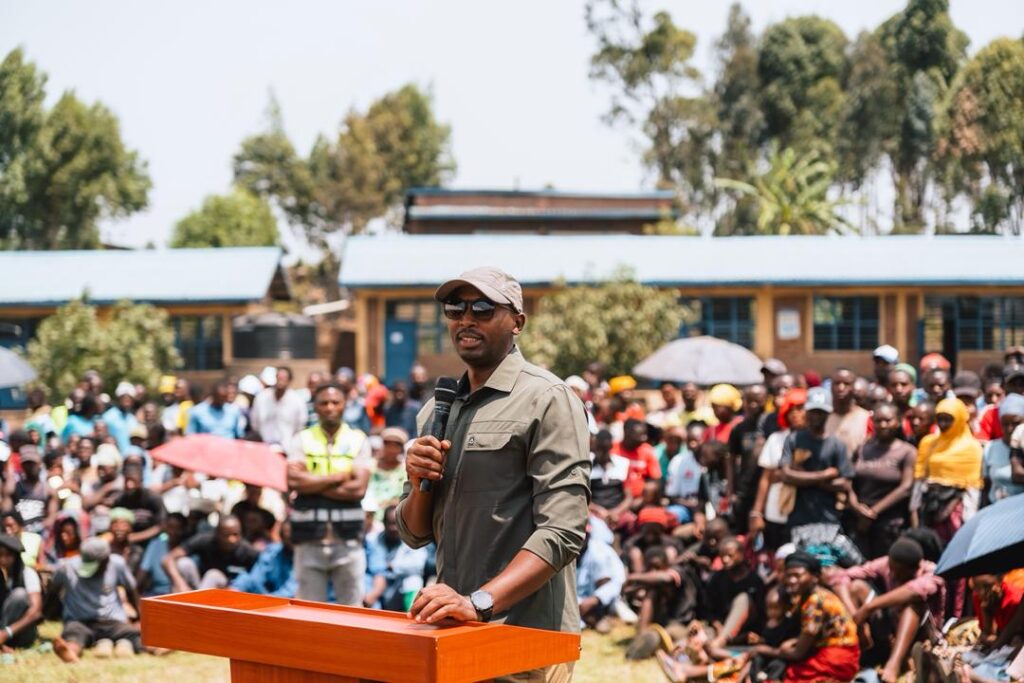
Health Minister Sabin Sanzimana addressing residents in Rubavu district.
Today, Habimana wants young people to see his story as more than a tale of personal suffering. He wants it to serve as a warning about where illicit drugs and substandard alcohol can lead.
“I was completely destroyed in the past but here I am, to me it’s not just a miracle. I want the youth to view me as a living example of what these illicit drugs and substandard alcoholic drinks can do to destroy a person,” he says
Health Minister Sabin Sanzimana said Habimana’s experience illustrates why the fight against harmful substances is also a question of national health.
“Many people have died and you can also avoid this because it’s not too late. As much as we have the political security of our people, we also need to have the health security very strong and intact,” Sanzimana said on during Umuganda in Rubavu district.
He urged people not to wait for government action before changing their own behaviour. “As they say God helps those who help themselves so you should take the initial step to desist from these things,” he said.
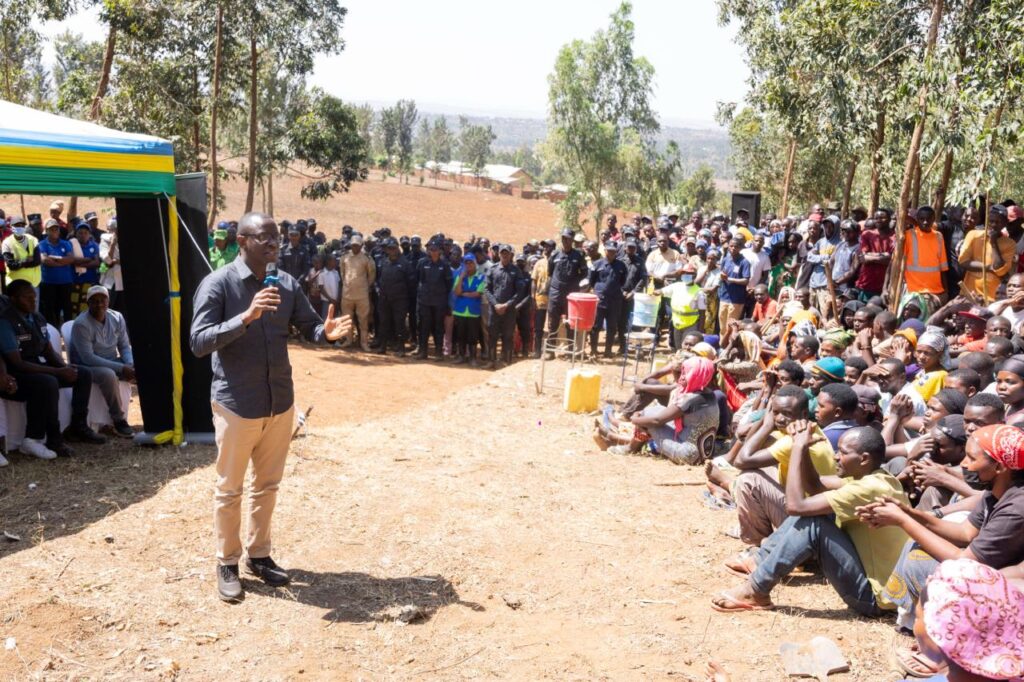
Local Government Minister Dominique Habimana, speaking in Nyagatare, district.
Local Government Minister Dominique Habimana, speaking in Nyagatare, district warned that border communities must not become channels for illicit alcohol.
“Living near the border does not give you the right to bring Kanyanga into the country. Remember that all other substandard alcoholic drinks also damage the health of those who consume them,” he said.
For Agustin Habimana, the warning is not theoretical. He has lived through the loss, humiliation and physical destruction that comes with addiction.
The man once called CEPGL because he drank like the rich now carries the nickname as a reminder of how close a person can come to losing everything, and how remarkable it can be to find a way back.
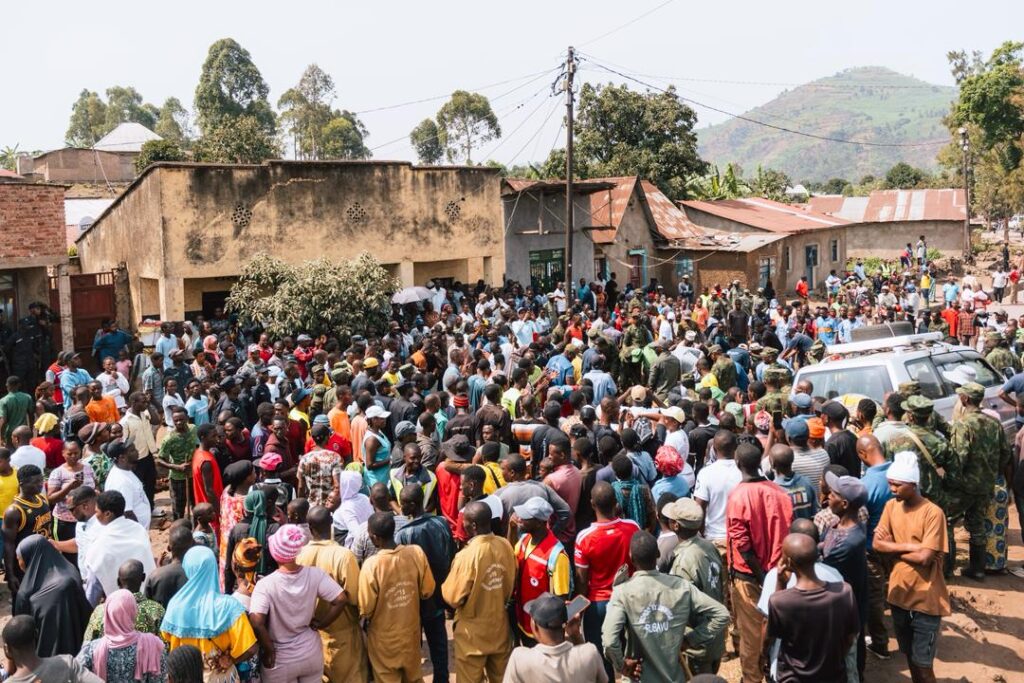
Residents turned up in large numbers for Umuganda in Rubavu district.