



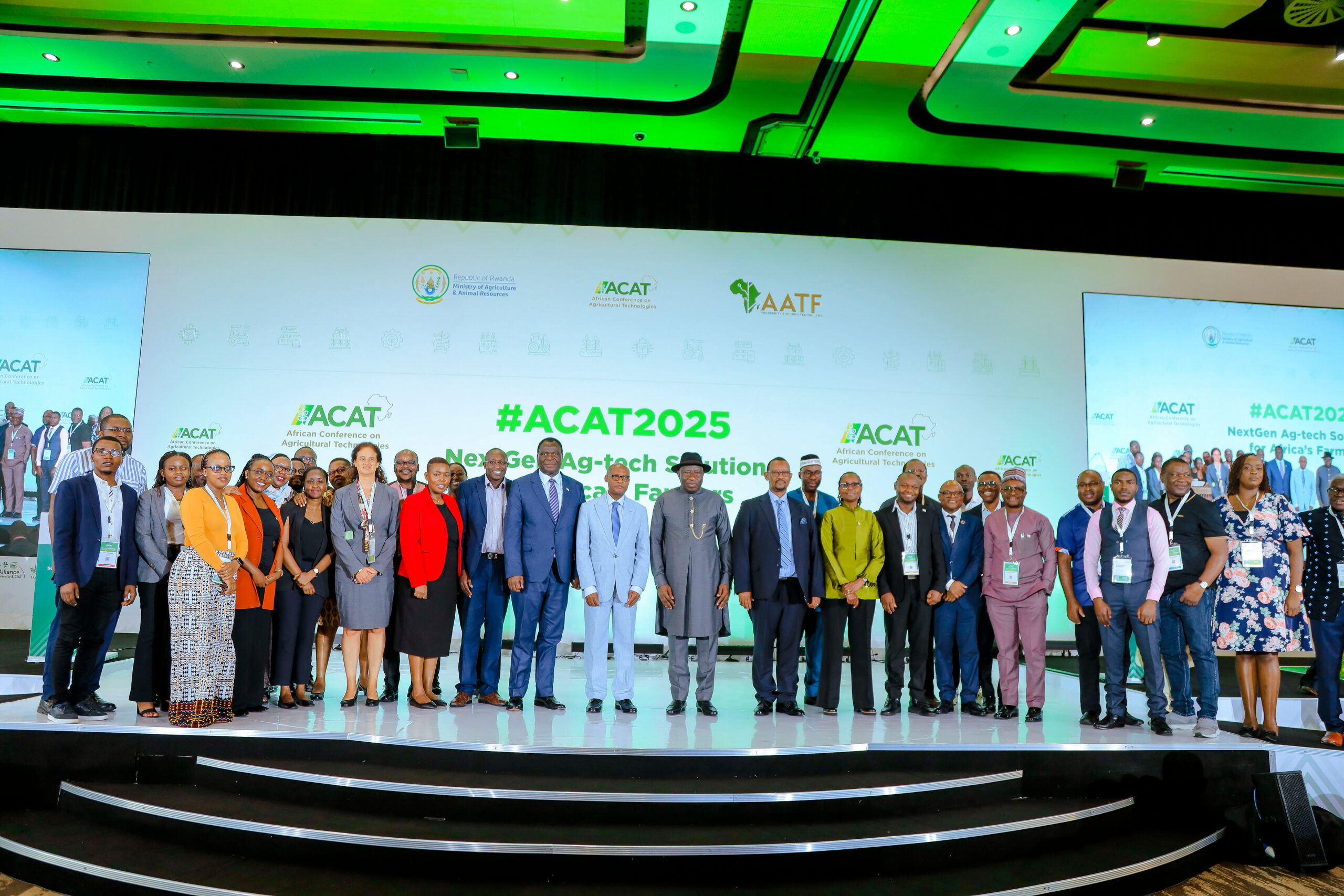
Under the rallying theme “NextGen Ag-Tech Solutions for Africa’s Farmers,” the African Conference on Agricultural Technology (ACAT) 2025 convened from June 9–12 at the Kigali Convention Center, gathering over a thousand delegates—including policymakers, researchers, agribusiness leaders, youth innovators, and farmers—from across Africa and beyond.
The landmark event showcased how agricultural technology (Ag-Tech) is transforming the future for Africa’s smallholder farmers.
A Turning Point for Africa’s Agricultural Future:
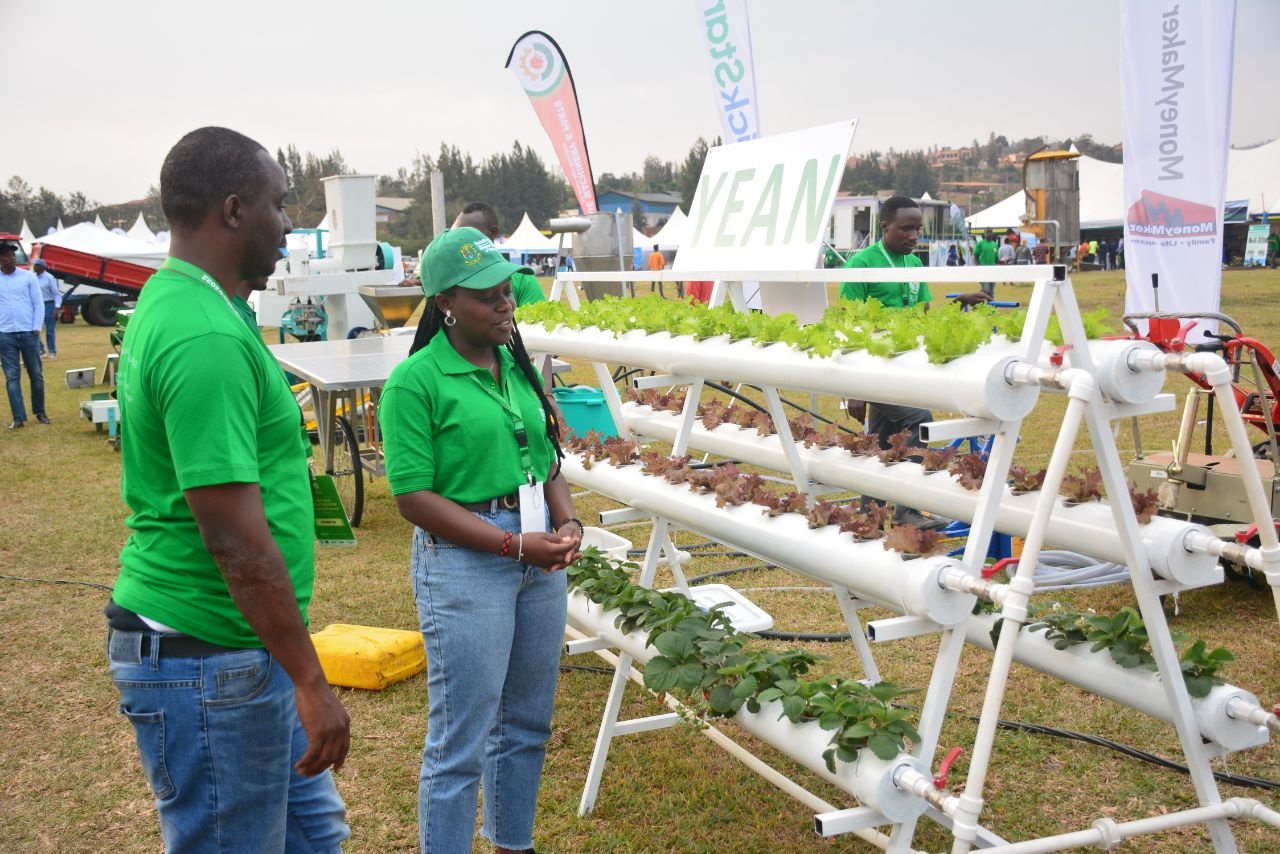
Through high-level plenaries, technical panels, strategic dialogues, and live demonstrations, ACAT 2025 highlighted practical pathways for scaling sustainable, inclusive, and climate-resilient Ag-Tech.
Rwanda’s Prime Minister, Dr. Edouard Ngirente, called upon African nations to integrate technology into agriculture by empowering young innovators, mitigating risks through insurance and climate-resilient seeds, and expanding digital farming tools to enhance food security and promote sustainable growth.
He urged all the stakeholders attending the conference to use the ACAT platform to not only share knowledge but also forge practical partnerships that can scale proven innovations and bring real transformation to smallholder farmers who are the true custodians of Africa’s food systems.
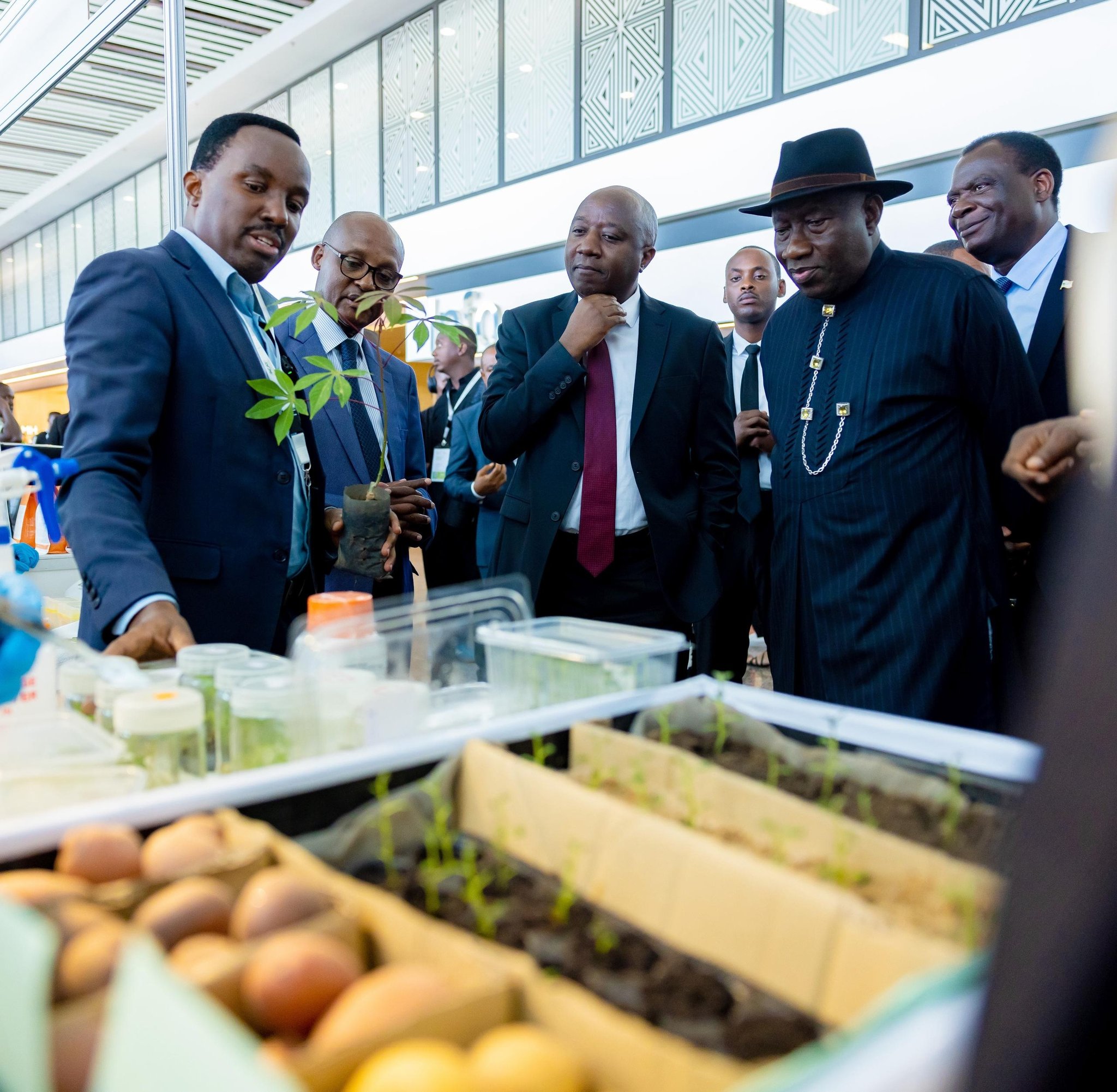
“Let us remember that technology is not just about tools and platforms; it is about people. It is about a farmer, young or old, in a rural village using a mobile phone to check crop prices. It is about a young innovator developing a drone to monitor pests and diseases. It is about a continent that believes in its capacity to feed itself and to thrive,” Dr. Ngirente added.
Dr. Goodluck Ebele Jonathan, Former President of the Federal Republic of Nigeria, emphasized that Africa can overcome many of the current challenges facing its agricultural sector. However, he maintained that no single country, institution, or actor can transform African agriculture alone.
“Transforming Africa’s agriculture can only happen if countries and institutions in the region collaborate across borders and sectors. African governments must work hand-in-hand with private sector players, research institutions, civil society, and most importantly, with the farmers themselves to foster and sustain a new era of farming and food production. It is a high paced era that leaves no room for excuses. Africa must make progress and move forward,” he said.
Putting Farmers First: From Data to Design:
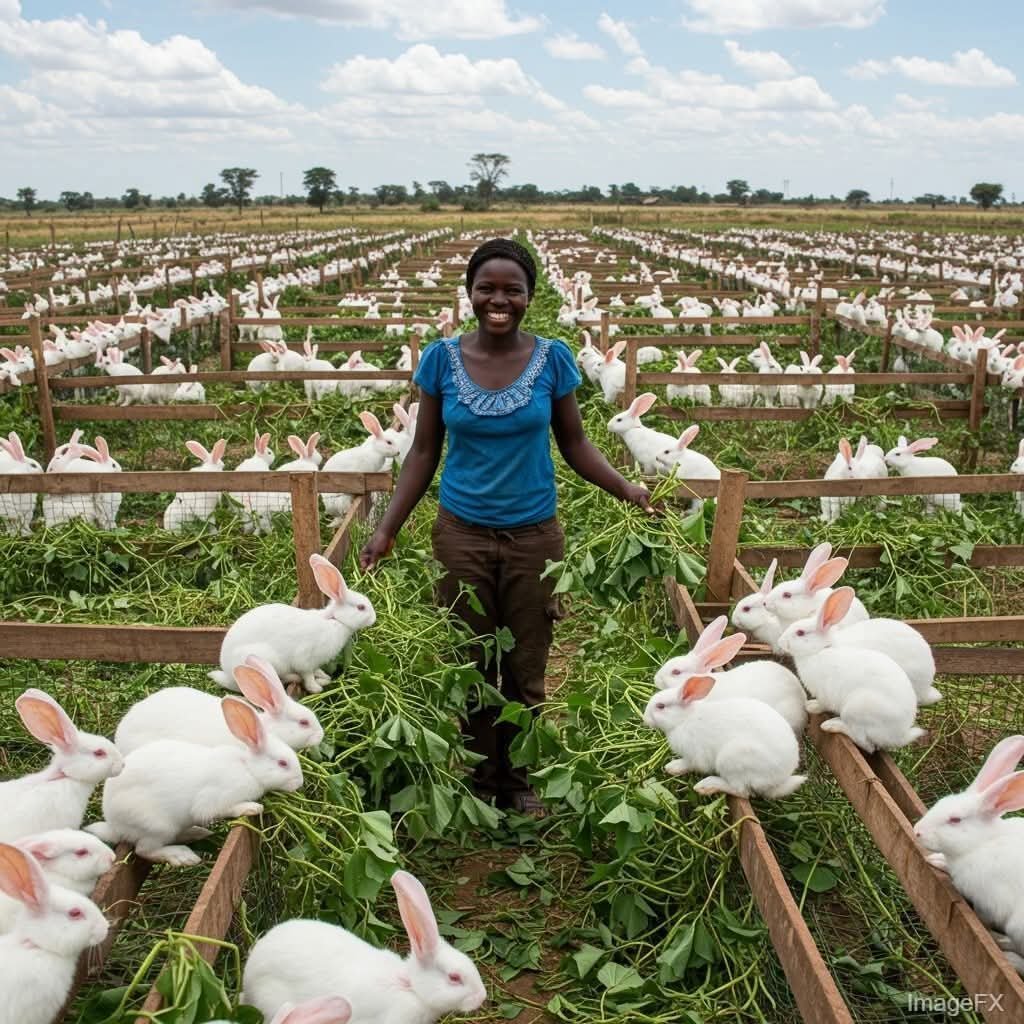
Across sessions, one message resonated loudly: Farmers must be co-creators—not passive recipients—of innovation. Speakers advocated for the integration of indigenous knowledge systems, context-aware product design, and farmer-generated data to inform decisions across the Ag-Tech value chain—from design and finance to regulation and policy.
Dr. Mark Cyubahiro Bagabe, Rwanda’s Minister of Agriculture emphasized that putting farmers’ needs and preferences first is a paradigm shift.
Bagabe said that this means placing smallholder farmers, the unsung heroes of our food systems, at the center of all decisions, investments, and innovations.
“It involves listening to their challenges, valuing their traditional knowledge and wisdom, and co-creating solutions that empower them to enhance productivity, Bagabe said.
“Our policies and programs in Rwanda are based on the knowledge that providing farmers with the necessary resources, information, and support networks is essential for sustainable development.”
Dr. Canisius Kanangire, the Executive Director of African Agricultural Technology Foundation (AATF) noted that when farmer centered technologies are implemented within a supportive and enabling environment, they significantly increase productivity, improve livelihoods, and drive economic empowerment.
Kanangire said that for over two decades, AATF has coordinated the formation and implementation of public-private partnerships aimed at facilitating development and access to agricultural technologies that address production challenges, enhance yields, and contribute to the continent’s economic growth while enhancing community health and wealth.
Bridging the Digital Divide:
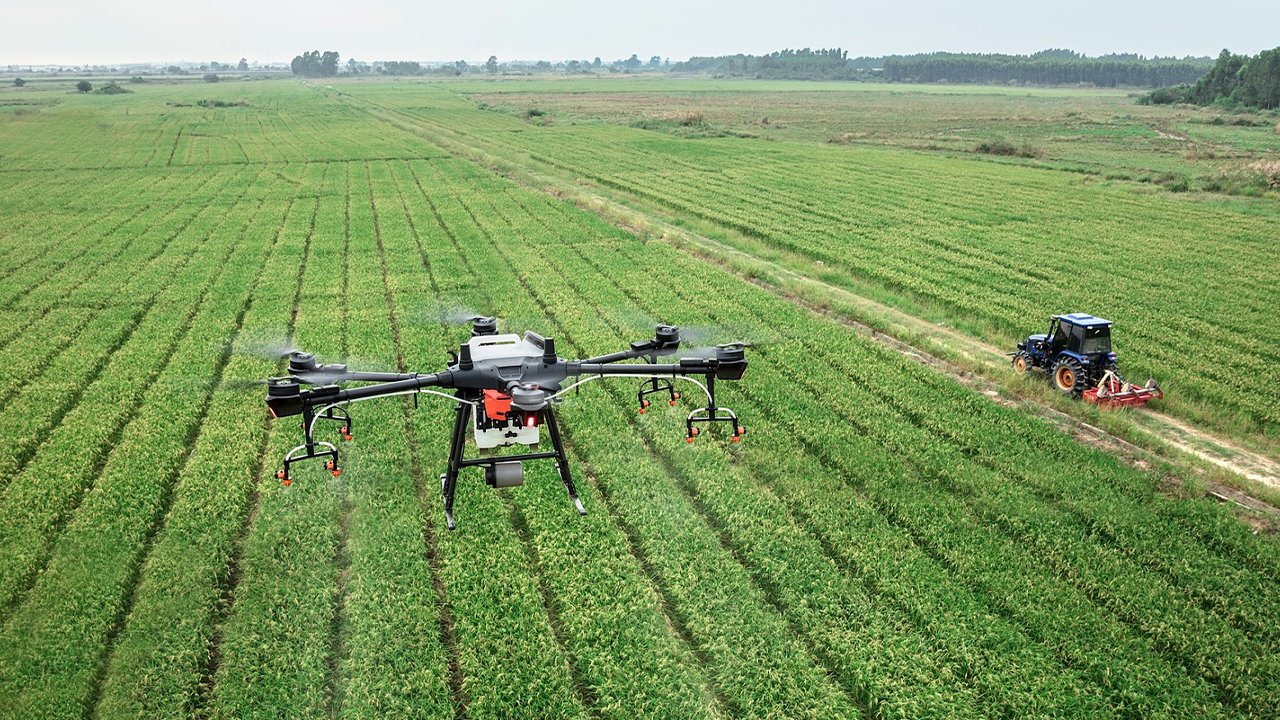
In the standout session, “Farmers’ Dialogue: Bridging the Digital Divide and Promoting Ag-Tech Literacy,” the focus shifted to the urgent need for digital inclusion in agriculture.
Japan’s AGRIST showcased cutting-edge AI and robotics in cucumber farming, sparking debate on how to adapt such tools for Africa’s realities. Discussions explored localized digital advisory platforms, mobile-based learning systems, regulatory frameworks for drone adoption
From Research to Impact: Accelerating Innovation Pathways:
ACAT 2025 challenged African research institutions to go beyond academic publishing and start delivering on-ground impact. “Shelves full of unused research must be demolished,” said one panelist, urging closer partnerships between universities, startups, and private-sector accelerators to commercialize innovation.
Ag-Tech for All: Youth, Gender, and Equity
Youth and women were recognized as key drivers of agricultural transformation. A continental platform for youth Ag-Tech innovators was announced, signaling a commitment to inclusive growth.
Sessions reinforced a powerful principle: “No technology is successful unless it works for women and marginalized farmers.”
Financing and Risk Reduction: Unlocking Scale
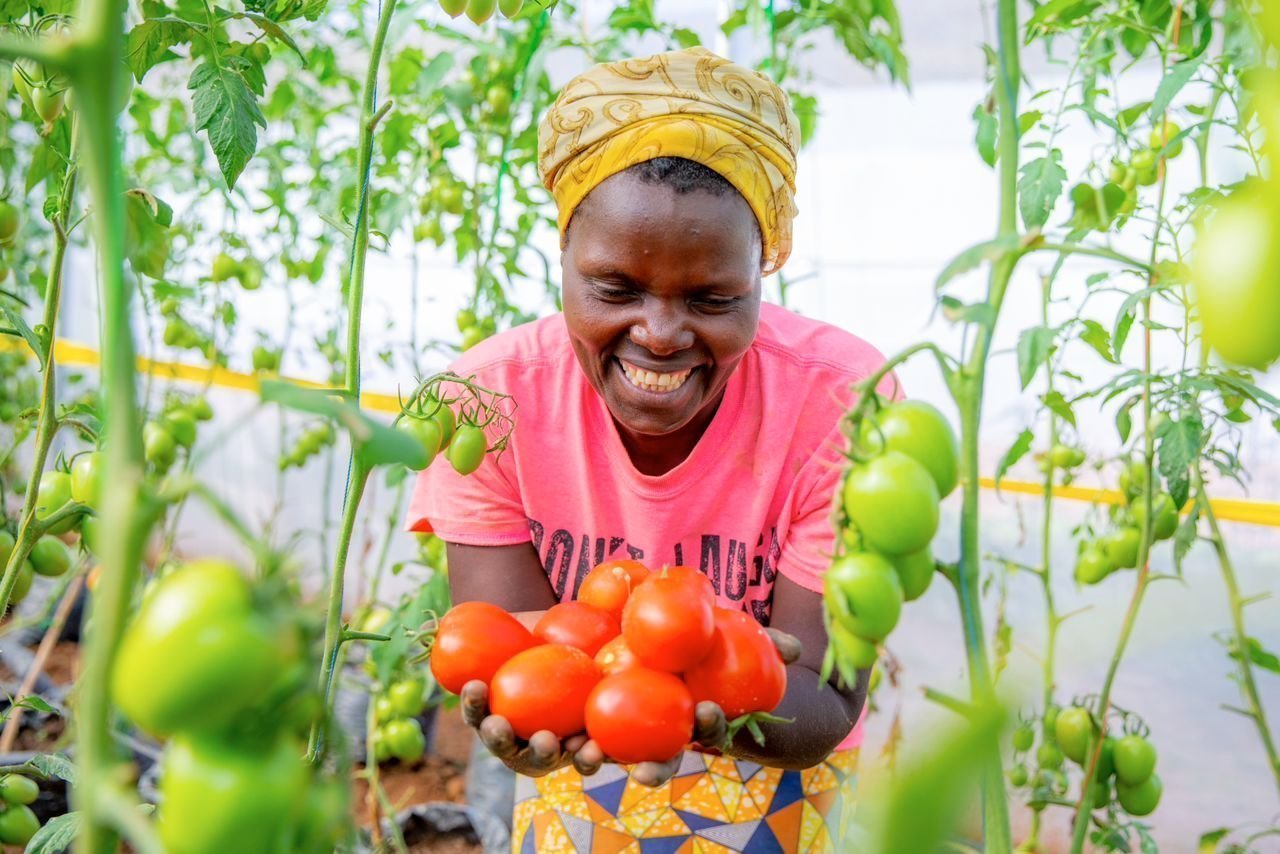
Access to capital and risk mitigation emerged as critical enablers. Rwanda’s National Insurance Strategy and its public-private partnerships were cited as replicable models.
Governments were urged to create enabling environments through infrastructure investment, while banks and investors were told to “put money on the table” for Ag-Tech entrepreneurs.
Stewardship: Ethics and Sustainability at the Core:

Participants emphasized that innovation must benefit both people and the planet. Discussions focused on responsible intellectual property (IP) practices, lifecycle planning of Ag-Tech products and investment in regenerative agriculture to address land degradation and climate change.
Strategic recommendations at the conference included: deepening farmer participation in R&D and policy design, scale climate-smart, localized, and gender-inclusive technologies, foster public-private partnerships and regulatory harmonization, stewardship, transparency, and ethical governance, build digital infrastructure and literacy to serve last-mile farmers.
As Africa’s food systems face mounting pressure, ACAT 2025 delivered a bold and timely message: transformation begins by listening to farmers, investing in innovation, and acting with integrity. With new momentum sparked in Kigali, the continent is poised to lead a resilient, inclusive, and technology-powered agricultural revolution—one rooted firmly in the hands of its farmers.
Emmanuel Mugisha is the Executive Secretary of Rwanda Media Commission (RMC)
