



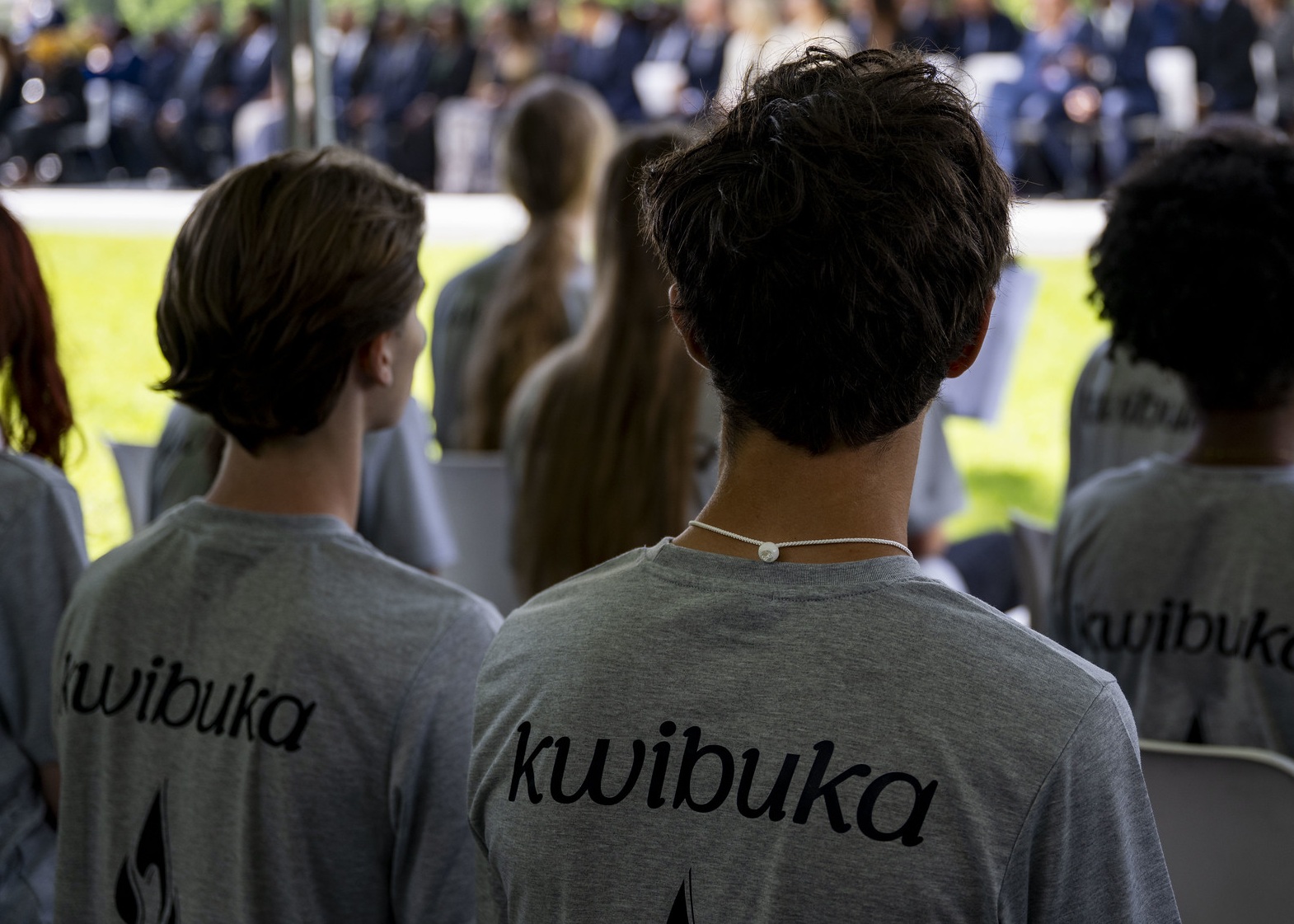
This was during the launch of the memorial in Paris. Away from this, the two countries now collaborate in Mozambique. France has also criminalised genocide denial, and much more policy initiatives. None of this would have been possible had Rwanda taken a different path.
For more than two decades after the 1994 genocide against the Tutsi, the relationship between Rwanda and France was not merely shaky; it was a cold war stained by denial, obstruction, and a blood debt.
The newly unveiled genocide memorial in Paris, championed by President Emmanuel Macron, doesn’t simply seal the end of that cold war; it sounds a long-overdue death knell for genocide fugitives and deniers living comfortably in French suburbs.
Let us recall why trust was impossible between the two countries. During the genocide, France did not stand as a neutral bystander. Through Opération Turquoise and earlier military interventions, Paris actively fought alongside President Juvénal Habyarimana’s army, the Forces Armées Rwandaises (FAR), against then Major General Paul Kagame’s Rwandan Patriotic Army (RPA). French soldiers, in effect, protected the very regime that was arming and directing the Interahamwe militias to massacre the Tutsi. France’s crime was intimate.
The post-genocide years only deepened the wound. Paris embarked on a systematic campaign to bury the truth. At the International Criminal Tribunal for Rwanda (ICTR), French soldiers—men who had fought alongside genocidaires—gave false testimonies to incriminate the RPF of war crimes.
France’s strategy was transparent: balance the scales between their genocidal allies and the RPF freedom fighters who had defeated them.
Then came Judge Jean-Louis Bruguière. Appointed to investigate the downing of Habyarimana’s plane, Bruguière produced indictments laced with conspiracy theories, directly accusing RPF senior leaders of the crime. For Rwanda, this was France laundering genocide denial through a robe judiciaire.
Rwanda’s response was fierce. Kigali broke diplomatic ties and commissioned its own reports, refusing to let France define the narrative of the country’s tragedy.
The first crack in the French wall came under President Nicolas Sarkozy. In 2010, he became the first French leader to acknowledge “grave errors” in Rwanda. More concretely, he directed new investigating judges to re-examine the 1994 plane crash, effectively sidelining Bruguière’s poisoned dossier. For a moment, hope flickered.
Then came François Hollande, heir to François Mitterrand’s socialist party—the very president who had orchestrated France’s pro-Hutu Power policy in 1994. Hollande’s tenure nearly destroyed the fragile rapprochement. Trust, once again, froze.
Enter Emmanuel Macron. Where Hollande equivocated, Macron acted. He commissioned the Duclert Report, a landmark historical investigation that concluded France had borne “overwhelming responsibilities” in a foreseeable genocide. The report stopped short of accusing France of complicity, but it admitted the unforgivable: France saw the cliff and did nothing to stop the car.
Since that report, relations have transformed. The two countries now collaborate in Mozambique, one fighting Islamist insurgents, the other investing in the country’s energy sector through its flagship company, Total, both laser-focused in making economic transformation the pillar of their newfound friendship.
French investment in Kigali’s tech and energy sectors is scaling up. And most symbolically, Paris has erected a memorial to the genocide against the Tutsi on French soil, acknowledging once again that the crime was not “over there” but implicated “us here.”
France has also criminalised genocide denial, with self-styled historian Charles Onana being one of the first genocide denier and revisionist to be convicted for this crime. Meanwhile, the prosecution of genocide fugitives hiding in France is accelerating.
None of this would have been possible had Rwanda taken a different path. Kagame’s Rwanda refused to be trapped by its past. It did not seek vengeance, nor did it accept gaslighting. It kept its eyes on the prize: historical truth, dignity, and a mutually respectful relationship. The Paris memorial stands as a reminder that historical clarity is of the essence.
To be sure, the work of historical memory is not finished. The two countries still disagree on certain specifics. But for the first time, they are discussing from a shared foundation of facts, the only foundation upon which the needed consensus can be built.
And for the fugitives and deniers? Their time is up. The France that once sheltered them is gone. In its place is a country finally willing to do right by the victims.
