

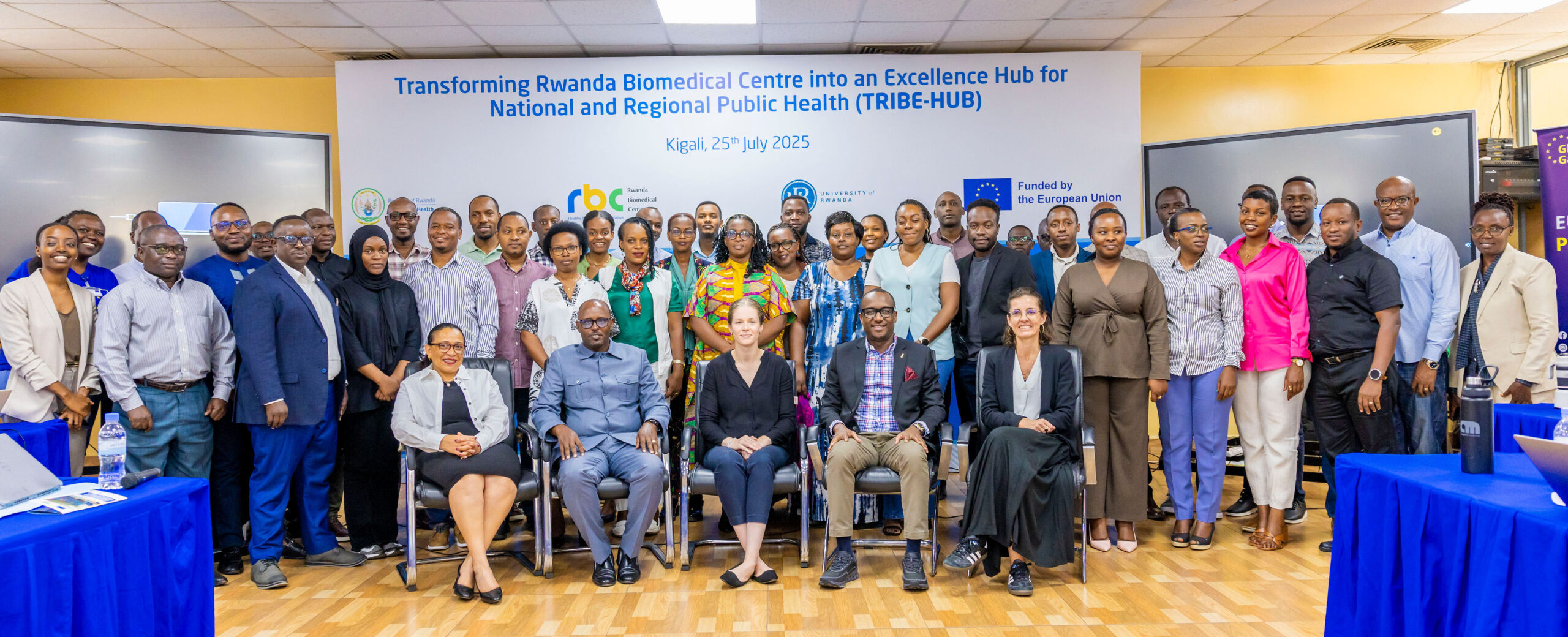
Rwanda, in partnership with the European Union and the Team Europe Initiative, has launched the TRIBE-HUB Project, a major initiative aimed at advancing the Rwanda Biomedical Centre (RBC)’s role as a Regional Centre of Excellence (CoE) in public health across Africa.
RBC, as a National Public Health Institute (NPHI), has an Africa CDC mandate to become a Regional and even international CoE, and the project aims to support it in achieving its functions as NPHI and CoE, contributing to the population’s health and well-being (SDG 3) via the provision of essential public health services.
The TRIBE-HUB Project (2025–2028), worth €4.2 million, aims to enhance RBC’s institutional capacity in key areas including public health research, workforce development, digital health, and disease surveillance.
The project activities will not only benefit Rwanda but also extend across 10 African countries, helping them to strengthen national health systems through peer-to-peer technical assistance, training, and knowledge sharing.
The 10 countries are: Burundi, Chad, DRC, Malawi, Nigeria, Zimbabwe, Guinea Conakry, Lesotho, Zambia, and Rwanda – as the first beneficiary to set a blueprint and benchmark of excellence for others.
It will contribute to the development of public health services by strengthening national public health functions in disease surveillance, epidemic preparedness, and outbreak response. The project will promote peer-to-peer technical assistance, training, and knowledge exchange.
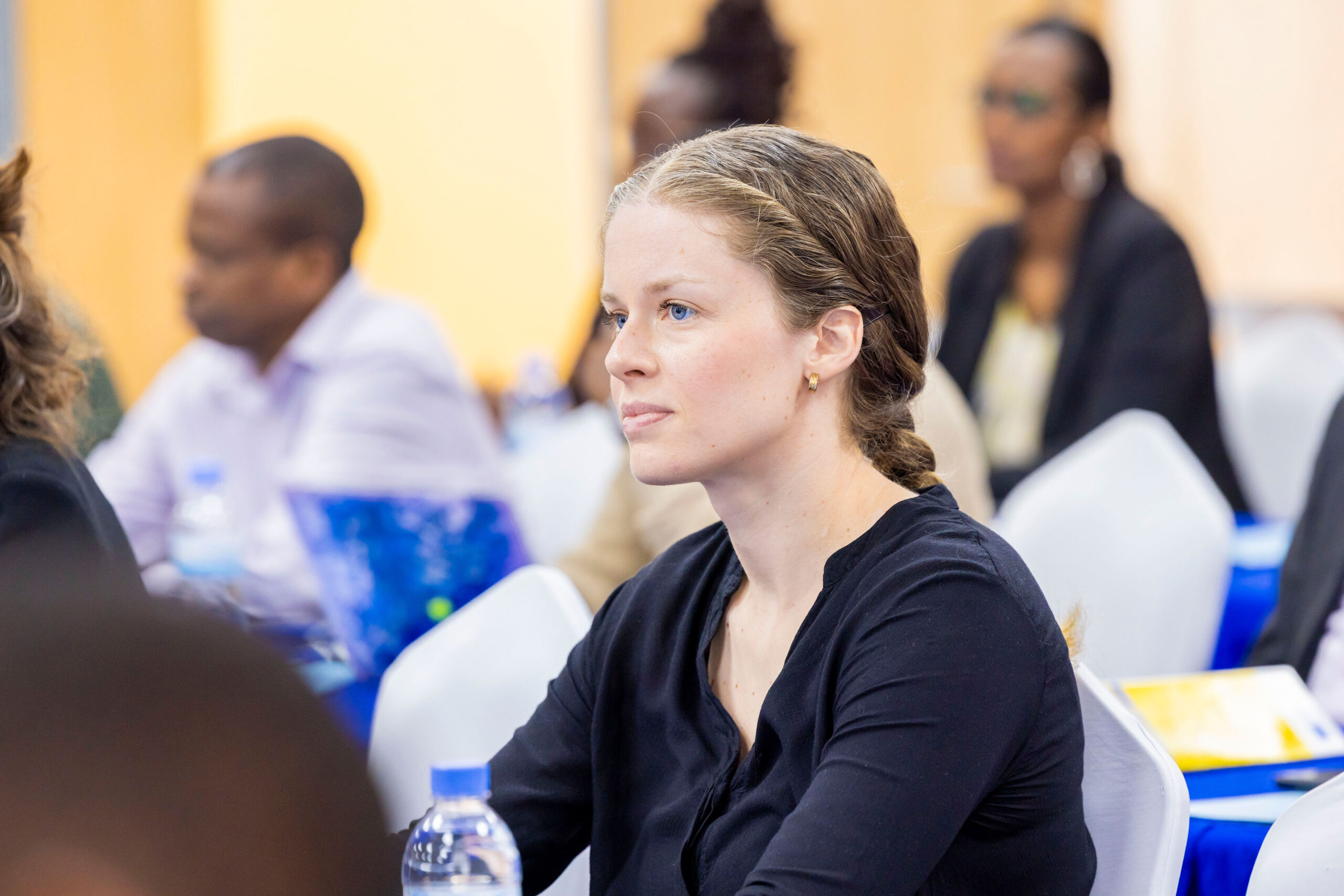
Maria Masereka Christiansen,
Why is Rwanda the lead Country?
Maria Masereka Christiansen, the Programme Manager Health, Delegation of the European Union to Rwanda, explained that in addition to the EU’s regional investment of €50 million, EU Member States – including Belgium, France, Germany, Sweden, Ireland, and others – have contributed €21.8 million to support this shared goal. Rwanda’s TRIBE-HUB programme receives 4.2 million EUR over four years as a direct contribution to this transformation.
“Why Rwanda? Because Rwanda is prepared, visionary, and committed. Rwanda’s health system has demonstrated time and again the power of evidence-based, multisectoral coordination – whether in its rapid and effective COVID-19 response, Mpox containment strategy, or its low mortality rates during the recent Marburg outbreak,” Christiansen said.
Christiansen explained that Rwanda’s healthcare foundations are already strong, with a well-established Community-Based Health Insurance system covering over 90% of the population; a robust HSSP V, a National Strategy for Transformation II (NST2); and a growing digital health infrastructure, including 56 hospitals using electronic medical records and a Health Information Exchange vision.
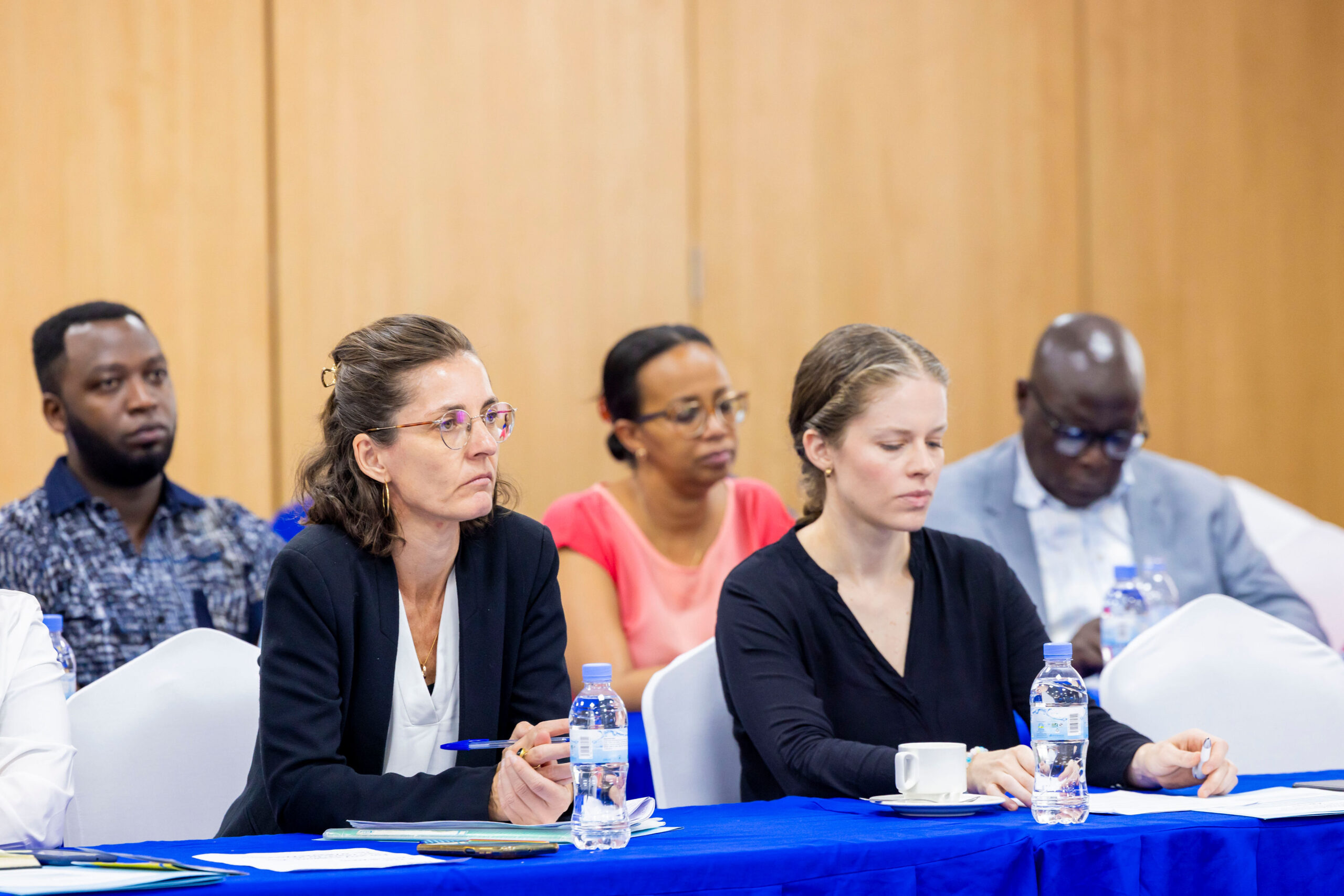
The TRIBE-HUB programme builds on these foundations to strengthen RBC’s leadership across all essential public health functions – from disease prevention to research, from health promotion to policy advice.
However, she said that as the country shifts from a focus on infectious diseases to also tackling non-communicable diseases, maternal and neonatal mortality, and chronic malnutrition, it becomes clear that high utilization rates of health services are not yet matched by health outcomes. Data exists, but more tools are needed to interpret it, act on it, and integrate it into policy.
She also noted that while digitalization is advancing, interoperability, cybersecurity, and real-time analytics still need reinforcement. While Rwanda has a proud research culture, systems to translate findings into national policy and community-level action remain underdeveloped.
TRIBE-HUB will support Rwanda to close these gaps while serving as a model for other nations across the region.
“As we move forward, let us remember that the success of TRIBE-HUB will be defined not only by infrastructure and outputs but by the impact on informed public health policies that improve lives, digital tools that empower health workers and protect personal data, research and innovation that directly inform frontline services, and a Rwanda that continues to inspire its neighbors with vision, agility, and excellence,”
She stated that the EU is proud to co-create this journey with Rwanda toward public health excellence. One that puts people at the center, advances equality, and builds resilience in the face of future health challenges.
Rwanda’s Take:
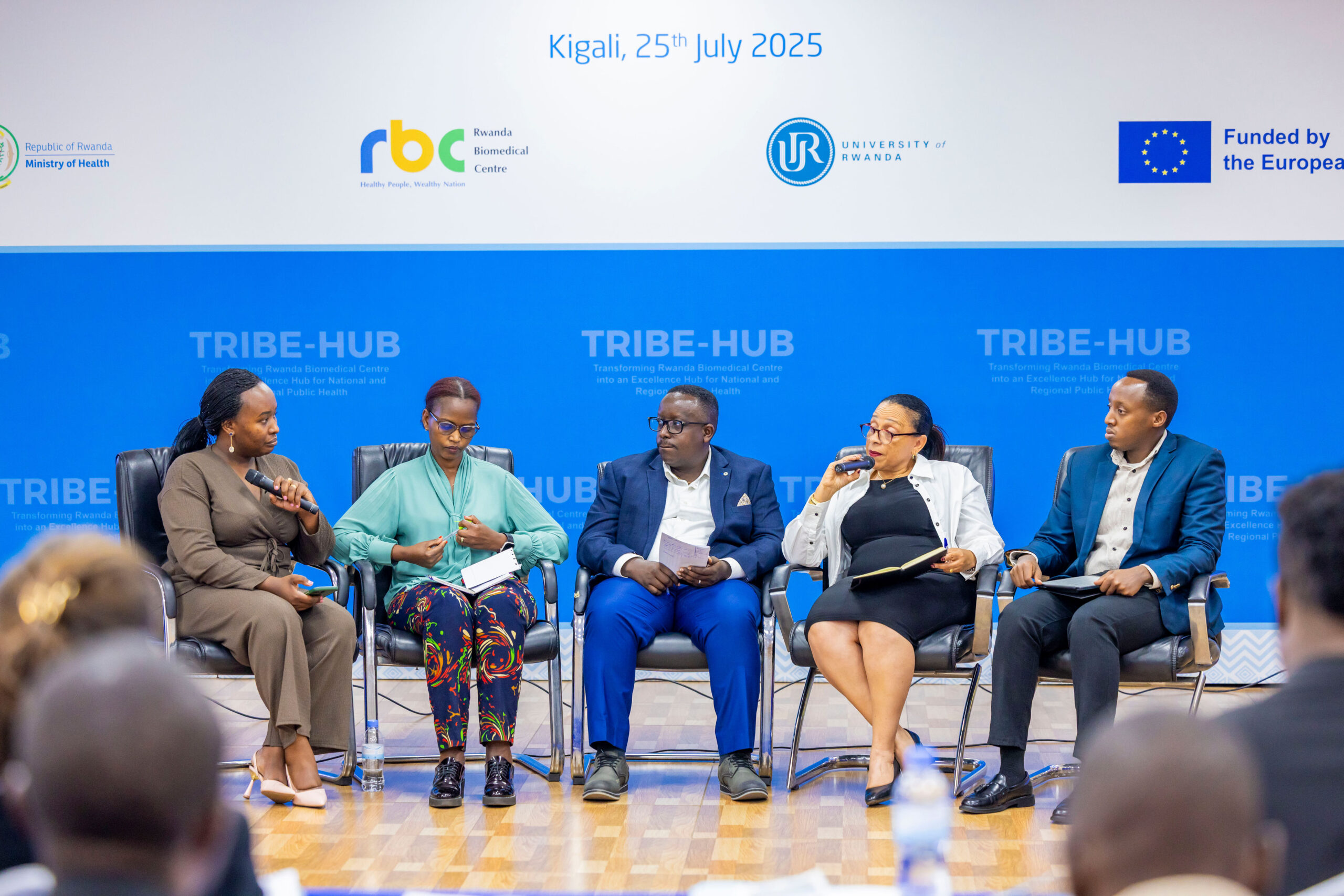
Panel discussion on sustaining the project after a 3-year funding
Prof. Muvunyi Mambo Claude, Director General RBC, who officiated the launch event on July 25, 2025, said that the project is a strategic response to the Africa Union’s call for a New Public Health Order and will transform RBC into a dynamic hub for peer-to-peer technical assistance and mentorship across Africa.
He stated that it will strengthen the core NPHI functions in terms of disease surveillance, workforce development, and operational research; harnessing digital health and data analytics to achieve Universal Health
Coverage (UHC) and thus translating evidence into policy to bridge the gap between research and practice.
“Over the next three years (2025–2028), we will conduct nationwide assessments of public health workforce gaps; develop advanced academic programs in collaboration with the University of Rwanda; and build interoperable digital systems for real-time disease monitoring;
Foster knowledge-sharing to harmonize public health policies regionally,” he committed.
Muvunyi thanked the donors for their support but challenged policymakers to integrate data-driven insights into health investments; academia to accelerate training for the next generation of public health experts; and partners to sustain this momentum through technical and financial solidarity.
“Let TRIBE-HUB be remembered as the catalyst that transformed not only Rwanda’s health ecosystem but set a new standard for African-led public health excellence,” he said.
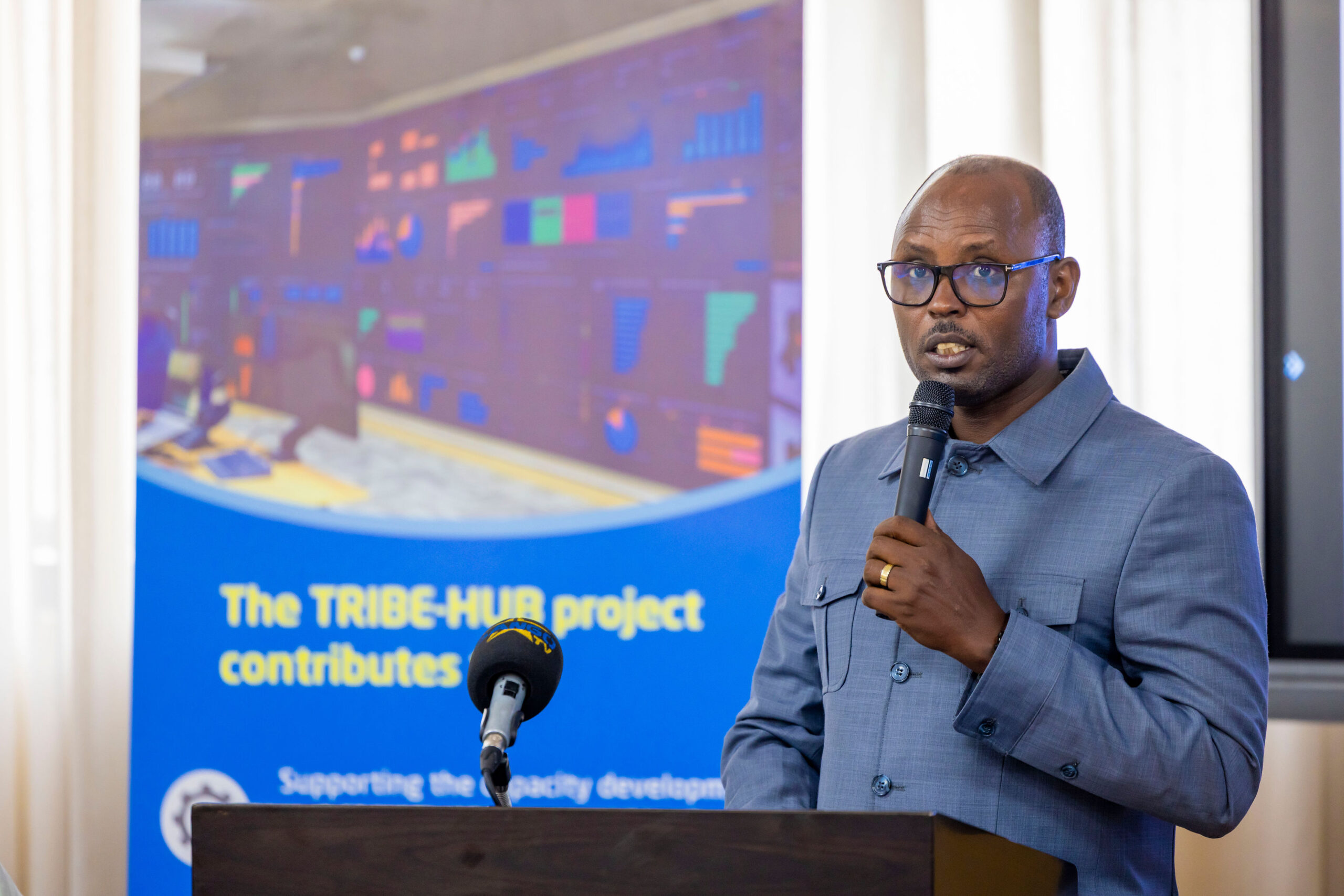
Prof. Kayihura Muganga Didas
Prof. Kayihura Muganga Didas, Vice-Chancellor University of Rwanda (UR), said that the project aligns with the university’s mission, especially in advancing research and data-driven policy influence, and Rwanda will highly benefit in advancing its development agenda.
“It will enable the UR to reinforce that curriculum and enable the university to become a leading institution producing high-quality grads locally and internationally,” Kayihura said, adding that UR will work towards regional cooperation and academic exchanges to enable the other universities to contribute to Rwanda’s success. 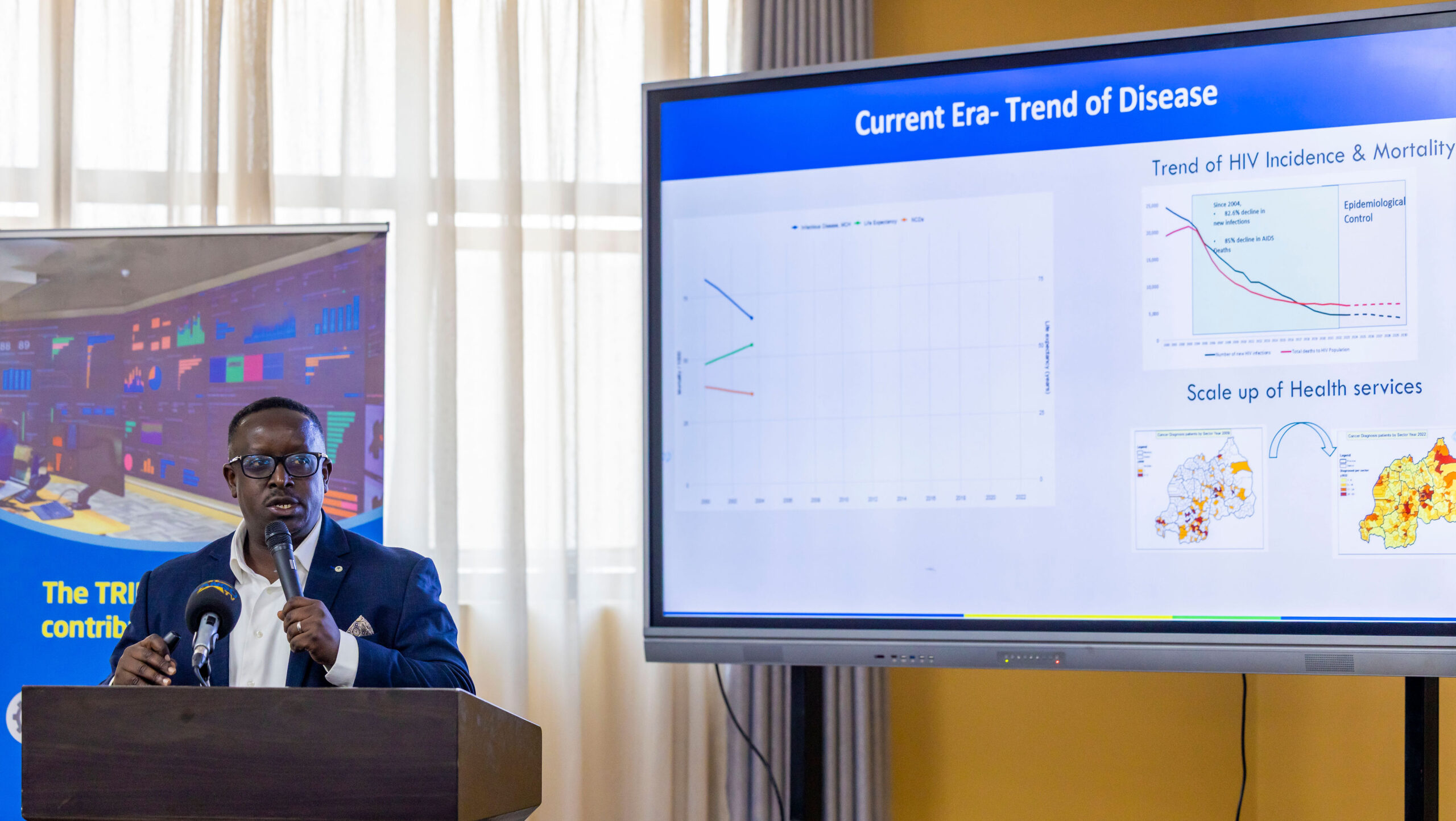
Dr. Eric Remera, Division Manager Research, Innovation, and Data Science (RIDS) at RBC, said that with a €4.2 million budget, the project implementers have already started grant signing and a call for applications for PhD and Masters programs but noted the need for sustainability.
“This is a great milestone but just the start. Sustainability will be crucial after the project handover, and we plan on bidding for grants after the first year of implementation,” Remera said.
Remera also revealed that the project will focus on reducing the disease burden in Rwanda by scaling up efforts to further tackle malaria, HIV/AIDS, NCDs, infectious diseases in accordance with the 5th Health Sector Strategic Plan (HSSP V) – 2024/25–2028/29, which outlines Rwanda’s commitment to advancing health services and achieving universal health coverage.


All photos: Andre Rugema (RBC)