KIGALI, Rwanda — Rwanda spends about 0.7 percent of its gross domestic product on research and innovation, a level that education sector planners say must more than double if the country hopes to build a knowledge-driven economy capable of competing globally.
The figure, disclosed this week by the Higher Education Council (HEC), translates to approximately Rwf150.6 billion annually based on Rwanda’s GDP of about Rwf21.5 trillion.
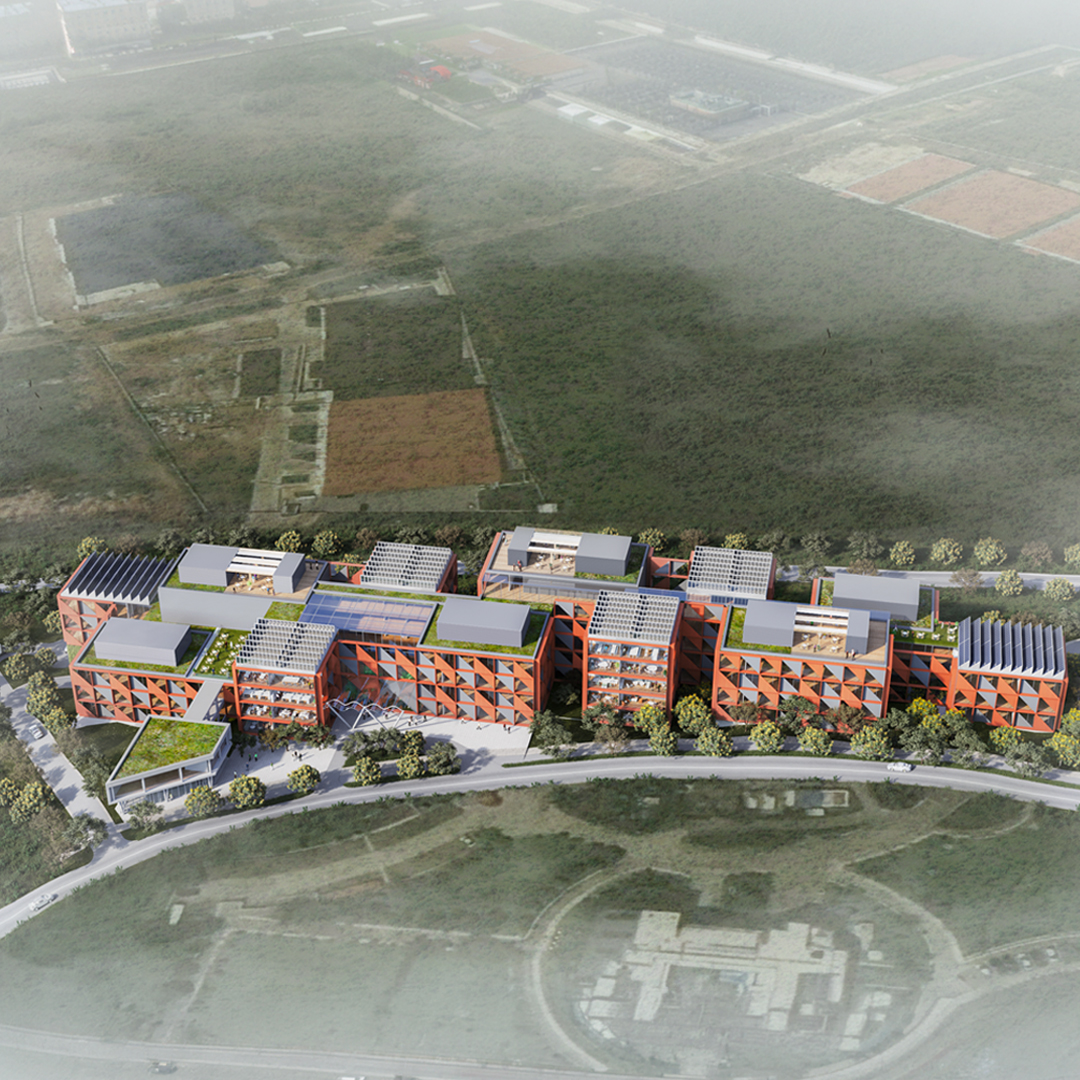
Kinyaga Biotech Campus is a healthcare research and innovation hub within Kigali Innovation City, Rwanda. Rwanda is building a array of such facilities to drive the country’s R&D agenda (Photo by franken.generalplaner/Instagram)
Government has set a target of raising that investment to 1.5 percent of GDP, equivalent to roughly Rwf322.7 billion, meaning the country would need to mobilize an additional Rwf172.1 billion each year for research and innovation activities.
“We are currently at 0.7 percent of GDP invested in research, but the target is to reach 1.5 percent allocated to research and innovation,” said Dr. Edward Kadozi, the Director General of the Higher Education Council, during a visit to Rwanda Polytechnic-Kigali.
The challenge facing Rwanda is not unique. Across much of Africa, spending on research remains low compared with countries that have built their economic growth around science, technology and innovation.
Yet the gap between Rwanda and the world’s leading innovation economies remains significant.
According to international benchmarks, Israel, widely regarded as one of the world’s most innovative economies, invests about 6 percent of its GDP in research and development.
South Korea, whose rise from post-war poverty to technological powerhouse is often cited as a development model, invests about 5 percent.
The United States spends approximately 3.5 percent, while China, now the world’s second-largest economy and a global leader in manufacturing and technology, invests about 2.6 percent. Singapore, another country frequently cited for its transformation through education and innovation, spends about 2.2 percent of GDP on research and development.
By comparison, South Africa invests about 0.8 to 0.9 percent, while Kenya spends roughly 0.7 to 0.8 percent, placing Rwanda broadly in the same range as its East African neighbor.
The figures illustrate both Rwanda’s progress and the scale of the challenge ahead.
Reaching the internationally recognized benchmark of 1 percent of GDP would require research spending to rise to approximately Rwf215.1 billion annually. Achieving the government’s own target of 1.5 percent would represent a far more ambitious leap.
Education leaders argue that increasing public investment alone will not be enough.
During discussions with Rwanda Polytechnic, officials emphasized the need for universities and higher-learning institutions to develop their own sources of funding, strengthen partnerships with industry and attract more international students.
One proposal receiving renewed attention is the expansion of foreign student enrollment, which can generate revenue while strengthening academic collaboration and international visibility.
Dr. Sylvie Mucyo, Deputy Vice Chancellor of Rwanda Polytechnic, acknowledged that the institution currently hosts only a small number of international students.
“We will put more effort into attracting students from other countries,” she said. “We already collaborate with many countries and universities similar to ours. At the moment we have fewer than 15 international students, and that is not enough because there are many benefits that come with having more international students.”
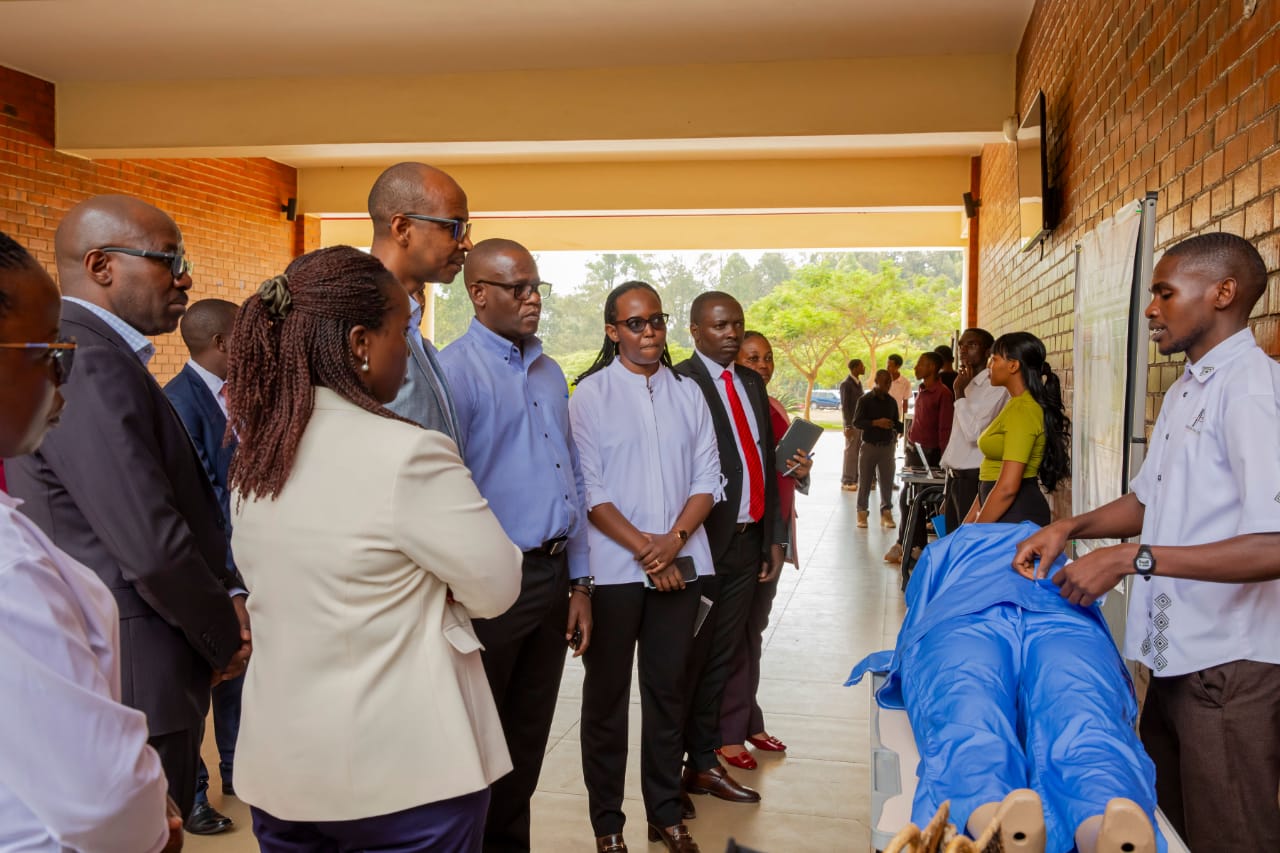
Delegation led by Dr. Edward Kadozi, the Director General of the Higher Education Council, during a visit to Rwanda Polytechnic-Kigali
According to the Ministry of Education, Rwanda currently has 31 accredited higher-learning institutions, including both public and private universities.
For policymakers, the debate extends beyond university budgets. Countries that dominate sectors such as advanced manufacturing, artificial intelligence, pharmaceuticals and digital technologies have typically sustained high levels of investment in research for decades.
The question facing Rwanda is whether it can gradually make a similar commitment — and whether universities, government and the private sector can collectively generate the resources needed to close the gap between aspiration and reality.
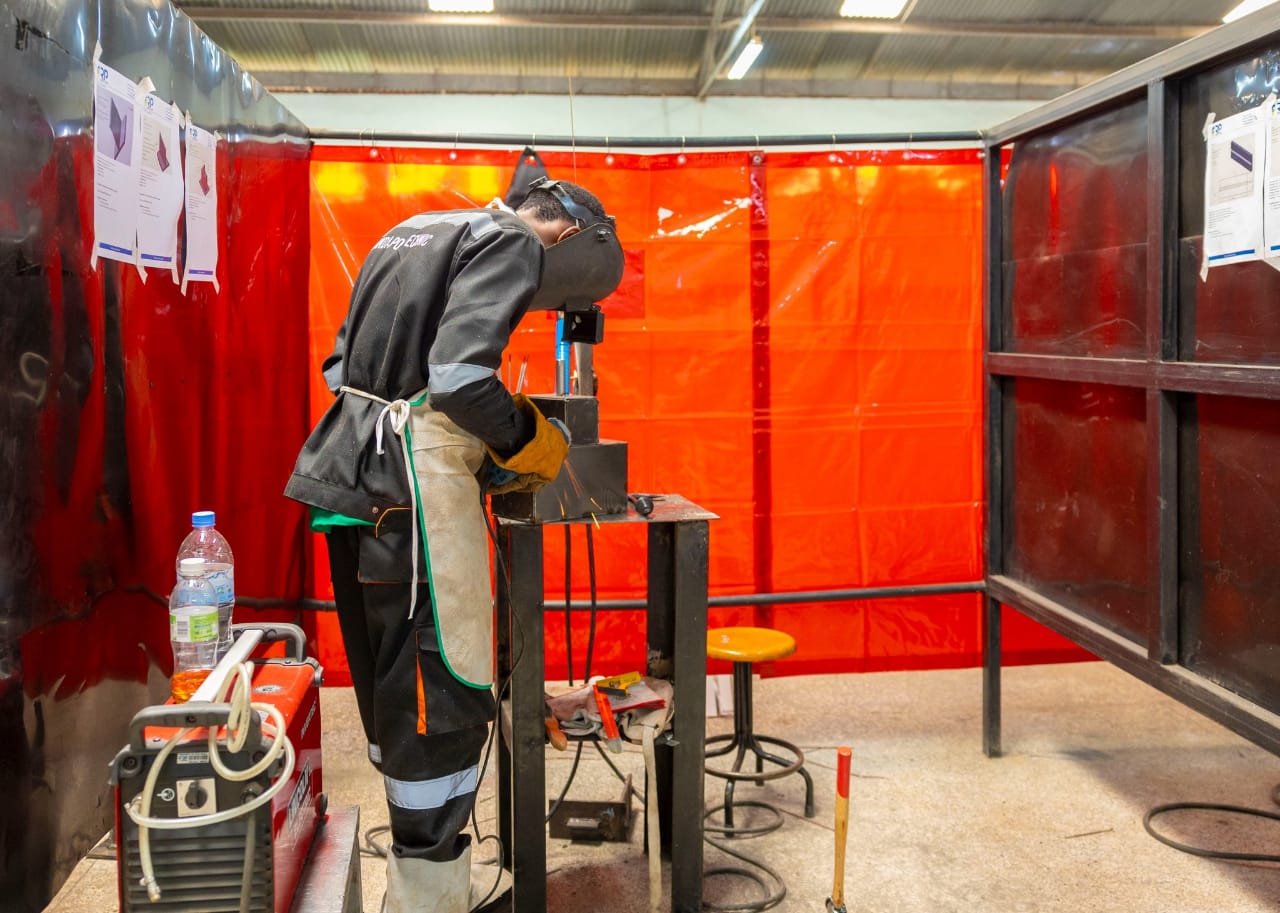
A student at Rwanda Polytechnic during research engagement