



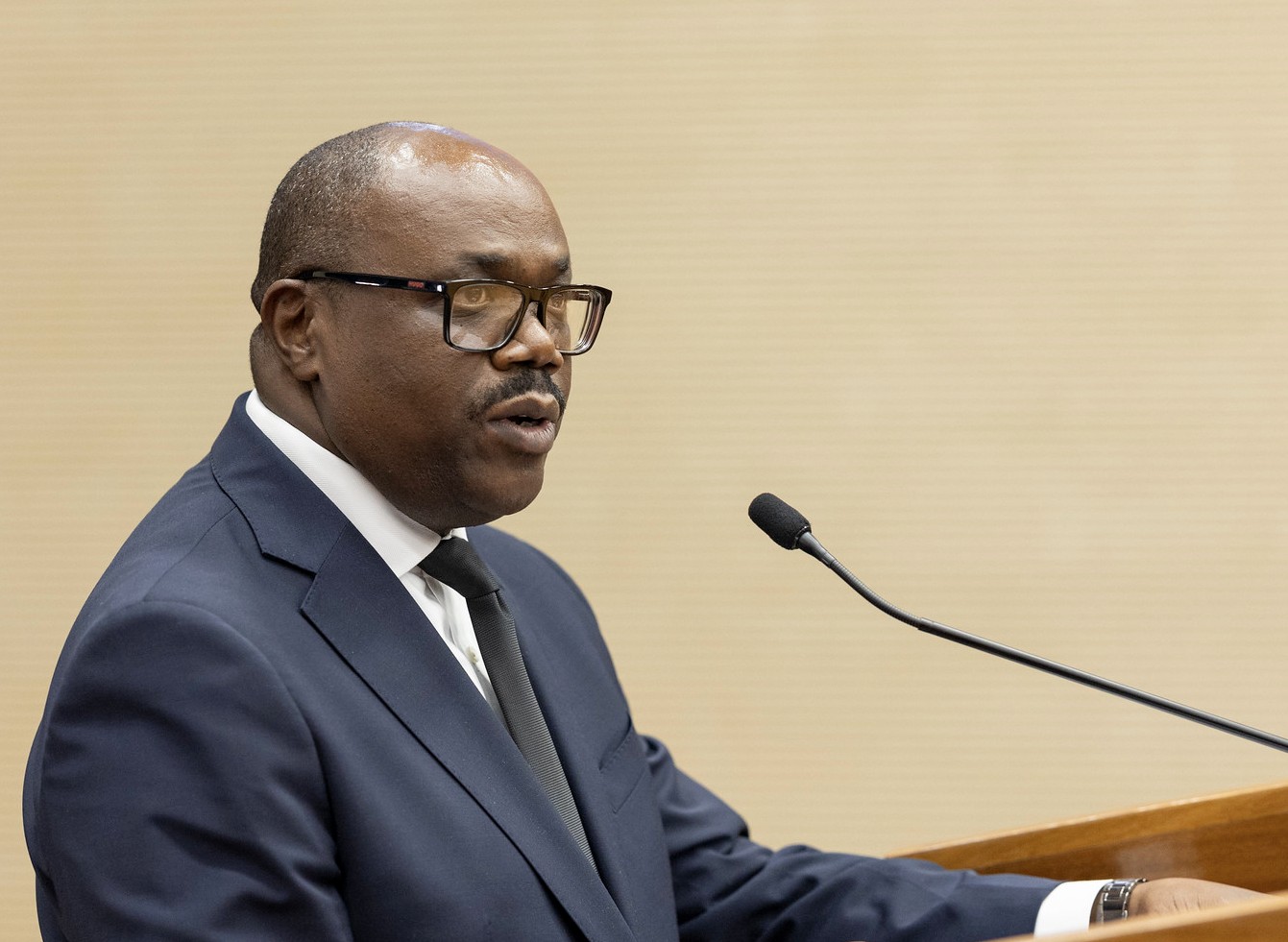
Prime Minister Dr Justin Nsengiyumva addressing the joint session of Parliament today.
Kigali, Rwanda — Rwanda plans to build and rehabilitate over 800 kilometers of roads by 2029 as part of a wider strategy to improve transport for both people and goods and strengthen the country’s economic competitiveness.
According to the plan, the government will construct more than 300 kilometers of new main roads and at least 500 kilometers of feeder roads connecting rural communities to markets and services.
The works will also include repairing existing feeder roads to ensure year-round accessibility.
Prime Minister Dr. Justin Nsengiyumva in his maiden address to joint session of Parliament outlined the targets today while presenting the government’s development program to a joint session of Parliament.
He said better roads would reduce travel times, improve safety, and support businesses across the country, especially in agriculture and trade.
Better Roads, Better Access
The planned 300 kilometers of new main roads will connect major towns and regions, while the 500 kilometers of feeder roads will help farmers and rural residents access markets, schools, and health centers more easily.
Feeder road upgrades will ensure they remain usable even during heavy rains, which often cut off remote areas.
In 1993, Rwanda had only 530 kilometers of paved roads (tarmac). By 2024, this has increased to a more extensive network of over 2,600 kilometers.
Improving Public Transport
Dr. Nsengiyumva also highlighted efforts to make public transport more reliable and affordable.
The government plans to improve services for passengers using buses and other shared transport options, aiming to reduce overcrowding and ensure consistent schedules.
Boost for Air Transport
The plan also includes major investments in air transport. RwandAir will add more international destinations, aiming to double the number of passengers it carries in the next few years.
The national airline also intends to increase the volume of cargo it transports, opening more opportunities for Rwandan exports and trade.
Officials say these combined road and air transport projects will not only improve movement within Rwanda but also strengthen the country’s role as a regional hub for business, tourism, and logistics.
Linking Infrastructure to Growth
The Prime Minister stressed that transport infrastructure is central to Rwanda’s economic plans. Better connectivity will lower transport costs, make local goods more competitive, and attract more investment.
“When people and goods move faster and more efficiently, the whole economy benefits,” he told lawmakers.
The program is expected to be rolled out in phases between now and 2029, with funding coming from the national budget and partnerships with development partners.
In the hour-long address, the Prime covered all the sectors of the country, from economy to security, and international relations.
HERE IS FULL ADDRESS
