



Rwanda’s Parliament has passed a new law granting adolescent girls the right to access Sexual and Reproductive Health (SRH) services—particularly family planning—without requiring parental consent. This decision aims to address the rising number of teenage pregnancies across the country.
The bill was first tabled in 2022 but faced a setback after Members of Parliament (MPs) expressed concerns that such a law might encourage teenage promiscuity. As a result, the original version required parental consent for minors to receive SRH services.
However, following strong backlash from civil society organizations and public outcry on social media, the bill was referred back to the Parliamentary Committee on Social Affairs for review.
The revised version was reintroduced on August 4, 2025, with adjustments to address controversial and highly debated provisions.
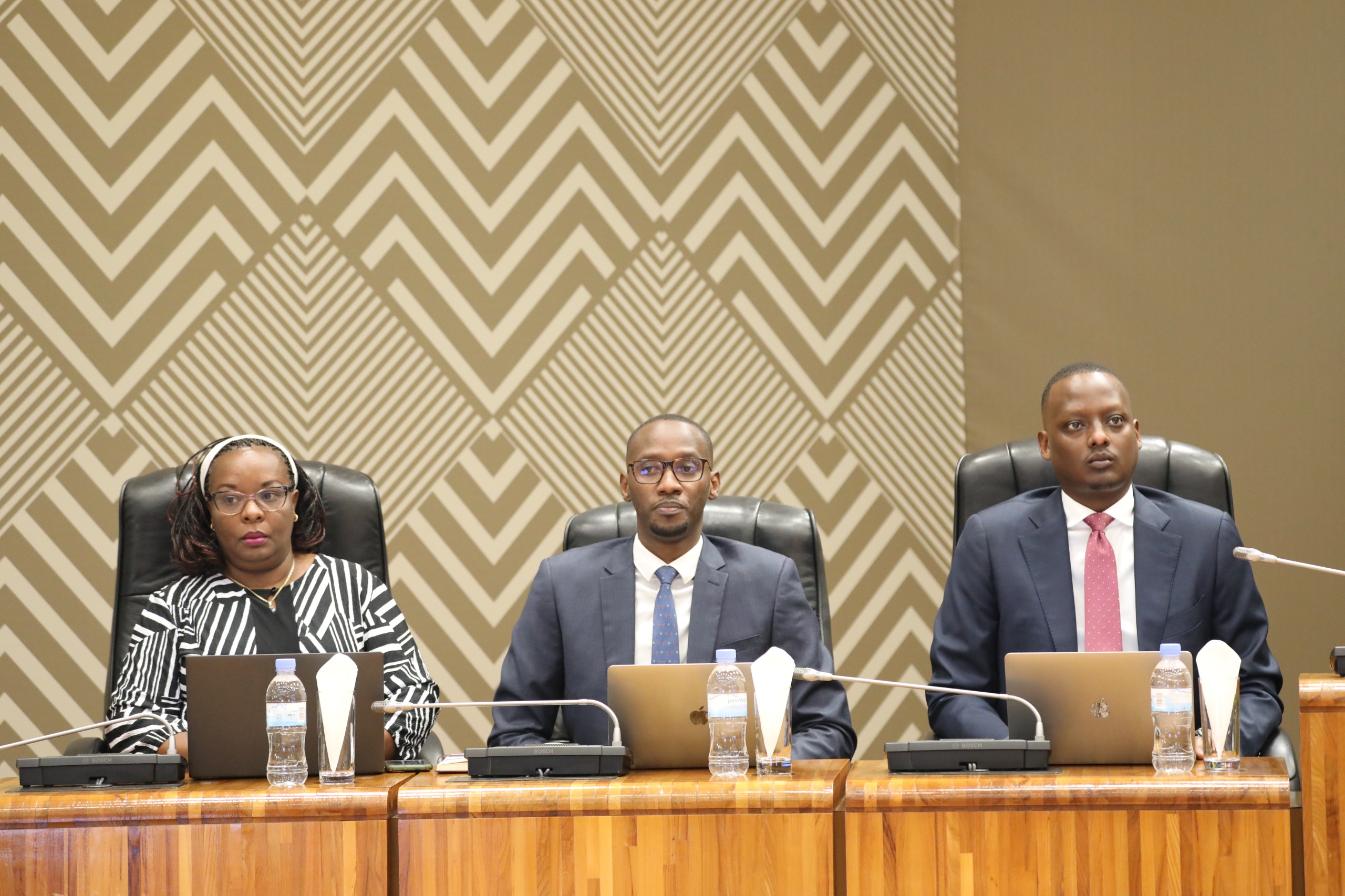
Presenting the committee’s updated report, MP Veneranda Uwamariya, Chairperson of the Social Affairs Committee, explained that after extensive debate, it was agreed that adolescents and young adults should be granted access to family planning services to prevent unintended pregnancies and mitigate the broader social and health consequences.

MP Jean Claude Ntezimana questioned the rationale behind allowing adolescents to make such decisions independently, despite not being considered old enough to make other personal decisions.
In response, Dr. Yvan Butera, the State Minister in the Ministry of Health, emphasized that providing SRH services is essential, noting that 38% of children born to teen mothers in Rwanda suffer from stunting due to the challenges associated with early childbirth.

Teenagers who reach 16-years have been granted more legal protections
The new Sexual and Reproductive Health Act defines reproductive health as encompassing the physical and mental well-being of individuals in relation to their sexual and reproductive lives. It guarantees everyone the right to education and medical services related to reproductive health, and prohibits discrimination in accessing these services.
While the law affirms that individuals who have reached the age of majority (18 years in Rwanda, as per Article 104 of Law No. 71/2024 of 26/06/2024 governing individuals and families) have the right to make autonomous reproductive health decisions, it had previously left a gap regarding adolescents under 18.
To address this, the revised law explicitly lowers the age at which adolescents can access reproductive health services without parental consent. MP Uwamariya confirmed, “Under this new law, anyone aged 15 and above will now be eligible to receive reproductive health services.”
Addressing a National Crisis:
 The aim of this legislative change is to reduce unplanned pregnancies among adolescents, which often lead to poverty and an inability to raise children effectively. By allowing girls to access nearby health centers for family planning, the law also provides a proactive measure against early motherhood.
However, lawmakers cautioned that the responsibility of guiding adolescents still rests with parents, especially in educating them about the risks of sexually transmitted infections, which contraceptives like birth control pills do not prevent.
A study by the National Human Rights Commission found that 57.1% of teenage pregnancies were influenced by peers, 7% by neighbors, and 2% by relatives. Among the 690 adolescents surveyed, 470 (68%) were under 18 and became pregnant due to sexual abuse, 50 (7%) due to rape, and 170 (25%) aged between 18 and 19 became pregnant through consensual sex with peers.
Further findings showed that 57.1% of adolescents were impregnated by friends, 19.7% by neighbors, 7.5% by strangers, and 2.9% by family members.
National Institute of Statistics of Rwanda (NISR) figures indicate a persistent problem: 17,331 teenage pregnancies were recorded in 2017, rising to 23,622 in 2019, with 19,701 in 2020, 23,534 in 2021, and 19,406 in 2023.
A joint study by Interpeace and the Rwanda Biomedical Center (RBC) revealed that 84.16% of adolescent mothers received no postnatal mental health or social support.