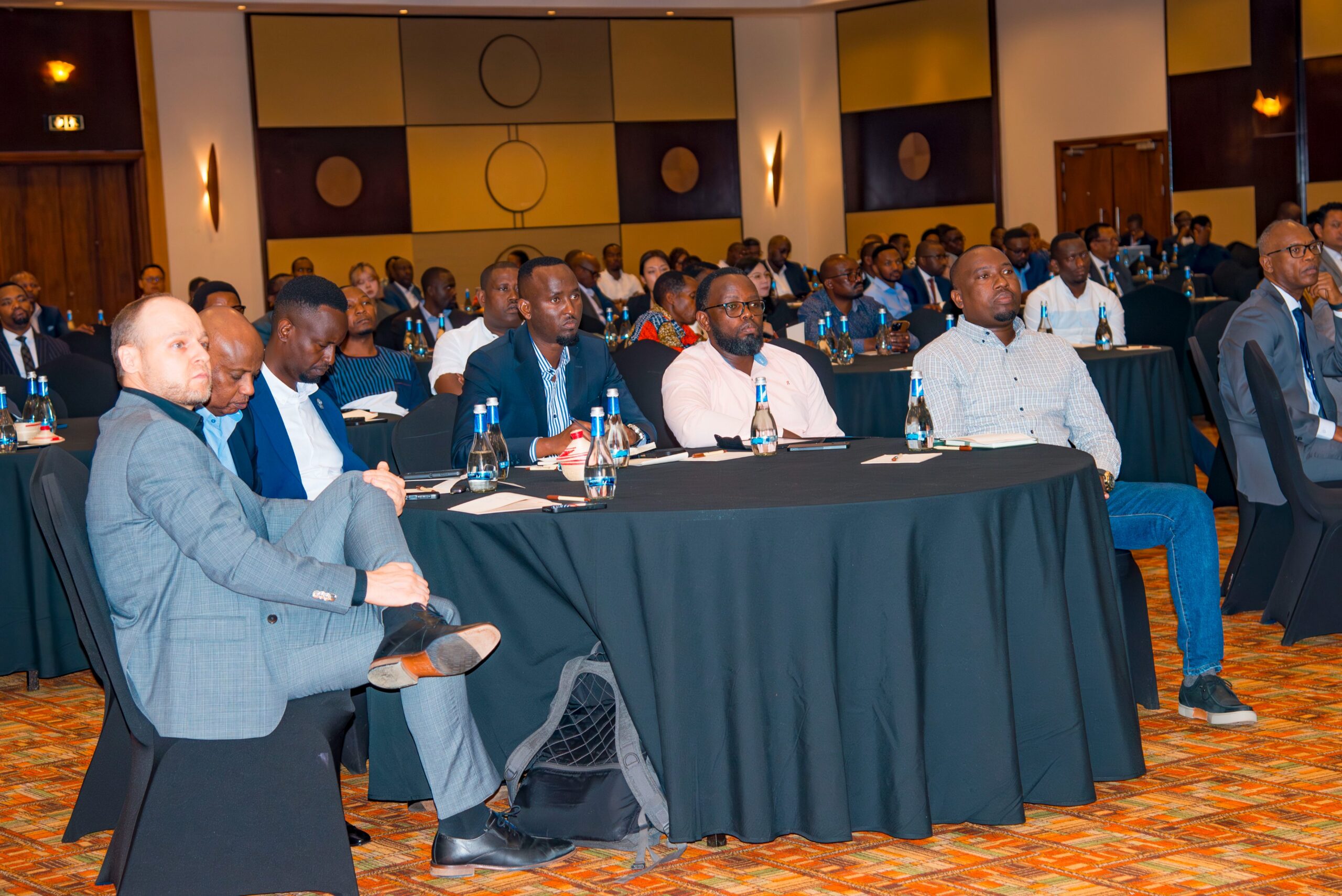



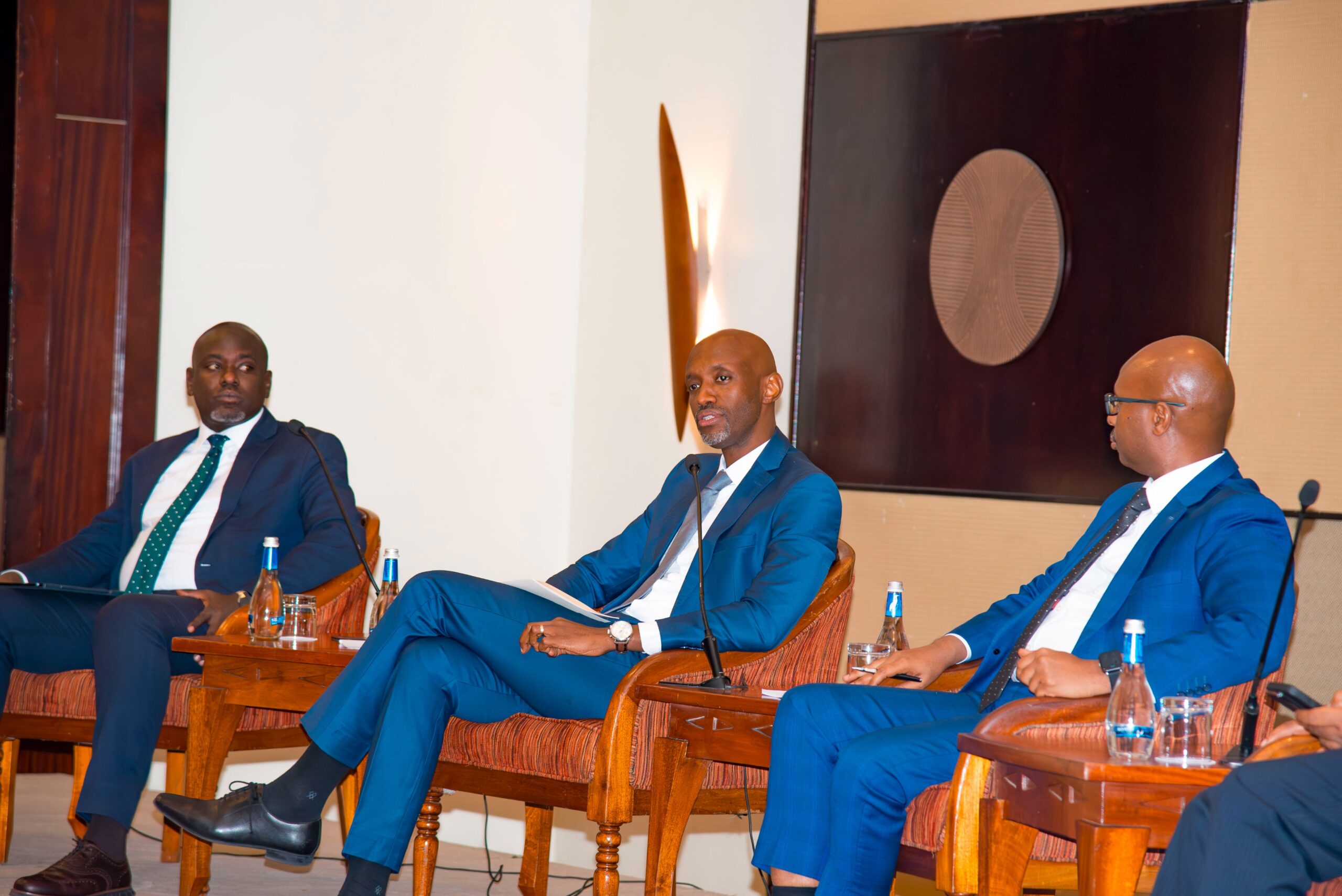
Finance Minister Yusuf Murangwa attended the engagement with the private sector leaders, so was Jean-Guy Afrika, the CEO RDB and other senior government officials
Kigali – For years, Rwandan industrialists have sounded the alarm: the high and rigid cost of electricity is strangling growth and eroding their ability to compete regionally.
Now, after sustained engagement from the private sector, the government is vowing to take decisive action, with high-level consultations underway to reform the national electricity tariff framework.
The core of the issue lies in Rwanda’s existing tiered tariff structure. As of early 2024, small industries (consuming less than 220,000 kWh per year) were charged Rwf 134 per kWh.
Medium-scale industries (using between 220,000 and 660,000 kWh annually) paid Rwf 103 per kWh, while large industries (consuming over 660,000 kWh per year) received the most favorable rate of Rwf 94 per kWh.
Despite this volume-based discount, manufacturers consistently argued that these rates were unsustainable.
Their concerns were validated when the Ministry of Trade and Industry conducted a regional comparative analysis last year. The data revealed a stark and troubling contrast, showing that Rwandan industries were at a significant competitive disadvantage.
In Uganda, large industries benefit from a time-of-use pricing model, paying as low as Rwf 68 per kWh during off-peak hours, even though peak rates can climb to Rwf 206.
Similarly, in Kenya, large industries pay about Rwf 87 per kWh during off-peak periods and Rwf 131 at peak times. The burden is even heavier on Kenyan small and medium industries, which face peak tariffs of approximately Rwf 183 per kWh.
This regional cost disparity, with Rwandan rates sitting significantly higher than the off-peak rates of its neighbors, made it difficult for local factories to price their goods competitively for export and eroded profit margins, stifling expansion and new investment.
This sustained concern culminated in a major development on September 11, 2025.

The Rwanda Development Board (RDB), in collaboration with the Ministry of Infrastructure and the Rwanda Utilities Regulatory Authority (RURA), convened a high-level consultative meeting with private sector leaders.
The meeting, a direct response to the industry’s outcry, signals the government’s serious intent to address the problem.
This push for a tariff review marks a strategic pivot from the government’s last major tariff decision in 2020, when RURA implemented an across-the-board increase to help utilities recover from the economic shocks of the COVID-19 pandemic.
That move, which saw tariffs rise by an average of 2.5%, was deemed necessary for the financial viability of the energy sector but added to the burden on businesses.
Stakeholders are now optimistic that the ongoing review will result in a new, more competitive tariff structure.
The expected changes could include introducing time-of-use pricing similar to Uganda and Kenya, further reducing rates for high-volume consumers, or creating a new special industrial rate to boost manufacturing and attract foreign direct investment.
With the consultative process now in full swing, the business community awaits the announcement from the Ministry of Infrastructure, which is expected to unveil the new tariff structure in the near future—a move that could redefine Rwanda’s industrial landscape and finally level the playing field for its private sector.