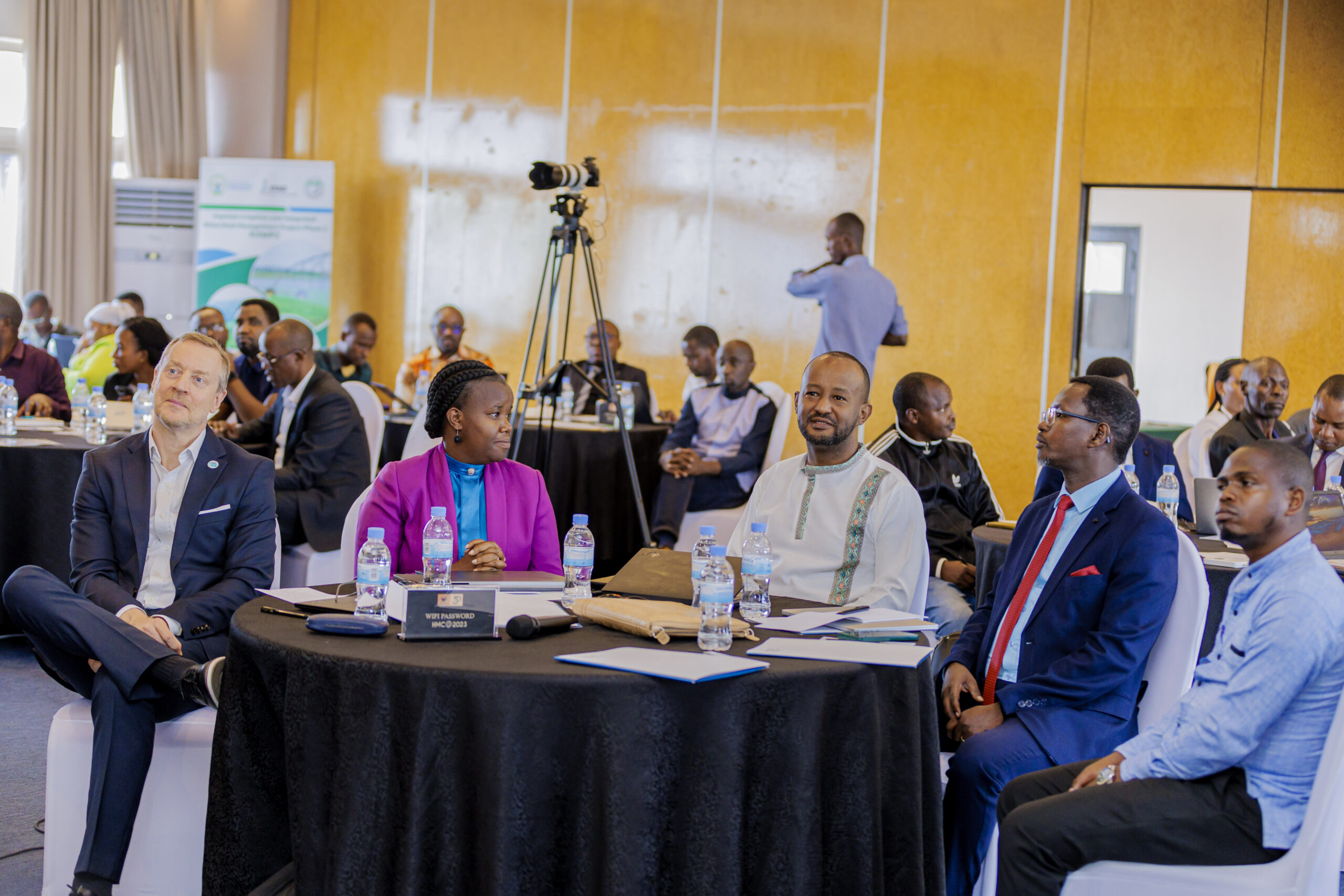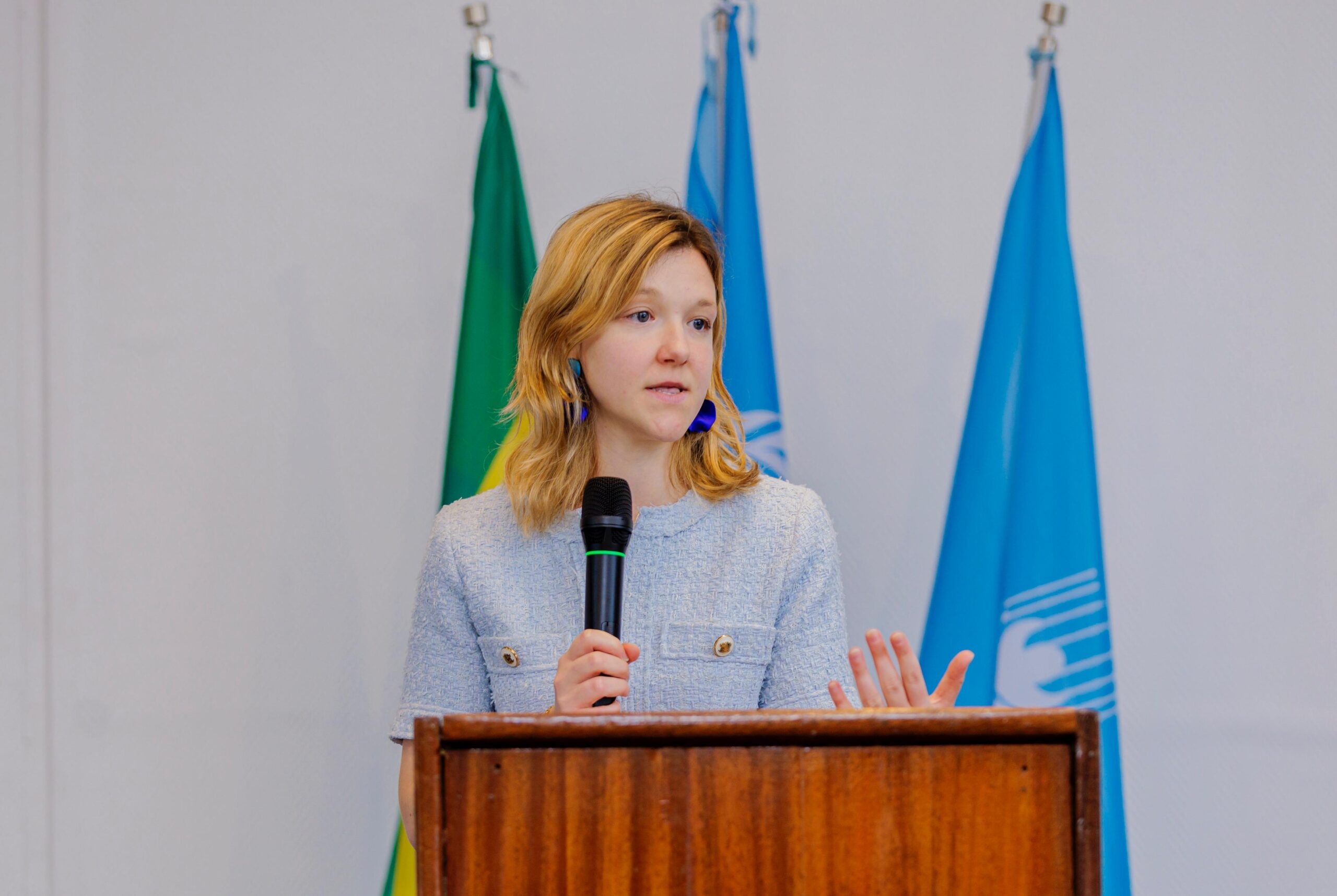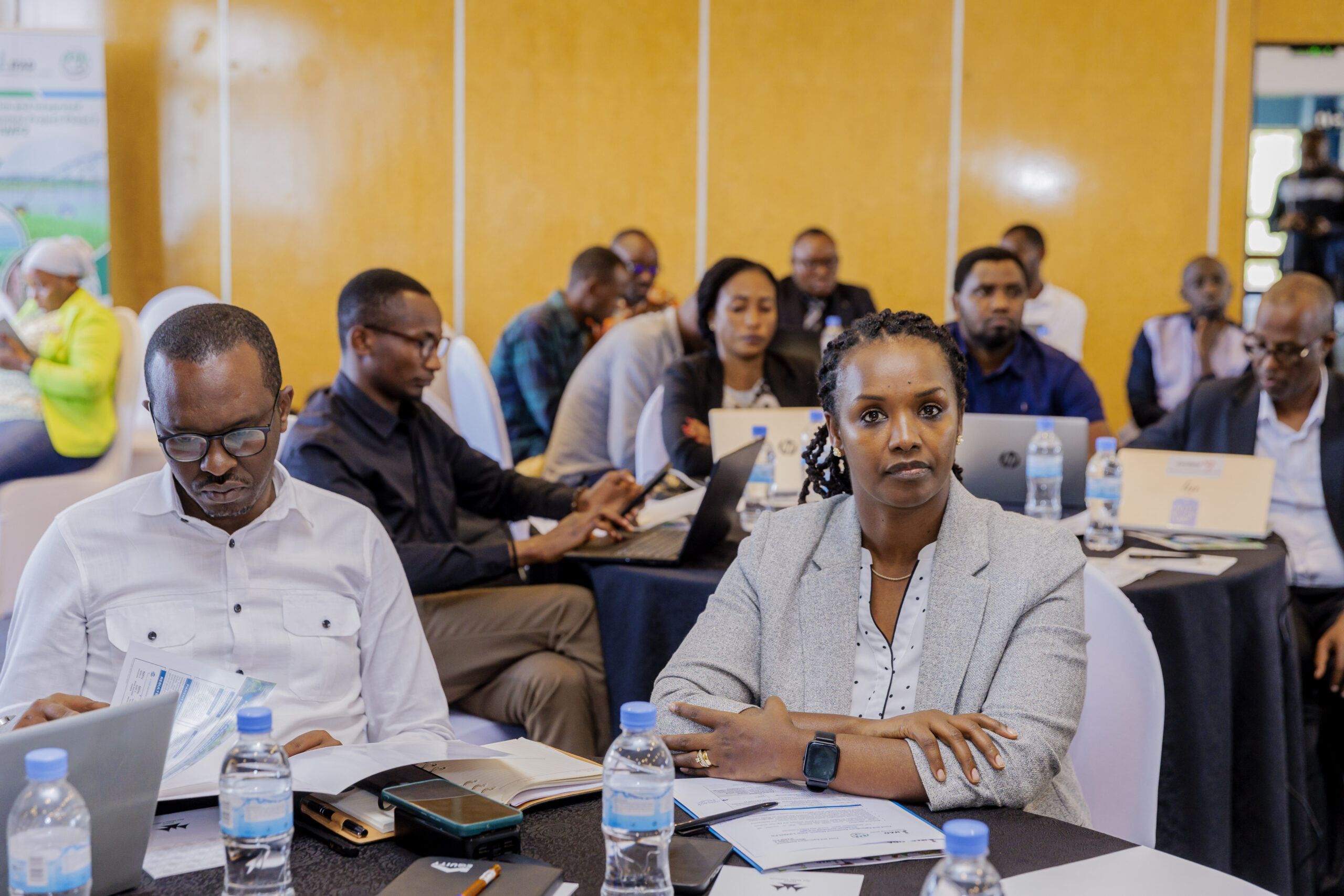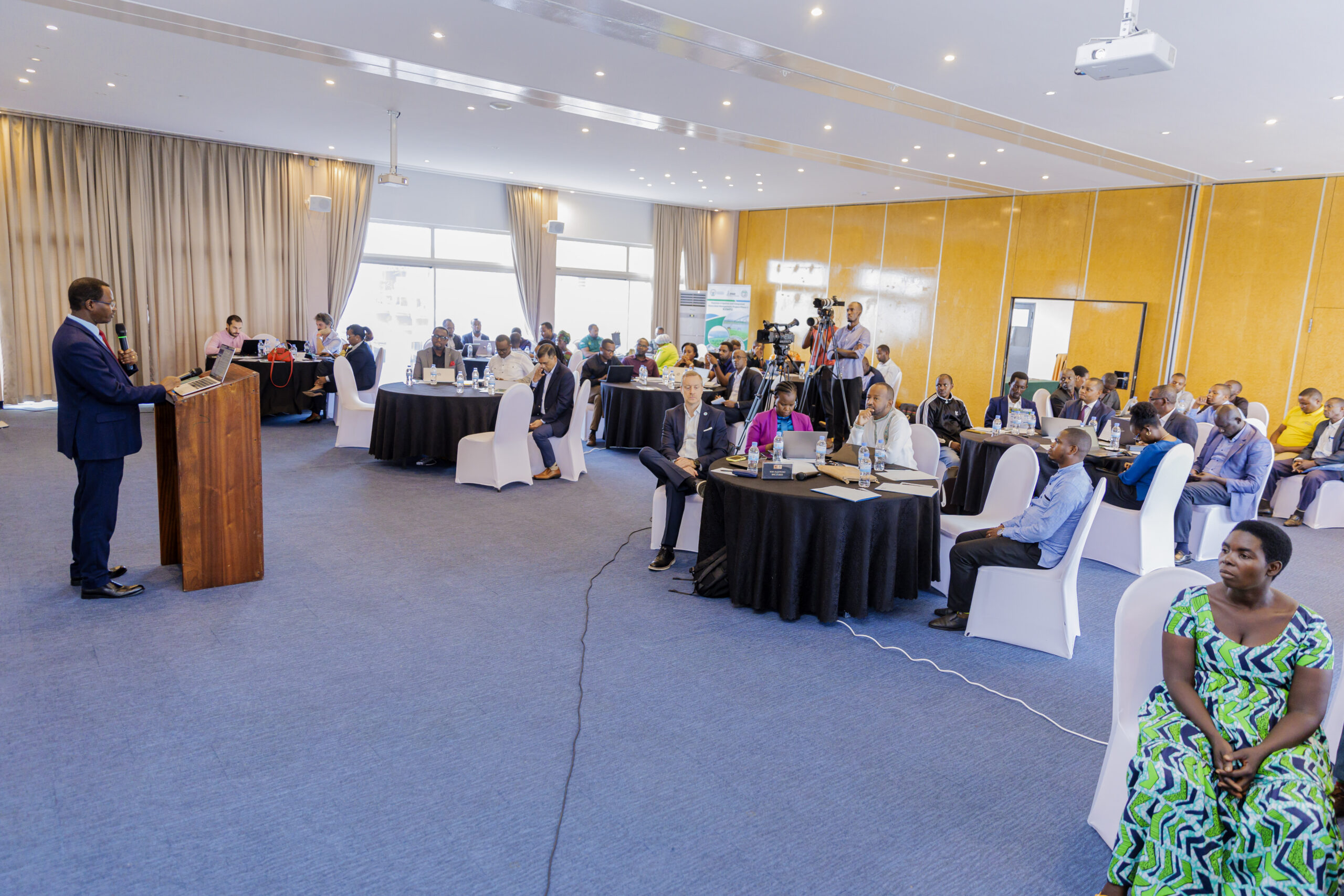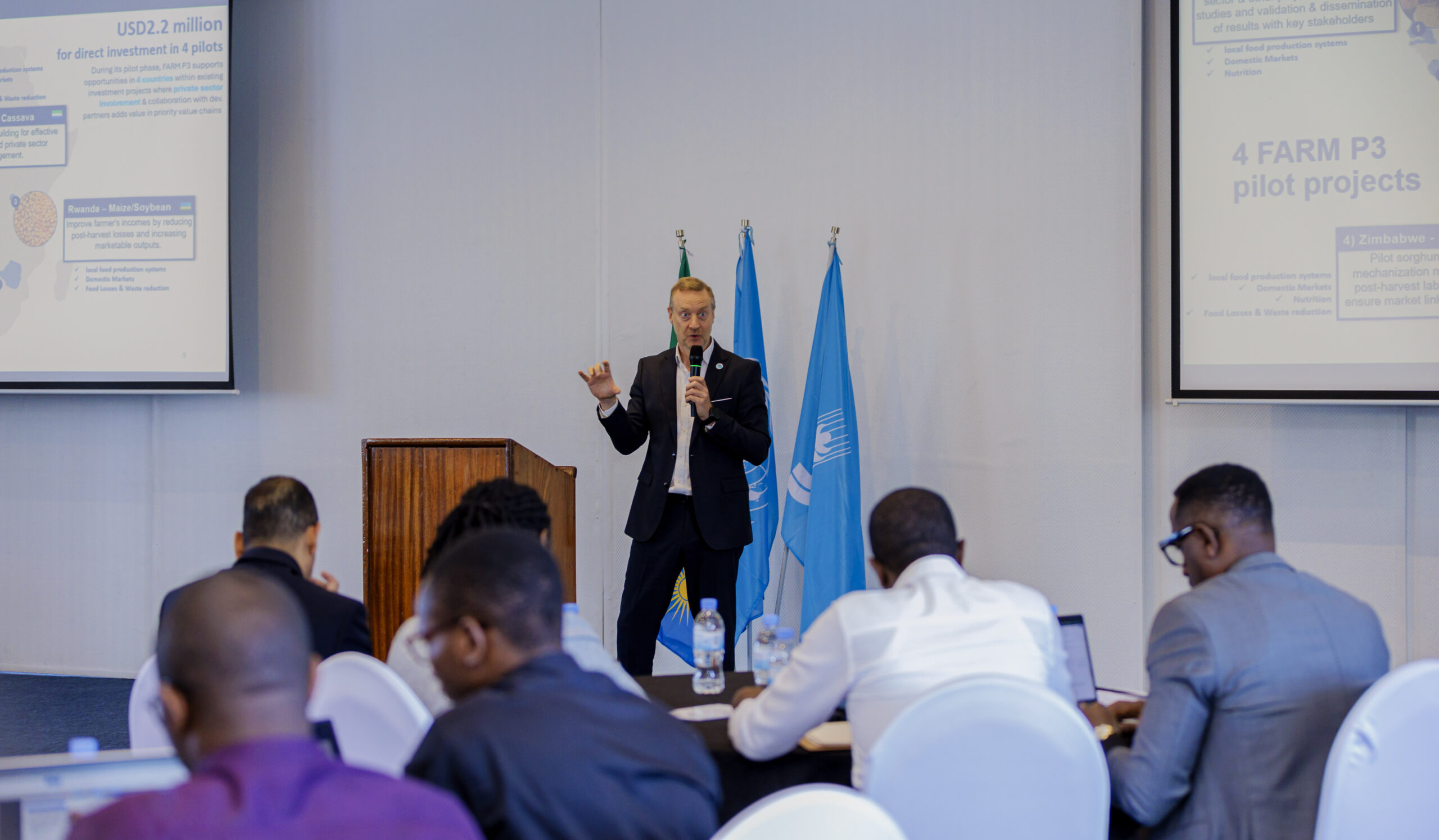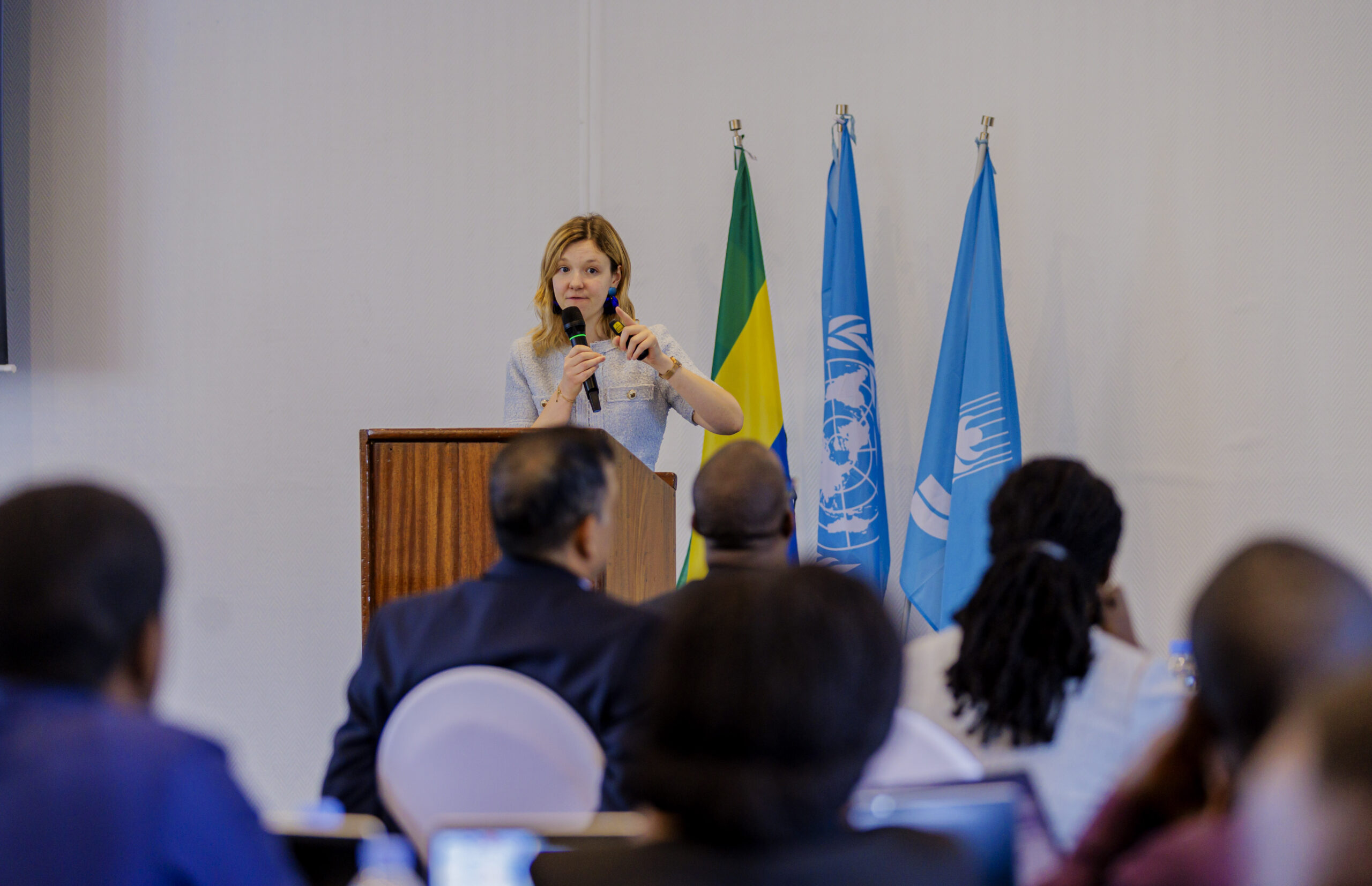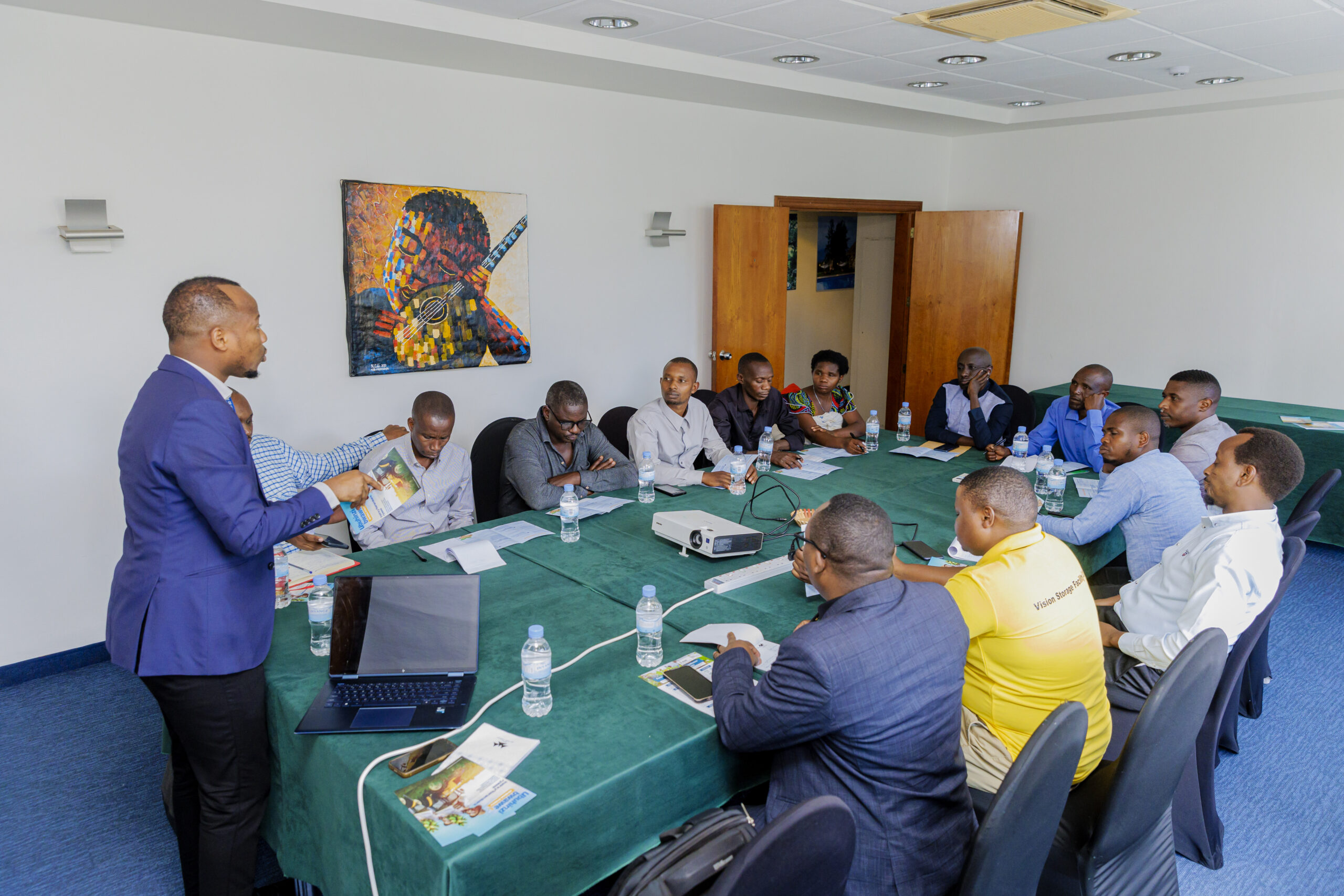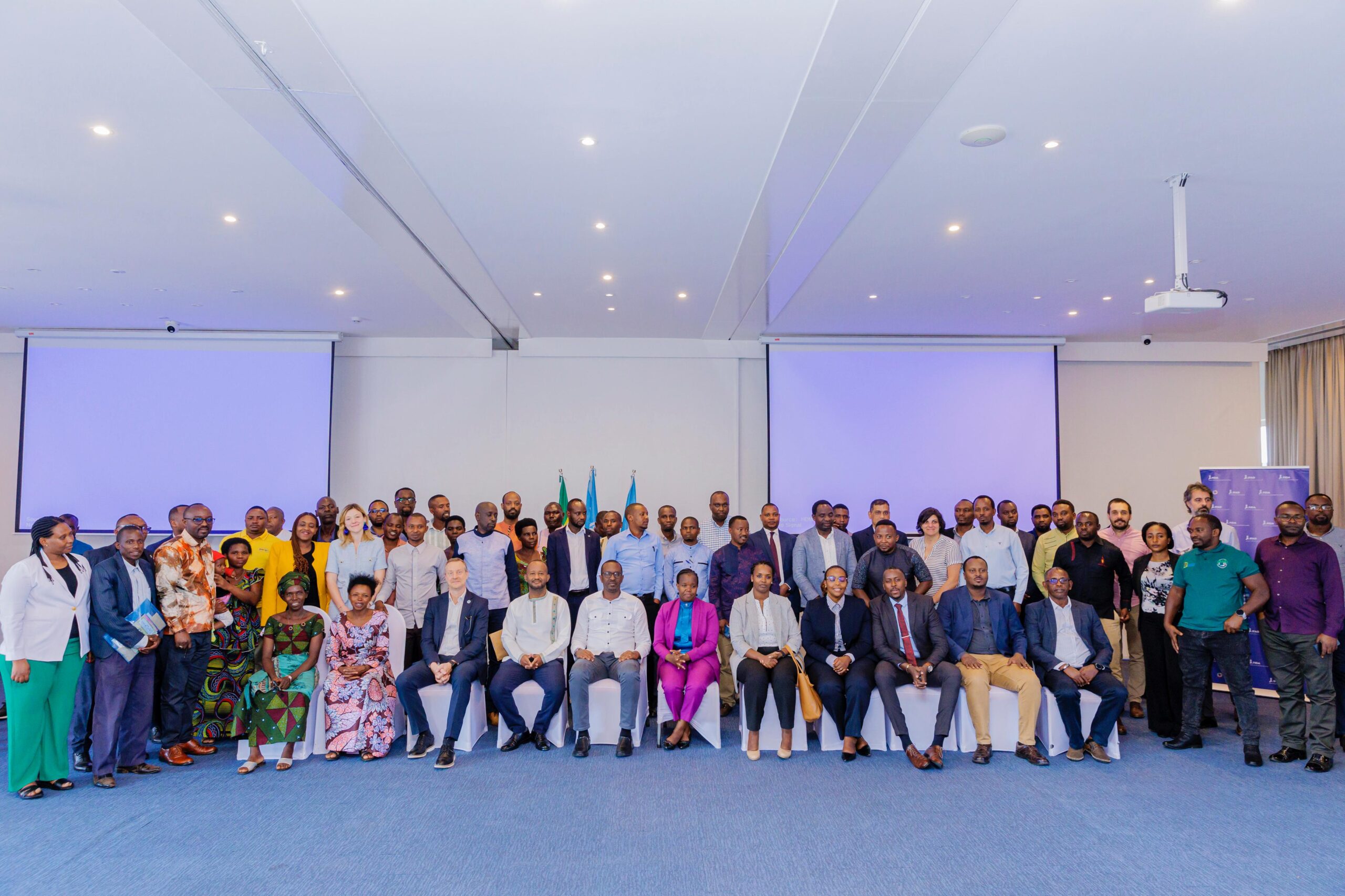
FARM P3 project implementers and beneficiaries. (All photos by Niyonzima Moses)
The International Fund for Agricultural Development (IFAD) in collaboration with the Rwanda Agriculture Board (RAB) unveiled a $1.23 million food systems initiative aimed at improving rural farmer’s ability to handle and maintain the quality of harvested maize and soybeans until they reach the buyer.
The pilot phase of the Food and Agriculture Resilience Mission Pillar 3 (FARM P3) was launched on September 11 and will provide Kayonza district farmers with infrastructure and technical skills to reduce food loss through better post-harvest practices, as well as direct connections to buyers.
This project complements the larger IFAD-funded Kayonza Irrigation and Integrated Watershed Management Project – Phase II – KIIWP2 (2021 – 2028), which already supports over 40,000 rural households in enhancing food security and climate resilience on 5,000 hectares of irrigable land.
While there are no preliminary studies on soybean post-harvest loss, records indicate that maize losses are currently estimated at 13.8%, rice at 20%, and beans at 11%.
To address these challenges, FARM P3 activities will include supporting the acquisition of maize drying shelters and mobile mechanical drying machines (through matching grants) to reduce maize moisture levels, reduce post-harvest losses, and ensure access to profitable markets.
While the main focus is on maize, FARM P3 will also implement lighter interventions for the soybean value chain, with a focus on training and awareness-raising to highlight production opportunities with strong private sector demand, likely through farmer field schools established under KIIWP2.
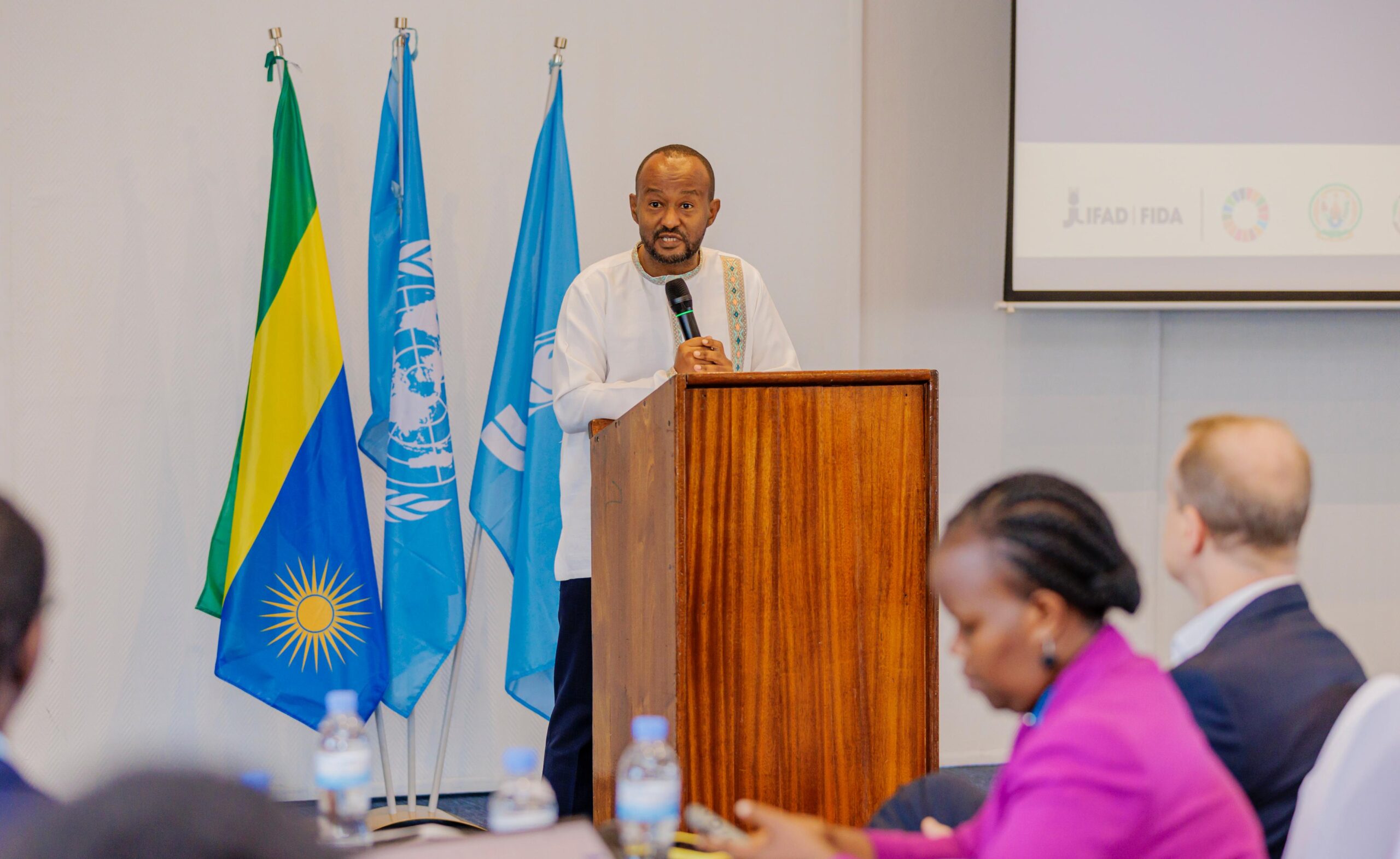
Dagmawi Habte-Selassie addressing stakeholders
Dagmawi Habte-Selassie, IFAD Country Director, mentioned that the pilot project offers a unique approach to leverage farmer and private sector engagement and collaboration in addressing existing challenges.
“This serves as a catalyst to support farmers in dealing with post-harvest losses, increasing market linkages, and expanding private sector engagement, which is crucial in the agriculture sector,” Habte-Selassie stated.
He emphasized that this partnership will benefit farmers and the private sector in addressing post-harvest challenges while creating sustainable, scalable solutions that reduce dependence on external support.
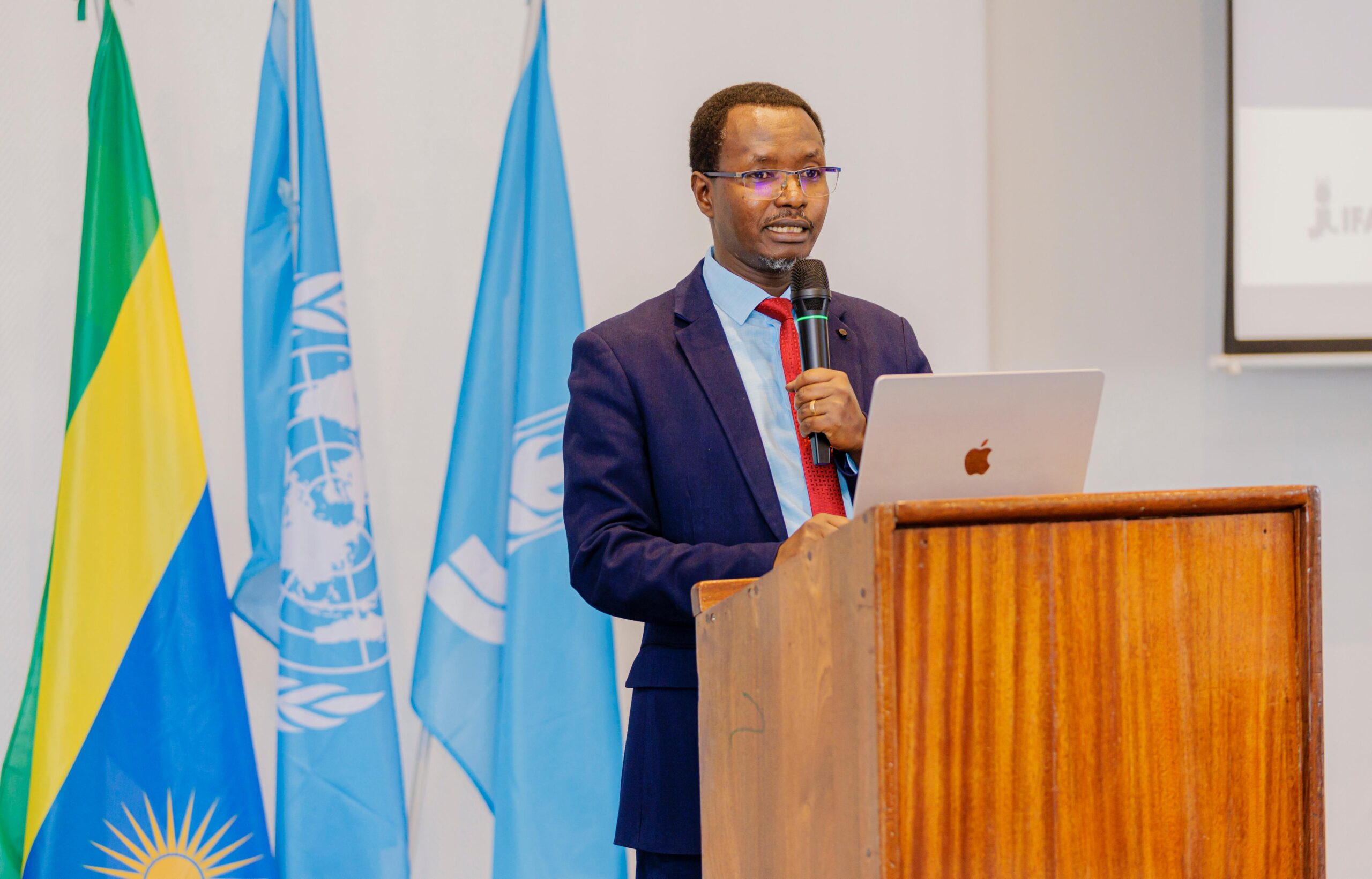
Dr. Alexandre Rutikanga
Dr. Alexandre Rutikanga, Chief Technical Advisor (CTA) at the Ministry of Agriculture and Animal Resources (MINAGRI), who officiated the launch event, highlighted that by reducing post-harvest losses and fostering reliable market linkages, FARM P3 will contribute to advancing PSTA 5 priorities of resilient, inclusive, and market-driven value chains, empowering smallholders and creating new investment opportunities for private sector actors.
Soybean Market Opportunities:
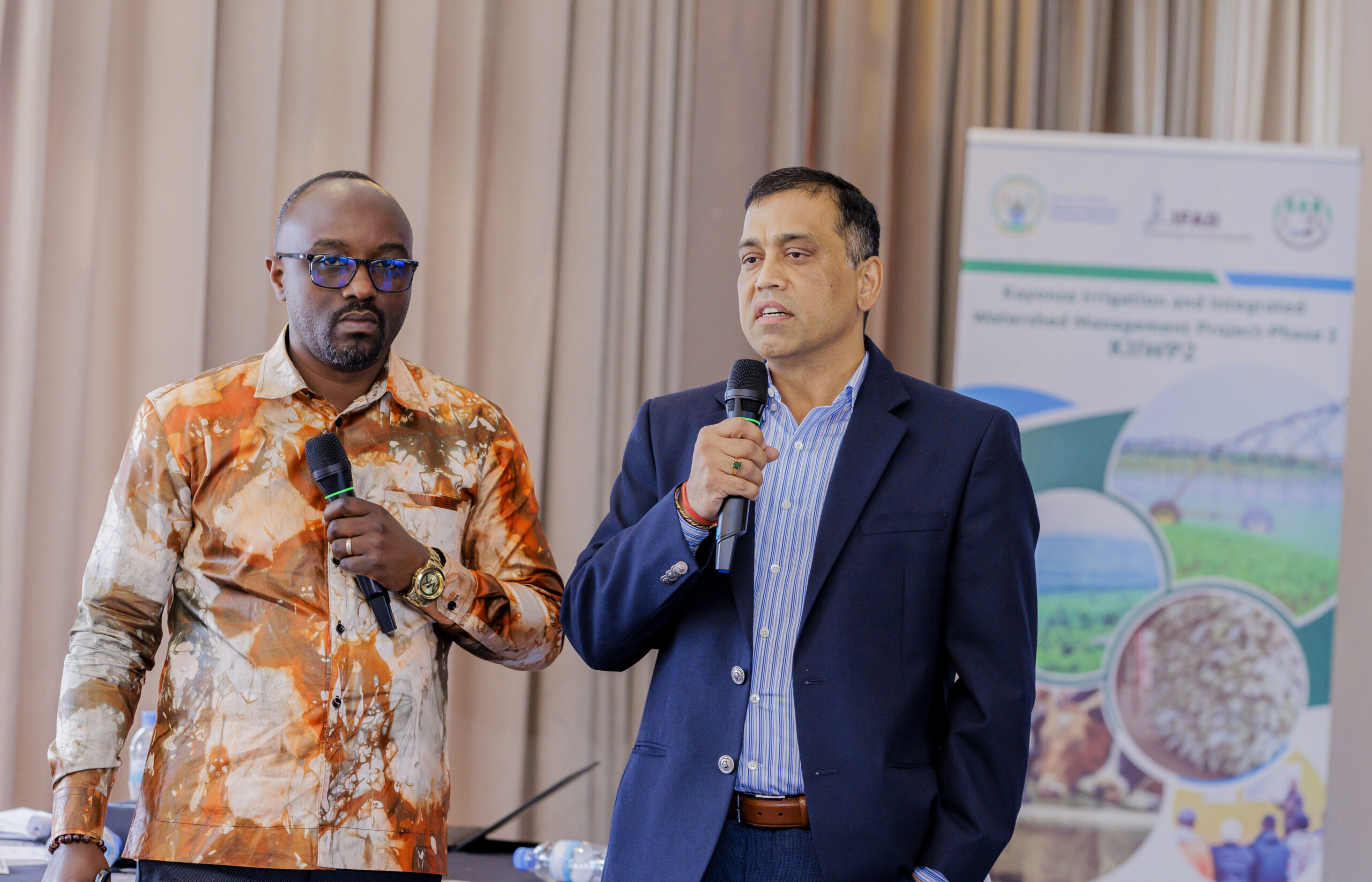
Rajesh Singh (right)
Rajesh Singh, Procurement & Sustainability Director at Africa Improved Foods (AIF), one of the largest seed buyers in Rwanda, stated that despite the current production of 25-30 tonnes of soybeans annually, the market demand is higher, possibly due to post-harvest losses.
To address this issue, he mentioned: “We don’t have enough soy products, and if you (farmers) can grow and aggregate, we will provide transport logistics from the farmer. We need 3-4,000 tonnes of soy, and if you can produce it, we will buy it all.”
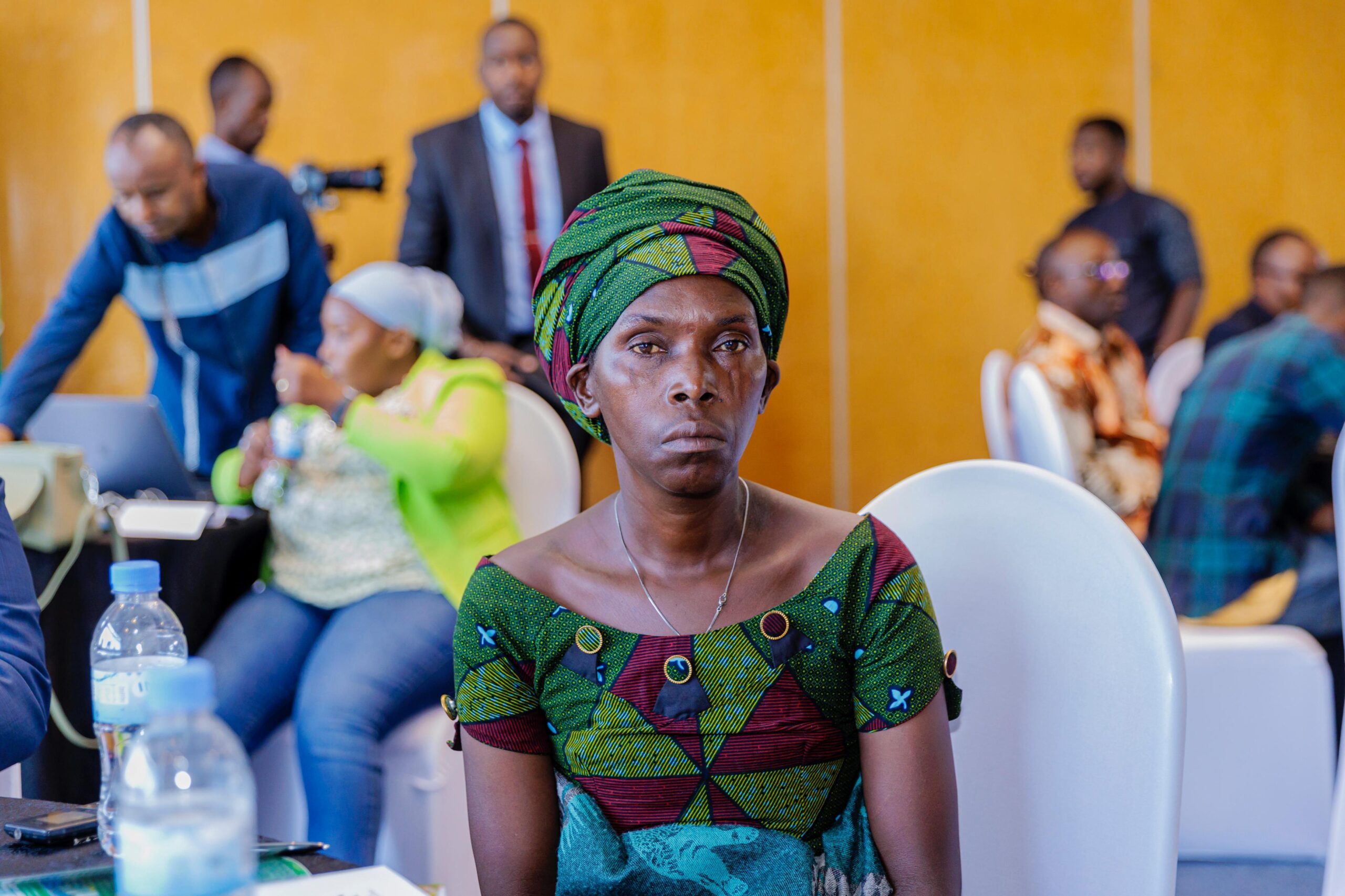
One of the few farmers to benefit from FARM P3
Jean Chrysostome Rugwizangoga, President of the Twungubumwe-Ryamanyoni farmers’ cooperative, stated that many Kayonza farmers grow soybeans for food but lack information on the available market. “We were unaware of the value and market for soy. To meet this demand, we need support with good seeds to start, as well as information and capacity building to supply this market,” he explained.
Launched by France under the EU Council Presidency, FARM P3 collaborates with the private sector and development partners to create sustained value for smallholder farmers. In addition to Rwanda, the project is active in Senegal, Sierra Leone, and Zimbabwe, adapting its model to local value chains and development needs.
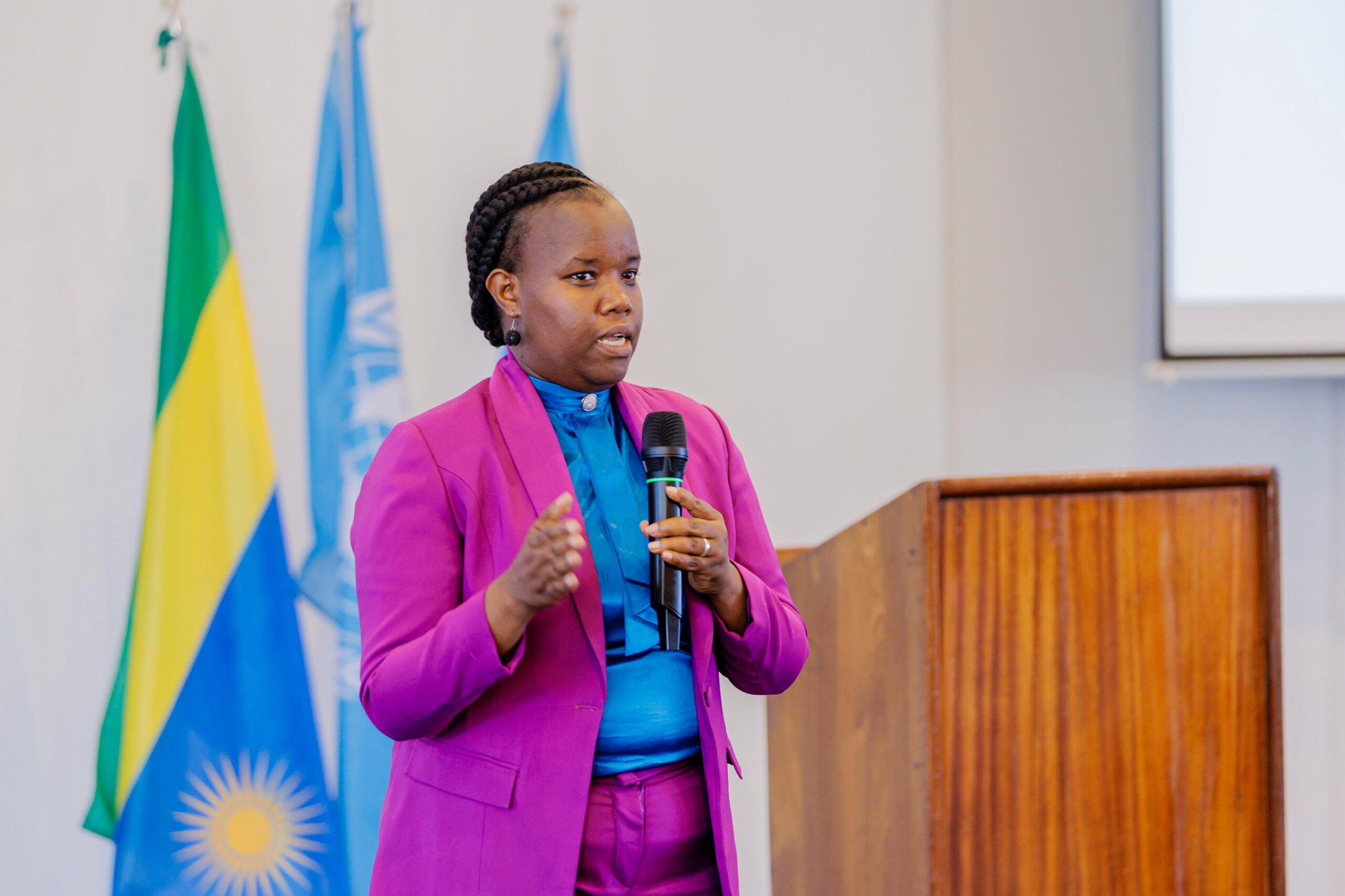
Dr. Florence Uwamahoro, RAB Deputy Director General in charge of Agriculture Development encouraged farmers to work double time