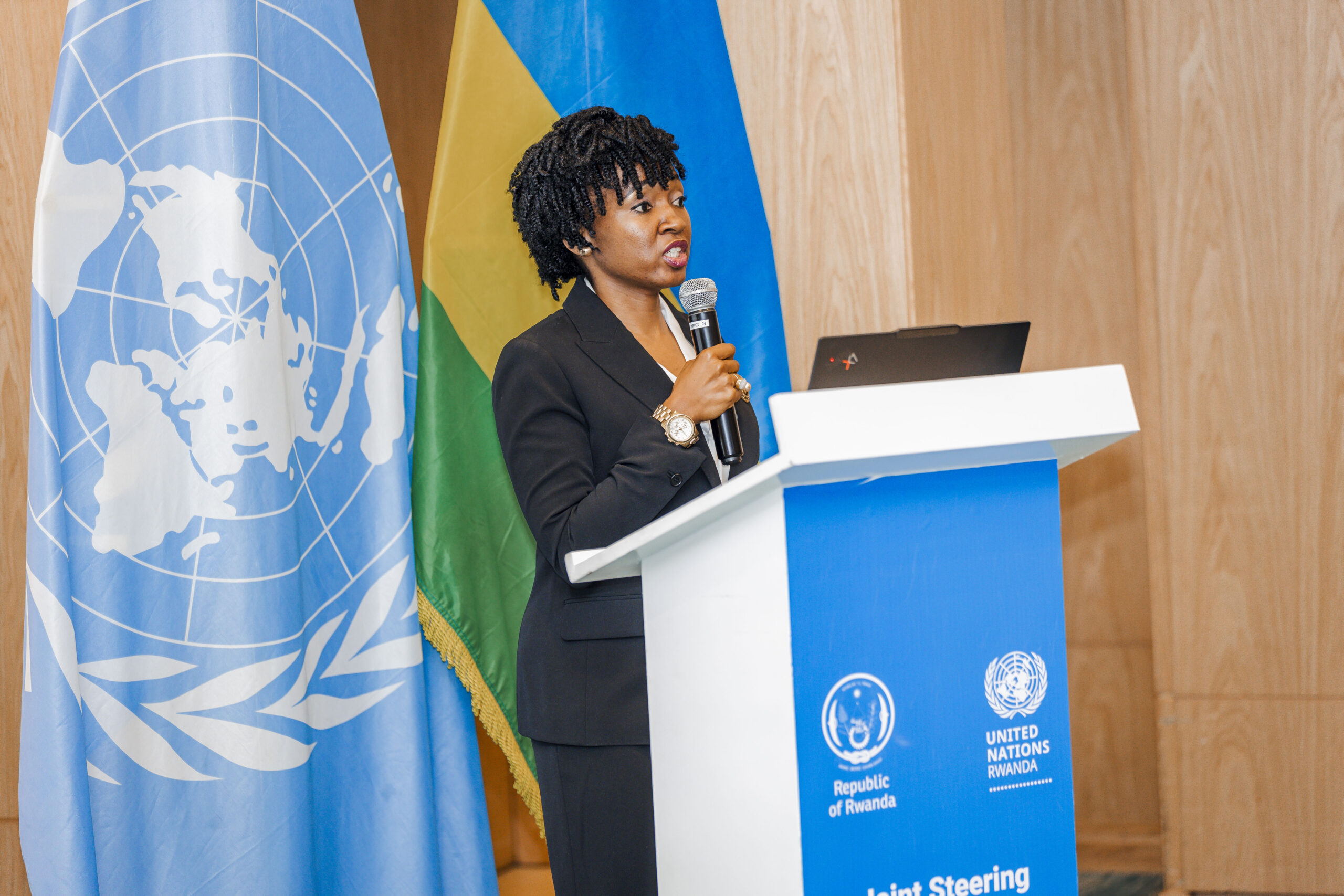




The United Nations family and the Rwandan government have agreed on a new collaborative development working relationship that will enable Rwanda to move from the LDC category to cross into the middle-income economy by 2025.
The new strategy, which starts next year, is made up of five investment-ready flagship joint programs that will be implemented from 2026 to 2029, aligning with Rwanda’s second strategy of Transformation (NST2) for 2024-2029.
A glance at the five programs shows that they will be repositioned as bankable investment platforms, aligned with NST2, Vision 2050, and SDGs, responding to declining grants and rising private capital.
All structured as investment cases with: Costed results; Risk-return logic; Financing pathways; Co-ownership by the Government.
These are: Economic Transformation: Digitalization & Data (USD 10M); Livestock Value Chains ($20M), Social Transformation: Primary Health Care ($35.7M); Clean Cooking & Climate Action ($25M+), and Transformational Governance: Peace, Equity, Accountability, Resilience, and Leadership (PEARL) Program ($15M).
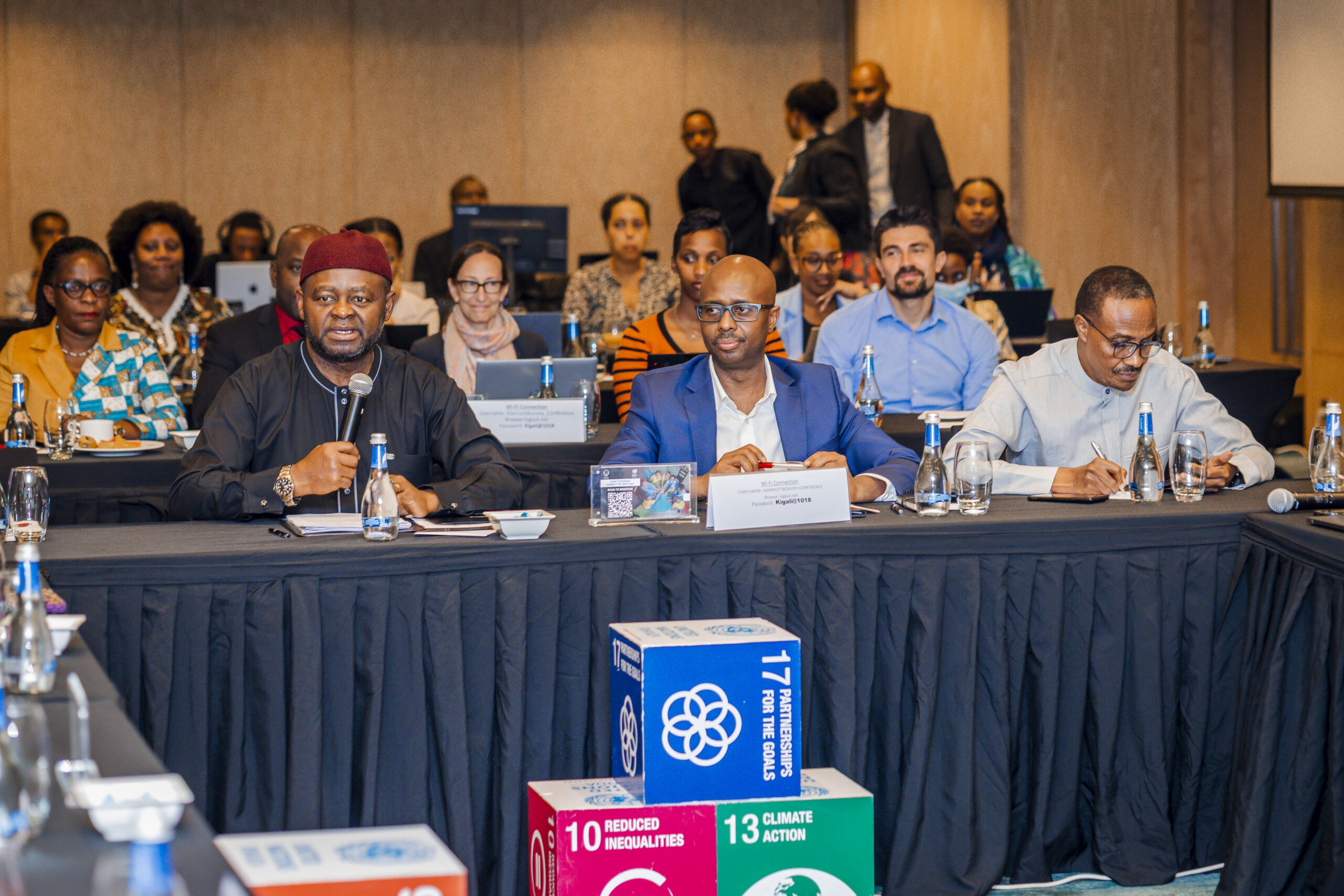
Currently, the UN’s contribution to the SDGs in Rwanda for 2025 has 81 programmatic interventions during the ongoing program cycle.
With the rapidly changing global economic outlook and dwindling donor fund sources (20-30% reduction) where Traditional grants are declining; private capital is rising, the UN says responding to a financing imperative is necessary.
In Rwanda, the One UN family plans to shift from funding to financing — aligning capital flows with policy ambition, building a platform where public finance, private capital, and philanthropy converge, and positioning Rwanda as a continental leader in SDG financing innovation.
The UN system is moving toward investment-driven partnerships, Joint Programs as bankable investment cases, Blended finance, impact bonds, guarantees, carbon credits, and having a Strong alignment with Rwanda’s Integrated National Financing Framework (INFF).
Partnerships matter more than ever – Government leadership, private sector innovation, philanthropic catalytic capital — all essential. This will see the UN act as a broker, integrator, and de-risking partner.
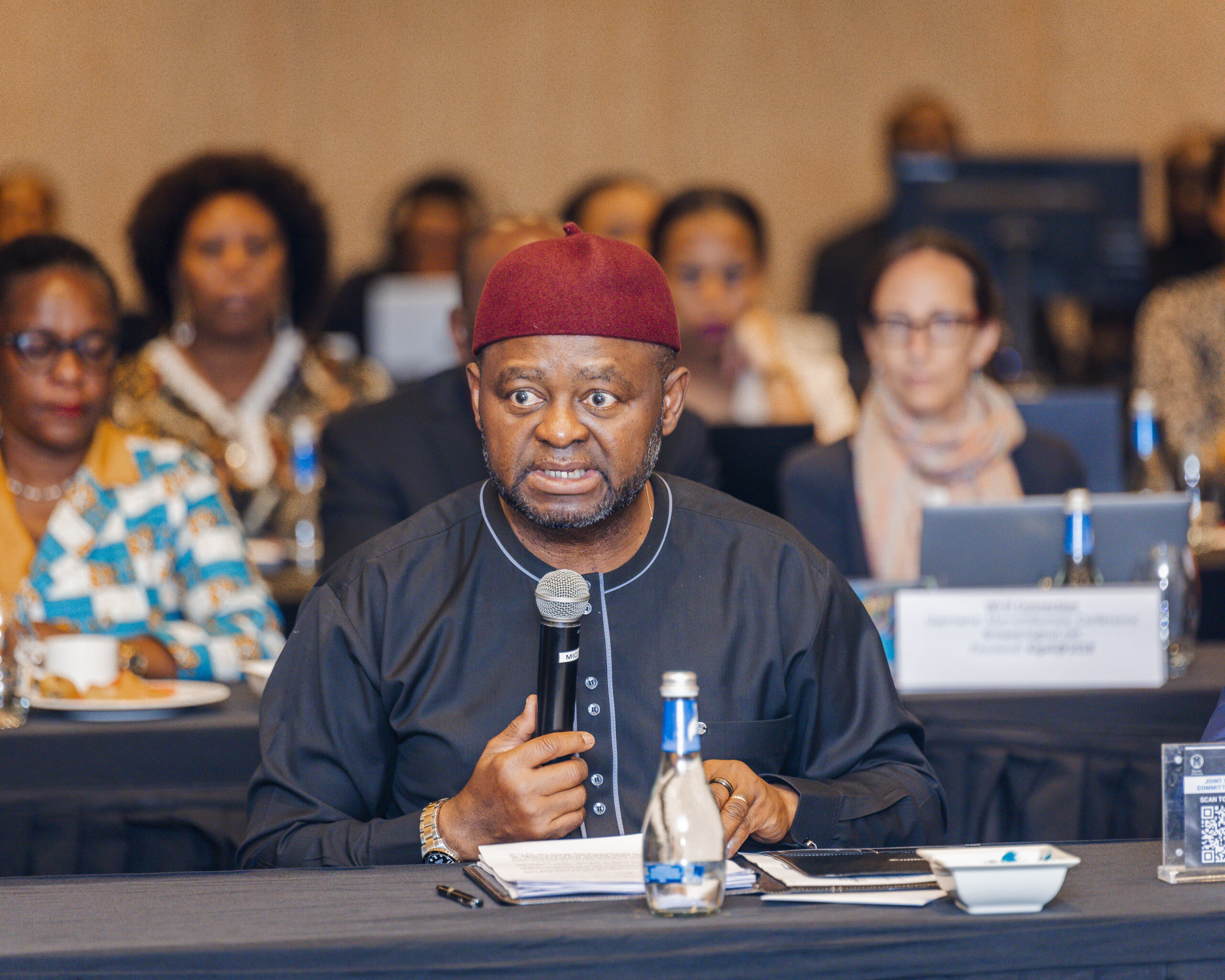
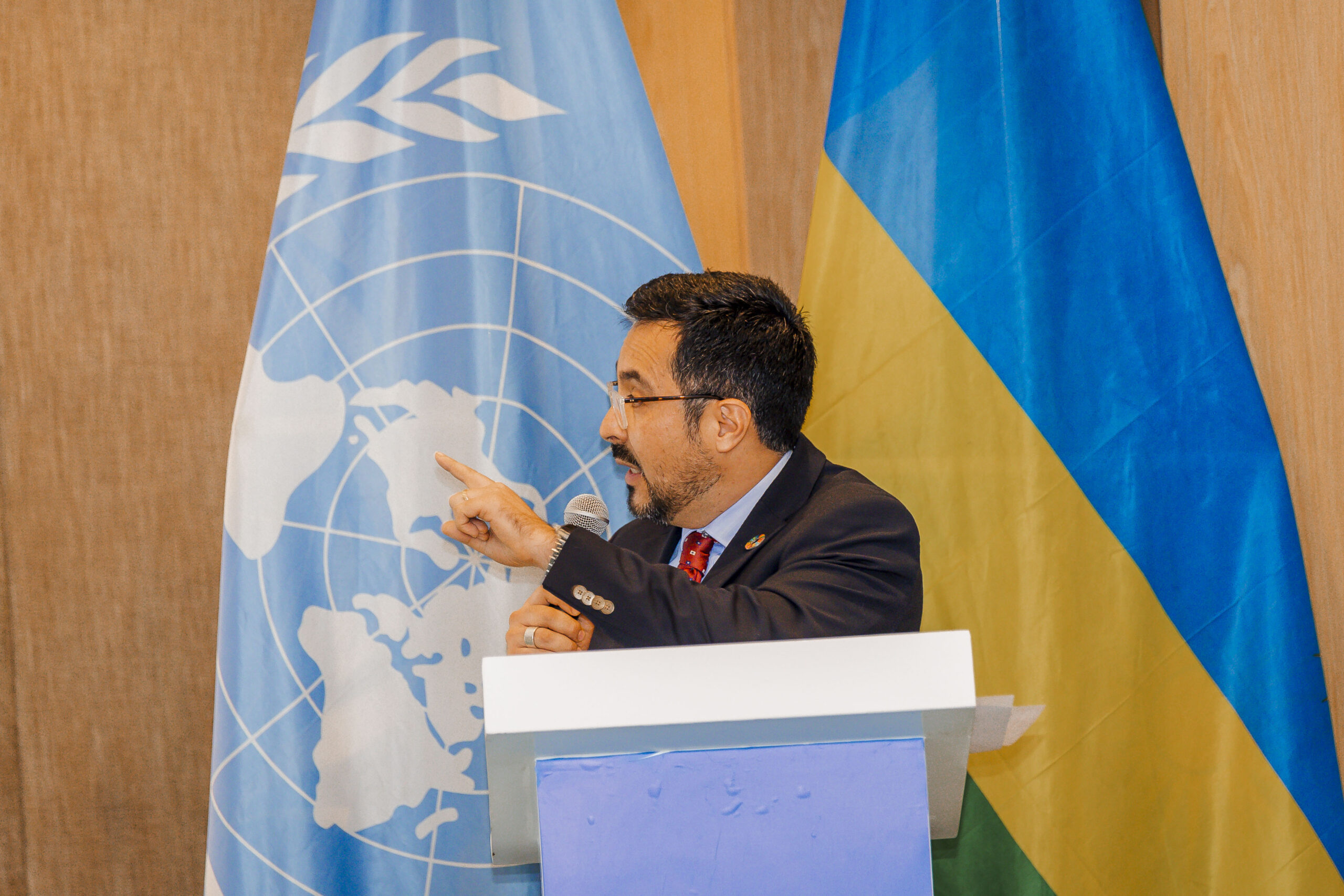
Ozonnia Ojielo said the One UN family will strongly back Rwanda towards vision 2035
UN Resident Coordinator in Rwanda, Ozonnia Ojielo, said that there is going to be a shift from fragmented projects to sustainable ones and that partners are interested in investing in Rwanda, and this new approach is the UN’s commitment to do things differently.
Ojielo said that Joint programs are a response to need, not funding, and noted that this is not about funding but seeing the UN drive financing into Rwanda’s economy.
“One of the areas to focus on is the Rwanda Demographic and Health Survey (DHS 7) to propel the development space in Rwanda. With a 20-30% global cutback in funding from development partners and Rwanda is not an exception, we as UN in Rwanda are committed to making sure Rwanda remains supported,” Ojielo said.
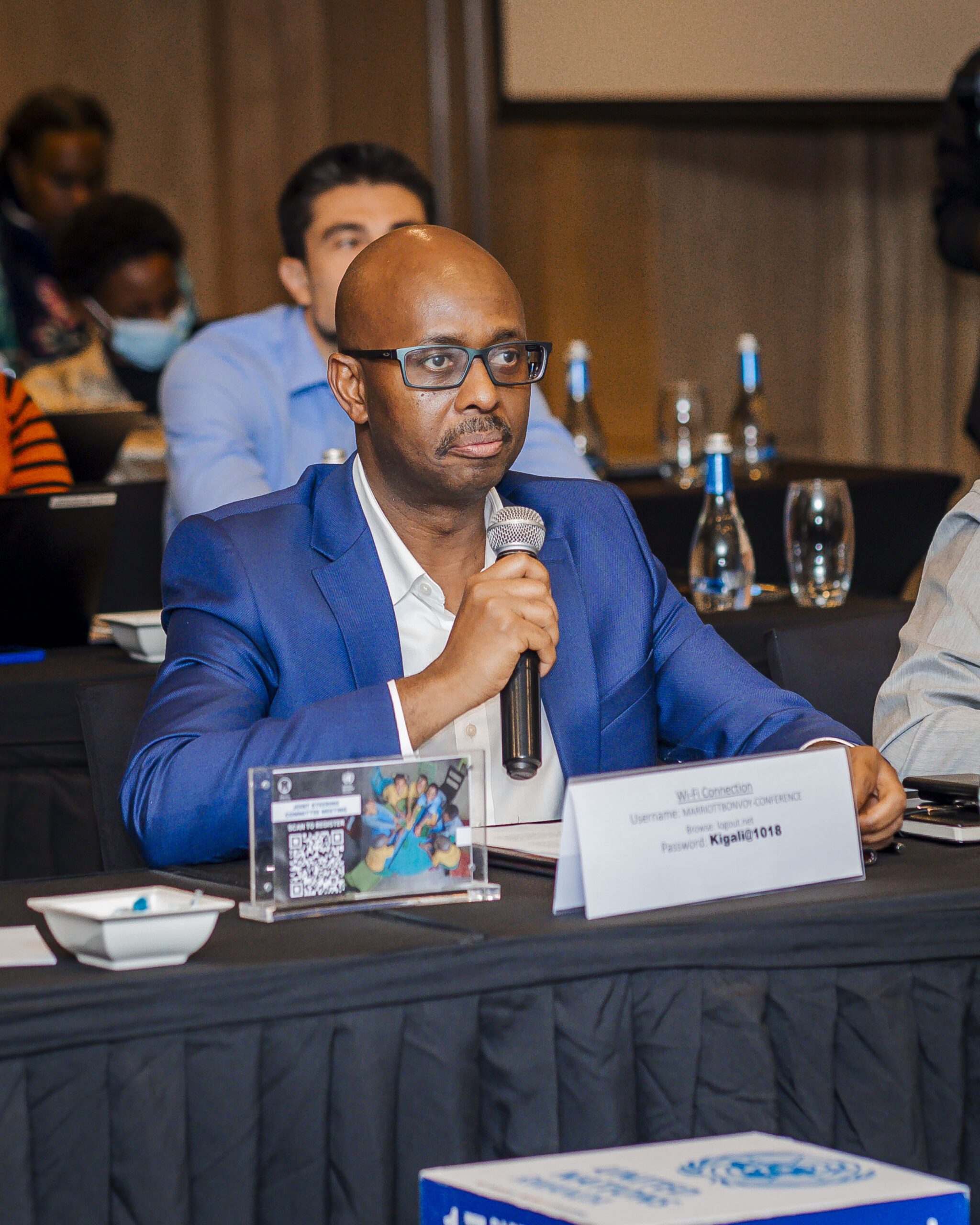
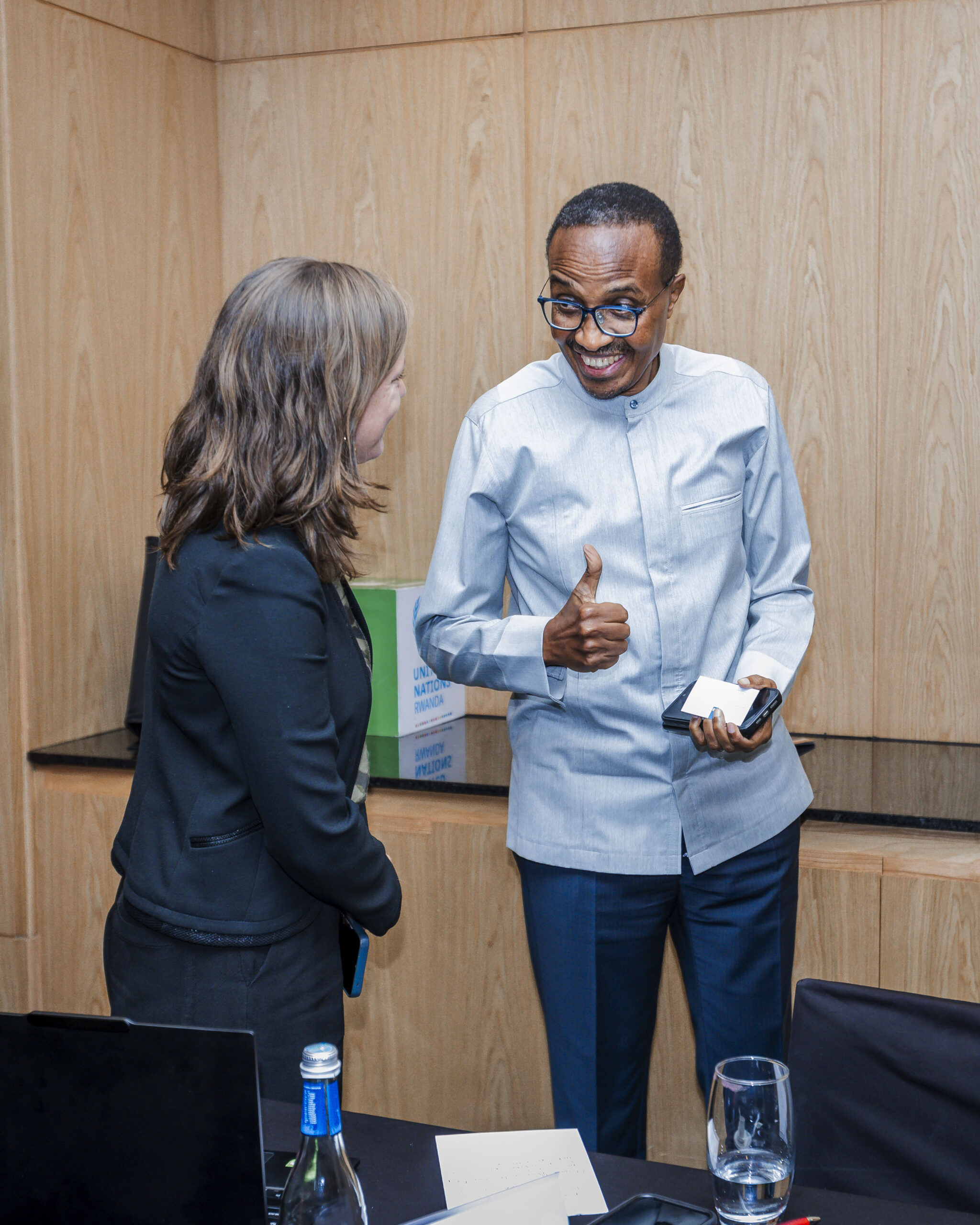
Yusuf Murangwa
The Minister of Finance and Economic Planning (MINECOFIN) of Rwanda, Yusuf Murangwa, told partners that Rwanda wants support to attain zero hunger, and this can be through strengthening food systems because the country is struggling with irrigation, post-harvest.
“If you know, come and tell us the reality and how it is done, for example, on irrigation – give us the numbers. We need a knowledgeable well-bank to allow us to unlock the potential we have.
Considering the shift to clean, sustainable, and green growth trends and comparing economic outlook data from the 3rd quarter of 2025 where agriculture was 10%, food 4%, and increasing population (2 million per year), Murangwa said that the 4% is a deficit and one which can continue if not tackled.
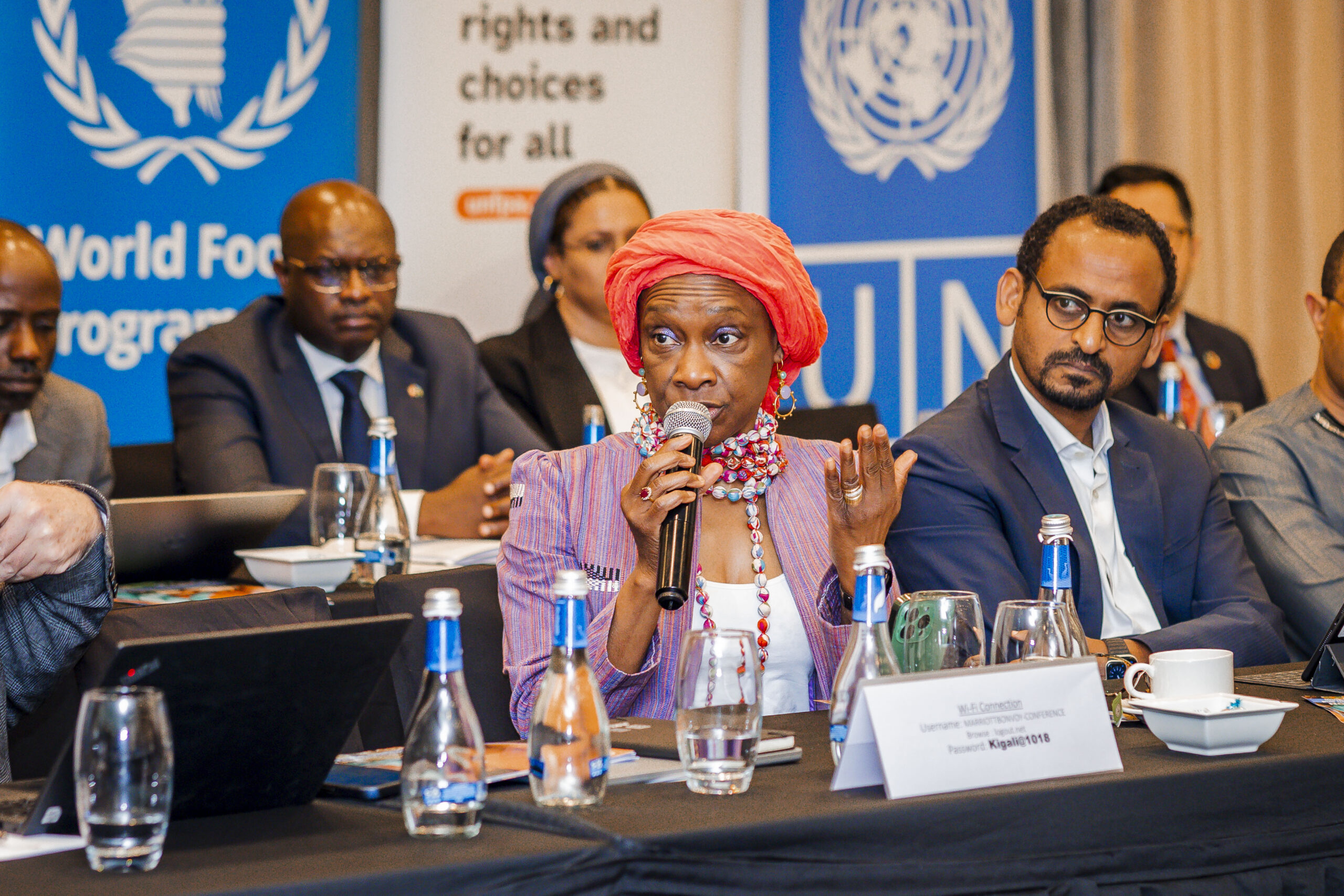
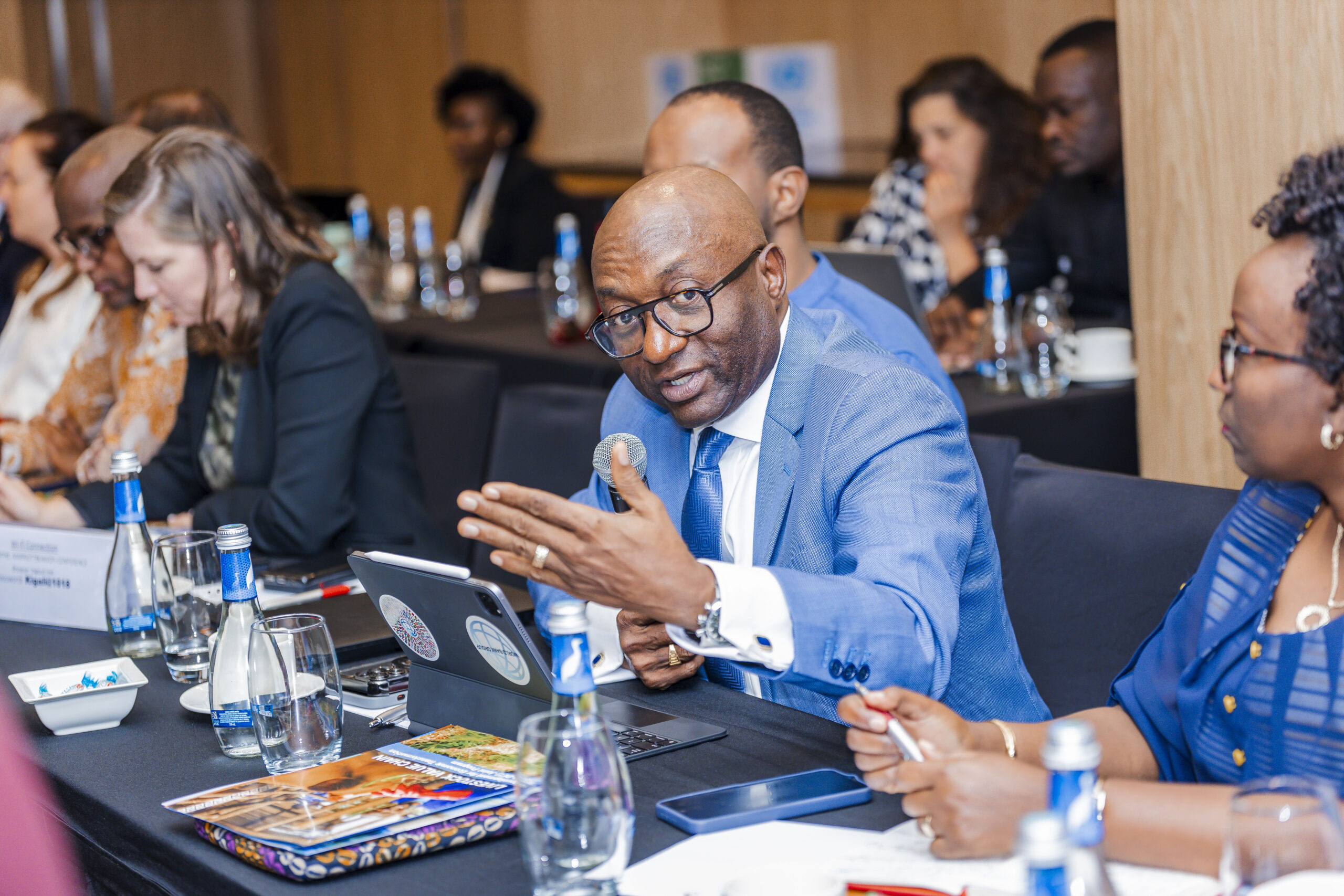
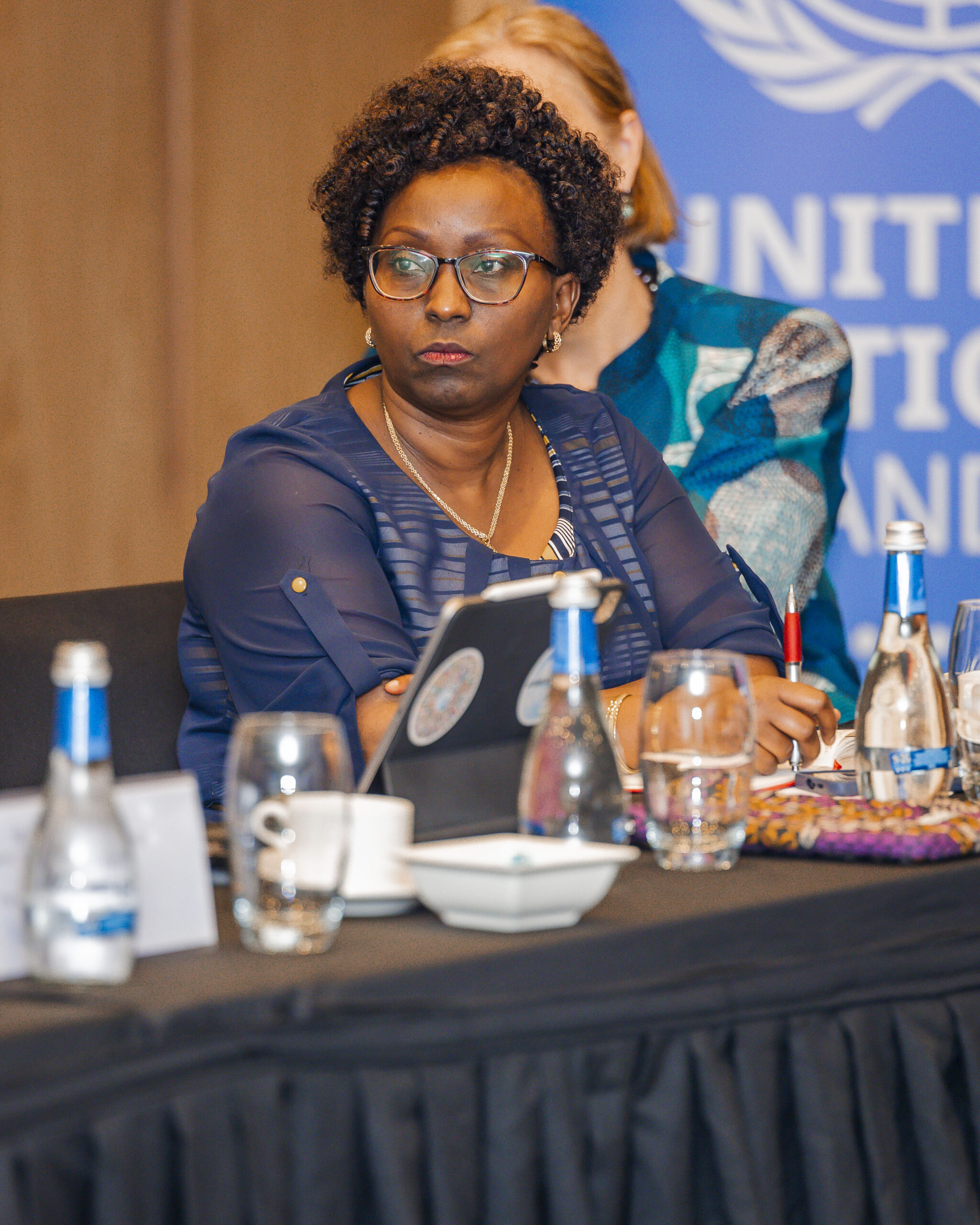
Aïssa Touré Sarr, (middle)
The African Development Bank (AfDB) in Rwanda, Country Manager, Aïssa Touré Sarr, said the country has good economic policies, but poverty reduction remains a concern and called for the involvement of the private sector so that as a bank, they can come in to scale.
Aïssa noted that there is no need for doing interventions in silos, and by the next year Q1, as partners, they need to come up with a joint collaboration plan to deliver on the NST2.
IFAD Rwanda representative said there is a need to design and build resilient programs – for example, irrigation schemes that are sustainable – to ensure they are the right crops, engaging the community and private sector to meet the ambitions of NST2.
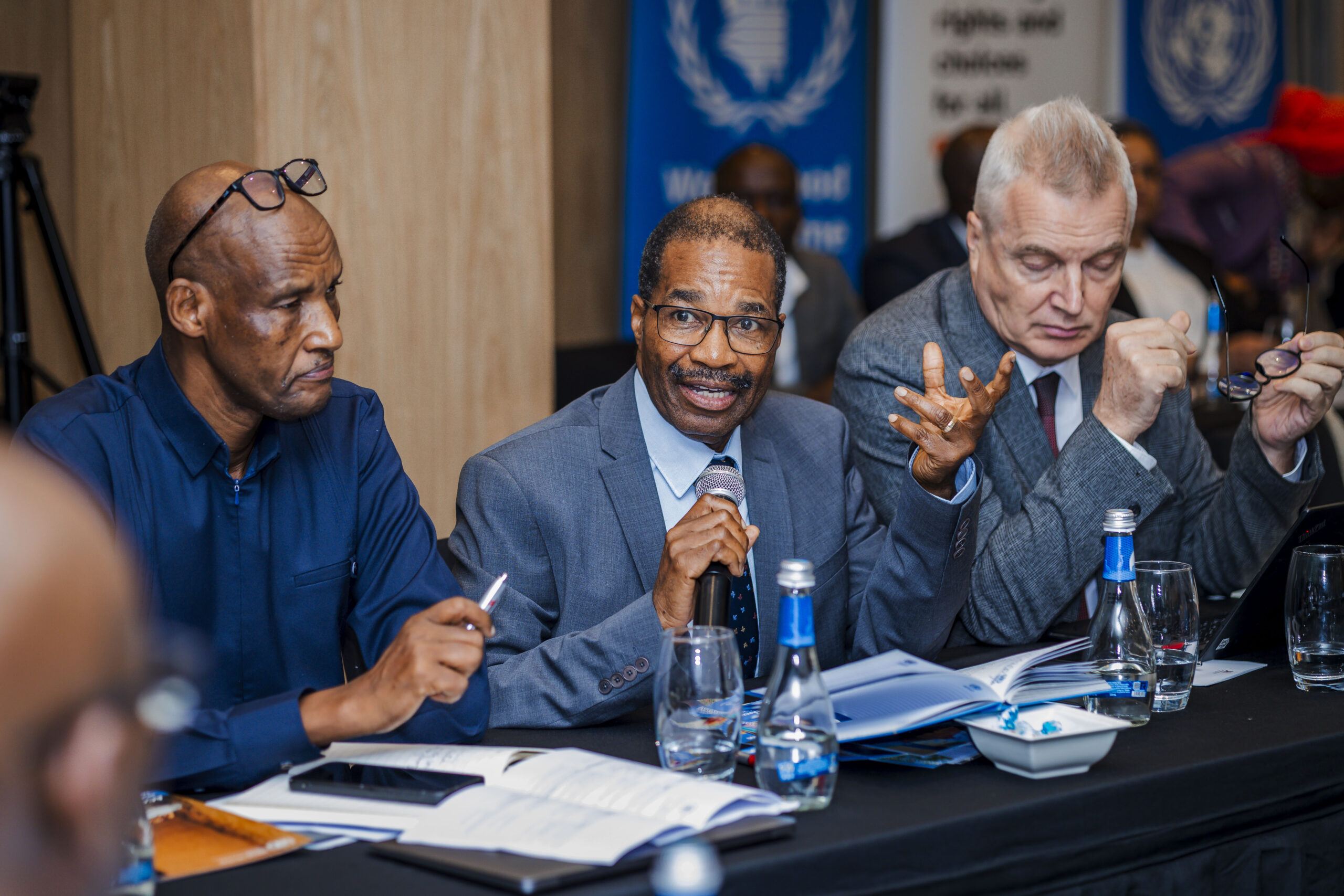
Dr. Brian Chirombo said the UN agencies can do joint programmes to address existing challenges
World Health Organization (WHO) Representative to Rwanda, Dr. Brian Chirombo, said with the current areas of intervention and the new data from the DHS7, there will be a need to work on additional flagship programs to address the existing challenges that we know, especially in health.