



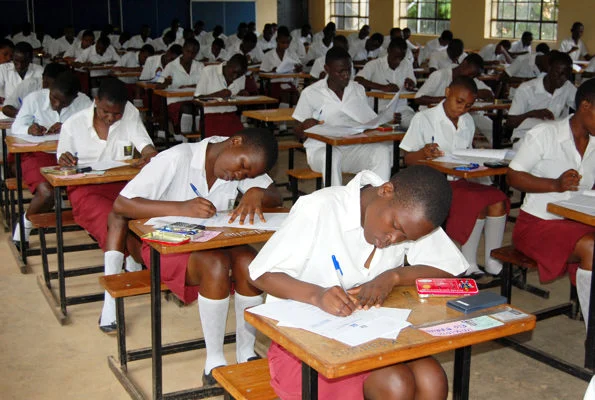
After the 1994 genocide against the Tutsi, Rwanda’s education system was in crisis. Schools lay in ruins, many teachers were gone—killed or forced to flee—and literacy levels were low. Rebuilding education became central to the country’s national recovery.
In the decades that followed, Rwanda systematically expanded access to schooling. Adult literacy—defined as the share of people aged 15 and above who can read and write—grew significantly, rising from just 38 percent in 1978 to 58 percent in 1991, and then to over 78 percent by the 2020s as more children remained in school through adolescence.
Universal Primary Education Takes Root
One of the first major milestones was expanding access to primary education.
Enrolment soared as Rwanda achieved near-universal primary enrolment, with gross enrolment exceeding 150 percent in recent years. This figure reflects children of all ages enrolled, including those older or younger than the official primary-school age.
Net attendance—the share of primary-age children actually attending school—climbed from below 88 percent in earlier surveys to around 93 percent by 2023/24.
Today, almost every child of primary-school age is in school. Girls and boys attend at nearly equal rates, and in some areas, girls slightly outpace boys in primary attendance.
Secondary and Beyond: Steady Progress:
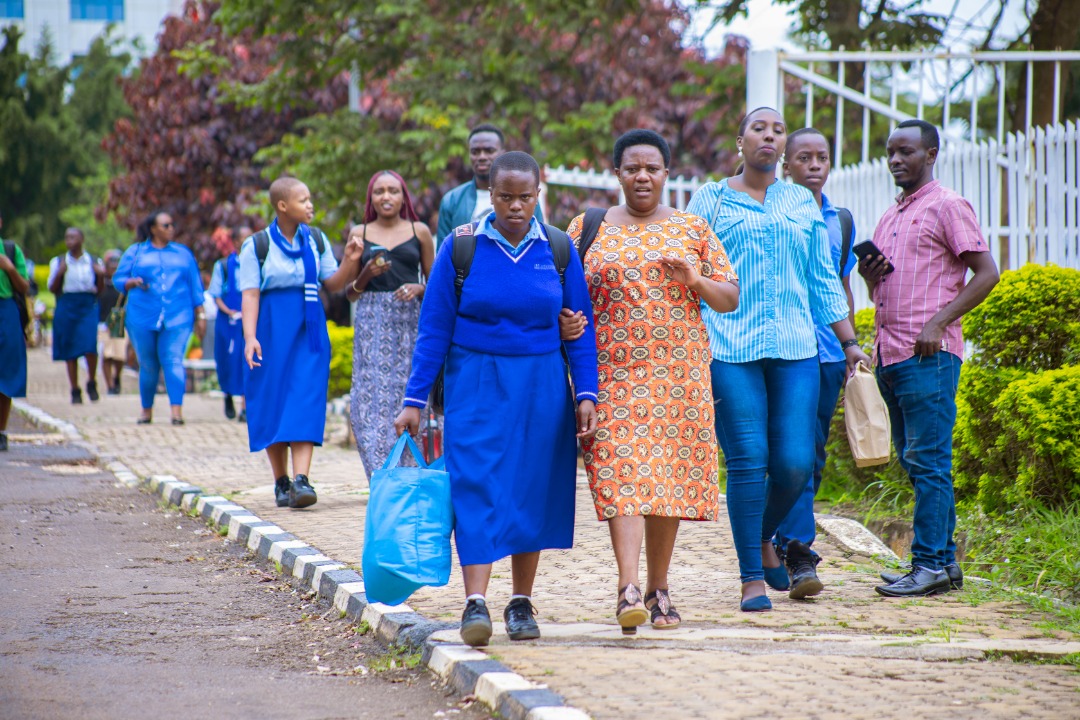
Parents escort their children to ULK to board buses heading to school
Rwanda did not stop at primary education. The government progressively expanded free basic education.
Nine years of free education, covering primary and lower secondary, became official policy, followed later by the introduction of twelve years of free education, including upper secondary.
Secondary attendance has grown, although it remains lower than at the primary level, with net attendance rates at around 33–34 percent. At this level, girls often enrol at higher rates than boys.
Even as access to secondary education expands, completion remains a challenge, with fewer students progressing from junior to senior secondary.
Adults and Literacy Today
Rwanda’s literacy story shows dramatic change across generations. Among adults aged 15 and above, about 76 percent can read and write. For youth aged 15–24, literacy levels are even higher—around 88 to 91 percent—with young women slightly surpassing young men.
This shift illustrates that education gains are increasingly being passed on to the next generation.
Learning the Whole Year Round:
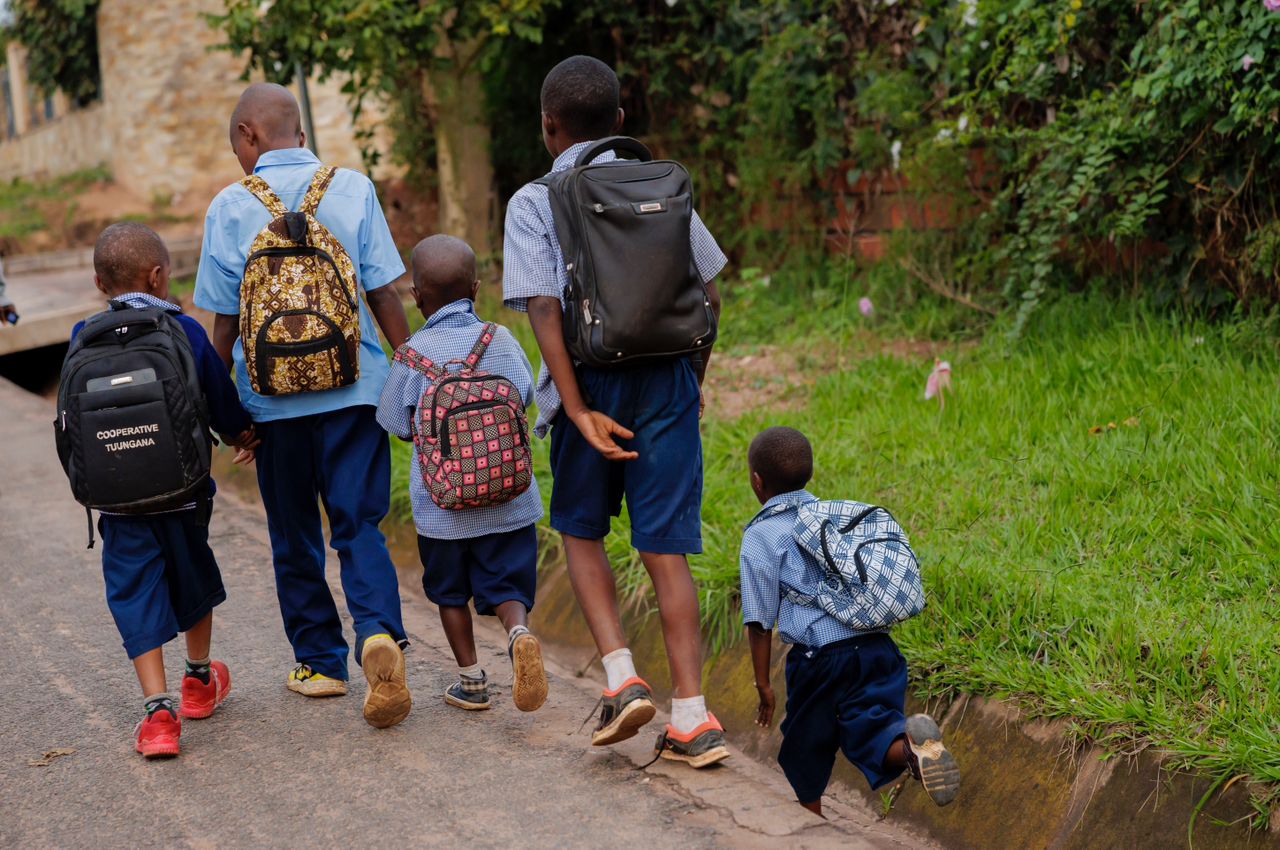
According to current ministry figures, 35 percent of all Rwandans are enrolled in school at various levels, including pre-primary, primary, and secondary education.
This translates to more than 4.7 million learners nationwide. The goal is to raise this figure to 65 percent by 2029, reflecting plans to place even more citizens on structured learning pathways.
These gains reflect strong policy choices, massive investments in schools and teachers, and a national commitment to investing in human capital as the foundation of Rwanda’s Vision 2040 and Vision 2050 aspirations.
Rwanda’s education journey is a story of transformation—from crisis to near-universal primary education, from low literacy to strong youth literacy, and from limited access to growing secondary and tertiary opportunities.
Yet challenges remain, particularly in keeping students in school through advanced levels and improving learning quality. Still, the progress made is remarkable for a nation rebuilding from conflict and striving toward a knowledge-based future.
President Paul Kagame has emphasized that while access to education for children has improved, acquiring quality skills is essential for competitiveness in the international labour market, where Rwanda is heading.
The Head of State made these remarks during the opening day of the 17th National Umushyikirano Council, which kicked off on Thursday, the 19th.
“It is good for every child to access education, but acquiring quality education is important. To improve this quality, we all need to contribute towards it. This is not the role of the Ministry of Education only,” he said.
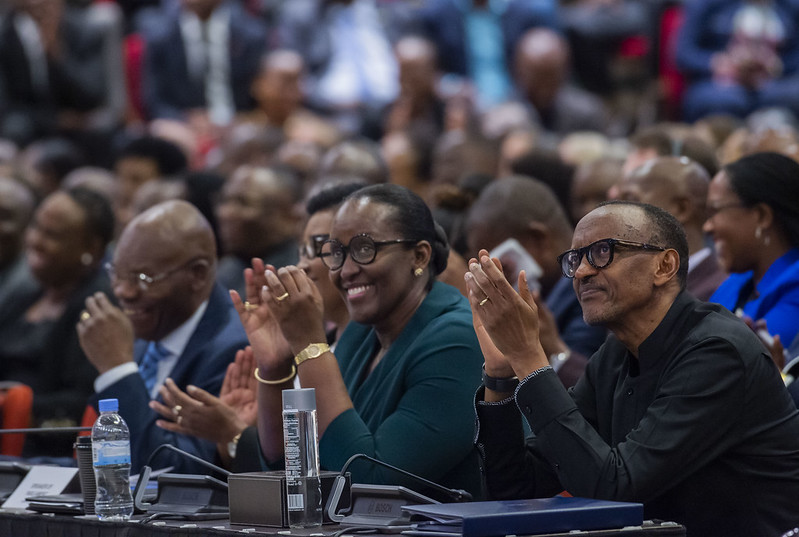
The National Umushyikirano Council is an annual forum that reviews achievements made over the course of the year and sets national goals under Vision 2020. More importantly, it helps set the pace for the broader and more comprehensive Vision 2050.
“We are heading towards a future of global competition; our children should be able to compete in the international labour market,”
“Improving education is therefore a responsibility for us all. The country is moving toward a future that requires urgent skills, especially in Information Technology,” the President added.
The President’s remarks came as Rwanda continues to pursue key goals aimed at transitioning the country toward a knowledge-based economy.
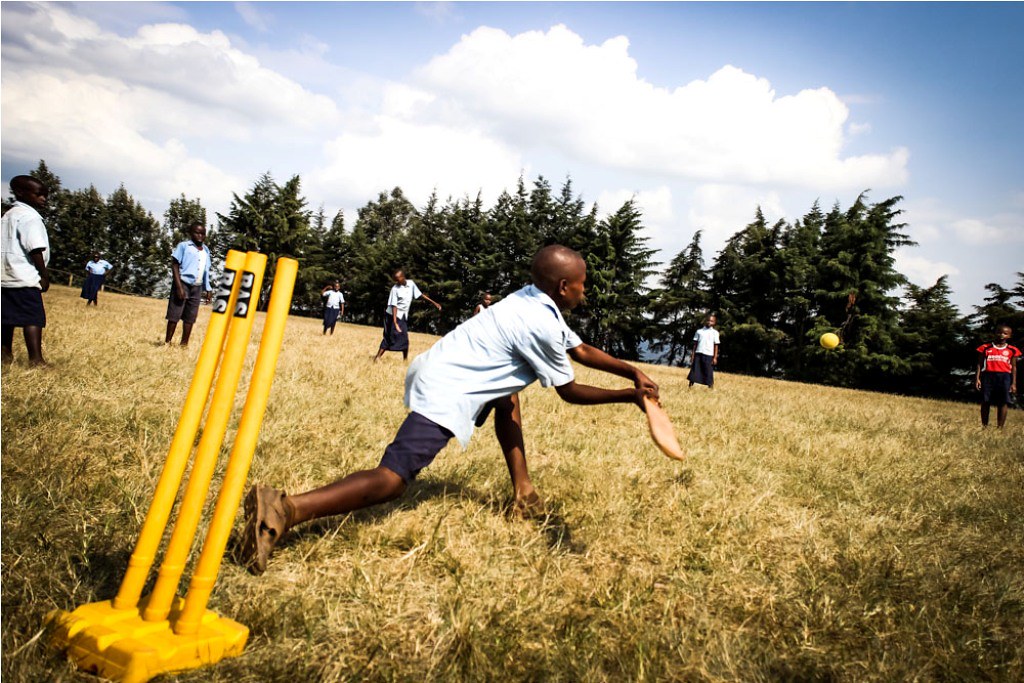
This is at Kinihira Primary School in Ruhango district where kids are trying out cricket. While the classroom study time has been reduced, the learners will spend the rest of their time in extra curricular activities like sports or drama, or singing, according to the Education Ministry. (Photo by Mugisha Don de Dieu/Flickr)
