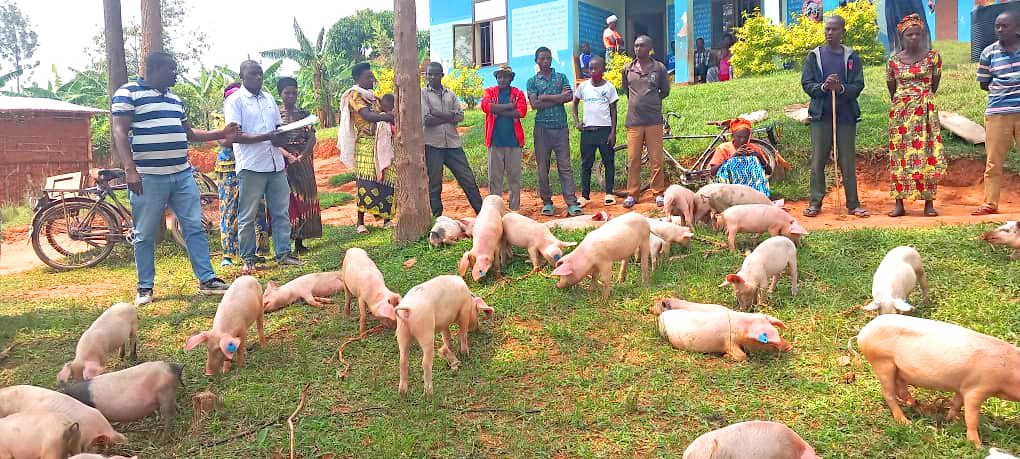



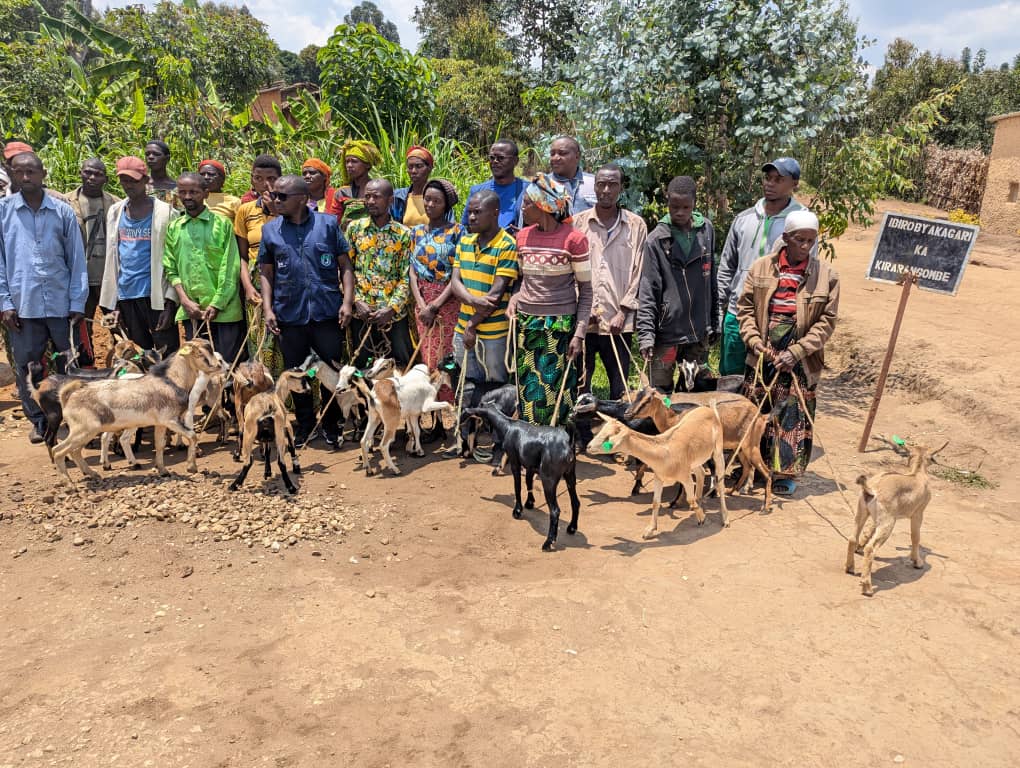
For thousands of rural farmers, a single chicken, goat or pig received through the Passing on the Gifts (PoG) approach has become the starting point of improved nutrition, steady income and renewed hope.
What began as a simple act of sharing livestock offspring among neighbours has grown into one of the most impactful outcomes of the $45 million Partnership for Resilient and Inclusive Small Livestock Markets (PRISM) project.
Across 15 districts, farmers who initially received livestock passed on the first offspring to other community members, allowing benefits to spread far beyond direct project beneficiaries.
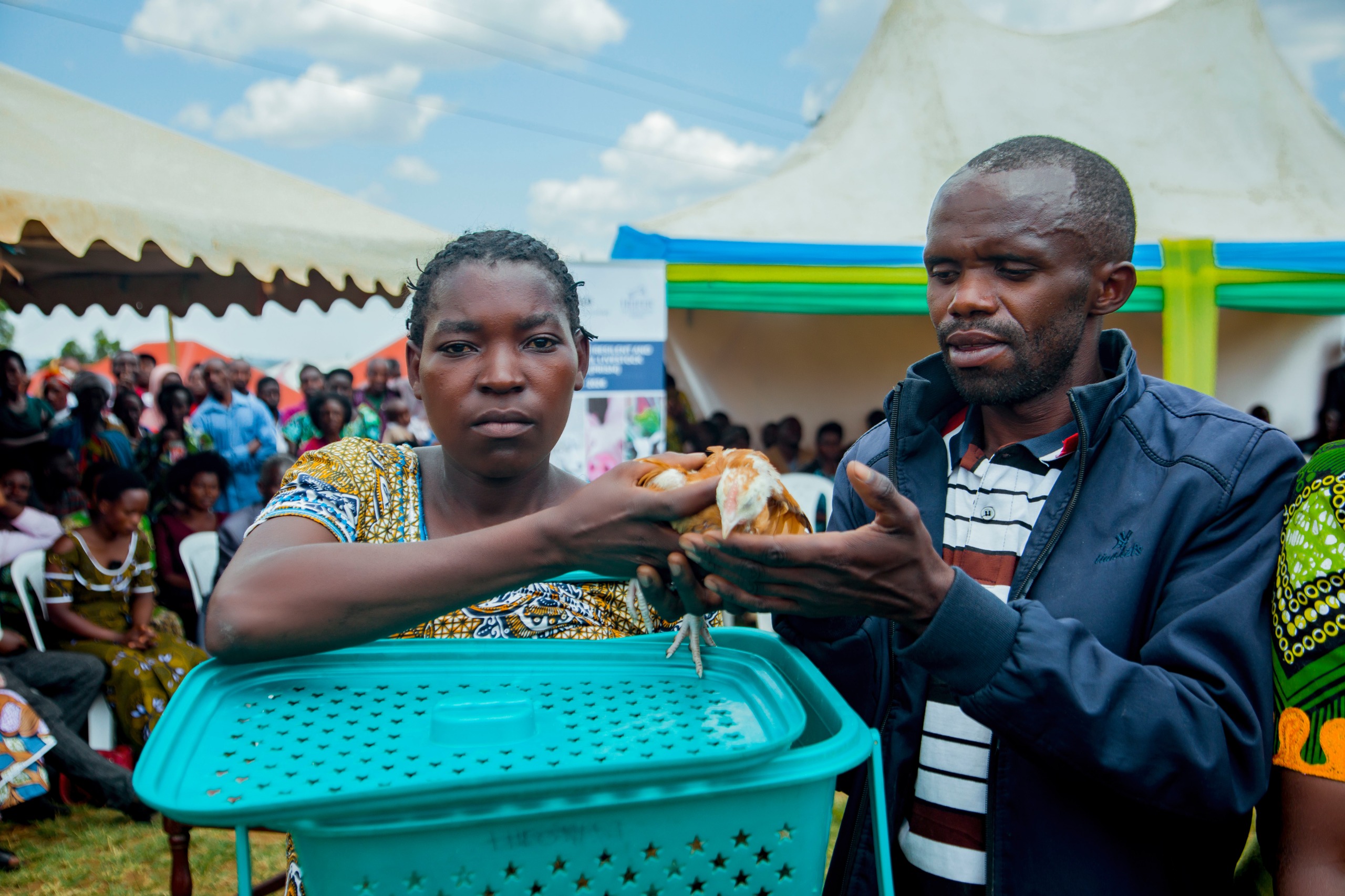
This culturally rooted practice—unplanned at the project’s inception—has significantly multiplied PRISM’s reach, proving that community solidarity can accelerate poverty reduction.
Implemented between March 2021 and September 2026, PRISM targeted districts with high poverty levels and has so far achieved 98 percent of its planned physical outputs, according to Project Manager Joseph Nshokeyinka.
He said the success of PoG demonstrates how development interventions can transition from donor-driven models to locally owned and sustained systems.
The project was designed to reduce poverty by empowering poor rural men, women and youth to participate in transforming Rwanda’s livestock sub-sector and strengthening household resilience.
Initially, PRISM targeted 26,355 households, including 23,400 poor rural households in Ubudehe Categories 1 and 2, 1,530 youth, and 1,425 farmers under productive alliances.
While direct support focused on providing chickens and pigs, communities extended the impact through PoG. Under PRISM, 67,500 chickens were distributed to 6,750 households, and 3,077 pigs to 3,077 households.
As livestock reproduced, farmers voluntarily shared offspring with neighbours.
Through PoG, the project targeted the sharing of 270,000 chickens, with 149,890 chickens already passed on to 14,805 rural households. Out of a target of 12,000 pigs, 6,265 pigs have been shared with 3,133 households.
The sharing culture also expanded to other livestock. A total of 13,163 goats and 10,125 sheep were procured. Through PoG, 15,850 goats reached 7,925 households, including 1,386 goats shared through gifting, while 4,218 sheep were distributed to 2,109 households, with 362 sheep passed on to other families.
Overall, PRISM trained 33,319 farmers in small livestock management and supported livestock housing construction, achieving 100% coverage for poultry, 102.5% for piggery, and 129% for goat and sheep shelters—strengthening sustainability of the PoG model.
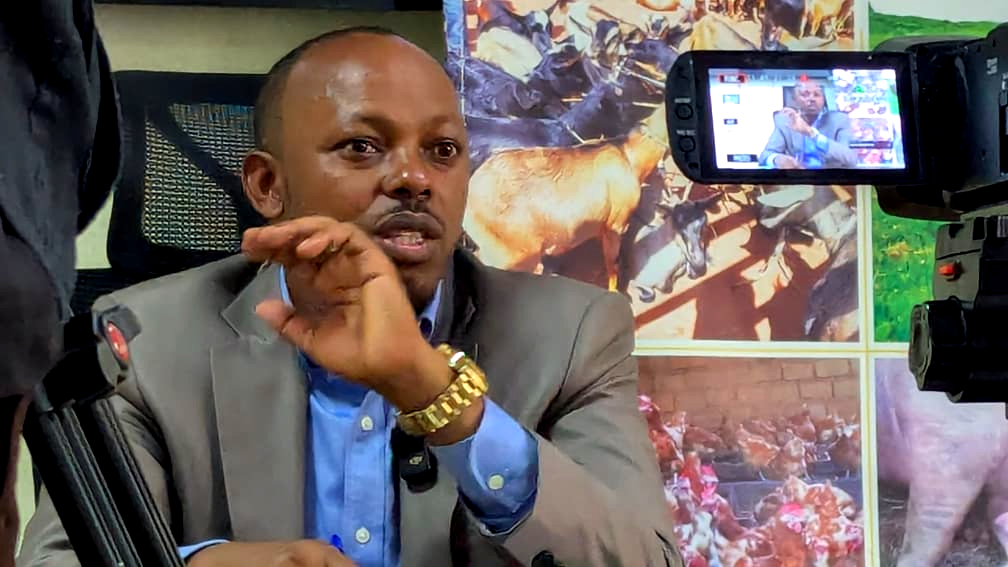
“This is a sustainable model we did not anticipate during project implementation, but one that can be replicated and scaled,” Nshokeyinka said while briefing local media.
He emphasized that strong local authority involvement and coordination are critical to sustaining PoG, ensuring clarity, ownership and continuity beyond project closure.
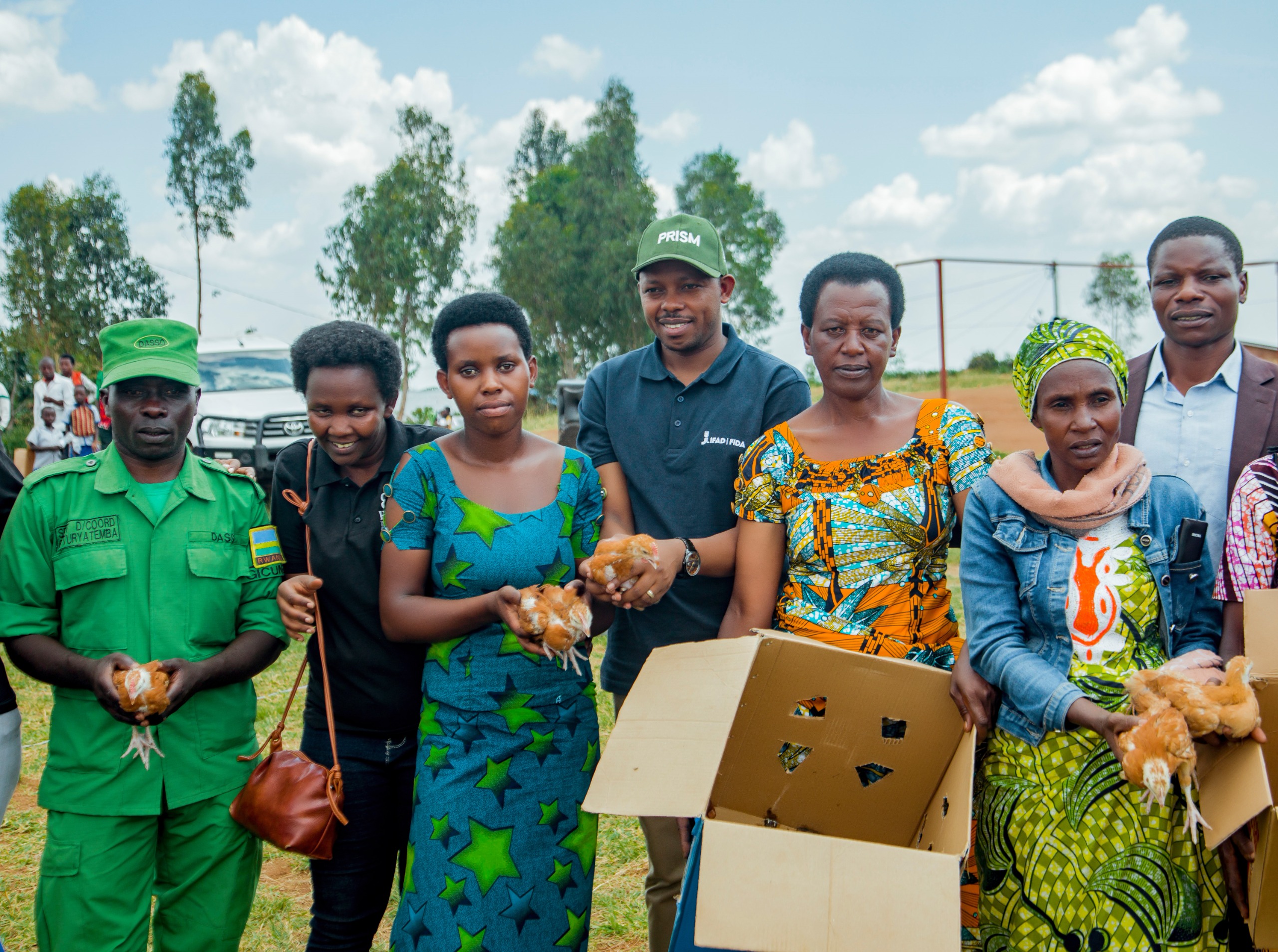
The increased livestock ownership has delivered tangible results for farmers, including improved household nutrition, diversified income sources and the growth of family enterprises.
Through Self-Help Groups, beneficiaries have established animal feed and egg shops, tailoring businesses, restaurants, foodstuff enterprises, and other income-generating activities.
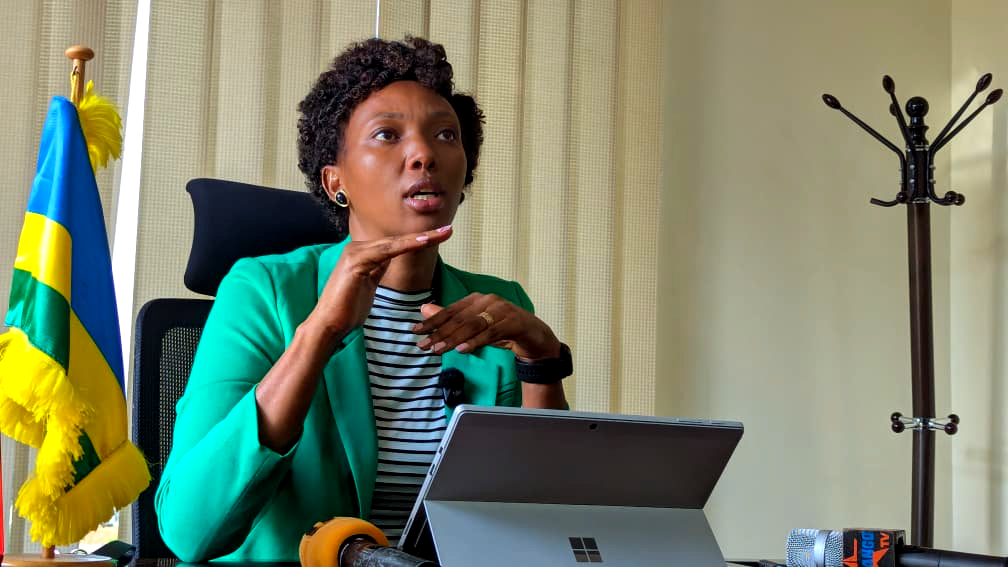
Parfaite Uwera, Vice Mayor of Gicumbi District, said the project’s spillover lessons have shaped local sustainability strategies, particularly in reducing poverty and malnutrition.
She noted that improved livestock ownership has strengthened household diets, contributing to a reduction in stunting among children under five to 38.8% in the district, alongside a 13.3% drop in household poverty in 2024.
Way Forward
As PRISM comes to an end later this year, officials say the success of the Passing on the Gifts approach will be expanded under a new three-year project, with $25 million currently being mobilized to extend the model to more districts.