




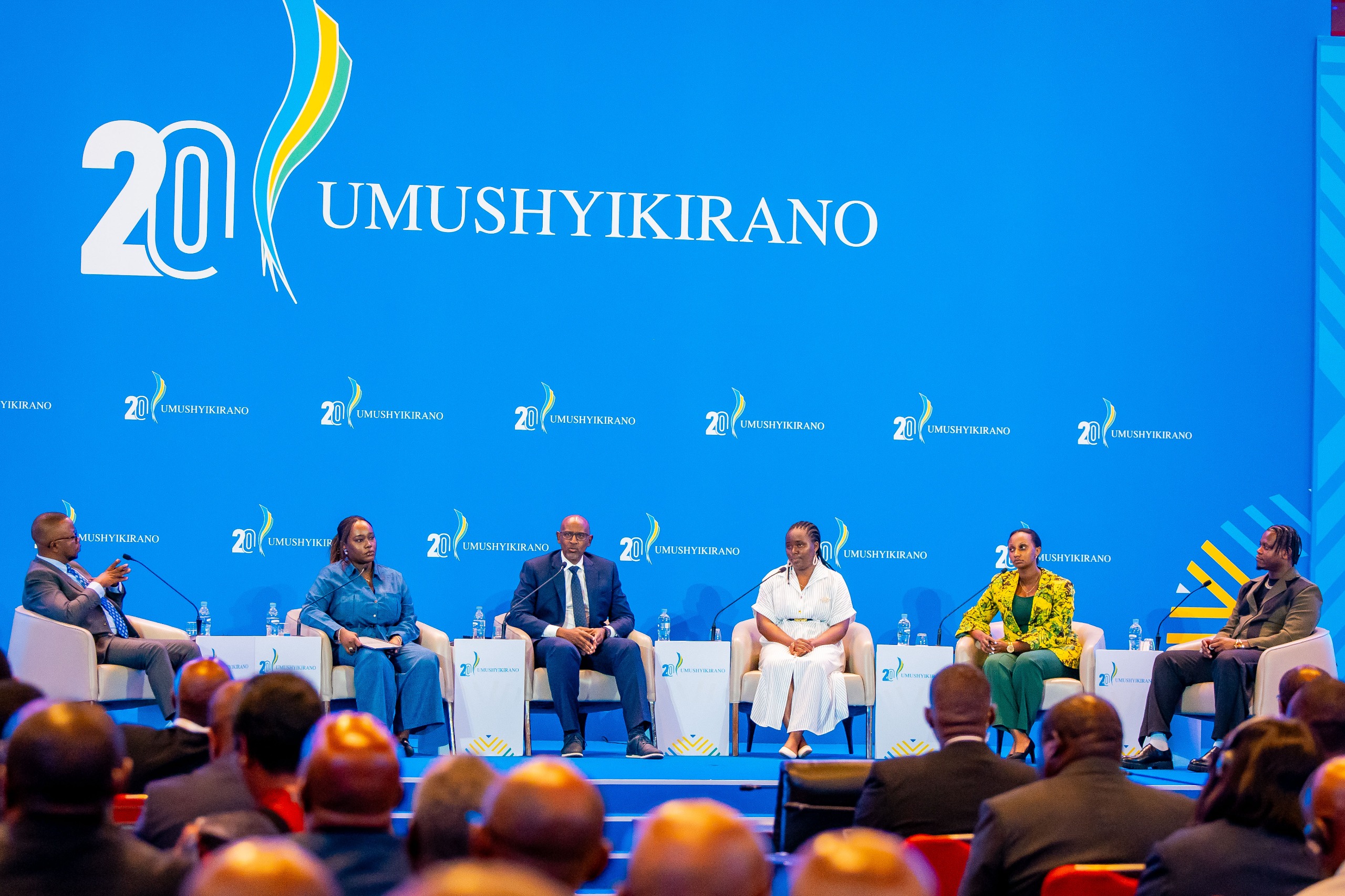
At the 20th edition of Rwanda’s National Umushyikirano Council, the spotlight turned to the country’s creative sector, as comedians, musicians, and other content creators raised concerns about earning a sustainable income online.
Renowned artists around the world can earn substantial incomes from online platforms.
Top YouTube musicians, for example, can make anywhere from $3,000 to over $100,000 per million views, depending on ad revenue rates and audience location.
Streaming services like Spotify and Apple Music pay artists per stream, with major acts earning tens of thousands of dollars each month from millions of plays.
Many Rwandan creatives, however, struggle to earn anything comparable due to low local ad revenue and limited monetization opportunities.
Amid applause and attention from policymakers, Rwandan creatives urged the government and private sector to take concrete steps to ensure talent is not only recognized but adequately compensated.
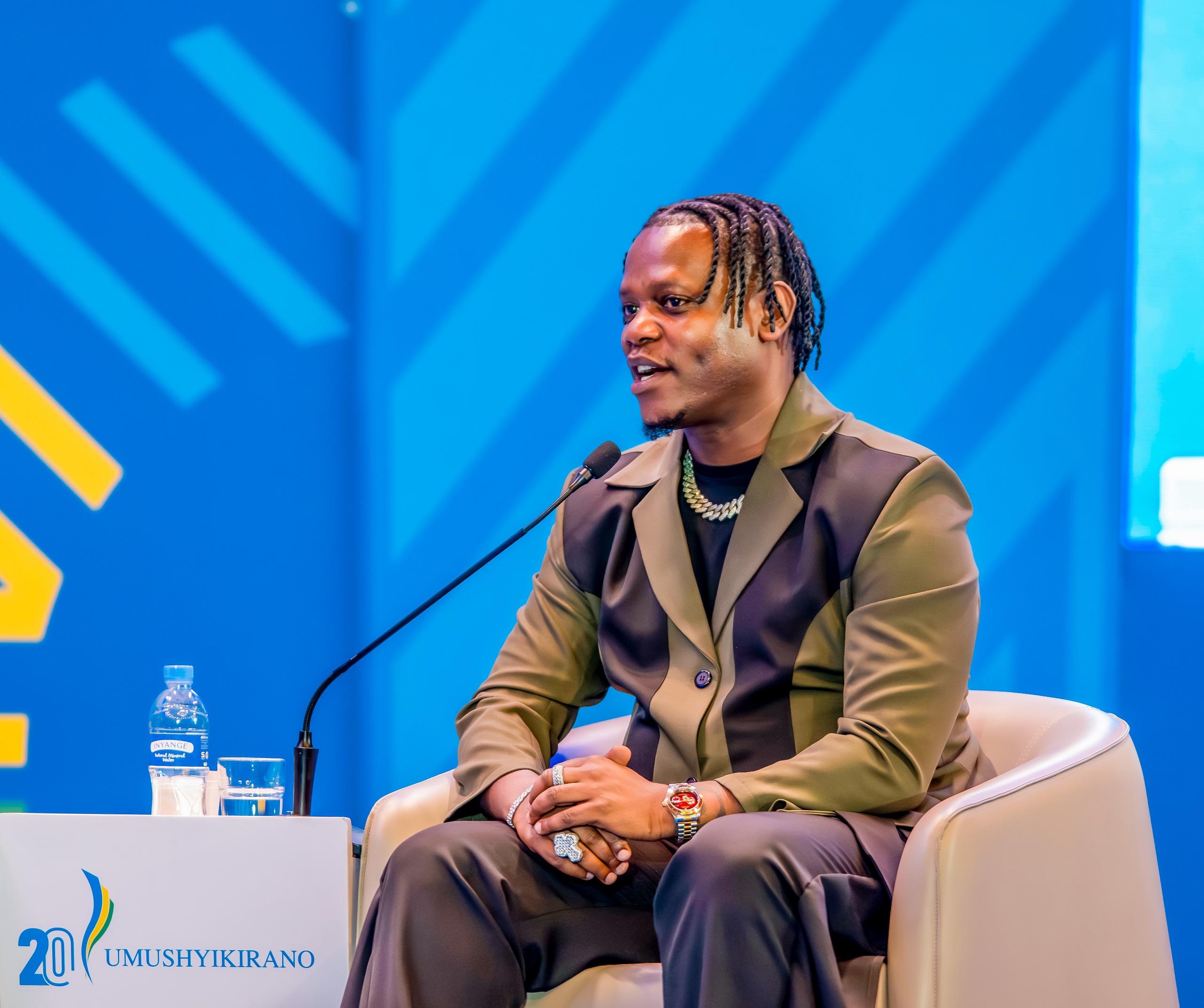
Bruce Melody
Bruce Itahiwacu, popularly known as Bruce Melody, pointed out that platforms such as YouTube and other digital channels often fail to fairly remunerate Rwandan creatives, unlike in other countries where online content generates substantial income.
ICT Minister Paula Ingabire explained the structural challenges behind this issue, citing three key factors that influence monetization: protective national policies, the volume of advertising revenue in a country, and the availability of secure payment channels.
“While Rwanda has copyright laws and reliable payment methods, advertising revenue remains limited,” the minister said, adding that encouraging local businesses to advertise more actively online is critical to expanding monetization opportunities for creatives.
Comedian Emmy Fally Merci Nsengiyumva highlighted the struggles of emerging artists, many of whom lack early support.
“We appeal to the government to back these talents because, like every other citizen, we contribute to the economy through taxes,” he said.
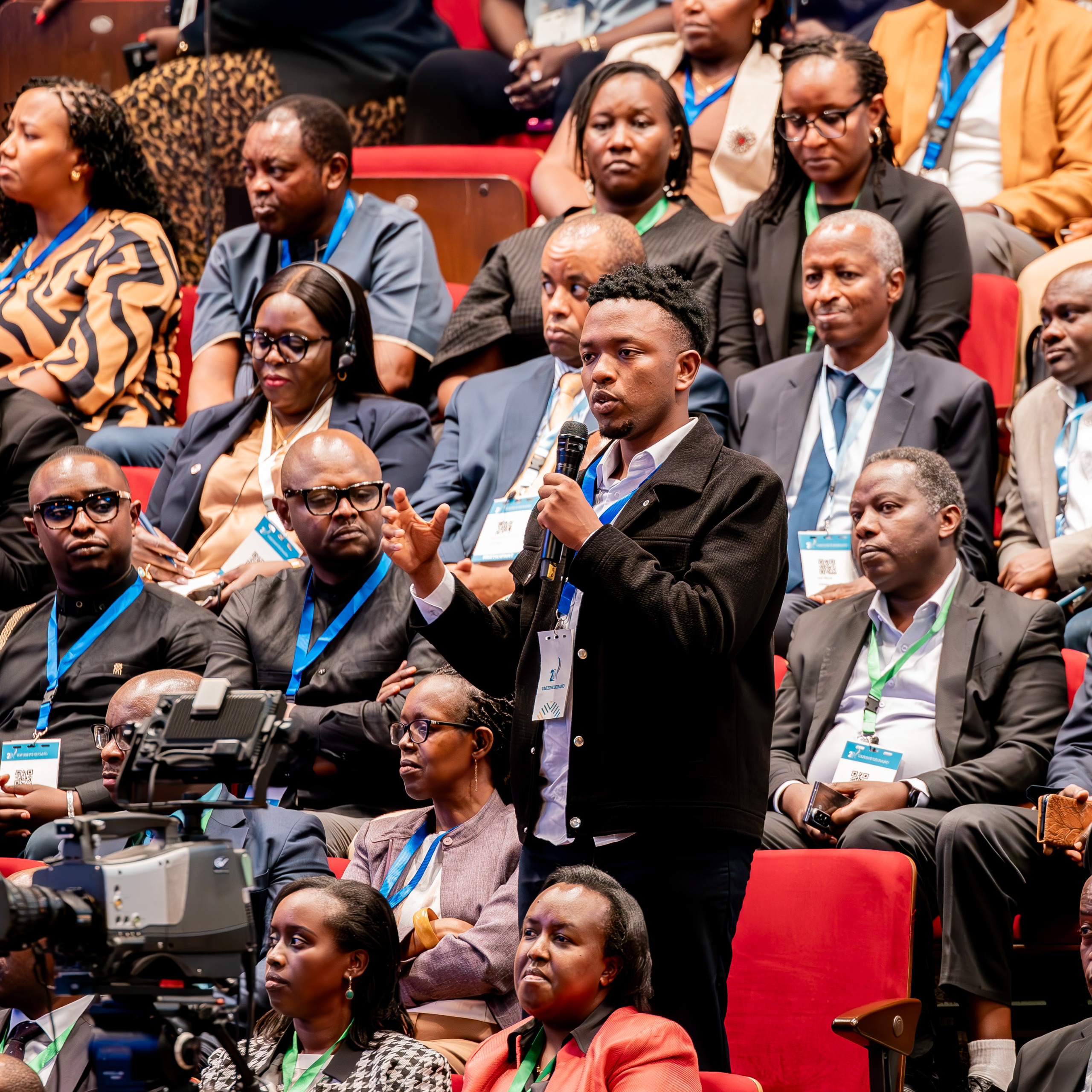
Emmy Fally Merci Nsengiyumva
The call for support extends beyond entertainers.
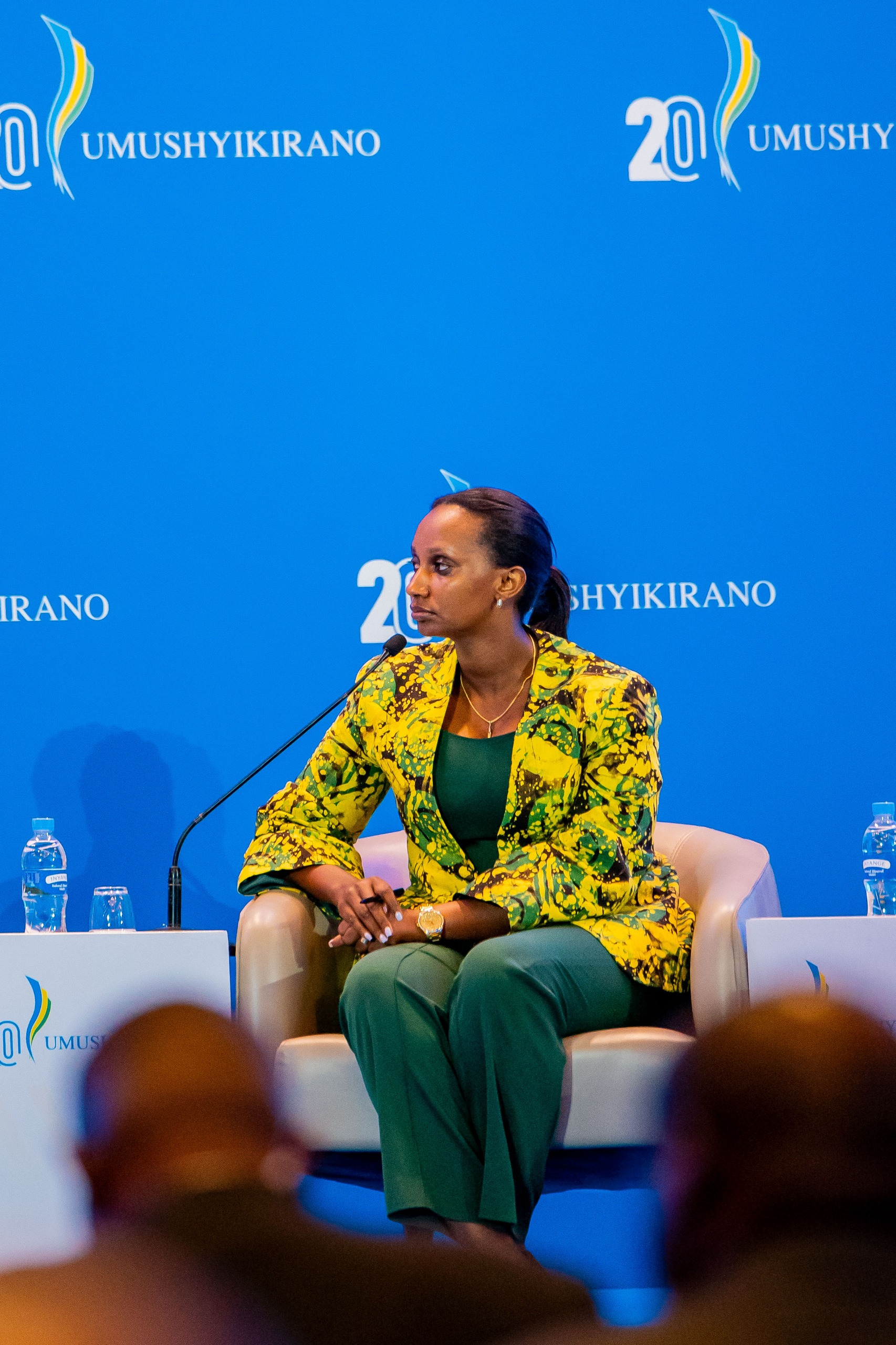
Scovia Mutesi
Scovia Mutesi, a journalist and founder of the online TV platform Mama Rwagasabo, told Umushyikirano that many media practitioners struggle to make a living, with some leaving the profession entirely.
“We request that the government allocate funds to media outlets for the work we do in informing citizens about government programs,” she said, drawing parallels between journalism and creative arts in the fight for sustainable income.
In response, discussions at Umushyikirano included proposals to involve creatives in national promotional campaigns, such as Visit Rwanda, offering both visibility and revenue potential. The dialogue highlighted a growing recognition that nurturing Rwanda’s creative and media sectors is not just a cultural priority but also a key driver of economic growth in the digital era.
