



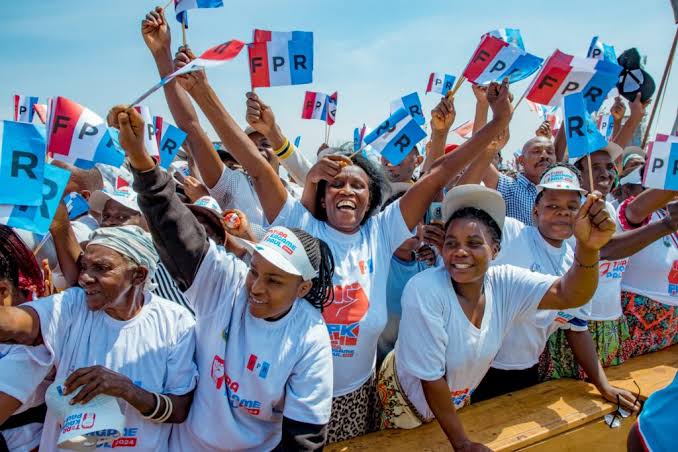
A Senate session heard yesterday that the country’s electoral process is so distinctive it deserves global recognition — even proposing that it be documented as part of the world’s heritage so other nations can study it.
The idea emerged during a Senate session reviewing the 2024–2025 report of the National Commission for Human Rights and its action plan for 2025–2026.
Senator John Bideri praised Rwanda’s elections in unusually celebratory terms, comparing them to a wedding ceremony.
“This is something we should take pride in,” he said. “Elections are one of the ways through which we build a strong democracy in our country.”
He pointed to voter turnout in the most recent presidential election, which exceeded 96 percent, arguing that such participation reflects public confidence and a secure environment in which “citizens do not feel afraid.”
Rwanda already has two sites inscribed on UNESCO’s World Heritage List — Nyungwe National Park, recognized for its exceptional biodiversity, and some Genocide Memorial Site – acknowledged for their profound global significance in commemorating the 1994 Genocide against the Tutsi.
UNESCO status is typically reserved for places of outstanding natural or cultural value, rather than political systems or governance processes.
Cyprien Niyomugabo, Vice President of the Senate Committee on Social Affairs and Human Rights, went further.
Drawing on the wedding analogy, he said: “A wedding is marked by smiles, laughter and joy. Looking at the way our elections are conducted, I see them becoming one of the things we will register as World Heritage — so that people can come and learn from them.”
While praising the electoral process, senators also raised a note of criticism. They observed that guidelines provided to election observers are written in Kinyarwanda, a language many foreign observers do not understand.
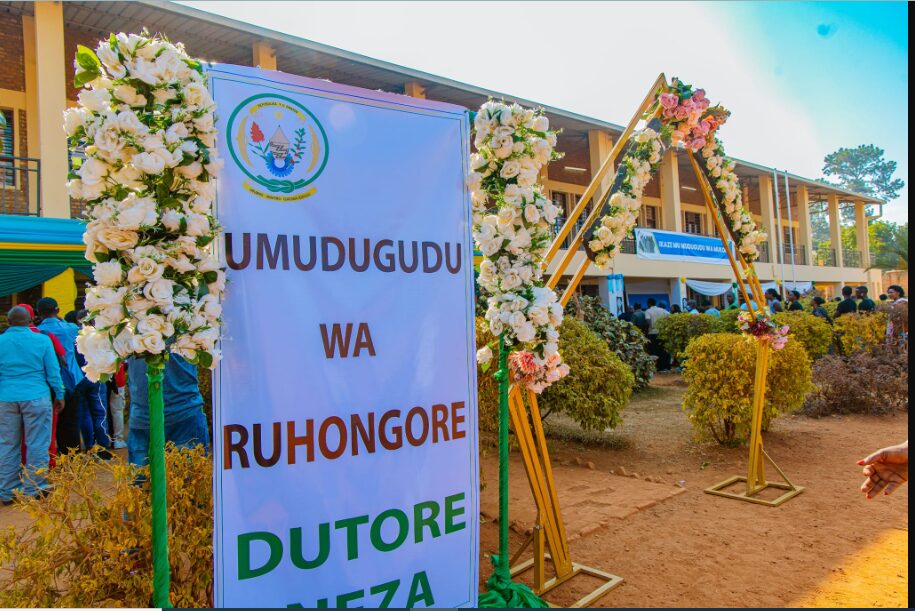
The senator’s proposal therefore represents a symbolic expression of confidence in Rwanda’s electoral system, rather than a formal pathway currently provided for under existing World Heritage criteria.
The lawmakers recommended that future observer guidelines be translated into languages accessible to international monitors, to avoid any perception that Rwanda is withholding information.
The suggestion to seek global recognition for Rwanda’s elections underscores the confidence expressed by some lawmakers in the country’s democratic processes — even as the debate continues about how they are perceived beyond its borders.
