


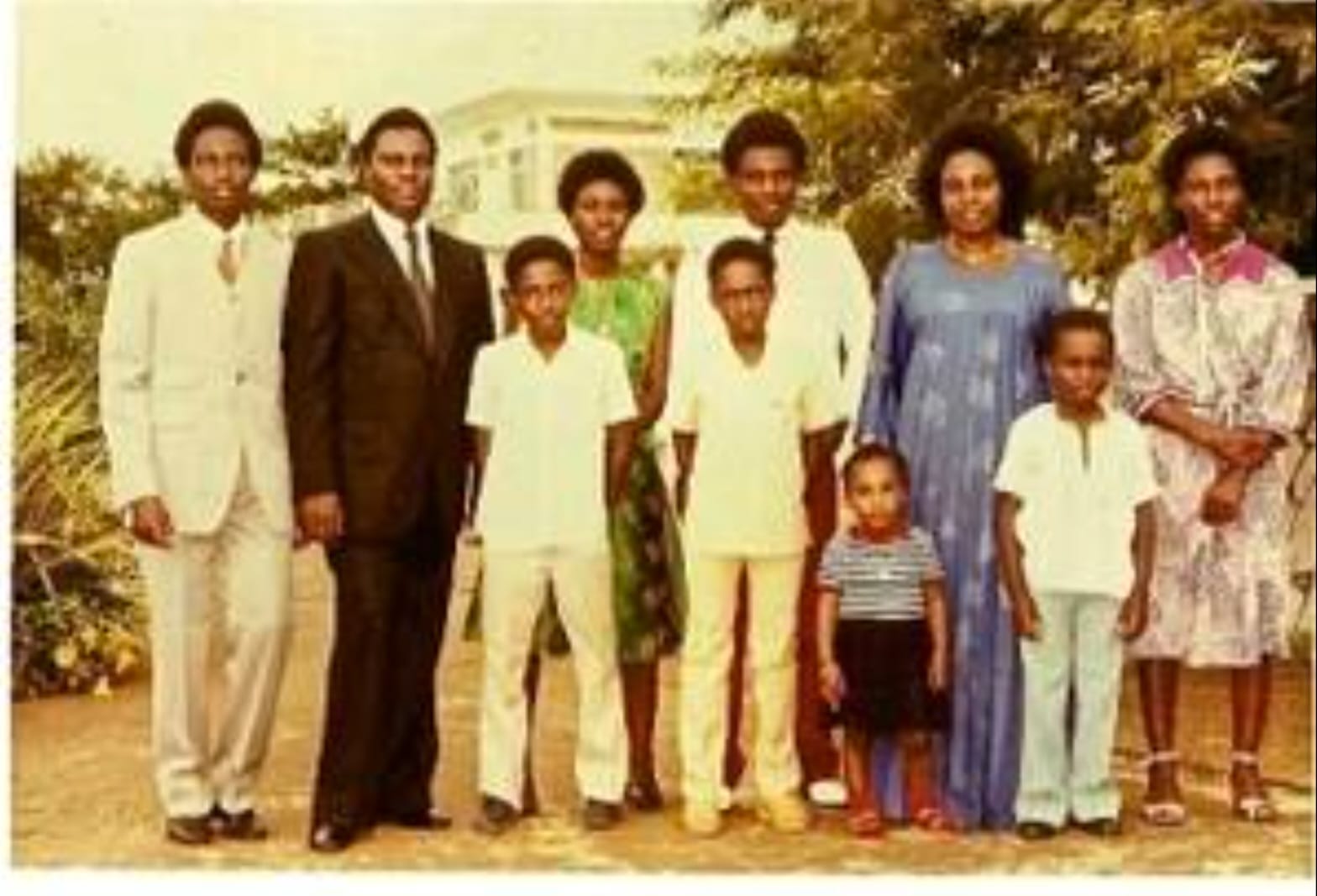
A rare family portrait of the former Rwandan President, his wife Agathe Kanziga, and their children.
In the years when Rwanda was transitioning into a republic, many young men stepped forward eager to serve their country.
Among them were Ruhashya Epimaque and Juvénal Habyarimana.
Each followed his own path at first. But eventually their roads crossed at Rwanda’s most prestigious military academy — the École Supérieure Militaire (ESM).
The ESM was the country’s premier institution for training officer cadets. In the decades following independence, it shaped the leadership of Rwanda’s armed forces and played a central role in the nation’s military history until 1994.
Habyarimana and Ruhashya were not alone. Five other young men joined them in the same class. The seven cadets formed the academy’s earliest cohort.
Their class had a leader — the Class Prefect (Chef de Classe). That role went to Habyarimana.
Those first seven cadets remained closely tied as their careers progressed. Over time, Habyarimana rose steadily through the ranks, eventually becoming Chief of Staff and Minister of Defence, effectively placing the entire military under his authority.
According to accounts from those who followed the country’s politics at the time, several of his former classmates helped consolidate his influence.
Many of them came from the same northern region as Habyarimana. The resulting network strengthened his position and allowed him to exercise growing control within the state.
The 1973 Coup
Veteran observers of Rwanda’s political history say the early 1970s were marked by rising instability.
Schools and workplaces were thrown into turmoil. Tutsi students were expelled. Homes were burned.
Some elders who lived through the period argue that the chaos was not accidental.
They believe it was part of a deliberate political strategy.
According to these accounts, the unrest created the atmosphere that preceded the 1973 coup.
At the time, President Grégoire Kayibanda was growing increasingly frustrated with his army chief.
Habyarimana was frequently absent from his duties. He was reportedly preoccupied with preparations for his brother’s wedding and other matters.
Kayibanda repeatedly summoned him to the presidency.
But Habyarimana did not always appear.
At times he would simply respond: “I will come tomorrow.”
The dismissive replies angered the president.
Eventually, the two men met in Kayibanda’s office — located where the Kigali Marriott Hotel stands today.
After leaving the meeting, Habyarimana returned to associates and told them he had narrowly escaped an attempt on his life; “Those people were going to do me harm, but I have escaped them.”
Using the alleged threat as justification, he immediately ordered soldiers to establish roadblocks across Kigali.
Then he gave a decisive command to Colonel Lizinde: “Go and announce on Radio Rwanda that we have overthrown the government.”
With that broadcast, Kayibanda’s government was finished.
A Family Known in Military Circles
Years later, the story of Habyarimana’s family would become closely known to Egide Ruhashya, the son of Epimaque Ruhashya — one of the seven original ESM officers.
President Habyarimana had eight children. Egide Ruhashya knows the Habyarimana family so well that he has made his life mission to expose all their rot. Few Rwandans speak of the insider dealing in the Habyarimana network like Ruhashya.
One of the Juvenal Habyarimana’s children, Jean-Luc Habyarimana, was the second youngest.
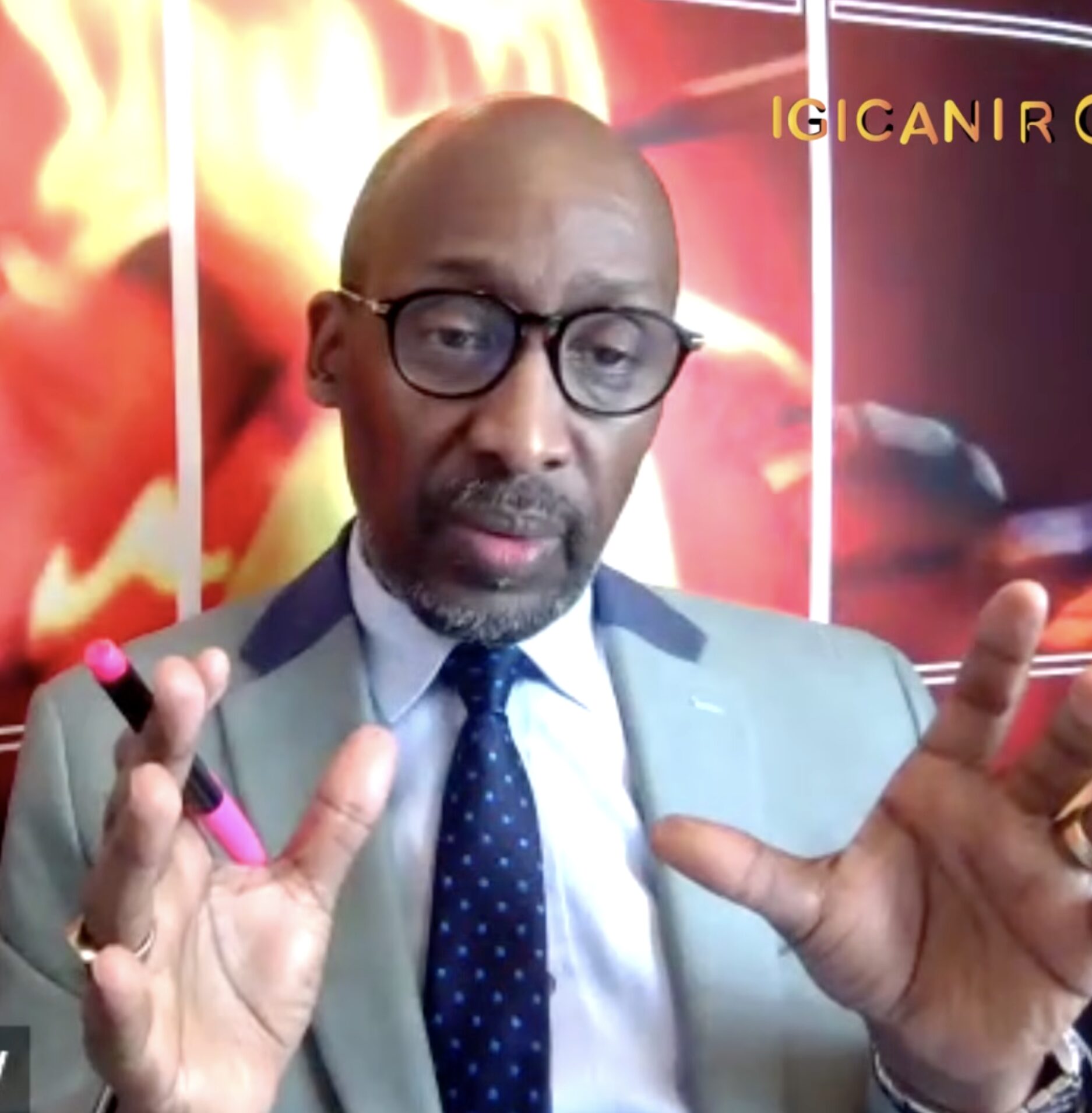
A Lifetime of Observation: Few have seen the Habyarimana trajectory as clearly as Egide Ruhashya. Having grown up alongside them, he recalls the shift from innocent childhood games to the guarded nature of their teenage years, and finally, the reality of their lives as adults today.
Today, Jean-Luc lives in France with his mother and most of the siblings, while their sister Marie Rose Habyarimana resides in Canada.
As children, the Habyarimana siblings attended Camp Kigali Primary School, located near the military headquarters.
It was in those tight-knit military circles that Egide Ruhashya grew up alongside them.
“We knew each other well,” Ruhashya recalls. “We were constantly together at social and religious celebrations — baptisms, confirmations and Holy Communions.”
Even so, he remembers the Habyarimana family as guarded.
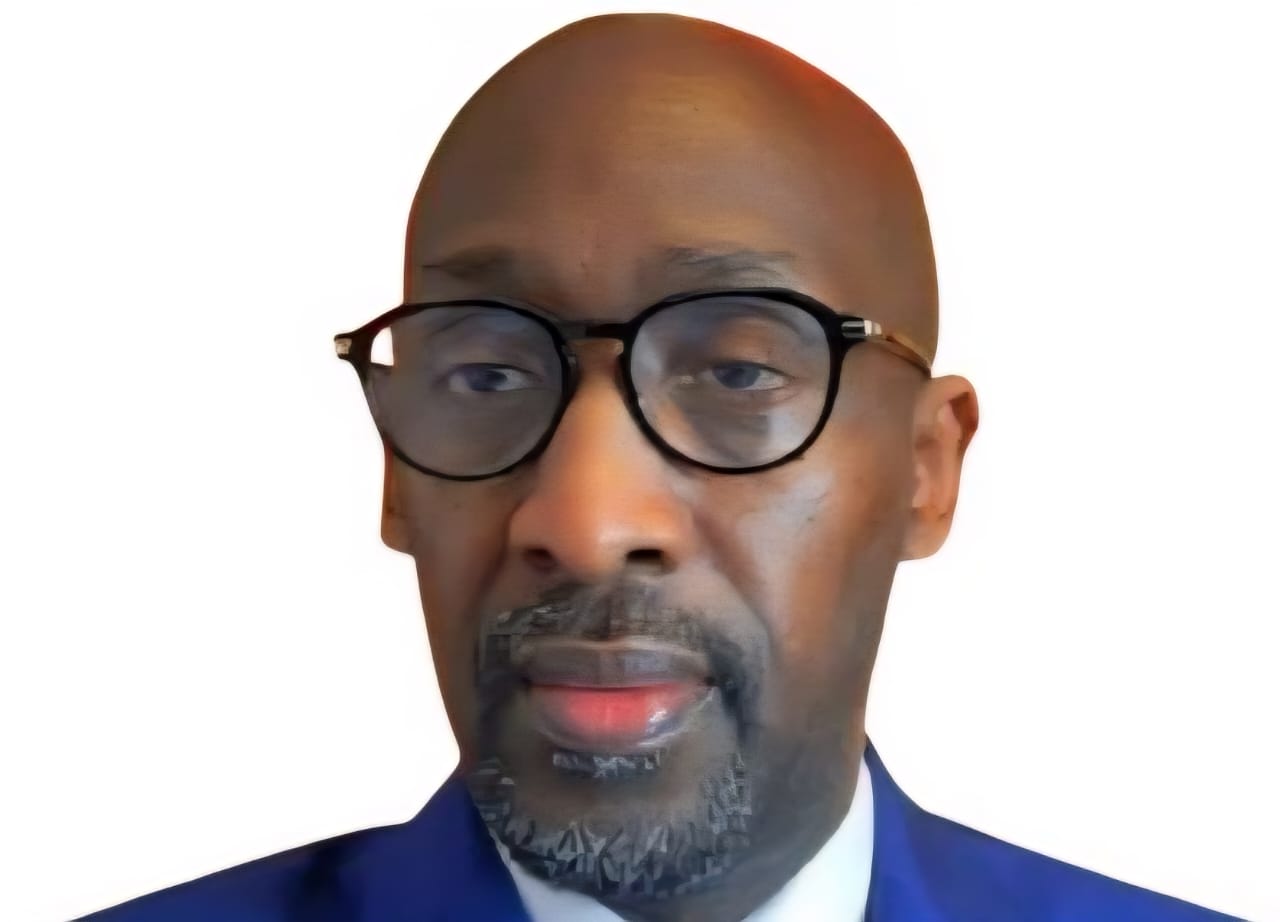
Egide Ruhashya remembers a time when the Habyarimana children were simply classmates at Camp Kigali.
“While our families weren’t necessarily close friends, we frequently crossed paths at official gatherings for military officers,” he says.
“They were guarded people — not the kind who allowed others to get very close.”
One memory stands out clearly to him.
Jean-Luc frequently accompanied his father on international trips during childhood.
Only later, when he entered secondary school, did the president begin traveling without him.
The Night of the Plane Crash
After the presidential plane carrying Habyarimana was shot down in April 1994 by his own innner circle, Jean-Luc was reportedly among those who rushed toward the crash site.
According to Ruhashya, Jean-Luc arrived while the wreckage was still burning and began taking photographs.
The story has troubled him ever since. “If a plane carrying my father crashed right beside me, my first instinct would never be to grab a camera,” Ruhashya says. “I simply couldn’t do it.”
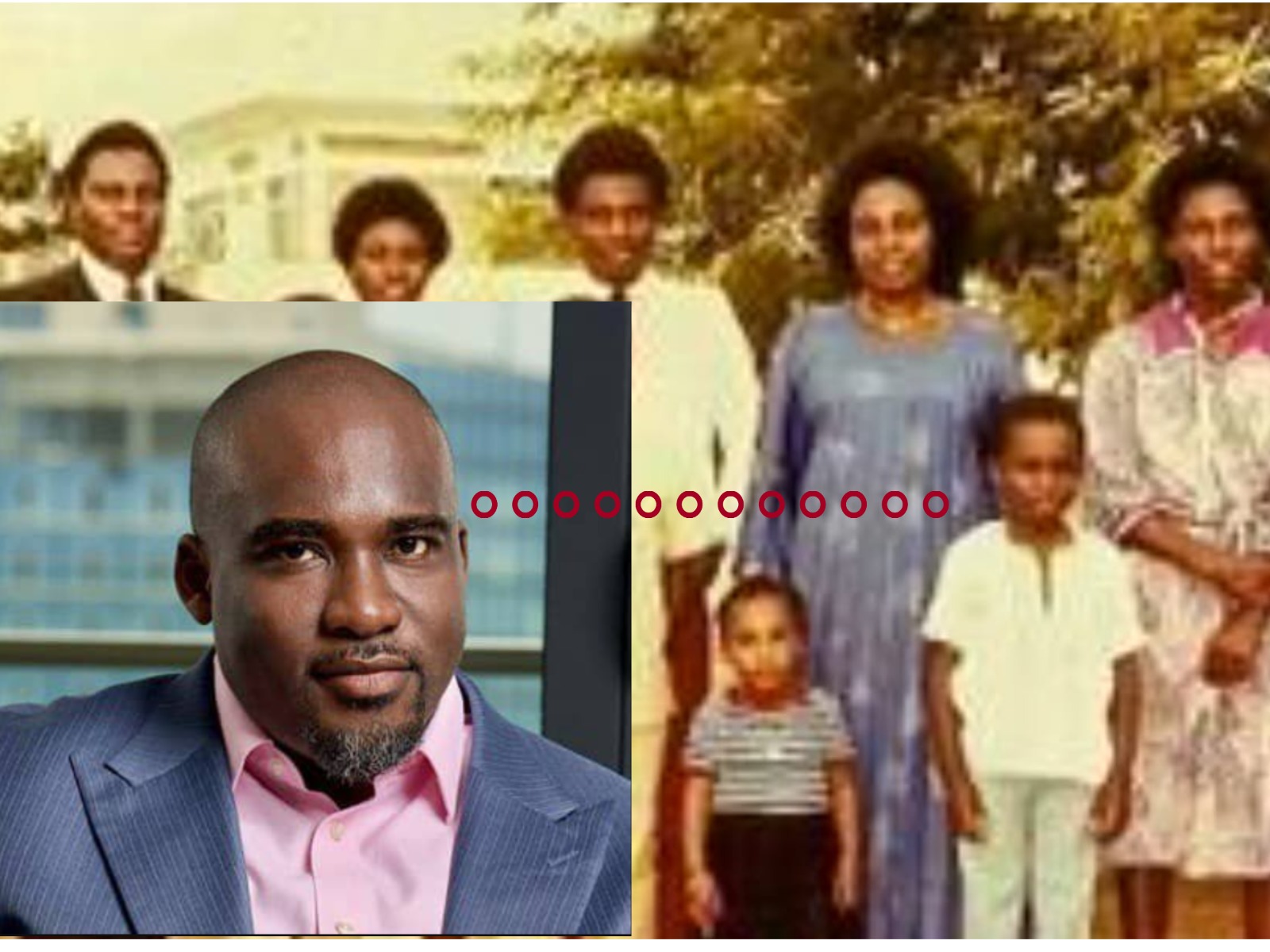
The Habyarimana family in a rare archival moment, contrasted with Jean-Luc today.
He adds: “If he truly did that alongside his uncles, it is deeply shocking.”
Beyond the emotional reaction, Ruhashya believes the moment raises deeper questions.
If Jean-Luc was present at the crash site, he argues, he might know more about what happened afterward.
Including the disappearance of the aircraft’s flight data recorder — the “black box.” It has never been found, and there are no public records about its fate.
Flight and Exile
When the 1994 Genocide against the Tutsi began, the Habyarimana family fled Rwanda by plane.
Behind them, the killing machinery, which Juvenal Habyarimana had built meticulously, Interahamwe civilian militias spread across the country.
In about three months, more than one million people were murdered because looked different from the killers, who had been made to believe over years, that the victims were invaders.
While much of the family moved through several African countries before eventually settling in France, Jean-Luc chose a different path.
He remained in Zaire, staying with Kongulu Mobutu, the son of Mobutu Sese Seko, the longtime ruler of Zaire the country now known as the Democratic Republic of the Congo.
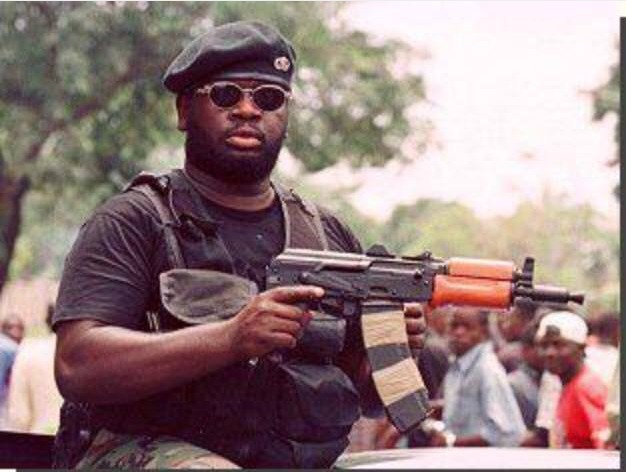
The “Saddam Hussein” of Zaire: Captain Kongulu Mobutu, the President’s son, whose reputation for intensity earned him a formidable nickname.
Kongulu had a reputation as a volatile and violent figure.
He called himself “Saddam Hussein.”
Born in 1970, he had clashed repeatedly with his father as a teenager and once fled to Libya for several years.
After returning, he joined Zaire’s elite Special Presidential Guard.
But his career was surrounded by controversy.
He was accused of killing the Zairean army’s chief of staff, General Donatien Mahele Lieko Bokungu, during the collapse of Mobutu’s regime in 1997.
Kongulu later died at the age of just 27.
Ruhashya reflects on the friendship between the two young men: “This Jean Luc Habyarimana must have learned a lot from him.”
From Exile to Insurgency
According to Ruhashya, the relationship between Jean-Luc and Kongulu opened doors inside the Zairean military; “At that time, Mobutu’s son introduced Jean Luc to high-ranking Zairean military officers.”
Through these connections, he says, Jean-Luc helped link the defeated ex-FAR (former Rwandan Armed Forces) with Congolese networks.
Among those involved was Colonel Théoneste Kabiligi.
Those contacts later fed into the creation of the Democratic Forces for the Liberation of Rwanda (FDLR) — a militia group made up largely of individuals who formed the killing machine that carried out the genocide.
Ruhashya affirms that during those years, Jean-Luc also worked to facilitate weapons flows to the group.
At one point, he says, Jean-Luc connected with a former U.S. soldier named Jean-Marie Romeo Rugero. Known simply as Romeo, this Rugero made countless trips between FDLR territory and the west, eventually settling in the FDLR strongholds.
Jean-Luc reportedly saw the relationship as a business opportunity. “They brought him in around 2014 and connected him with an FDLR member named Bonheur,” Ruhashya says.
According to UN Group of Experts reports, this person’s actual names are Bonheur Nizeyimana, alias Major/Colonel Lukanga.
Reports from 2014-2016 placed him as a key operational figure in the DRC. A 2016 UN Security Council report indicated that “Colonel” Bonheur Lukanga was in Tanzania as of early March 2016.
The period when Jean-Luc, Romeo and Bonheur were in contact, also saw weapons circulating among several regional armed groups.
Ruhashya argues that some of those links extended into Burundi’s CNDD-FDD movement.
“The FDLR helped the CNDD-FDD through those means,” he says. “That is why Ndayishimiye’s CNDD is not leaving Congo today; they are paying back the support they received.”
A New Political Symbol
Today the FDLR continues to operate in eastern Congo.
The group is currently fighting alongside Congolese forces and allied militias against March 23 Movement (M23) rebels.
Ruhashya argues that Jean-Luc Habyarimana has increasingly become a symbolic figure among actors seeking to challenge Rwanda.

Diplomacy or Strategy? The son of the former Rwandan President, Jean-Luc Habyarimana, surfacing in the DRC capital amid growing discussions about a new “unified opposition platform.
He believes Jean-Luc’s surname — rather than his personal achievements — is what gives him political relevance.
“People, for their own interests, want to create a new name to place there,” Ruhashya says.
He adds that other opposition figures have failed to gain traction; “Others — the Ingabire Victoires and Rusesabaginas — have failed them.”
Jean-Luc has emerged as the FDLR engine, meant to sanitize the militia group, strengthen international networks, and mobilize former Habyarimana elites and their children, to finally return to Rwanda by force.
For Ruhashya, the elevation of Jean-Luc represents a continuation of an old political current rooted in Rwanda’s past.