



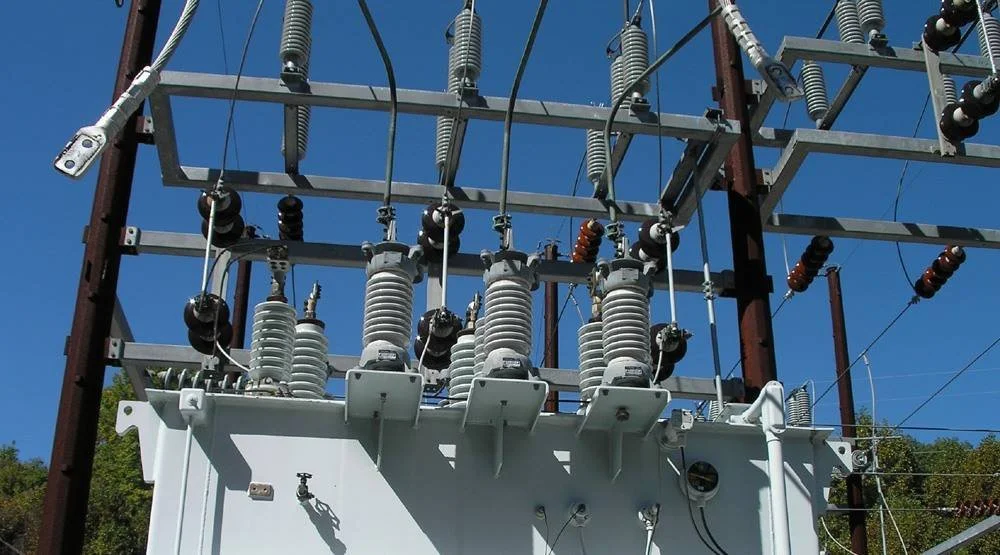
A power transformer is a key component in the electricity network, enabling the transmission and distribution of energy. Internet photo.
KIGALI – Rwanda has launched an 18-month nationwide electricity network upgrade, including 290 new transformers in high-demand urban areas. The initiative, led by the Rwanda Energy Group (REG) in partnership with the World Bank and the Asian Infrastructure Investment Bank, also upgrades 357 kilometres of medium-voltage lines and 1,600 kilometres of low-voltage networks.
The government says the programme aims to address frequent power outages and voltage fluctuations that disrupt households, businesses, and public services, particularly during evening peak hours.
Infrastructure Minister Dr. Jimmy Gasore told lawmakers this week that delays in restoring electricity are largely linked to aging infrastructure still under rehabilitation.
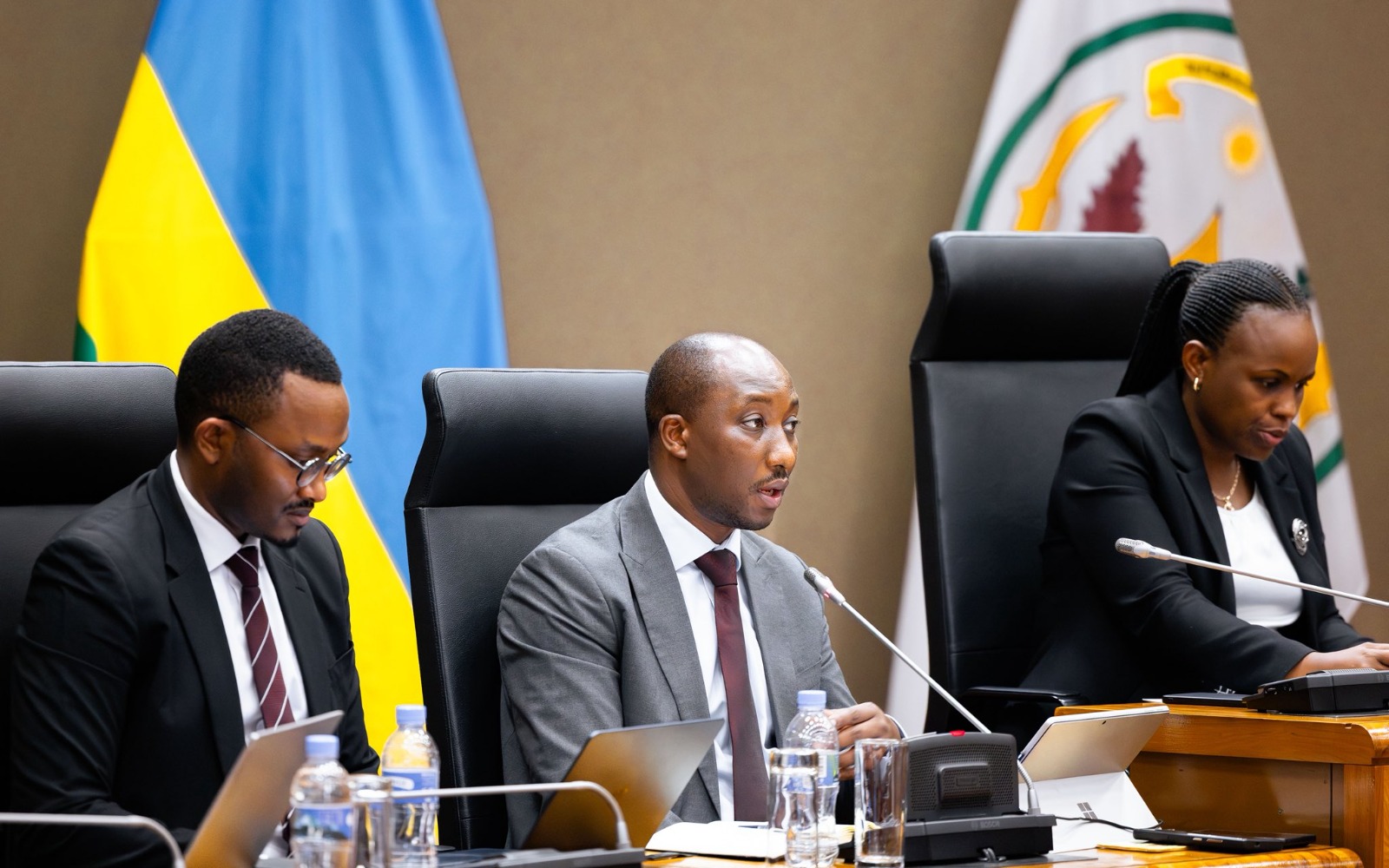
Infrastructure Minister Dr. Jimmy Gasore (center) says the rollout of new power transformers is aimed at stabilizing the electricity grid and reducing outages.
“Electricity shortages remain a concern, and restoration sometimes takes time, but this is mainly due to aging infrastructure that we are upgrading,” Gasore said.
Rwanda’s growing economy is pushing electricity demand to new highs. Industrial activity, urban expansion, and more households connecting to the grid are stretching the system, leaving little room for shocks.
Energy experts point to limited “reserve capacity” – the extra electricity a country maintains beyond immediate needs to ensure stability. Minor faults during peak hours can trigger widespread outages. Seasonal storms, fallen trees, and overgrown vegetation add further strain.
The consequences of intermittent electricity are significant. Businesses face production disruptions and higher operational costs. Households experience interrupted routines and must rely on expensive backup power. Persistent outages could deter investment and slow Rwanda’s development if not addressed.
New power plants expected to come online by 2027 should ease supply constraints. Until then, the ongoing network reinforcement is crucial to keep Rwanda’s economy running and support the country’s ambitious growth trajectory.
Stable, reliable electricity is no longer just an infrastructure issue – it is a cornerstone of Rwanda’s growth, competitiveness, and future prosperity.
