




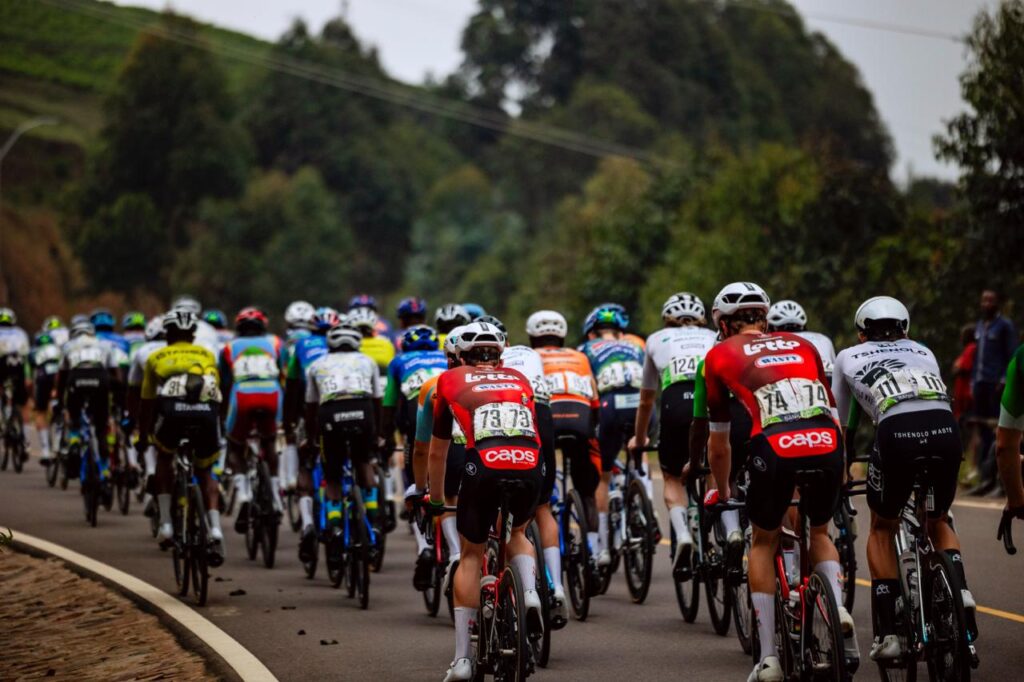
The 18th edition of the Tour du Rwanda has closed its chapter, leaving behind emotion, intensity and a powerful message: African cycling has found a lasting home. If the 2025 World Championships introduced Rwanda to the world, the 2026 Tour confirmed that the Land of a Thousand Hills does not simply host races — it lives them. From the opening pedal strokes in Rukomo to the thunderous finale at the Kigali Convention Centre, the race unfolded as an eight-day journey of endurance and ambition. It tested the world’s best and revealed a fearless new generation of Rwandan riders.
The Beauty of the “Emerald Abyss”
The 2026 route was crafted as a visual celebration of Rwanda’s diverse landscapes. Beyond the familiar volcanic peaks, the passage through Nyungwe National Park — the “Emerald Abyss” — delivered the most enchanting scenes of the week. It offered a rare glimpse into one of Africa’s oldest rainforests, wrapped around the rhythm of elite racing.
Watching the brightly dressed peloton vanish beneath the ancient canopy explained why this is the most photographed race on the continent. Sleek carbon bikes cutting through deep southern greenery created a striking contrast between modern sport and timeless nature. At full speed, the race became a moving exhibition of Rwanda’s natural heritage.
A Sobering Moment and the Police Response
The early stages were overshadowed by a tragic accident in the Gabiro area, when a promotional caravan vehicle left the road, killing two people and injuring several spectators. The shock briefly halted the celebratory mood and reminded everyone of the serious risks behind a race of this scale.
In the aftermath, the Rwanda National Police and race organizers responded with remarkable urgency and coordination. Safety procedures were rapidly reassessed and strengthened, rather than treated as routine. The swift action protected both spectators and riders, and preserved the spirit of the event.
By the next morning, new measures were already in force across the convoy. Caravan drivers were subjected to mandatory daily alcohol testing, speed governors were closely monitored and police deployment at spectator hotspots was reinforced. The decisive response placed human life at the centre of the race and restored public confidence in the Tour’s safety operations.
Local Heroes: The Rise of Masengesho and Mugisha
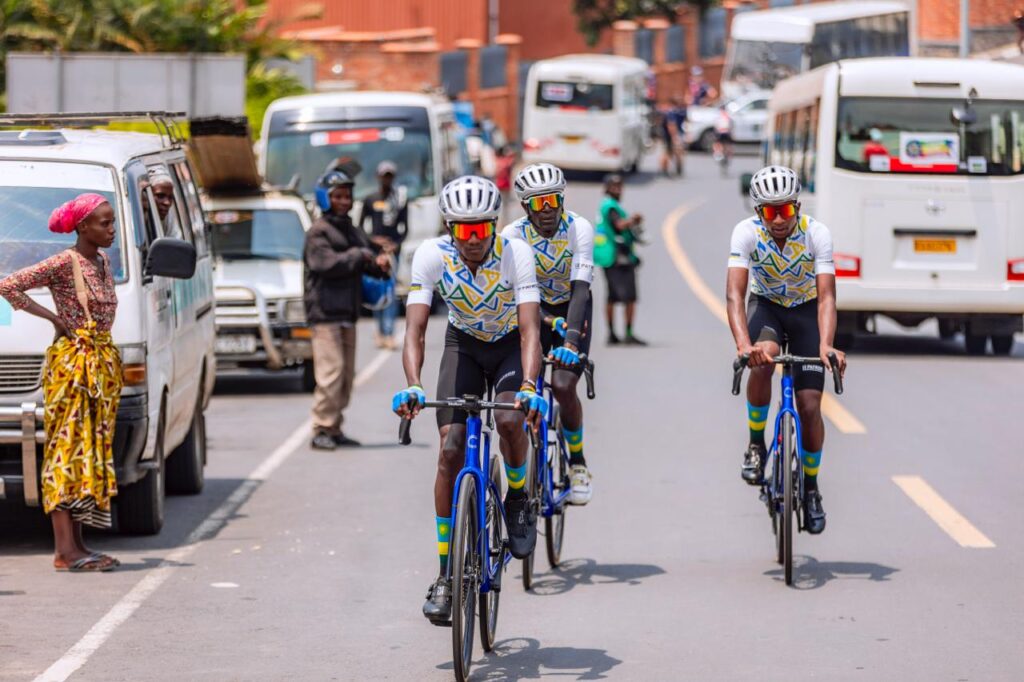
Although Germany’s Moritz Kretschy of the NSN Development Team controlled the yellow jersey for much of the week, the emotional core of the race belonged to the Rwandan riders. Their presence reshaped the story of the Tour far beyond the final standings.
Vainqueur Masengesho stepped decisively from promise into prominence. His aggressive racing and refusal to be overawed by European teams kept him repeatedly in the hunt for breakaways. Strong displays on the demanding Musanze climbs confirmed both his physical resilience and growing tactical intelligence.
For Moise Mugisha, experience remained his greatest weapon. The veteran leader guided local teams with calm authority, reading every movement of the peloton with remarkable precision. His deep knowledge of Kigali’s streets and shifting mountain winds made him the steady compass for Rwandan squads.
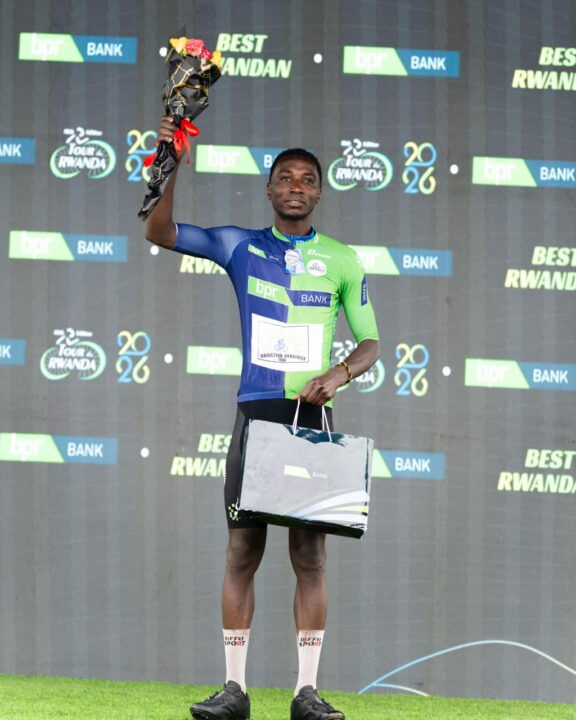
Seeing Rwandan jerseys at the front through rural communities carried meaning beyond competition. For farmers lining the roadside, these riders are abacu — our own. Their cheers, echoing up every hill, became the true pulse of the week.
The “Firsts” and the Unusual
The 2026 Tour introduced bold ideas that signalled a new era of innovation. Each change added freshness to the race without losing its identity.
For the first time, Rubavu hosted a fast-paced urban circuit along Lake Kivu. The shimmering lakeside backdrop brought a new elegance to the Tour and delivered a spectacular sprint setting that fans hope will return.
A Youth Racing Cup for riders aged 12 to 19 ran alongside the elite competition. Sharing podium moments with professional champions created a visible bridge between today’s stars and tomorrow’s hopes.
The introduction of bonus seconds at intermediate sprints reshaped race tactics. General classification contenders were forced to contest every opportunity, injecting tension and strategy into stages once considered straightforward.
People of the Land: A Shared Rhythm
One of the most beautiful features of the 2026 Tour was its natural harmony with Rwanda’s agricultural life. In a country where most families depend on the land, the race became a rare meeting point between farming and high-performance sport.
Across the hillsides, farmers paused in their maize and bean fields to watch the peloton sweep past. The quiet rhythm of cultivation met the urgency of racing wheels in a powerful contrast. Both the farmer and the cyclist understand endurance, patience and effort. For a brief moment, Rwanda’s heritage and its fast-moving future moved in perfect step.
The Final Verdict: A Dynasty in the Making
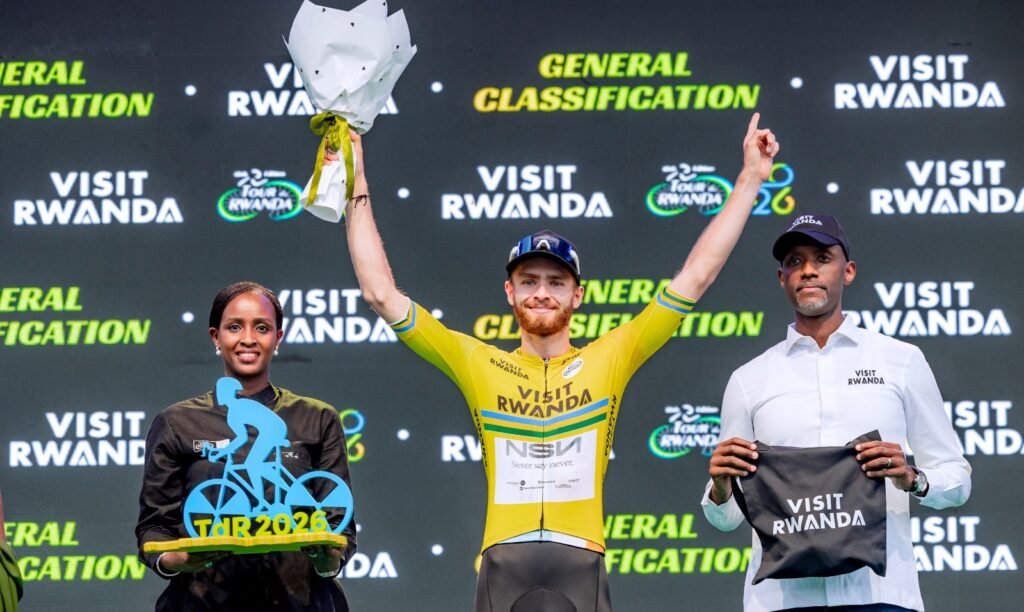
As the race reached its peak on the grueling Mur de Kigali and the storied cobblestones of Nyamirambo, the meaning of the week became unmistakable. The 2026 Tour du Rwanda stood as a story of resilience after tragedy and belief rising above expectation.
While Germany’s Moritz Kretschy (NSN Development Team) was officially crowned the overall winner after a masterful defense of his yellow jersey on the final day, Rwanda claimed a victory of its own. The strength of the security response, the breakthrough of riders like Masengesho, and the unmatched energy of the crowds elevated the Tour to a new global stature. It is no longer only Africa’s greatest race—it is a world-class cycling landmark.
The hills have settled back into silence and the terraces have filled again with farmers at work. Yet, the echoes of this Tour will linger across the Land of a Thousand Hills until the peloton returns. A new dynasty has begun.