



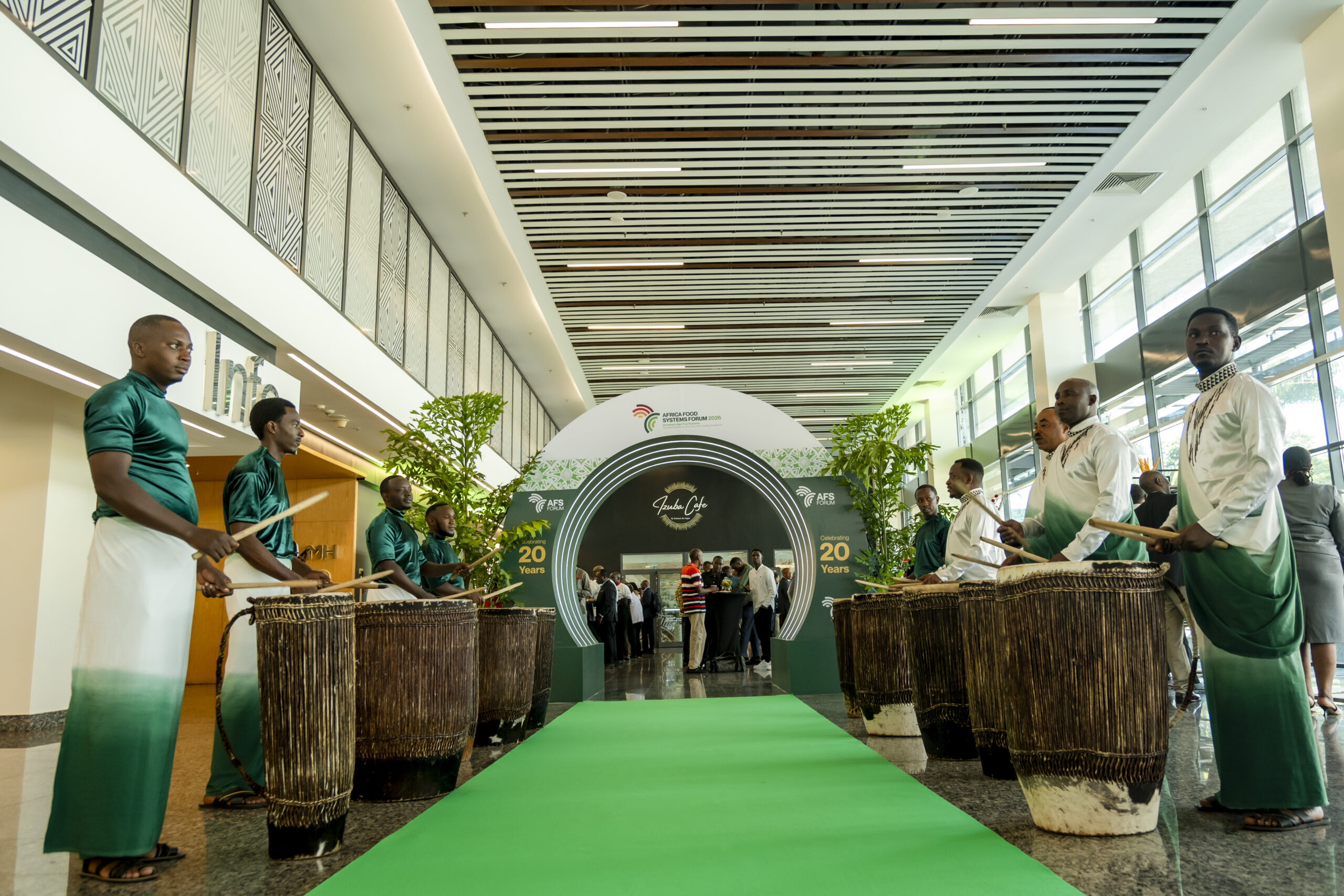
Kigali Convention Center, where the AFSF is expected to take place September 1-5, 2026
KIGALI — Rwanda has been selected to help steer the Africa Food Systems Forum (AFSF) into a new phase focused on concrete action, with greater emphasis on investment in sustainable food production, trade and food security across the continent.
As the Forum marks 20 years, it will return to Kigali in September 2026, bringing together heads of state, government officials and global stakeholders for high-level discussions. The event will also feature platforms for youth-led enterprises and agri-food SMEs to engage directly with investors and strategic partners.
From Dialogue to Delivery
Despite existing frameworks under the African Union, regional blocs and the African Continental Free Trade Area, Africa continues to face major food system challenges, including persistent food insecurity, post-harvest losses estimated at 60 percent, low intra-African trade, rising demand, climate pressures and rapid population growth.
Organisers say the 2026 edition will mark a shift from policy dialogue to implementation, with a focus on investment and measurable impact.
Widely regarded as a leading platform on African agriculture, AFSF 2026 is expected to convene more than 4,500 participants, including heads of state, ministers, business leaders, investors, development partners and innovators.
Held under the theme “Investing in Agri-Food Systems: Growing Jobs, Nourishing Nations, Building Resilience,” the summit will prioritise translating commitments into tangible outcomes through stronger partnerships, increased investment and improved accountability.
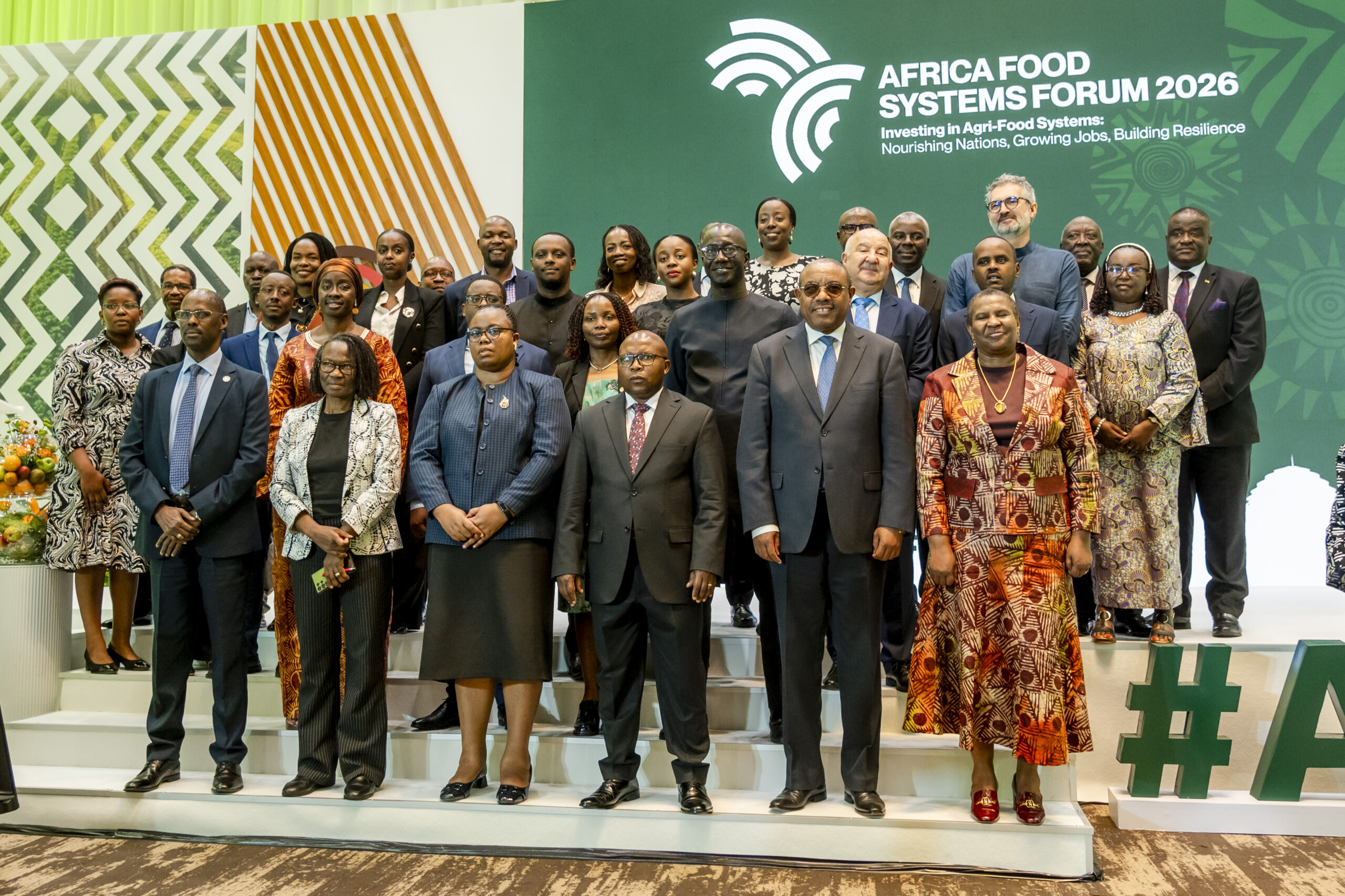
Hailemariam Desalegn (2nd right front row), Board Chair of AFSF Partners joins AGRA and Rwanda officials for a leader’s group photo
Leadership and Investment Push
Amath Pathe Sene said the 20th edition comes at a moment of urgency for the continent.
“Over the past two decades, we have built a platform that brings together the right voices and partnerships, but the scale of the challenge now requires a step change in how we act,” he said.
He said Rwanda’s leadership will be key in mobilising political will to boost production, strengthen infrastructure and develop value chains.
“Leadership is about showing up and supporting action. This has consistently been demonstrated in Rwanda under President Paul Kagame. When there is strong leadership, we see delivery—and that drives real impact,” Sene added.
Over two decades, the Forum has brought together stakeholders from more than 100 countries, hosted over 3,000 sessions and supported the presentation of more than $200 billion in investment opportunities.
The milestone comes as African countries enter a new decade under the Comprehensive Africa Agriculture Development Programme and step up efforts to mobilise large-scale investment through initiatives such as the New African Financial Architecture.
Sene said meeting the continent’s needs will require trillions of dollars in investment over the next decade, particularly in infrastructure, energy and agricultural value chains.
Accountability and Execution
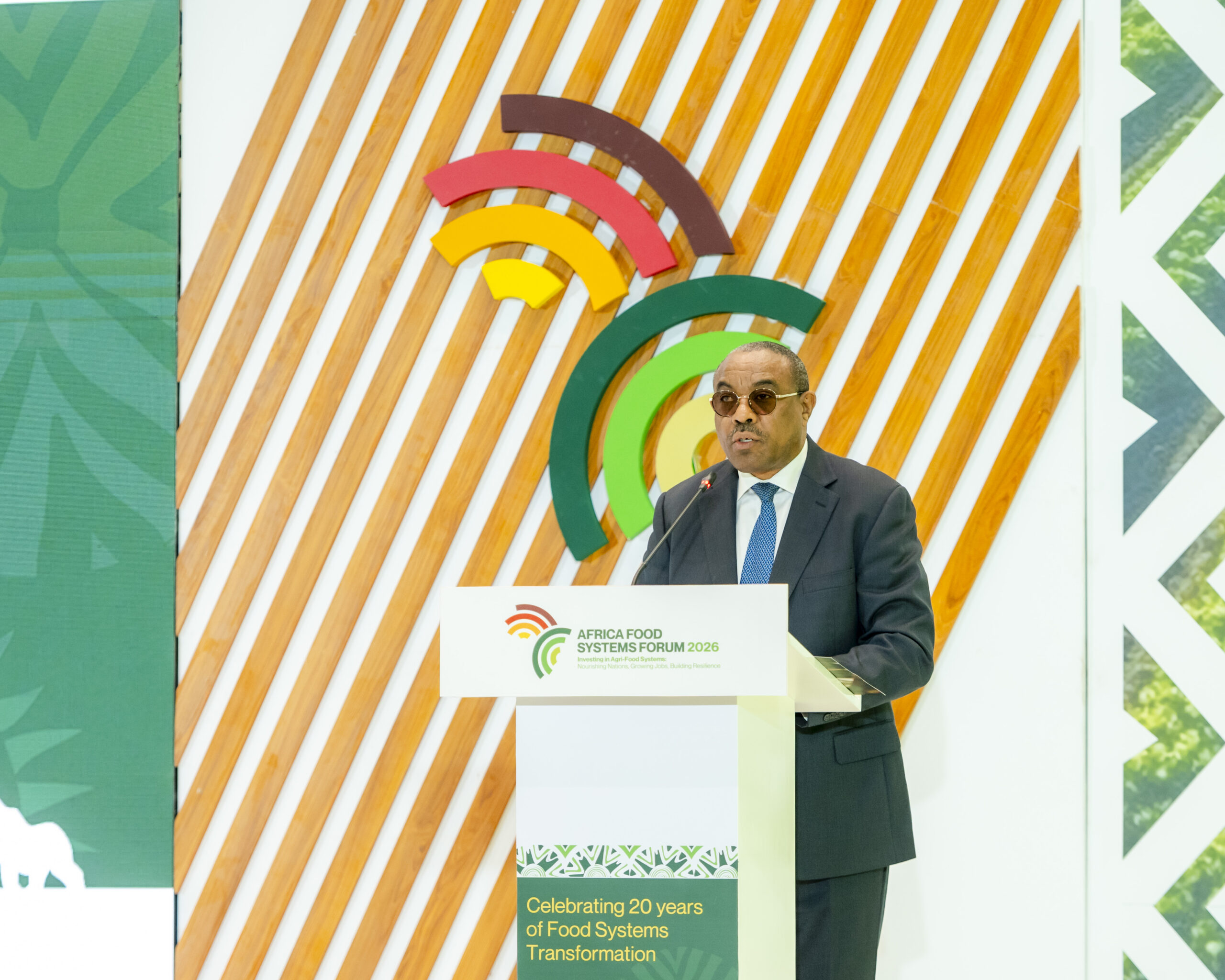
Hailemariam Desalegn, Board Chair of AFSF Partners
Hailemariam Desalegn, board chair of AFSF Partners, said the next phase must focus on execution.
“As we mark 20 years of the Forum, we must be clear that the future of Africa’s food systems will be defined by implementation. We have the frameworks and the knowledge—what is needed now is consistent policy execution and stronger investment environments to crowd in both public and private capital,” he said.
Alice Ruhweza said the Kigali summit must deliver stronger accountability.
“This must be a different kind of convening. We need clear delivery plans, defined implementation pathways and a readiness to achieve measurable impact,” she said.
She added that AGRA will track commitments made in Kigali to ensure delivery.
“That is how we build credibility—and unlock the next wave of investment,” Ruhweza said.
Rwanda’s selection as host reflects its growing profile in agricultural transformation and policy leadership.
Telesphore Ndabamenye said the theme underscores the urgency of prioritising investment in food systems.
“At a time when development assistance is declining, commodity prices remain volatile and debt burdens are rising, Africa cannot afford to treat investment in food systems as an afterthought. Investment in food systems must become the priority,” he said.