



KIGALI — Rwanda’s public narrative on Monday was shaped by a mix of regional diplomacy, Kwibuka 32 national remembrance, economic signaling, and cultural visibility, with activity reflected across official and public social media channels.
In Kampala, Rwanda and Uganda formally opened the 12th Joint Permanent Commission (JPC), one of the most important bilateral mechanisms between the two countries. The talks bring together senior officials to address cooperation across trade, security, and infrastructure.
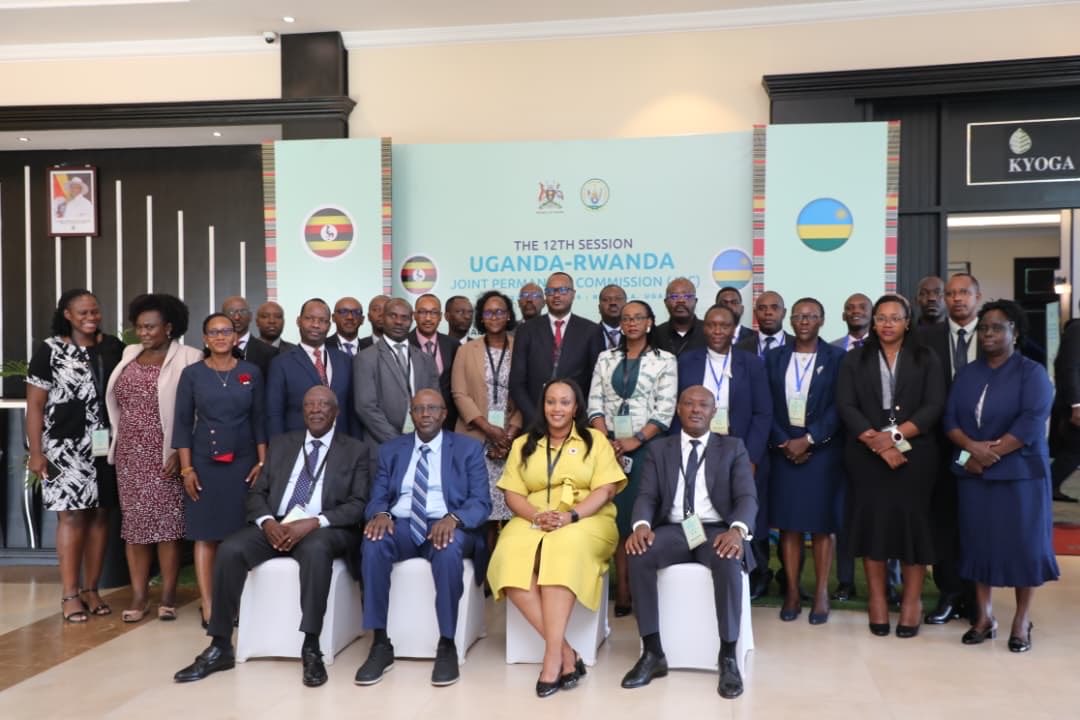
Discussions this round go beyond routine diplomacy. Key focus areas include cross-border trade facilitation, the efficiency of movement at shared borders, and large-scale infrastructure projects such as the Standard Gauge Railway (SGR), regional power interconnections, and potential oil pipeline linkages. There is also emphasis on coordination around cybercrime, human trafficking, and regional security threats.
Social media tone around the JPC suggests cautious optimism. After a brief period of tension, the framing now is pragmatic—less about political symbolism, more about systems that enable economic flow.
The repeated messaging is continuity: solving “problems without passports,” a phrase that has gained traction in regional cooperation language.
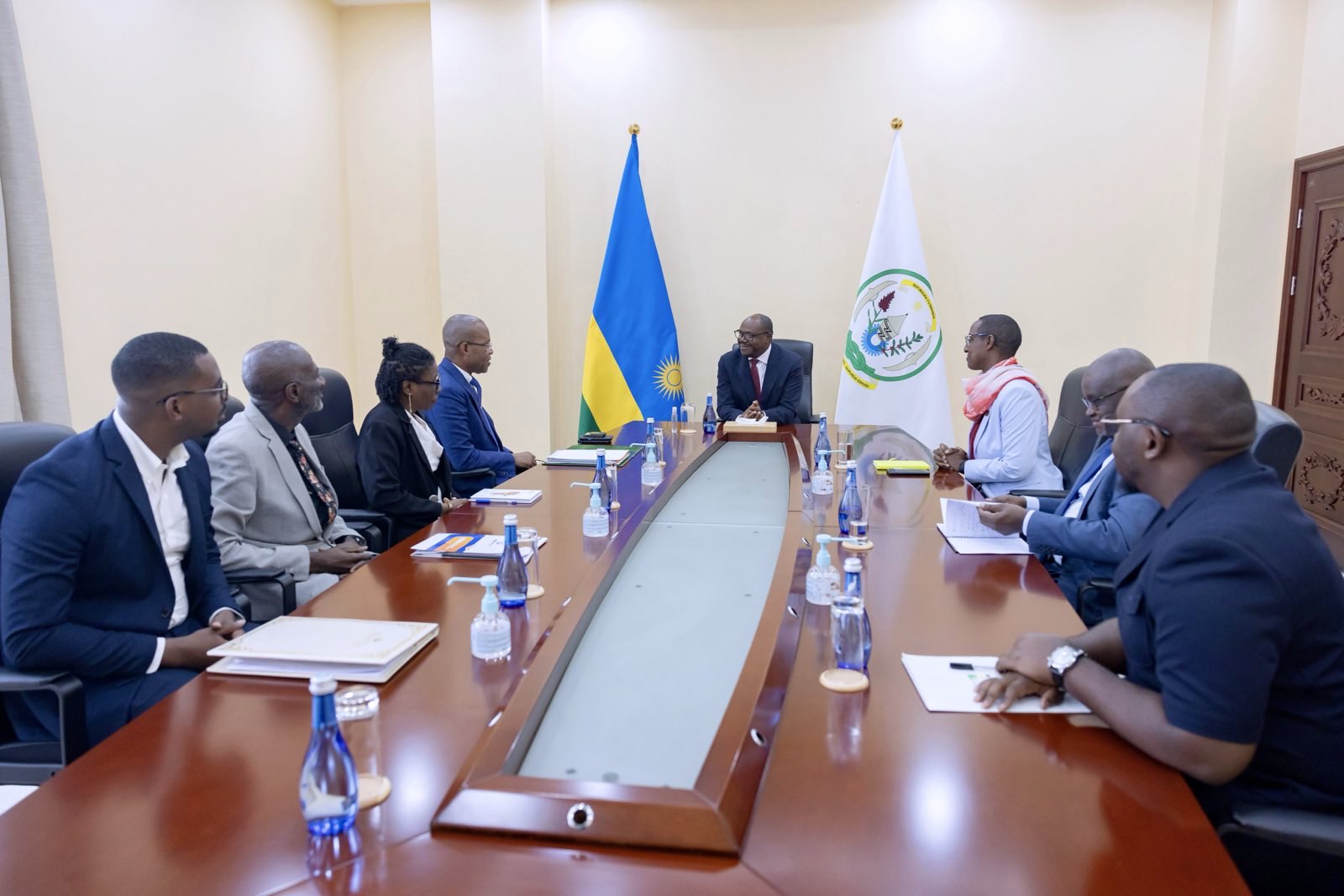
In Kigali, Prime Minister Dr Justin Nsengiyumva hosted Sylver Aboubakar Minko-Mi-Nsemé, High Commissioner of Gabon, signaling ongoing diplomatic outreach beyond the immediate region.
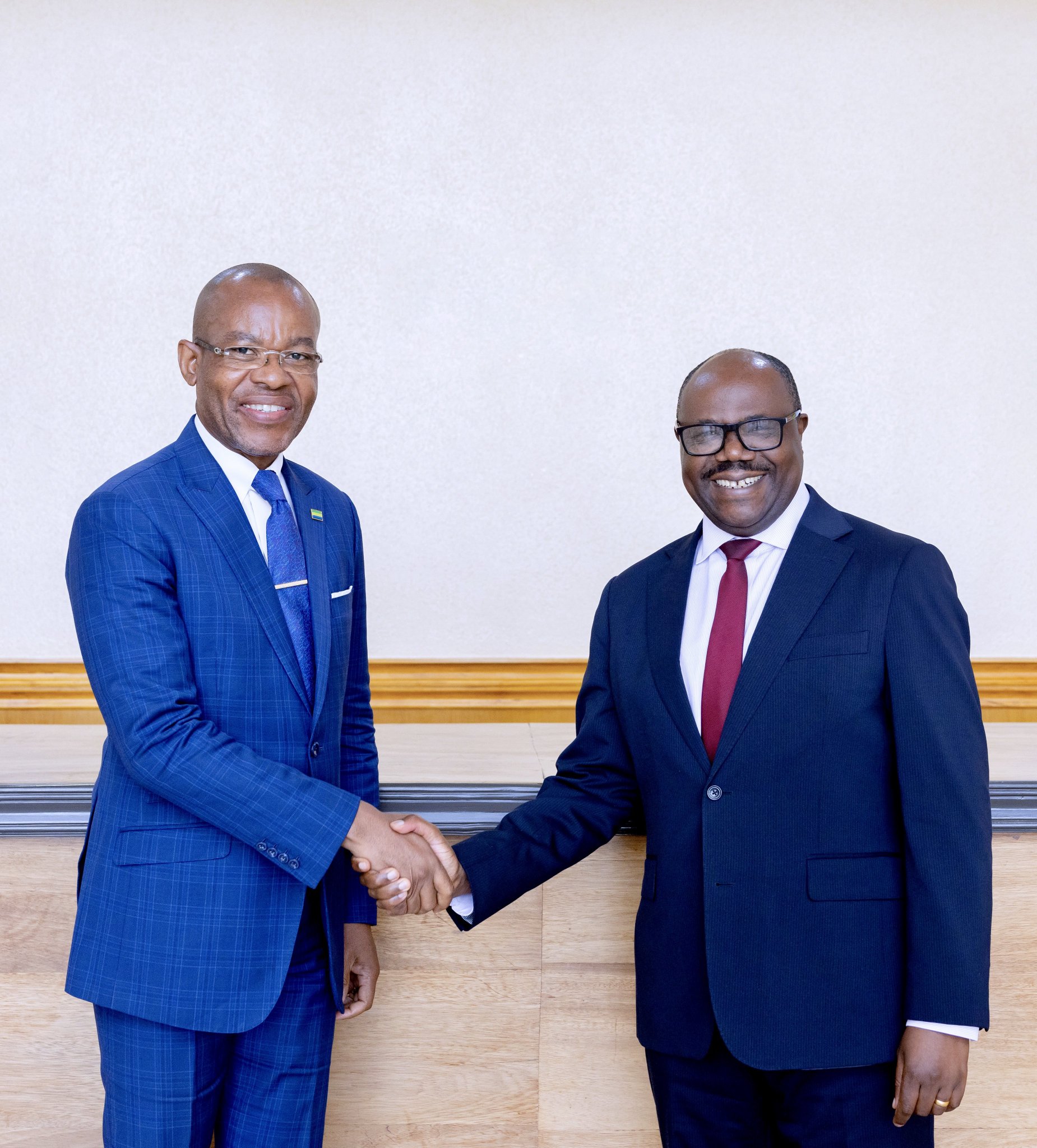
The discussions centered on governance exchange, institutional performance, and economic collaboration, with particular attention to Rwanda’s positioning in the Meetings, Incentives, Conferences, and Exhibitions (MICE) economy.
The engagement reflects a broader pattern: Rwanda exporting its governance model as part of soft diplomacy, while simultaneously attracting partnerships and investment interest.
At the same time, the national conversation was anchored in remembrance. April 20 marks the anniversary of the killing of Queen Rosalie Gicanda in 1994, one of the early high-profile assassinations during the Genocide against the Tutsi.
Commemorations took place in Nyanza District, particularly at Mwima Hill where she is buried. Activities included memorial ceremonies, wreath-laying, and visits to the Royal Palace. But on social media, the emphasis moved beyond official events. Posts focused on her personal story—her humility, daily life, and symbolic role as a unifying national figure.
The tone was reflective rather than ceremonial, reinforcing a consistent national messaging line: remembrance is not passive. It is tied to vigilance against genocide denial, distortion of history, and the erosion of collective memory. This aligns with the broader Kwibuka 32 commemorations currently underway across the country.
In the sports and events space, Rwanda continued to project itself as a regional hub. Kigali began hosting teams for the CAVB Men’s African Club Championship 2026, with matches scheduled at major venues including BK Arena and Petit Stade.
Teams such as Kenya’s Equity Bank Volleyball Club arrived during the day, with their widely shared online.
The event runs through early May and is one of the continent’s key club competitions. Beyond sport, it reinforces Rwanda’s strategy of leveraging international events to drive tourism, visibility, and service-sector growth.
On the economic front, there were no single headline-breaking developments, but several consistent themes dominated discussion.
Digital finance—particularly mobile money—continues to expand, with strong uptake and increasing integration into everyday transactions. This reflects a broader shift toward a cash-lite economy and deeper financial inclusion.
At the same time, long-term structural ambitions remain part of the daily narrative. These include growth in aquaculture (especially tilapia production), positioning in critical minerals such as coltan and lithium, and ongoing exploration of energy solutions, including renewable investments and future nuclear capacity through small modular reactors.
What stands out is not novelty, but persistence. These themes appear repeatedly, suggesting a coordinated narrative around economic transformation and future readiness.
Regionally, the situation in eastern Democratic Republic of the Congo remained an undercurrent throughout the day.
On DR Congo, counter-narratives emphasized ongoing peace processes between Kinshasa government and the AFC-M23 rebel movement, including recent talks in Washington and Switzerland, and pointed to the complexity of the conflict’s root causes.
No major new development defined the day, but the volume and persistence of discussion underline how central the issue remains to Rwanda’s external perception and diplomatic environment.
Other smaller signals also contributed to the day’s picture. There were posts highlighting Rwanda’s participation in international forums, mentions of its growing reputation as a destination for conferences and academic events, and routine institutional updates from government agencies and organizations.
Even these minor updates reinforce a broader pattern: a country actively managing its image across multiple layers—official, regional, and global.
Taken together, April 20 does not stand out for a single defining event. Instead, it reveals alignment across multiple fronts.
Diplomacy is active but measured.
Remembrance remains central and deliberate.
Economic messaging is consistent and forward-looking.
Regional tensions persist but are managed within a broader strategic narrative.
Nothing dominates the day.
But everything points in the same direction.
