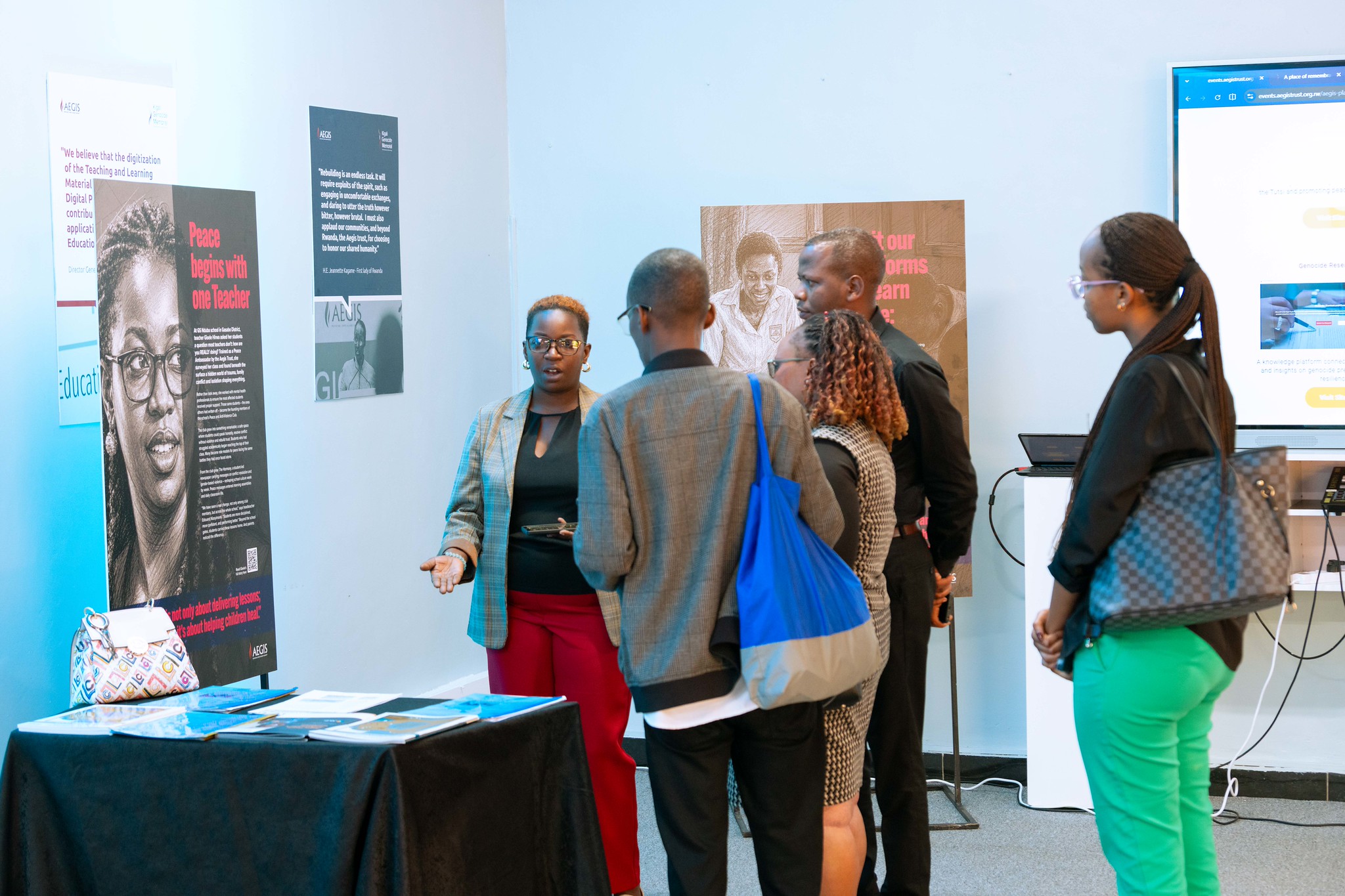
When Gisèle Hirwa joined the Peace and Values Education training under Aegis Trust Rwanda’s Actions for Sustainable Peace, Inclusion, Rights and Equality (ASPIRE) Programme, she expected to gain skills that would help her become a better teacher.
What she did not anticipate was that the training would transform how she understood her role—not only as an educator, but also as a mentor, counsellor and peacebuilder.
Today, at Groupe Scolaire Nduba in Gasabo District, the secondary school teacher leads one of the area’s most active student peace initiatives, involving more than 600 students in promoting non-violence, dialogue and emotional wellbeing both in and beyond the classroom.
“After the training, I realised that teaching is not only about delivering lessons; it is about understanding what children are going through and helping them heal,” Hirwa said.
Her journey began in 2022 with the creation of an Anti-GBV and Peace Club to address anger, violence and indiscipline among students. As she engaged more closely with learners, however, she realised that many were facing deeper challenges.
“I discovered that teaching alone was not enough because many students were dealing with trauma, depression and other social issues that affected their performance,” she said.
To better understand their circumstances, Hirwa conducted a simple survey about students’ lives outside school. The results were sobering: many were struggling with trauma, family conflict, neglect and isolation.
Rather than ignore the findings, she took action.
Working with mental health professionals, she helped some of the most vulnerable students access counselling and emotional support. Many later became founding members of the Peace and Anti-Violence Club.
Over the past four years, the initiative has led to significant changes in students’ behaviour and attitudes, with Hirwa estimating an annual improvement rate of more than 40 percent.
One story remains particularly memorable.
A student named Gentile became pregnant just weeks before her final upper secondary national examinations. Hirwa noticed that she had grown quiet, tense and withdrawn, and approached her privately.
“With open sharing in the club, I was able to help her accept her situation and encouraged her to work hard to change her future,” Hirwa recalled.
Beyond counselling and peer support, the club also launched a school newsletter, The Harmony, written jointly by teachers and students. Published once each semester, it addresses topics such as conflict resolution, gender-based violence, mental health and peaceful coexistence.
Now in its fourth edition, The Harmony has become one of the school’s most visible symbols of change.
“It gave the club’s values a wider audience, brought quieter voices into the conversation, and reminded the entire school community that peace is more than a one-time lesson—it is a daily practice,” Hirwa said.
She hopes to secure partnerships to improve the newsletter’s design, printing quality and storytelling capacity so that more student voices can be heard.
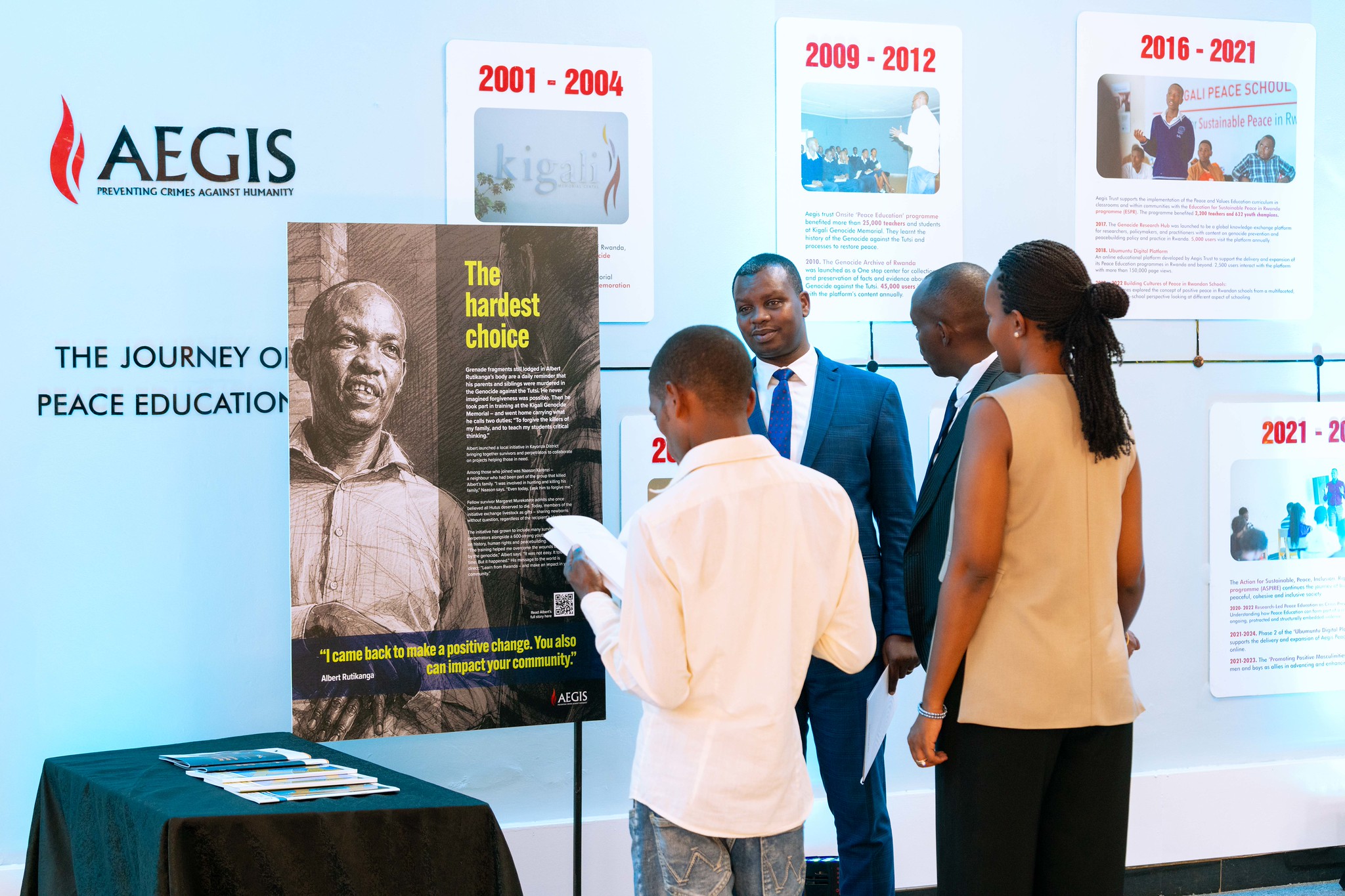
A National Investment in Peace Education
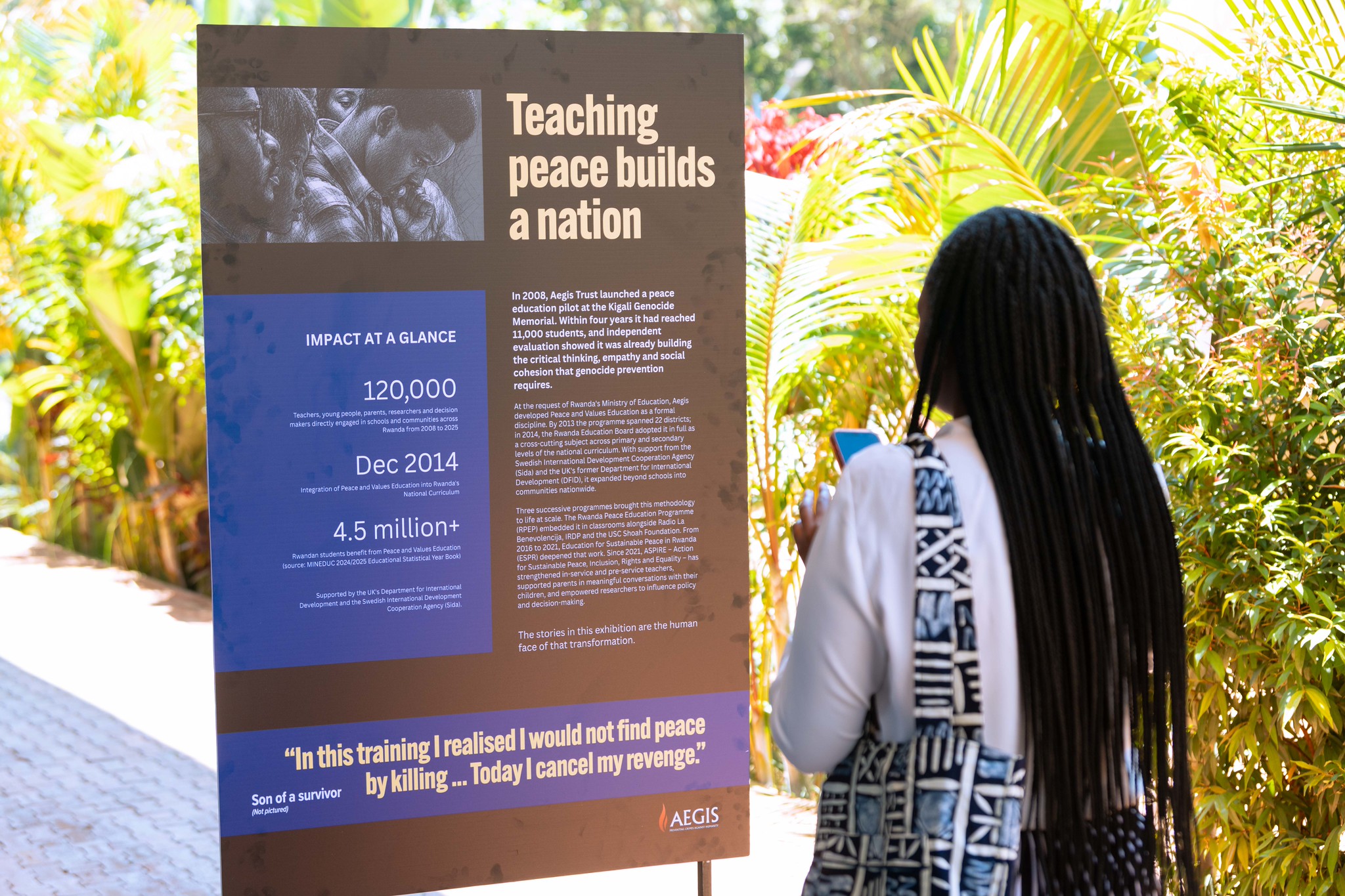
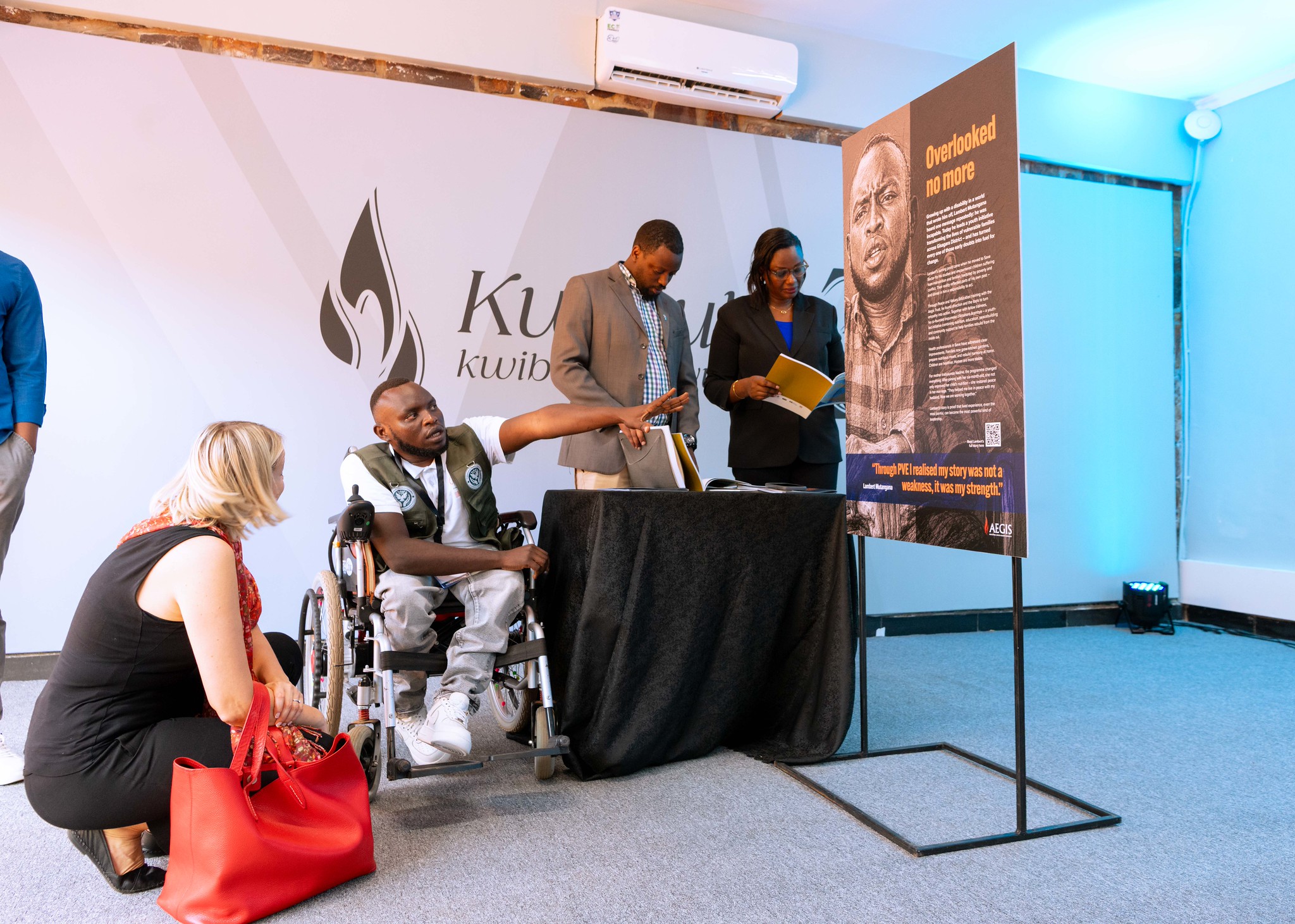
Hirwa’s story reflects Aegis Trust’s broader effort to use peace education as a tool for healing, reconciliation and social transformation in post-genocide Rwanda.
According to Freddy Mutanguha, Chief Executive Officer of Aegis Trust and Director of the Kigali Genocide Memorial, the ASPIRE Programme has shown how education can provide a strong foundation for sustainable peace.
“This is a moment to reaffirm our commitment to peacebuilding,” Mutanguha said.
He noted that the programme has empowered teachers, youth and parents to become active peacebuilders. More than 94 percent of trained teachers consistently integrate Peace Values Education into their classrooms while mentoring peers in schools and communities.
The initiative, he said, has strengthened empathy, collaboration, conflict resolution and leadership among young people, while extending its impact into homes and communities.
“The construction of a peace centre in Bugesera will help bring these activities to more Rwandans. We are now discussing with KOICA Rwanda how to further expand the programme,” he added.
Over the past decade, the programme has directly engaged more than 100,000 peace champions, including teachers, parents, youth and community members. It has also supported more than 50 research projects and produced over 20 policy briefs that have informed national discussions on gender equality, mental health, history education and reconciliation.
Sandra Shenge, Director of Programmes at Aegis Trust Rwanda, said the initiative grew out of needs identified during field visits to schools and communities.
“The education programme started from needs observed on the ground and later expanded into curriculum development, research and community peace initiatives,” she said.
She explained that ASPIRE was designed to respond to challenges such as gender inequality, mental health concerns and environmental issues, while building networks capable of spreading peace values across generations.
Research conducted over four years by Professor Dr. Aggée Shyaka Mugabe, Acting Director of the Centre for Conflict Management and Associate Professor of Transitional Justice and Peacebuilding, found that the programme exceeded expectations, particularly in schools where peace education was fully embraced.
“Schools became more than places of learning,” he said. “Students emerged as peace ambassadors promoting non-violence in their schools and communities.”
The programme also contributed to stronger family dialogue and greater gender equality within households, with many families reporting improved communication and joint decision-making.
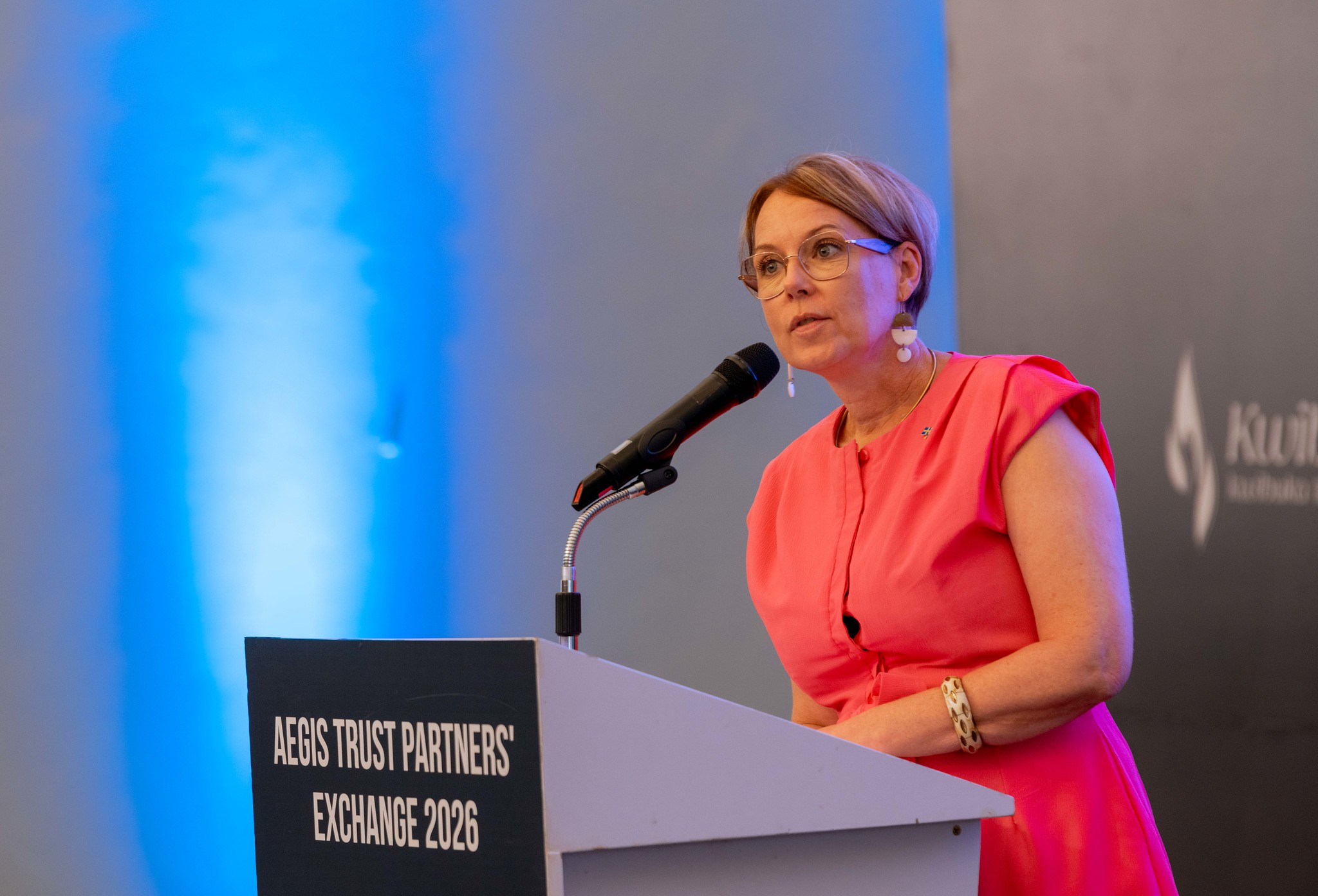
Rwanda’s Model Draws International Recognition
Louis Busingye, a human rights and democracy expert, said Rwanda’s experience offers valuable lessons at a time when hate speech, online manipulation and social polarisation are rising globally.
“We need to quantify the economic and social benefits of these peacebuilding efforts so that lessons from Rwanda can help reshape the global narrative,” he said.
Officials from Rwanda’s education and health sectors stressed the importance of scaling up peace education.
Gerald Murasira of the Rwanda Education Board called for more teachers to be trained as peace ambassadors.
“We need to go beyond the current number of trained teachers and reach many more,” he said.
A representative of the Rwanda Biomedical Centre highlighted growing mental health challenges among young people, particularly those affected by the intergenerational consequences of the 1994 Genocide against the Tutsi.
Senator Charles Muligande said the programme’s achievements should inspire greater investment and stronger partnerships.
“We should be discussing how to expand this programme and reach more communities. This country and the region need peace,” he said.
For Sweden, one of the programme’s long-standing partners, Rwanda’s progress over the past three decades offers lessons far beyond its borders.
Martina Fors Mohlin, Head of Development Cooperation at the Embassy of Sweden in Rwanda, described peace education as essential to building resilient societies.
“Peace provides the foundation for development and dignified living,” she said.
Drawing on her experience in post-genocide Cambodia, she emphasised the importance of teaching history responsibly and compassionately.
“How do you talk about and teach these stories? This is where Aegis’ programme comes in—improving how complex topics are taught in ways that encourage dialogue and healing,” she said.
State Minister for Education Claudette Irere said the partnership between the Ministry of Education and Aegis Trust, which began in 2016, has helped turn peace education from a policy idea into practical action in schools and communities.
“The ASPIRE Programme has demonstrated the value of strong collaboration between government institutions, civil society organisations, educators, researchers, communities and development partners,” she said.
“It has helped create learning environments where students are not only taught academic content, but are also encouraged to think critically, reject division and understand their responsibilities as citizens.”
Irere said peace education is increasingly important in a world shaped by misinformation, hate speech and online manipulation.
“Our schools cannot focus only on grades and examinations,” she said. “They must also help shape responsible citizens who can think independently, engage respectfully with different perspectives and contribute positively to society.”
As the first phase of the ASPIRE Programme comes to an end, stakeholders say the challenge now is to ensure its values continue to thrive beyond the life of the project.
Back at GS Nduba, Hirwa sees that responsibility reflected in her students every day—young people learning not only mathematics and science, but also empathy, dialogue and humanity.
For her, peacebuilding begins with something simple: listening.
And sometimes, that is enough to change a life.