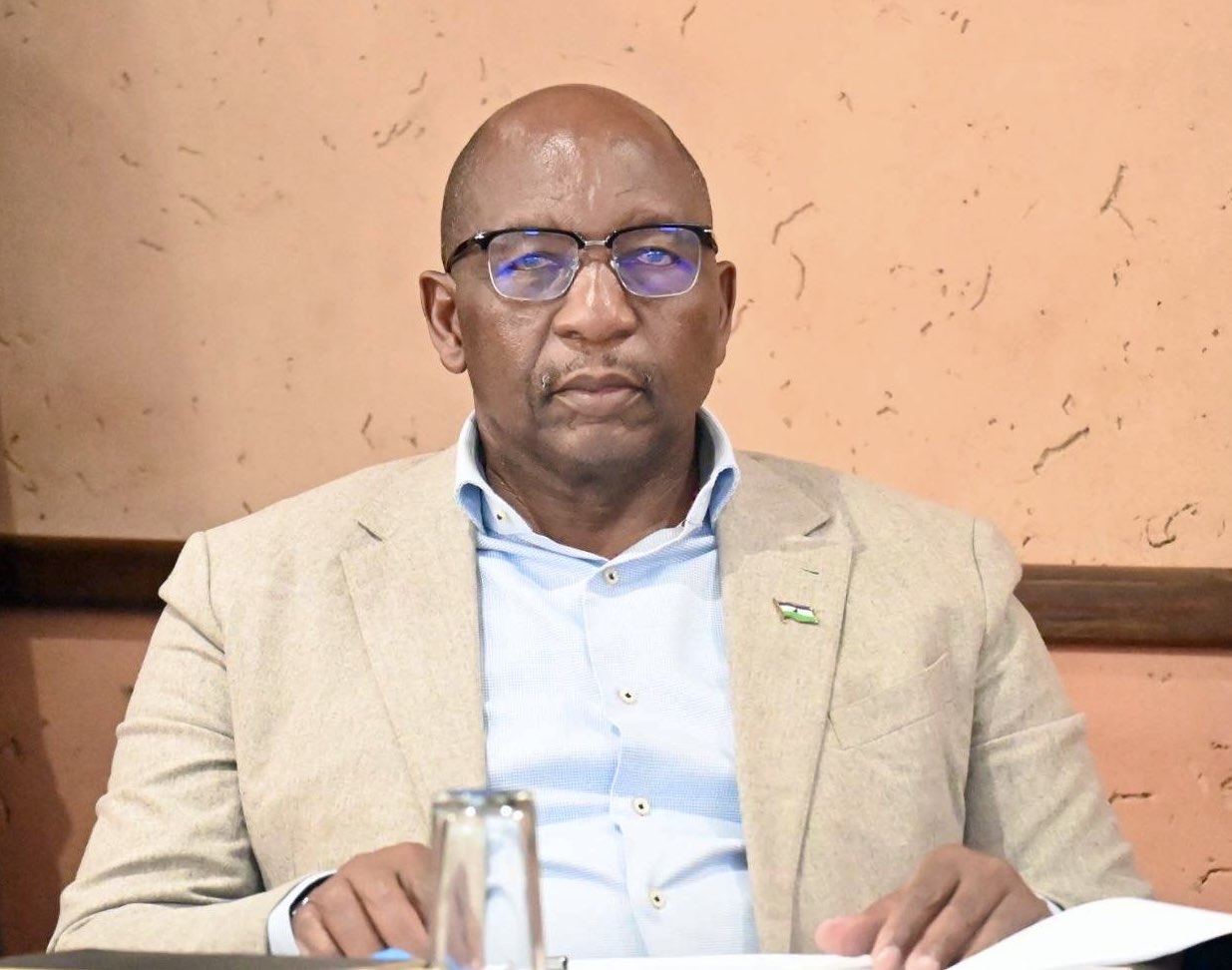


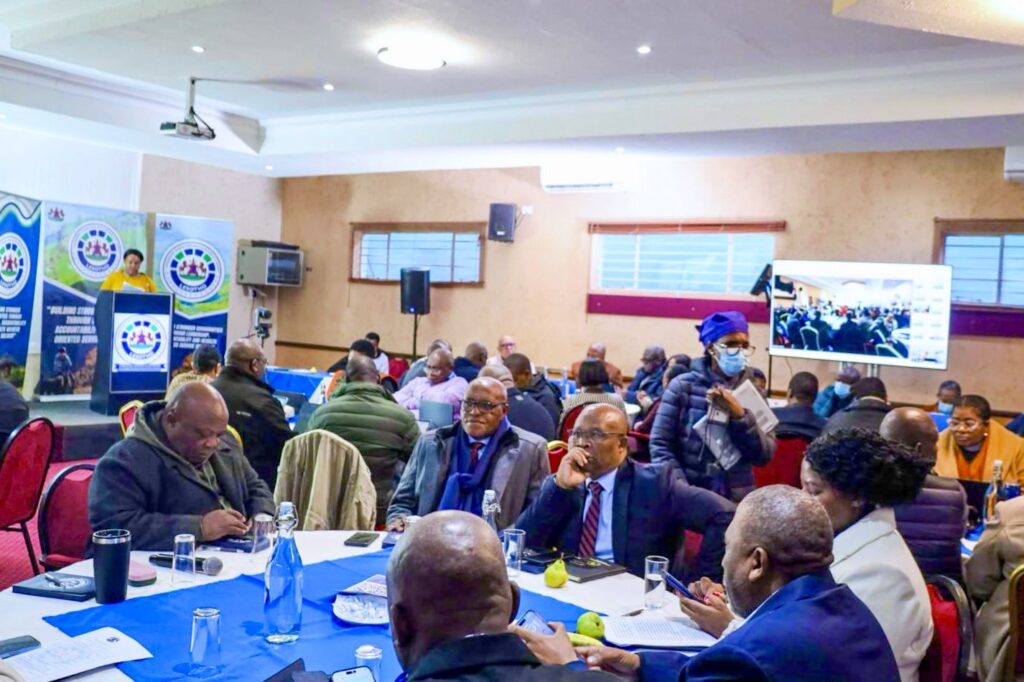
Lesotho is hosting a National Leadership Forum from 21–23 June 2026.
MASERU – Lesotho is intensifying efforts to strengthen governance and public service delivery, with Rwanda increasingly cited as a reference point in its reform drive.
The Kingdom is hosting a national leadership forum from 21–23 June 2026, followed by an accountability summit in July, both aimed at improving transparency, accountability, and citizen participation in government decision-making.
The initiatives are part of a wider effort to build a more effective public sector and close long-standing gaps in service delivery, while also creating direct channels for citizens to engage leaders on performance and governance challenges.
Deputy Prime Minister Justice Nthomeng Majara said Lesotho is deliberately drawing lessons from countries that have demonstrated strong governance systems, including Rwanda.
“The government is building a professional and accountable public service and we have undertaken various initiatives and drawn lessons from countries that have demonstrated excellence in governance, including Rwanda, whose achievements have earned international recognition,” she said.
Majara said the leadership forum will allow leaders to assess performance and identify bottlenecks in service delivery, while the accountability summit will give citizens and civil society a platform to question leaders directly.
Rwanda’s Governance Experience
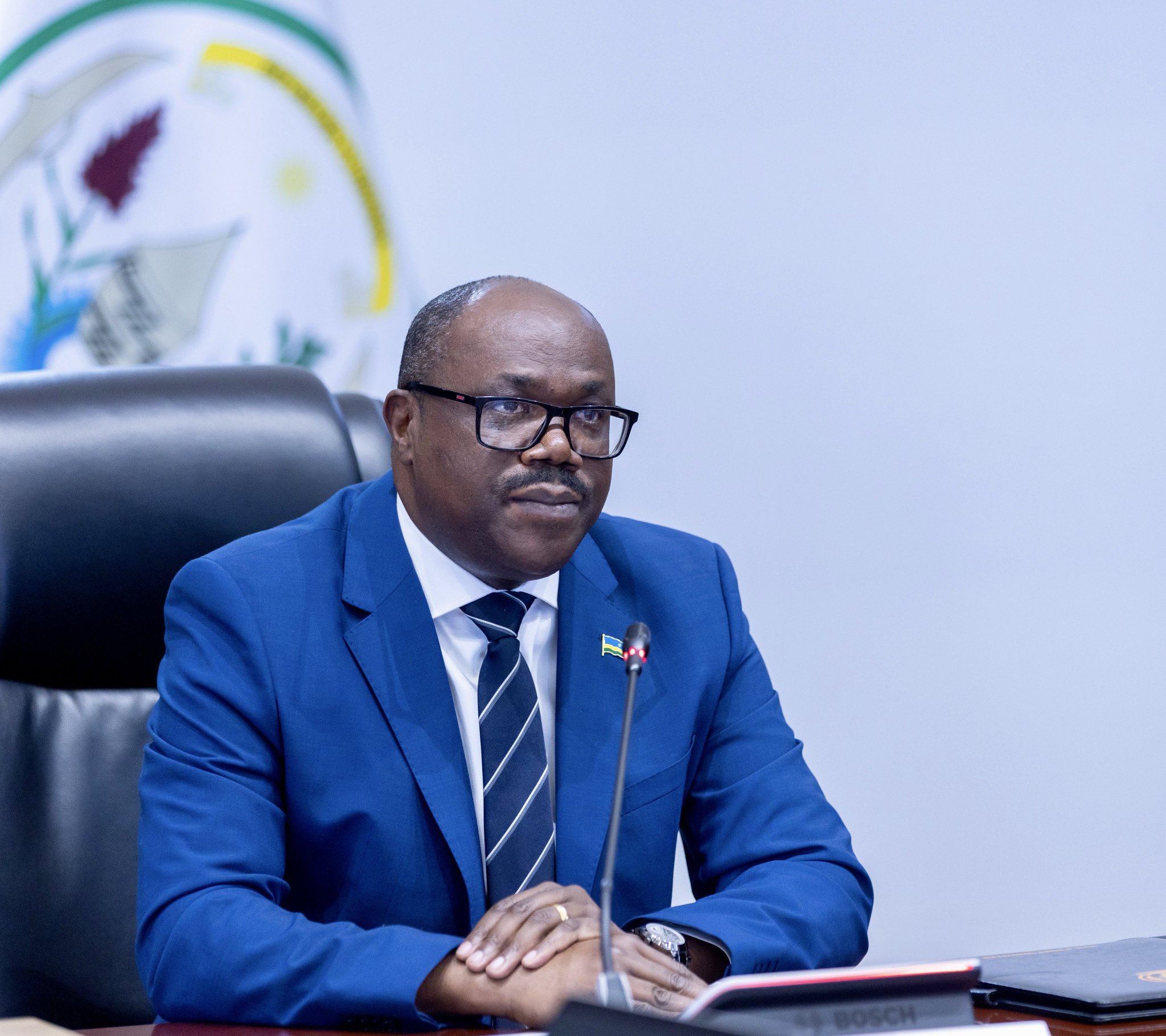
Prime Minister Dr. Justin Nsengiyumva, who represented President Paul Kagame, addressed the gathering virtually.
Rwanda’s participation in the forum was marked by Prime Minister Dr. Justin Nsengiyumva, who represented President Paul Kagame and addressed the gathering virtually on 22 June 2026.
He said Rwanda’s governance journey is shaped by its post-1994 reconstruction experience, but emphasized that each country must find its own path.
“When Rwanda reflects on its journey, we do so with humility, recognizing that every country has its own context and no model is universally transferable,” he said.
However, he added that Rwanda’s experience offers practical lessons that may help other countries strengthen governance systems and service delivery.
Planning, Accountability, and Citizen Participation
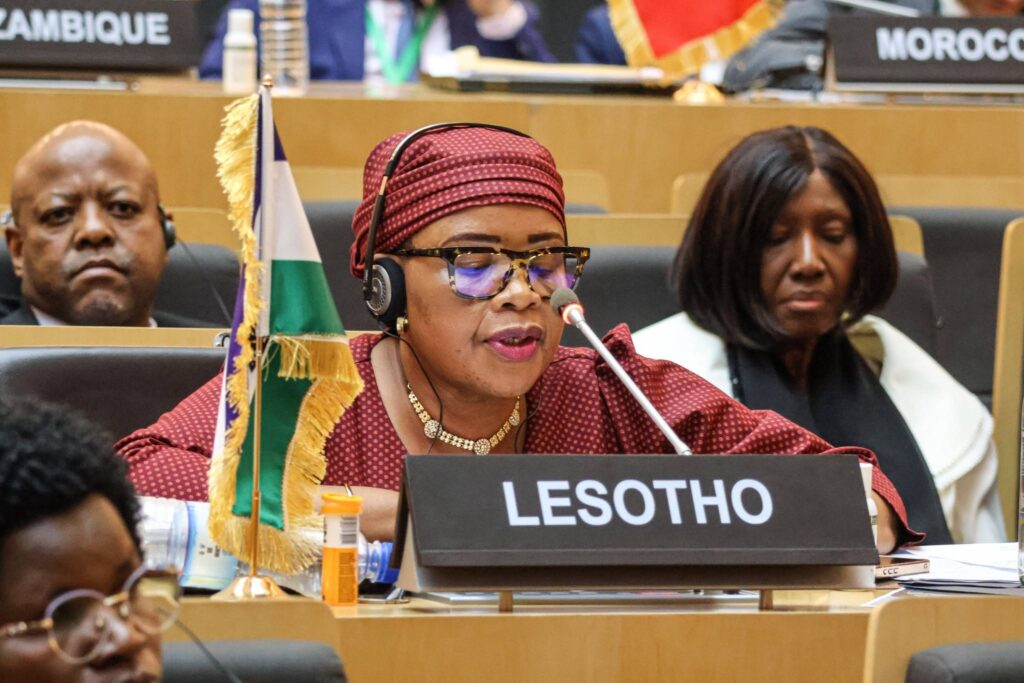
Deputy Prime Minister Justice Nthomeng Majara.
Nsengiyumva highlighted long-term planning as a key driver of Rwanda’s transformation, pointing to Vision 2020 and Vision 2050 as frameworks that helped align national priorities and institutions.
“The most important achievement was not any single statistic, it was creating a culture where long-term planning guided day-to-day decisions,” he said.
The Prime Minister said Rwanda’s approach is built on turning constraints into opportunities through institutional reform, digital governance systems such as Irembo, and stronger domestic resource mobilization.
“Development could not be something done for people. It had to be something done with them,” he said, emphasizing citizen-centered governance.
He also stressed accountability, noting that corruption undermines trust and must be confronted consistently. “No one is above the law,” he said.
Lesotho’s Reform Direction
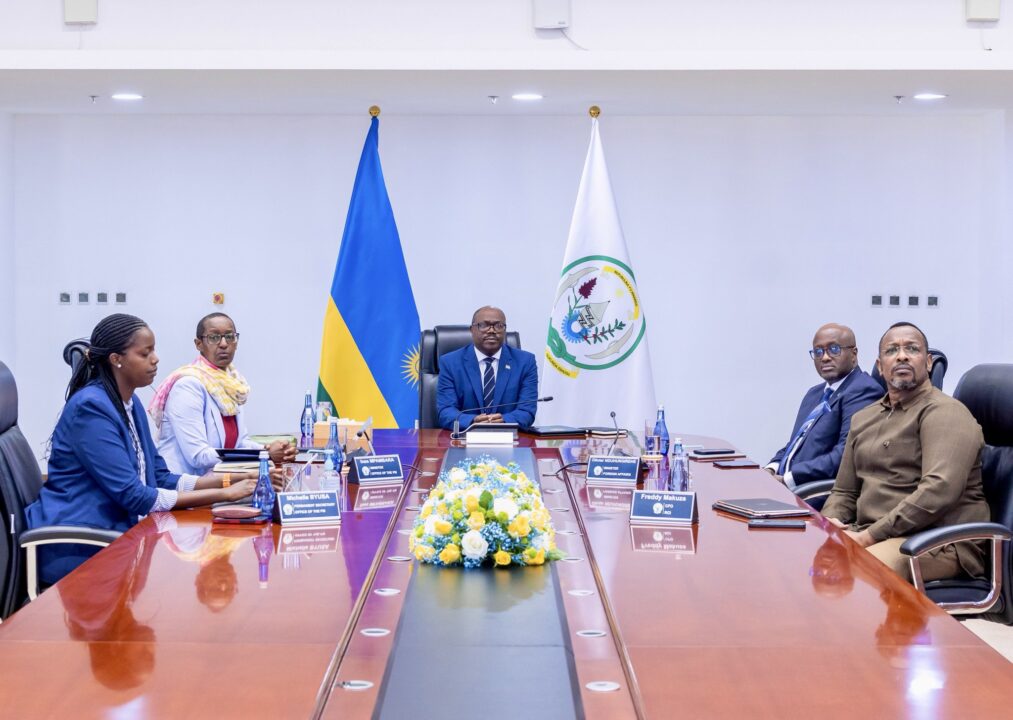
Lesotho is looking up to Rwanda for its exemplary performance in governance and public service delivery.
Lesotho’s Leadership Forum and accountability summit are expected to strengthen oversight of government performance and improve transparency in service delivery.
Officials say the accountability summit will bring citizens and NGOs face-to-face with leaders, allowing them to ask questions and demand explanations on governance challenges affecting communities.
The government says the reforms are aimed at building a more professional and responsive public service that is better aligned with citizens’ needs.
A Shift Toward Peer Learning in Africa
The engagement reflects a broader shift across Africa, where countries are increasingly looking to one another for governance lessons rather than relying solely on external models.
Nsengiyumva said while partnerships remain important, Africa’s progress will depend on how effectively countries strengthen their own institutions and mobilize internal capacity.
“Partnerships will remain important, but Africa’s future will be shaped by what we do with what is already within our reach,” he said.
He concluded that leadership must focus not only on managing present challenges, but on building systems that sustain long-term progress.
“Leadership is about more than managing the present; it is about helping people believe in a better future and creating the conditions to realize it,” he said.
As Lesotho advances its reform agenda, the engagement with Rwanda underscores a growing trend of African-led governance learning focused on accountability, citizen participation, and practical institutional reform.