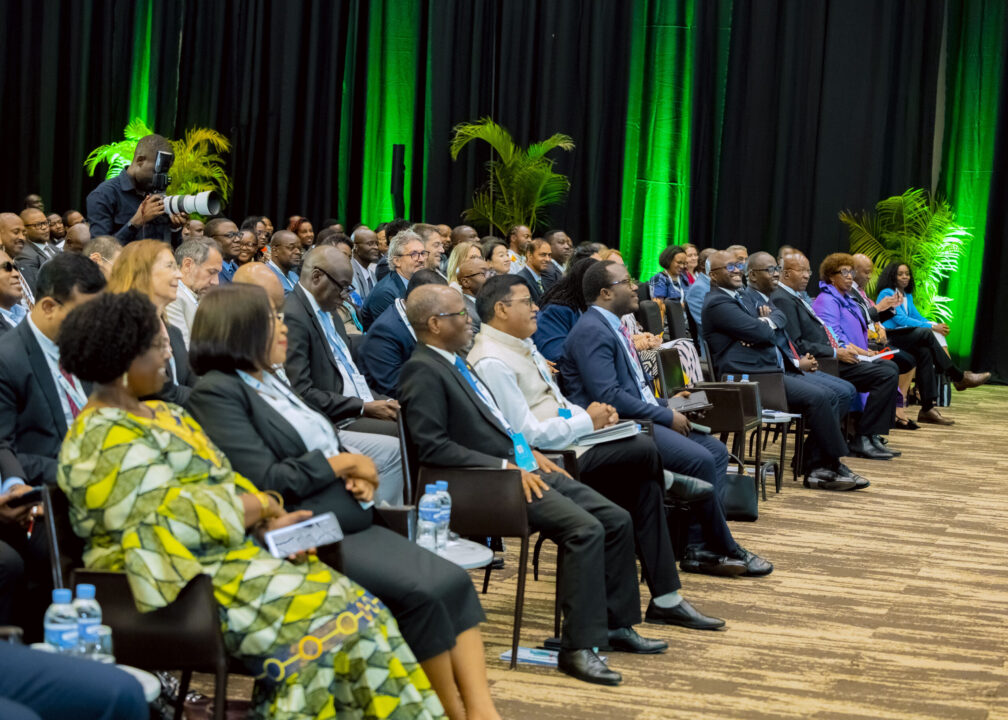
The inaugural convention on south-south and triangular cooperation is underway in Kigali.
KIGALI – As traditional development assistance comes under increasing pressure worldwide, Rwanda says that the future of development may depend less on donor funding and more on countries of the global south learning from one another.
At the inaugural convention on south-south and triangular cooperation, Rwanda’s Minister of Foreign affairs and international cooperation, Olivier Nduhungirehe, told delegates that developing countries can no longer afford to see themselves primarily as recipients of solutions.
“The story of development cooperation was told along a single axis of north to south, donor to recipient, teacher to student. But it was never the whole story, and it is certainly not the story of the world we live in now,” he said.
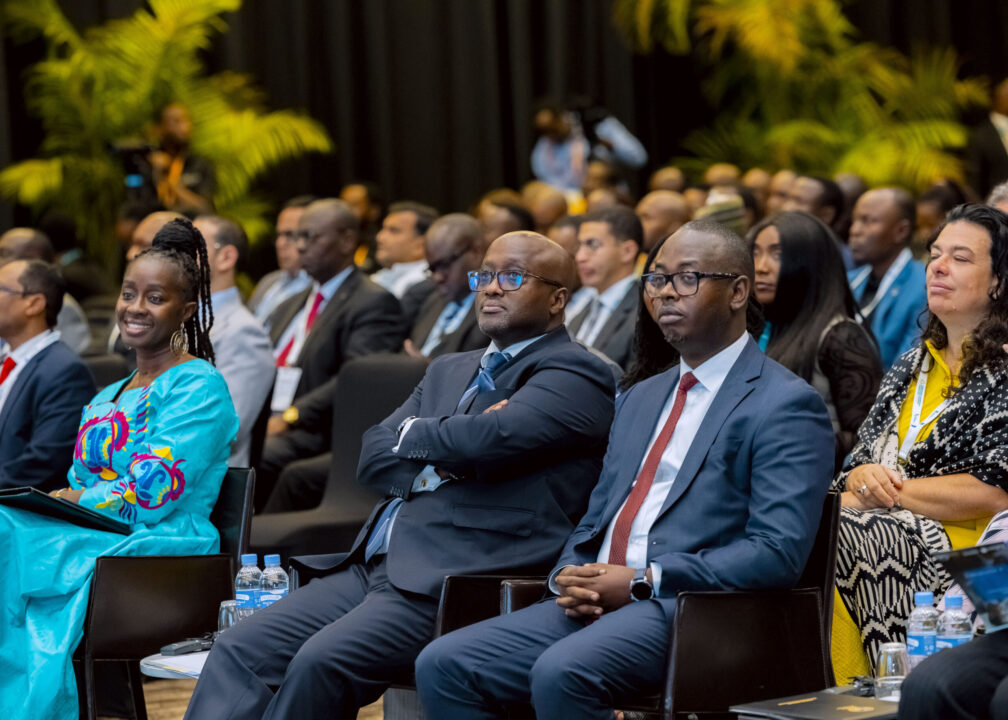
More than 350 delegates from 45 countries are gathered in Kigali for a forum bringing together ministers, diplomats, development agencies and business leaders to discuss how developing countries can work together to tackle common challenges.
Across much of the developing world, countries are grappling with rising debt, climate-related shocks and growing demands for public services. At the same time, traditional sources of development finance are becoming less certain.
A Different Development Conversation
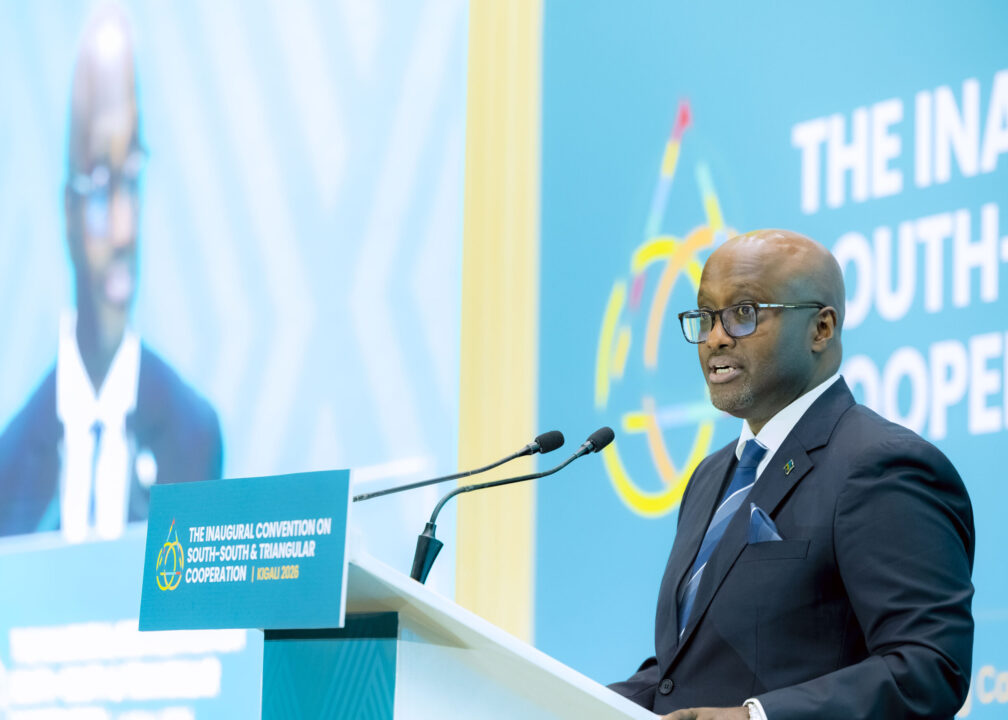
Minister of Foreign affairs and international cooperation, Olivier Nduhungirehe, says that developing countries can no longer afford to see themselves primarily as recipients of solutions.
For decades, development cooperation largely followed a familiar model where expertise and resources flowed from wealthy countries to poorer ones. However, experts say this model no longer reflects today’s realities.
Fortunately, some of the world’s most influential development solutions are increasingly being designed in the Global South.
“Many of the most relevant, replicable and affordable solutions to today’s development challenges are being designed in the Global South by people who live closest to the problems they are solving,” Nduhungirehe said.
The minister argued that South-South cooperation is no longer simply an alternative to traditional partnerships but is becoming an increasingly important pillar of development itself.
Leading by Example
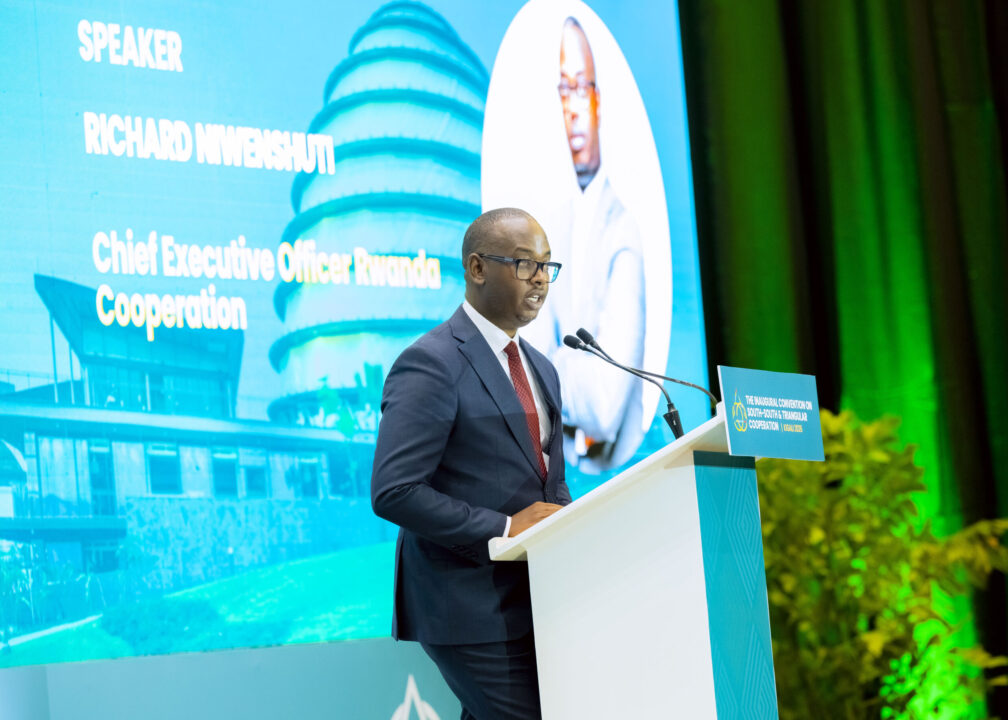
Richard Niwenshuti, Chief Executive Officer of Rwanda Cooperation addressing delegates.
Rwanda is increasing presenting itself as proof of that approach.
According to Richard Niwenshuti, Chief Executive Officer of Rwanda Cooperation, more than 10,500 delegates from 80 countries have visited Rwanda over the past seven years to study the country’s experience in governance, digital transformation and service delivery.
But increasingly, those exchanges are producing concrete reforms rather than ending as learning missions.
Rwanda is currently supporting Chad in implementing digital public finance and tax systems, working with Guinea on procurement reforms, collaborating with Eswatini on public financial management initiatives and helping Jamaica modernize its court systems.
“These joint initiatives and collaboration on tested reforms and solutions indicate the readiness of the Global South to learn from each other and accelerate shared prosperity,” Niwenshuti said.
The challenge now, speakers agreed, is to ensure that knowledge exchange translates into measurable results.
Turning Learning into Action
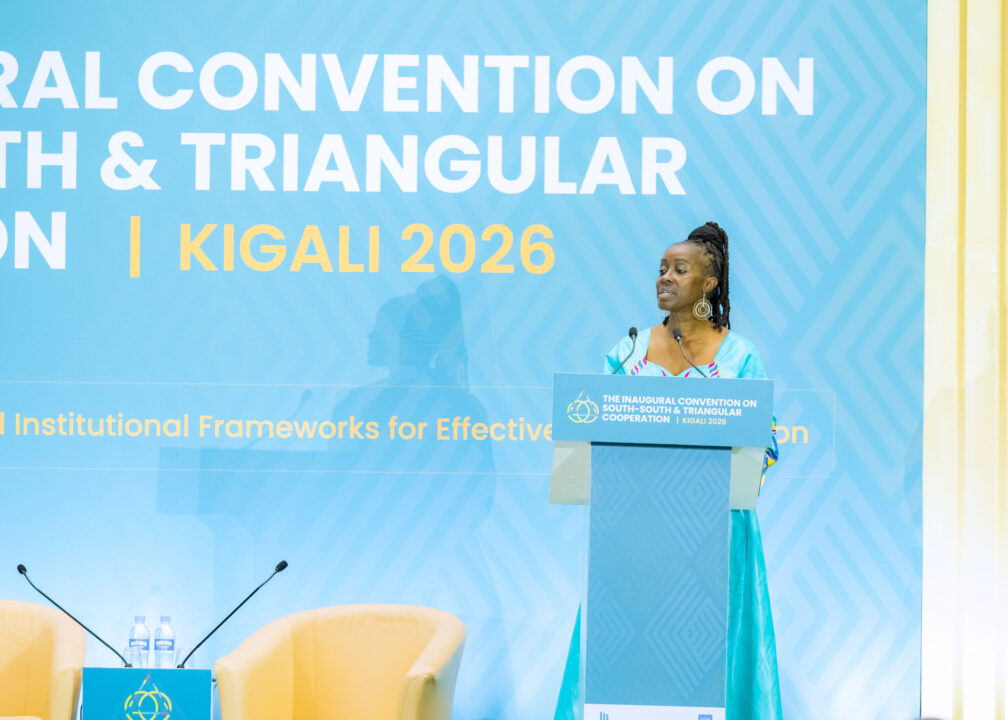
United Nations Resident Coordinator and UNDP Resident Representative in Rwanda, Dr. Fatmata Lovetta Sesay speaking at the convention.
United Nations Resident Coordinator and UNDP Resident Representative in Rwanda, Dr. Fatmata Lovetta Sesay reflected on years of development exchanges facilitated by Rwanda and its partners.
“How do we ensure that learning does not end at the gate?” she asked, pointing to Rwanda’s YouthConnekt platform, community health worker model and digital public services as examples of innovations that have already attracted interest from other countries.
Yet she argued that successful cooperation depends on more than sharing technology or policy ideas. Trust in institutions, she said, remains essential.
Drawing on Rwanda’s response to the recent Marburg outbreak, Sesay said public confidence in government institutions helped maintain stability and confidence during a period of uncertainty. “South-South cooperation will not work when we do not have trust,” she said.
Building the Next Development Architecture
The strongest sign that South-South cooperation may be entering a new phase came from Dima Al-Khatib, Director of the United Nations Office for South-South Cooperation.
She announced that the UN is preparing to launch a new Global Alliance for South-South and Triangular Cooperation aimed at connecting governments, development agencies, financing institutions and research organizations around shared development priorities.
The initiative comes as Africa’s influence in global development continues to grow.
Nearly half of more than 1,000 documented Southern development solutions catalogued by the UN originate from Africa. More so, Africa’s economic growth is expected to remain above the global average in the coming years
“The challenge now is to scale what works, strengthen coordination and enhance complementarities,” Al-Khatib said, noting that, this challenge increasingly defines the future of development cooperation.
As aid flows come under pressure and countries search for affordable, proven solutions, Rwanda is betting that some of the most effective answers may already exist within the Global South itself.
And if the conversations in Kigali are any indication, the next chapter of development may be shaped less by donors and more by partners learning from one another.