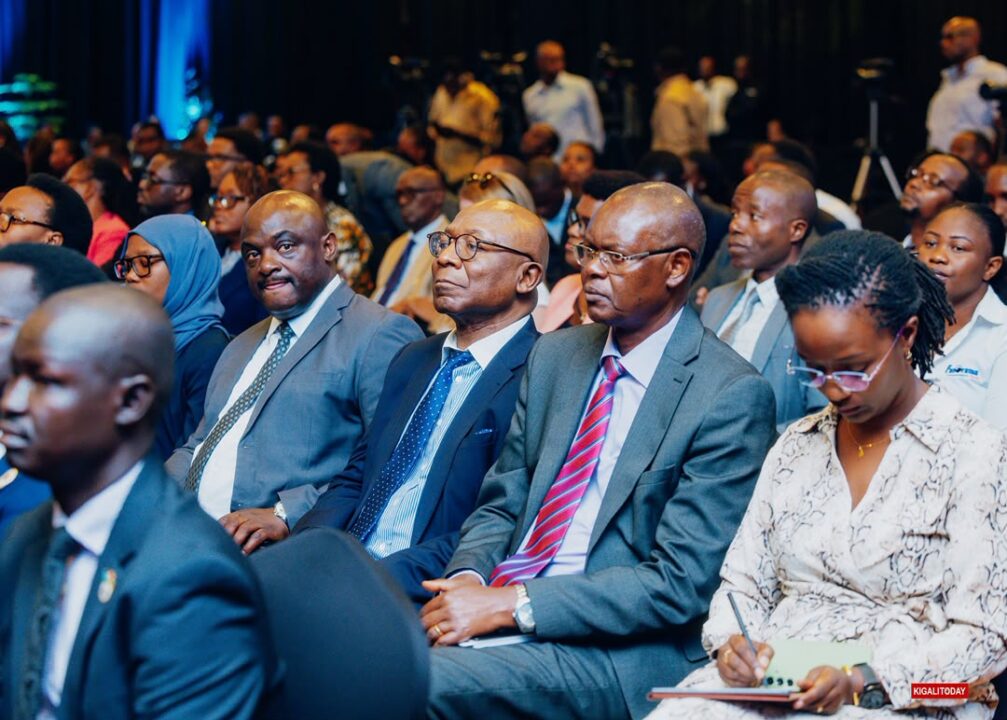
The second Monetary Policy and Financial Stability Statement for 2026 was presented on Thursday.
KIGALI – The National Bank of Rwanda (BNR) is working with financial institutions to resolve cases in which money sent through the newly launched eKash platform is delayed or fails to reach the intended recipient altogether.
BNR Governor Dr. Soraya Hakuziyaremye said on Thursday that the central bank has moved to address problems that could undermine confidence in digital payments although the rejection rate had fallen below 2% by September.
“Following the full rollout of eKash, there have been some operational issues, as can happen with any new platform deployment,” Hakuziyaremye said following the presentation of BNR’s second Monetary Policy and Financial Stability Statement for 2026.
She concurred that there are still cases where a person sends money and the recipient does not receive it immediately and BNR is now working with both the institution from which a transaction originates and the institution expected to receive it to establish where a delayed payment has stalled and whether it can still be completed.
The intervention is particularly important as digital payments become increasingly embedded in everyday financial transactions, where delays can leave customers uncertain about whether their money has been lost, is still being processed or will eventually reach the intended recipient.
Rwanda’s national digital payment system, eKash, recorded a sharp increase in usage, with active accounts rising from 2.03 million in September 2025 to 10.3 million in September 2026.
Monthly transactions also surged from 1.9 million to 28.9 million over the same period, while the system maintained an average transaction success rate of 97.8% since its rollout, according to the National Bank of Rwanda’s October 2026 financial sector report.
The report linked eKash’s rollout to faster growth in digital payments, with the value of retail payments reaching Rwf27.8 trillion in the first half of 2026, a 36% increase from Rwf20.4 trillion during the same period last year.
Rwanda’s National Instant Payment System is intended to enable fast, convenient payments around the clock, improve interoperability between payment providers, reduce transaction costs and encourage competition and innovation in the financial sector.
What Happens When an Ekash Transfer Fails?

BNR Governor Dr. Soraya Hakuziyaremye.
BNR says customers should not be left carrying the loss when a transaction cannot be completed.
“Where a transaction cannot reach the intended beneficiary, the funds should be returned. Rwanda’s consumer-protection framework requires such refunds to be handled in a timely manner,” Hakuziyaremwe said.
The central bank has also providing a channel for customers who encounter unresolved problems. Users can contact BNR through its social-media platforms or the Intumwa chatbot and provide details of the transaction and the payment service providers involved.
BNR can then establish what happened to the transaction and whether it can still be completed or whether the funds should be refunded.
The Governor said the central bank continues to work with financial institutions to address the remaining rejected transactions and improve the reliability of the platform.
The rejection rate of below 2% recorded by September means that the overwhelming majority of eKash transactions go through successfully, but BNR’s intervention shows that the regulator is also focusing on what happens when digital payments do not work as expected.
As more customers move their financial transactions onto digital platforms, the central bank is also dealing with another risk of fraudsters exploiting customers themselves rather than weaknesses in the payment infrastructure.
Fraud Remains Largely a Human-Targeted Problem
During the same discussion, Hakuziyaremwe further explained that the central bank’s concern over cyber fraud should not be interpreted as evidence that digital identity systems such as e-KYC are themselves the main source of risk.
“The main concern regarding cyber fraud is not necessarily e-KYC itself. Most cyber fraud cases are currently linked to social engineering and scams,” she said.
These include fraudulent calls and other schemes designed to persuade customers to disclose information or provide access to their wallets and accounts. The distinction matters as Rwanda expands digital onboarding and payment services.
Digital systems can make financial services faster and more convenient, but customers can still be vulnerable when fraudsters manipulate them into handing over information or access.
BNR says e-KYC is intended to make it possible for customers to be securely verified and onboarded digitally, while the central bank continues to work with financial institutions and law-enforcement agencies to strengthen safeguards against fraud.
The challenge of delayed transactions and customer-targeted fraud point to the same requirement for Rwanda’s expanding digital financial system where convenience must be matched by reliability and protection.
BNR’s response has therefore moved beyond simply expanding digital financial services to ensuring that customers can use them with greater confidence, knowing that there are mechanisms to address both failed transactions and emerging digital risks.


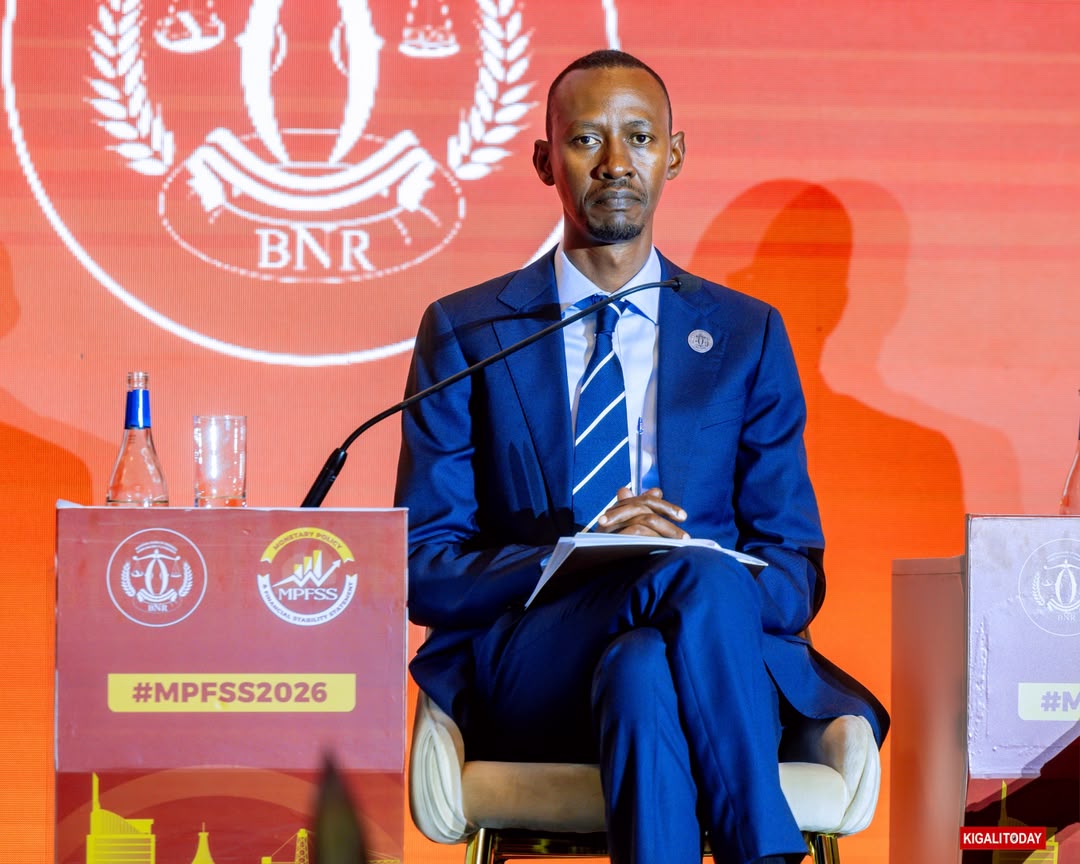
Bernard Nsengiyumva, the Executive Director of the Financial Stability Directorate at BNR.