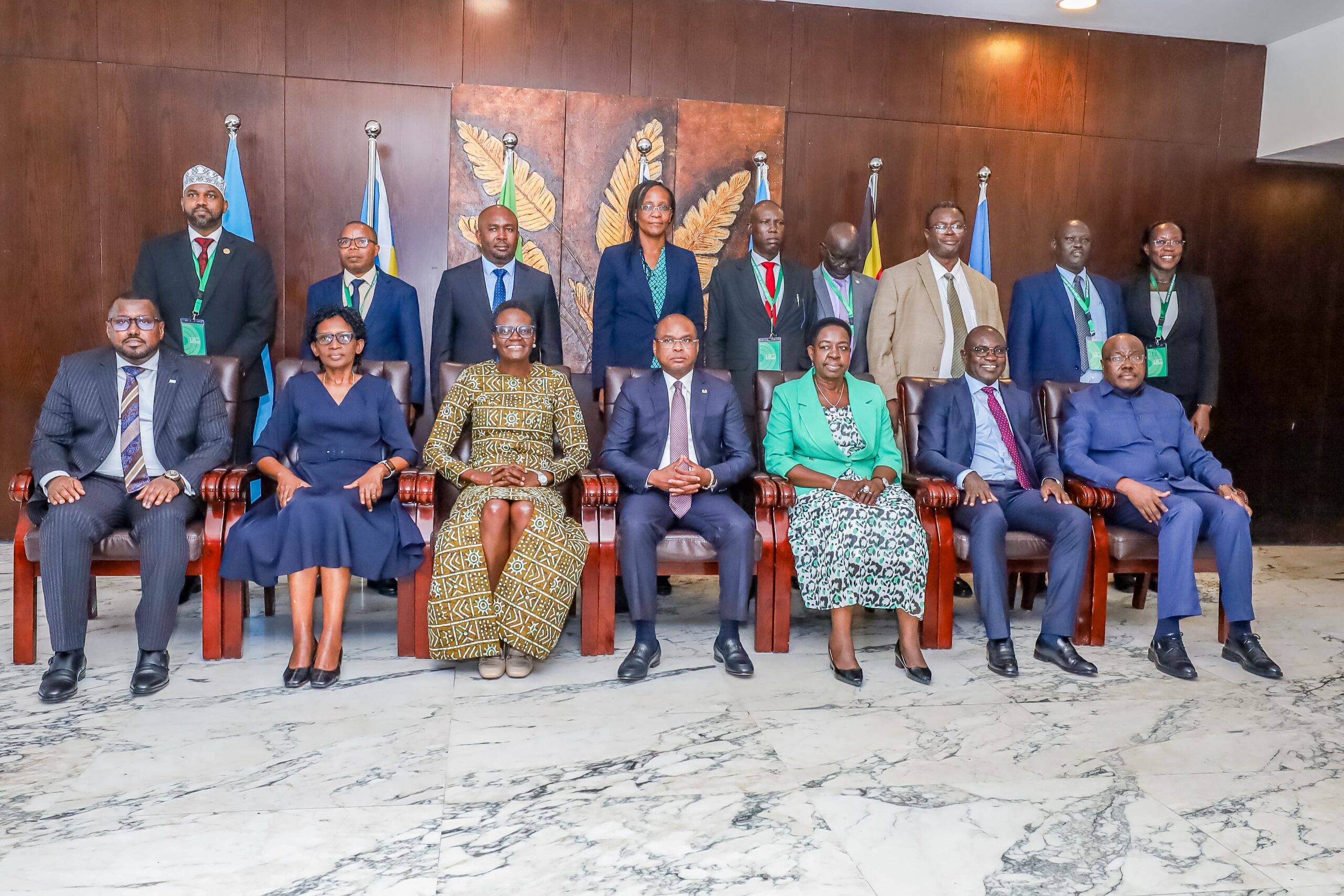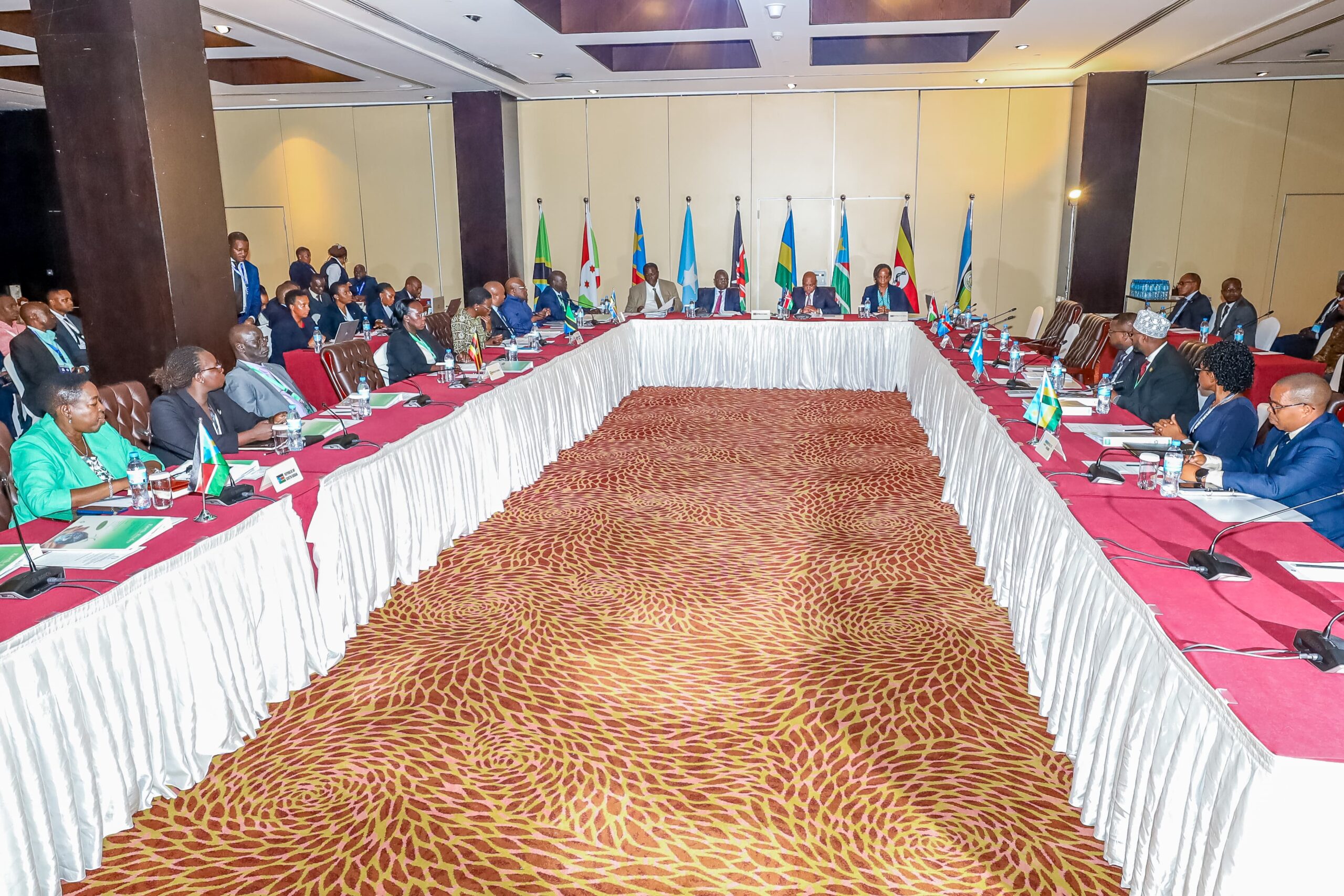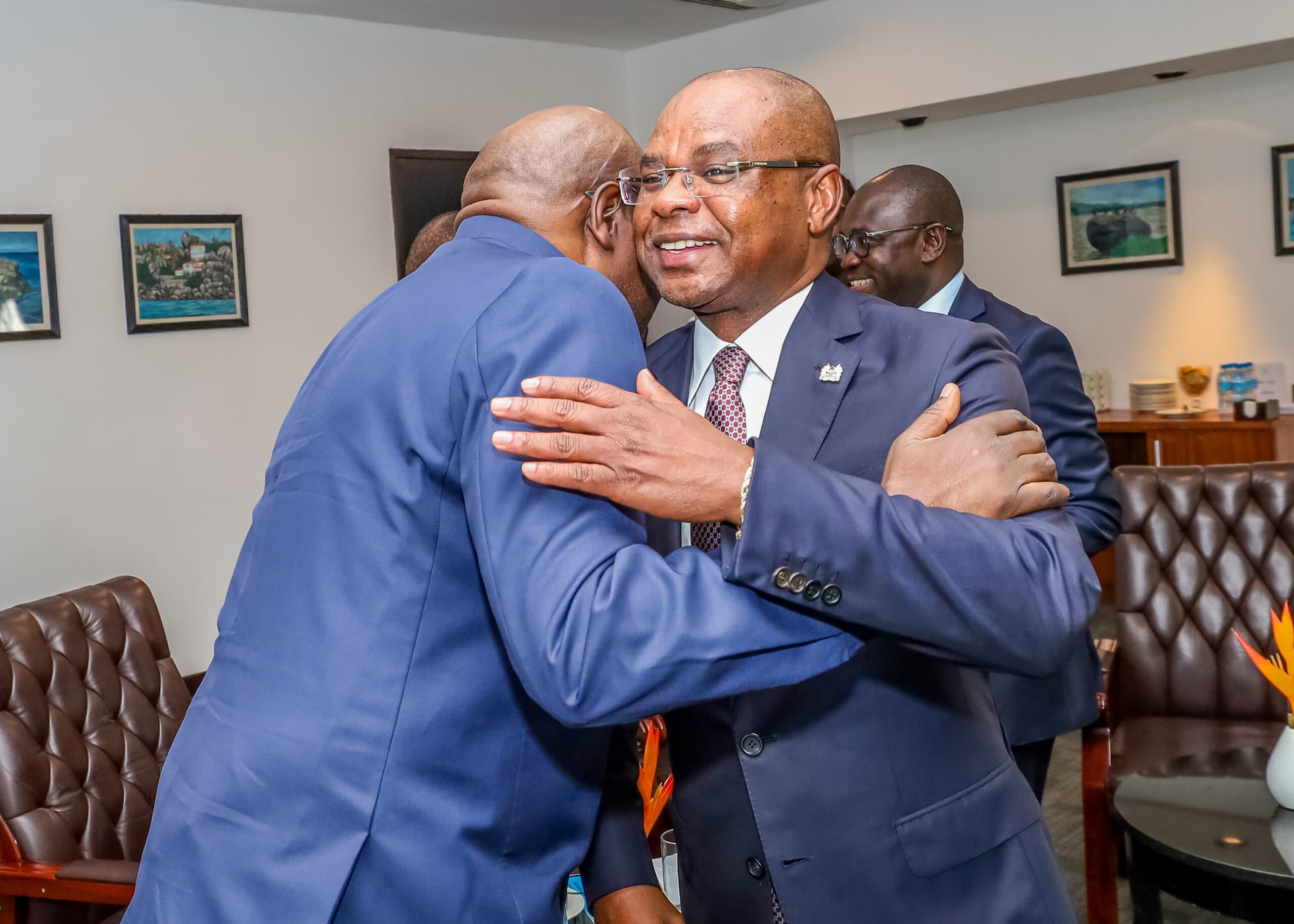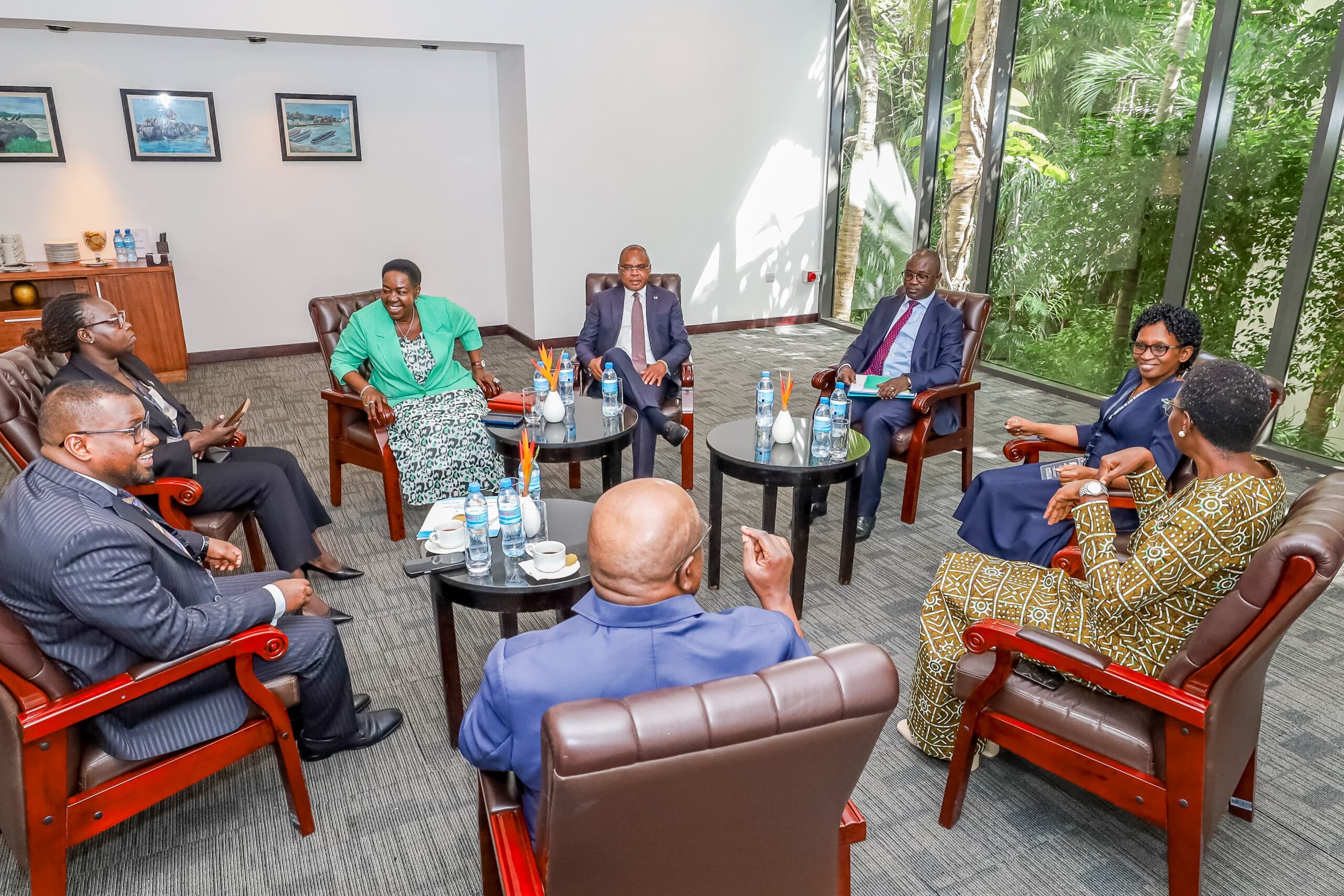
The Parliament Speakers from the EAC bloc meeting in Dar es Salaam, Tanzania, from their rotation annual conference
The Democratic Republic of Congo (DRC) was notably absent from the 19th Meeting of the Bureau of Speakers of the East African Community (EAC), held in Dar es Salaam, Tanzania—a continuation of its growing detachment from regional integration efforts.
The annual meeting, which brought together Speakers and Deputy Speakers from EAC partner states, aimed to reinforce inter-parliamentary collaboration and address challenges in the EAC integration process.
Despite being a newly admitted member of the bloc, the DRC has increasingly distanced itself from EAC affairs, a move that stems from Kinshasa’s frustration over the regional body’s perceived neutrality in the ongoing conflict in eastern Congo.
The roots of this tension lie in the EAC’s deployment of a regional force to eastern DRC in 2022–2023, intended to create a buffer zone between government troops and rebel groups, notably the M23.
However, Kinshasa accused the EAC mission of failing to confront rebel forces and undermining Congolese sovereignty.
The Congolese government ultimately forced the withdrawal of the EAC force and instead invited the Southern African Development Community (SADC) to intervene. That effort too eventually unraveled, as the conflict grew more complex and regional tensions deepened.
For some time since at least 2022, DRC has not attended several high profile EAC events. However, Kinshasa has filed two high profile cases against Rwanda at the East African Court of Justice (EACJ), accusing Kigali of being the cause of the insecurity in the east – which the latter has denied.
At the Dar es Salaam meeting, Parliamentary delegates from Kenya, Rwanda, South Sudan, and Somalia were present. Uganda and Burundi, though absent physically, sent messages of solidarity.
Speaker of Rwanda’s Chamber of Deputies, Rt. Hon. Gertrude Kazarwa attended the session.
Somalia’s representative, Rt. Hon. Abdullahi Omar Abshirrow, reaffirmed the country’s commitment to the EAC and shared updates on Somalia’s preparations for electing its nine representatives to the East African Legislative Assembly (EALA).
In contrast, DRC’s silence and absence reinforced growing speculation that the country may be re-evaluating its membership altogether, or at least pausing its full participation until it feels its concerns are acknowledged.
The Bureau meeting itself focused on strengthening regional unity, advancing AI and digital transformation as regional development pillars, and enhancing parliamentary roles in driving integration.
Tanzania’s Speaker, Rt. Hon. Dr. Tulia Ackson, emphasized the need for solidarity, regional digital initiatives, and collective prosperity.
EALA Speaker, Rt. Hon. Joseph Ntakirutimana (Burundian), highlighted financial constraints and the need for all member states to honor their contributions to support EAC operations.
Kenya’s parliamentary delegation, led by Hon. David Ochieng on behalf of Speaker Moses Wetang’ula, called on member states to recommit to the founding ideals of the Community.
Other speakers echoed the need for peace, cooperation, and resilience in light of geopolitical shifts and climate change challenges.
With DRC’s absence now becoming a pattern in EAC affairs, its future in the bloc remains uncertain.
The next Bureau of Speakers meeting is scheduled for November 2025 in Bujumbura, Burundi, where further discussion on the EAC’s integration agenda—and potentially DRC’s role in it—will continue.