



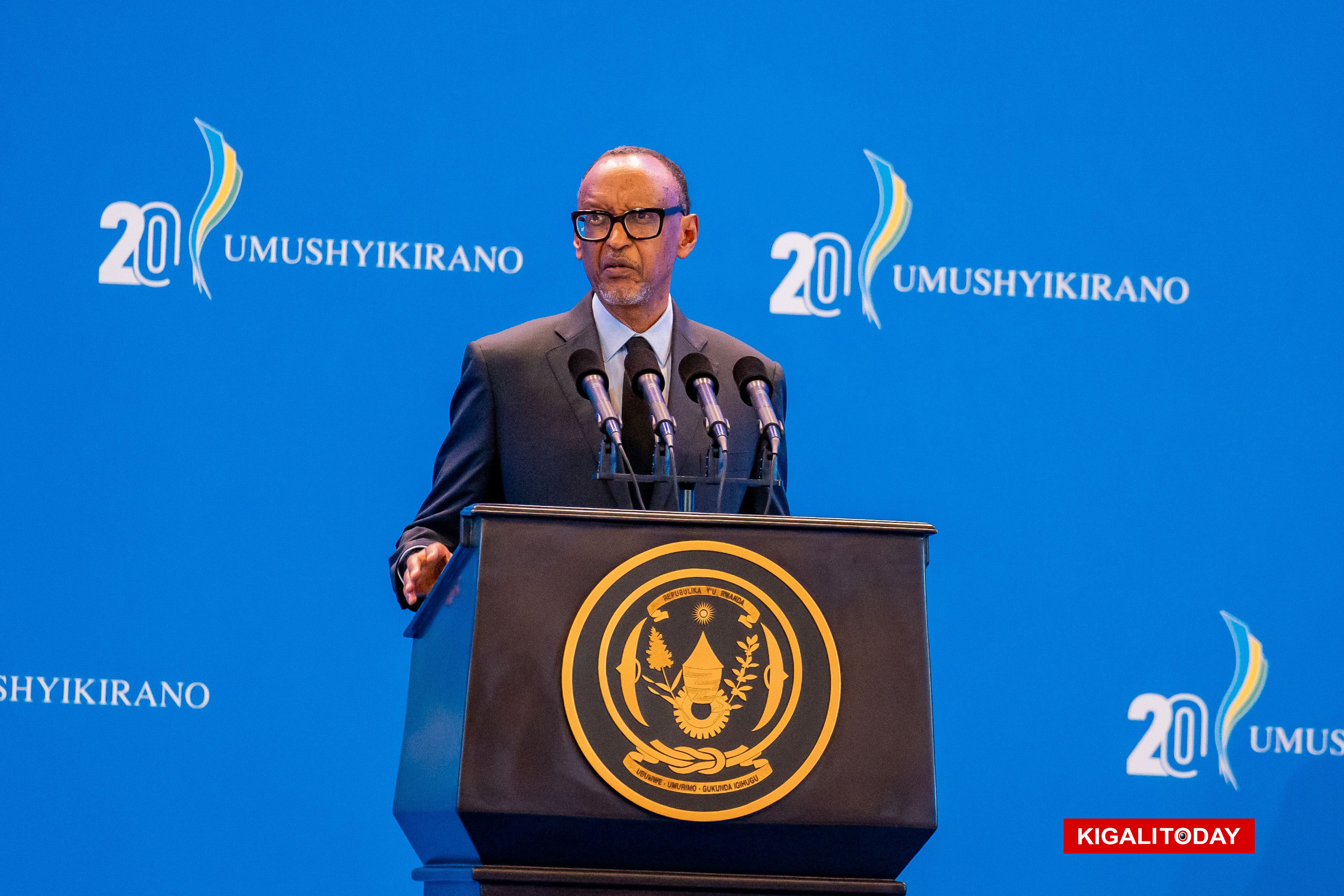
President Paul Kagame Thursday delivered a stern warning to government institutions and public officials responsible for stalled and delayed development projects, saying mismanagement and indifference—especially when workers are left unpaid—should never have been, and will no longer be tolerated.
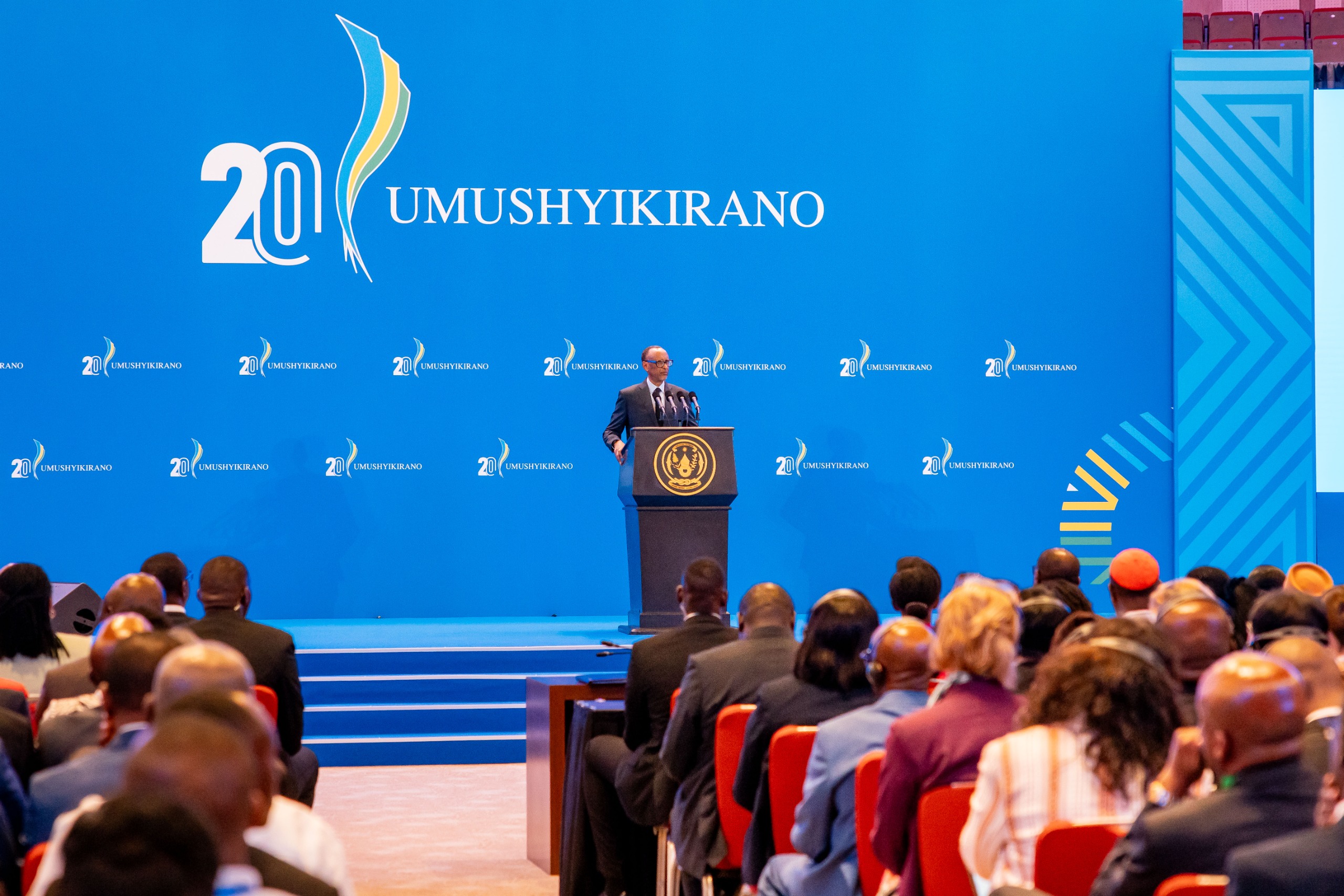
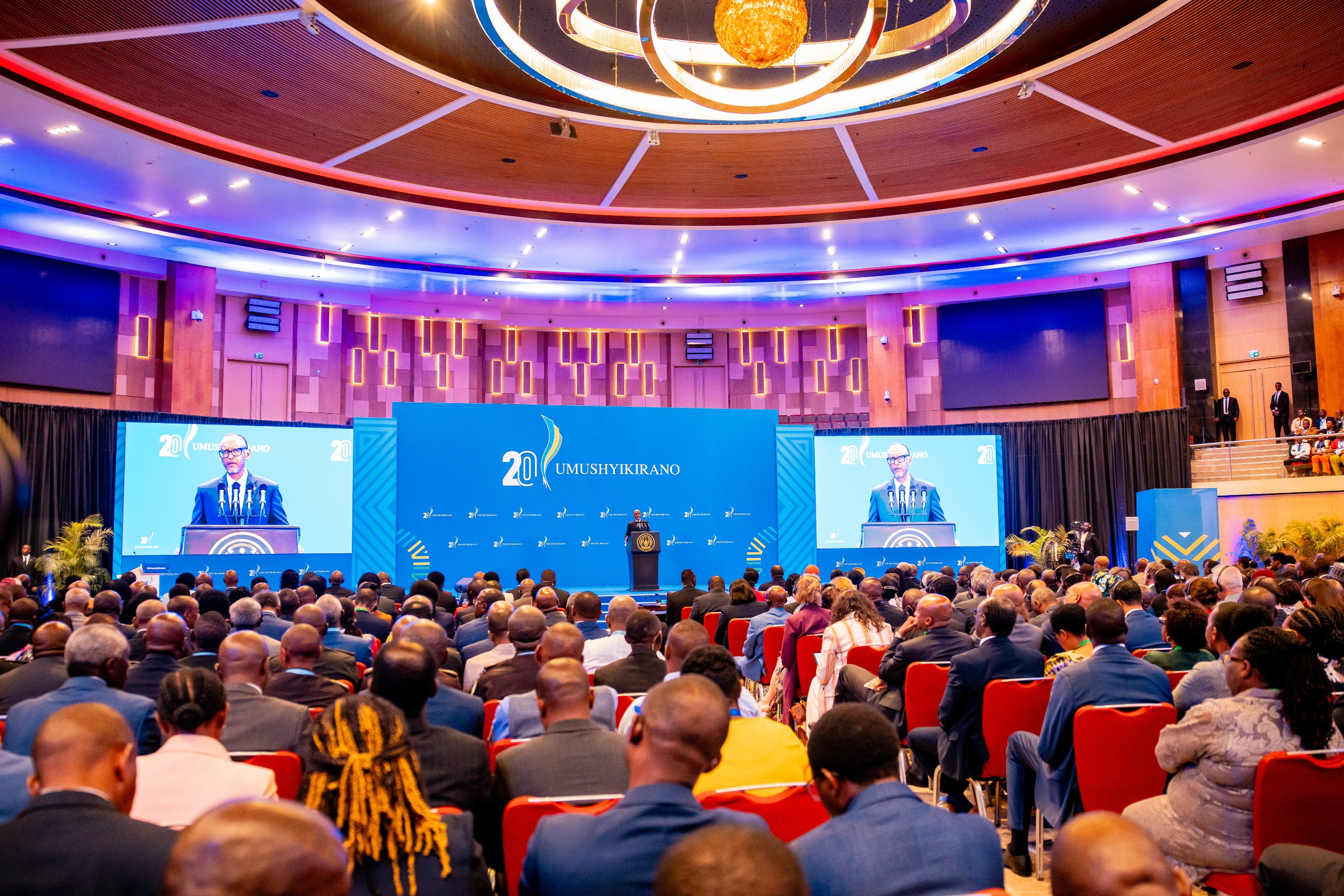
Opening the 20th National Umushyikirano Council (National Dialogue) at the Kigali Convention Centre, Kagame placed accountability and delivery at the centre of his message, calling on leaders to take direct responsibility for public resources entrusted to them.
The two-day annual forum brings together citizens, public officials, private sector actors, and members of the Rwandan diaspora to review progress under the Second National Strategy for Transformation (NST2), confront persistent challenges, and openly shape national priorities.
Unfinished Projects, Unpaid Workers
The President’s remarks came against the backdrop of findings by Parliament’s Public Accounts Committee (PAC) for the 2024–2025 financial year, which revealed that 18 government-funded projects worth Rwf 16.3 billion were completely stalled and left unfinished.
According to the report, several key state institutions were responsible for the delays, notably water utility WASAC Ltd, the Rwanda Transport Development Agency (RTDA), and the Rwanda Electricity Distribution Company Ltd (EUDCL).
The committee cited poor planning, weak supervision, and financial mismanagement, which led to losses of public funds and unfinished infrastructure.
Kagame told the nation amid pin-drop silence that the most painful consequence of these failures is borne by ordinary citizens—particularly workers and contractors who are abandoned without pay while officials continue to receive salaries.
“Officials get paid so they have nothing to worry about?” Kagame asked. “But the ordinary people—especially during this past festive season—people who had been abandoned by project managers without payment had nothing to celebrate. That must not be allowed to continue. It must be stopped immediately.”
He stressed that leaders must provide concrete answers, not excuses.
“Those responsible should be held accountable. And they shouldn’t just respond in whatever way—they must give concrete responses or face consequences.”
Accountability Beyond Explanations
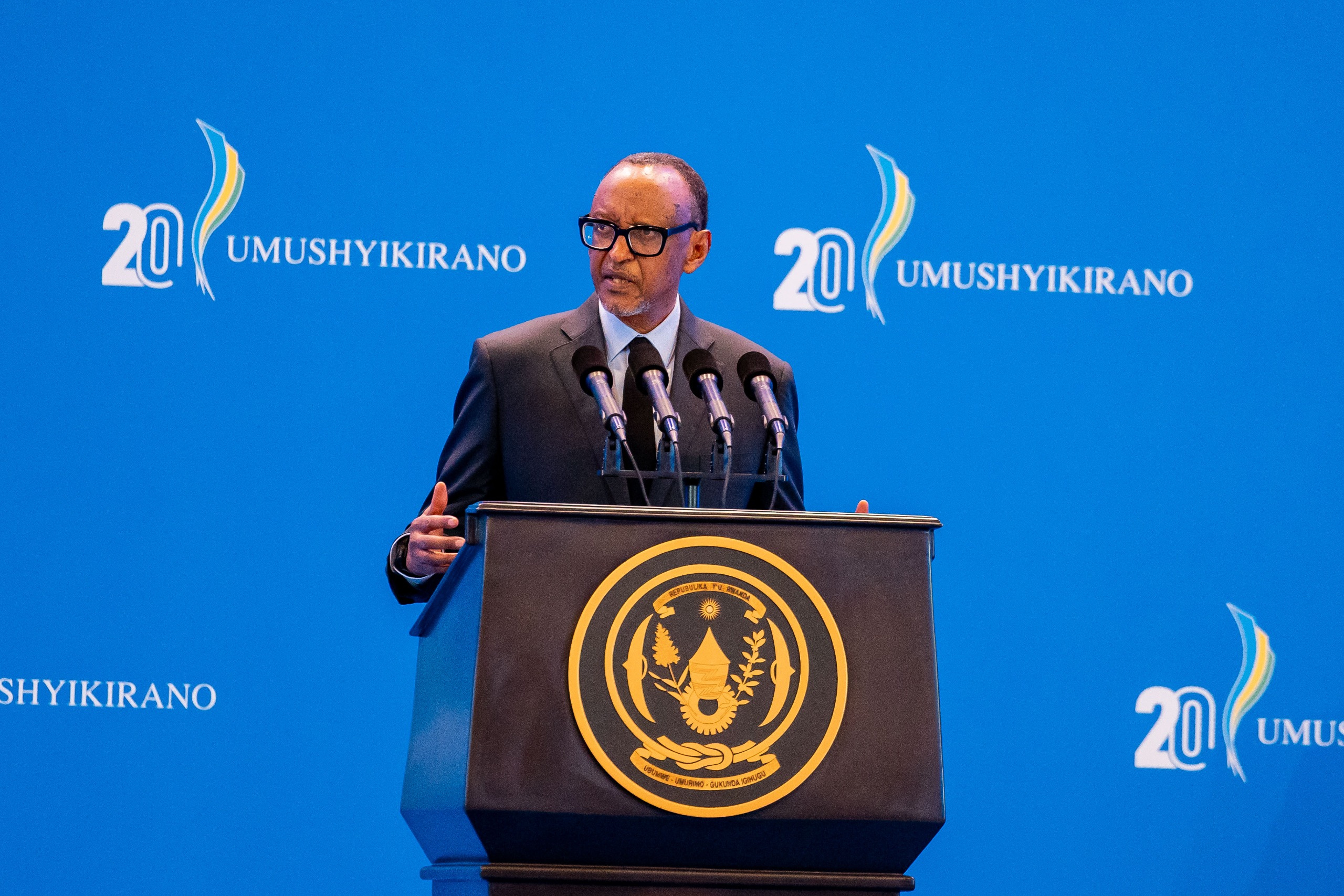
The President emphasized that accountability must go beyond being summoned to explain delays. He said consequences must follow when responsibilities are not fulfilled.
“If the responsibilities assigned to you are not carried out properly, you must be held accountable,” he said. “It’s not just about being questioned so you can respond as you wish—you should also face consequences.”
Speaking in Kinyarwanda, Kagame challenged officials to explain how they use public resources.
He said: “If you have been given responsibilities, what have you used those resources for? Have you used them for their intended purpose or for your own interests? If it is known, you should be questioned about it.”
Progress Made, But Not Enough
While acknowledging gains achieved under NST2, Kagame said Rwanda must move faster and more consistently to meet its development goals.
“The figures show that we have made progress,” said the Head of state. “However, for a country like ours, considering both the challenges we face and the opportunities available, that progress is not sufficient.”
He added that Rwanda has already demonstrated the capacity to do more.
“What we have gone through so far shows us that we have the will and the strength to fast-track our country’s development.”
Unity, Self-Reliance, and Responsibility
 Kagame concluded by reaffirming Rwanda’s core principles of unity, self-reliance, and internal accountability, warning against dependency and complacency.
“We will always want to stay together. We will always be accountable to ourselves first. And we are not going to stop thinking big.”
He underscored the philosophy of Kwigira—self-reliance—as a shared national duty: “Self-reliance is the goal, the plan, and the responsibility we must all carry.”
After dealing with internal issues, Kagame moved on to regional and international issues, particularly addressing the conflict in eastern Congo.
As Umushyikirano continues, the President’s message set a clear tone: delivery matters, excuses do not, and those entrusted with public resources will be expected to account for every delay, every franc, and every abandoned worker.
