



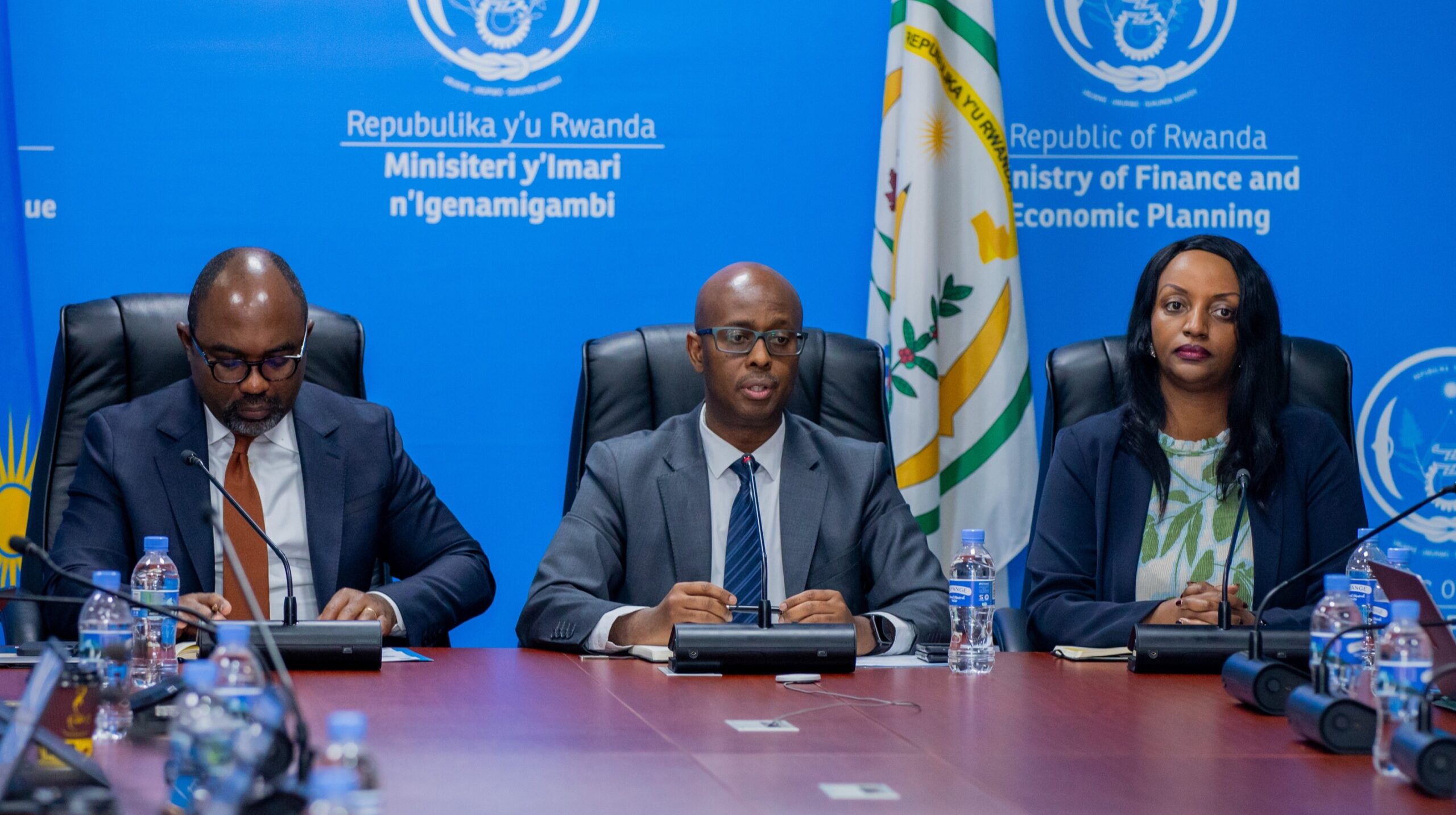
Finance Minister Yusuf Murangwa speaks during the press briefing on Thursday, alongside Natioanl Bank of Rwanda Governor, Soraya Munyana Hakuziyaremye (R) and Albert Touna Mama, who led the I.M.F. mission to Rwanda
KIGALI, Rwanda — The government has reached agreement with the International Monetary Fund for a $250 million funding program, as Rwanda scrambles to shield its economy from the cascading effects of the war in the Middle East.
The 38-month arrangement, announced Thursday under the I.M.F.’s Extended Credit Facility, is designed to help Rwanda manage rising inflation, mounting fiscal pressures, and a worsening trade deficit — all aggravated by surging global oil and fertilizer prices triggered by the conflict. Final approval by the I.M.F.’s executive board is expected in June.
“Rwanda’s economy remains resilient with strong 2025 growth, but prolonged war in the Middle East and tighter financing could pressure inflation, external balance, and debt,” said Albert Touna Mama, who led the I.M.F. mission to Rwanda.
The country posted a surprising 9.4 percent growth rate in 2025, but the outlook has darkened since. Inflation climbed to 9.2 percent in February 2026, well above the central bank’s target, and growth is expected to slow to 6.8 percent this year.
While coffee and mineral exports have bolstered the external position, imports — especially equipment and materials for local businesses — remain high. Foreign exchange reserves are still comfortable, covering more than four months of imports.
Under the new program, Rwanda has pledged a series of reforms to keep the economy stable and rebuild policy buffers. The National Bank of Rwanda will maintain a tight monetary policy to bring inflation down to its medium-term target of 5 percent.
Authorities also plan to allow greater exchange rate flexibility, tighten controls on foreign-funded capital spending, and pursue a credible medium-term budget plan, including a new revenue strategy.
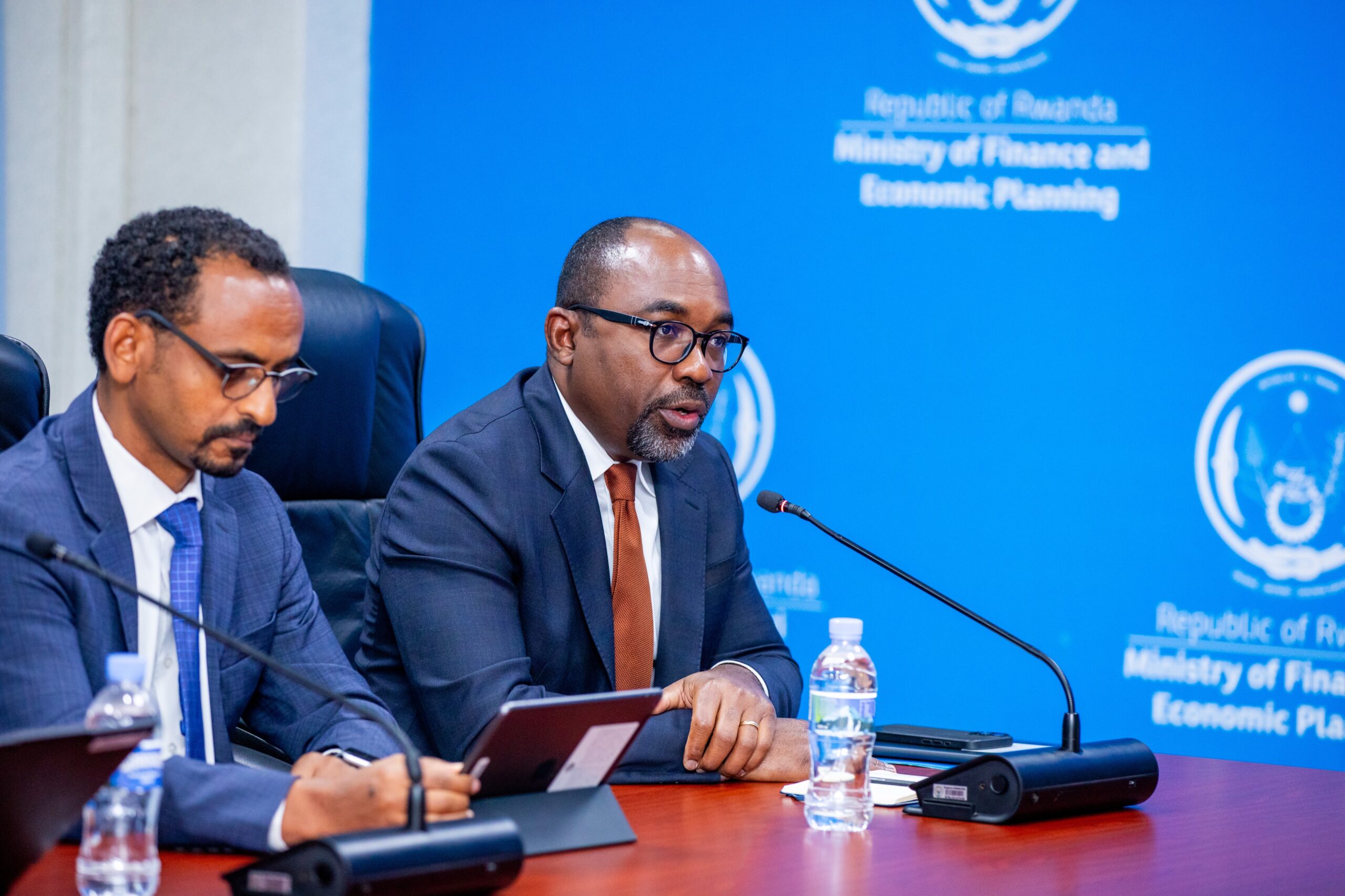
“We are pleased with the progress on the program, which will cushion the impact of the Gulf war and declining budget support while sustaining Rwanda’s growth, investment ambitions and structural transformation,” said Yusuf Murangwa, the minister of finance and economic planning.
Repeated economic shocks, funding needs for priority projects, and a long-term drop in low-cost foreign aid have challenged Rwanda’s efforts to rebuild its financial buffers.
But I.M.F. officials noted that sound economic adjustments, Rwanda’s ability to attract private investment, and supportive trade flows offer some upside potential.
“The government remains committed to implementing the reforms under this program to protect Rwandans from external shocks while building a stronger, more self-reliant economy,” Mr. Murangwa added.
