



One of the peculiarities of the 1994 genocide against the Tutsi was, like during the Holocaust, the eagerness by some women to commit genocide and other crimes against humanity. It is difficult to come up with an exhaustive list, but there are a few who will always be remembered for their cruelty and the blood they shed, as ring leaders.
Agathe Kanziga Habyarimana
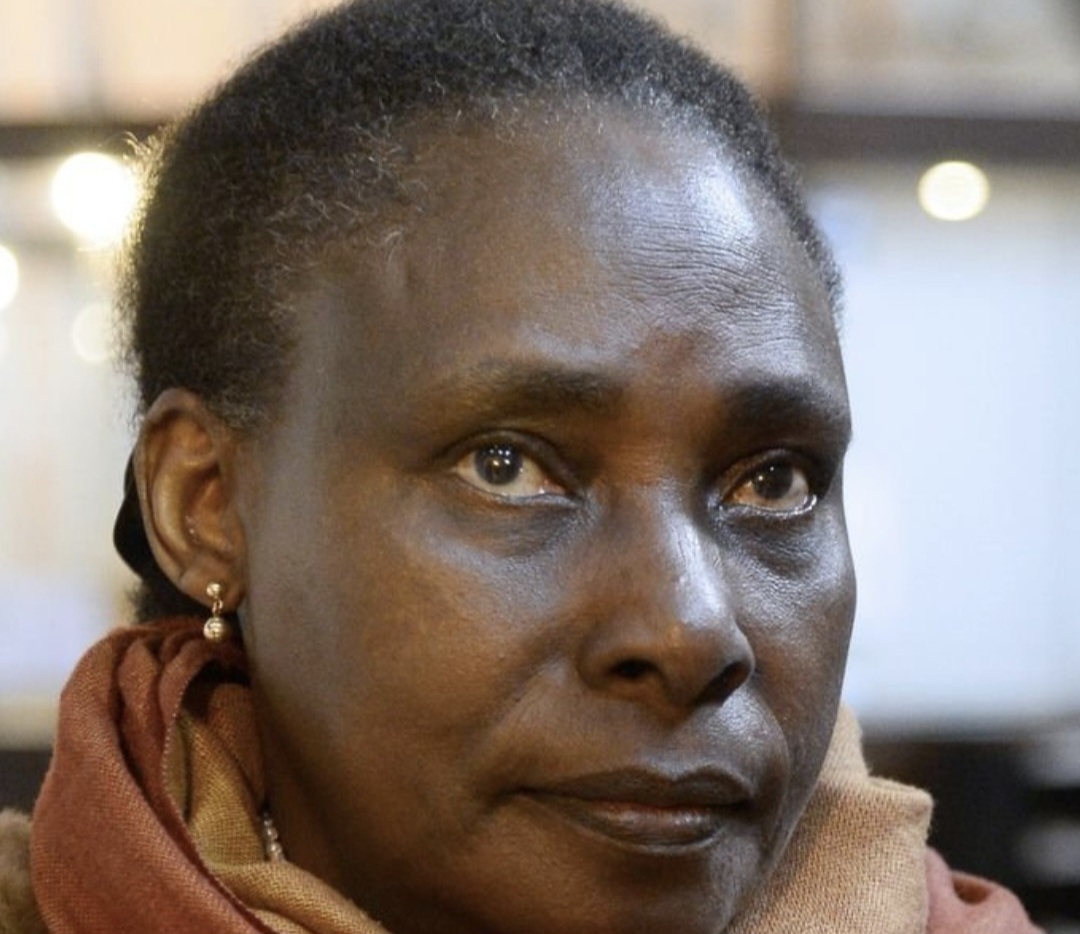
While many were convicted, and some are now on trial, others including former First Lady, Agatha Kanziga Habyarimana, and Esperance Karwera Mutwe, an advisor in the Ministry of Foreign Affairs during the genocide, remain at large.
Kanziga, now protected by France, played a central role in the “first circle of power” of the genocidal regime known as ‘Akazu’, also described as “Madame’s clan”. The latter coordinated various political, economic, military and media circles, among others. She played a predominant role in the launch and control of the extremist newspaper Kangura and the hate radio station, Radio-Television Libre des Mille Collines (RTLM), whose broadcasts incited people to kill the Tutsi.
Karwera was also director of information and propaganda in the then ruling Mouvement Républicain National pour le Développement et la Démocratie (MRND), a political party largely responsible for planning and executing the 1994 genocide against the Tutsi
The Sovu nuns
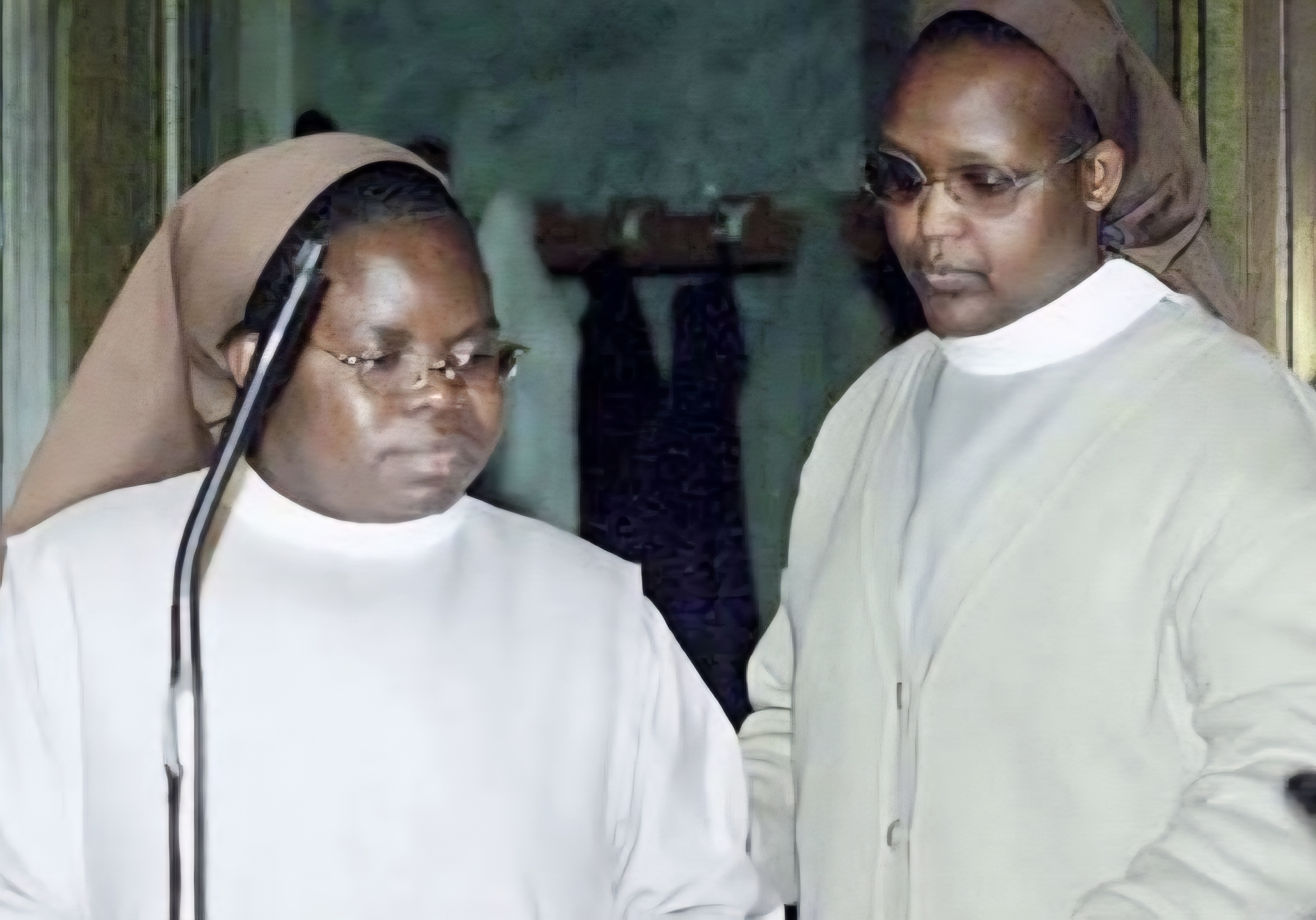
The fate of hundreds of the Tutsi who took refuge in the Benedictine Sisters’ Monastery in Sovu and at their Health Center is well documented. The nun in charge of the monastery, Consolata Mukangango (Sister Gertrude) and her colleague Julienne Mukabutera (Sister Kizito) refused to receive them, but the Tutsi convincingly entered the monastery, while others went to the health center.
The massacres there, from April 22 to 25, 1994, saw the direct involvement of Gertrude, then 42, and Kizito who was 36. According to the National Commission for the Fight against Genocide (CNLG), from April 17, 1994, more than 10,000 Tutsi started to flock to the monastery for safety. On April 25, the nuns poured fuel on the garage where the refugees were and set it on fire. About 7,000 people died that day. Later, Sister Kizito who had a list took time as she checked to see if everyone on it was dead.
That day, the leader of the Interahamwe militias from Sovu, Adjutant Emmanuel Rekeraho and his men returned to the monastery to kill the remaining Tutsi who were hiding inside the premises. Sister Kizito encouraged Rekeraho to get rid of these refugees. The latter begged her to spare them, but she refused. On that very day, 1,000 people were murdered. According to CNLG, Gertrude put pressure on other nuns who had about 30 relatives hiding in the monastery to expel them or else they would also be killed with them, but they refused.
On May 5, Gertrude wrote a letter to the mayor of Huye Commune, Jonathan Ruremesha, asking for assistance to get rid of the refugees. The mayor obliged and, on May 6, brought police officers and Interahamwe to kill the remnants of Tutsi refugees at Soju Monastery. After the genocide, Sister Gertrude and Sister Kizito sought refuge in Belgium where they were arrested and tried for genocide crimes. On April 17, 2001, a court in Belgium sentenced them to 15 and 12 years, respectively. Upon completion of their sentences, they were released and went to live at the Maredret Monastery, near Namur, the capital of the Wallonia region of Belgium.
Pauline Nyiramasuhuko
Born April 1, 1946, Nyiramasuhuko, was one of the key players in the genocide against the Tutsi in Butare. During the genocide, she was the Minister of Family Welfare and Advancement of Women. She was convicted of having incited the military and Hutu militias-Interahmawe to rape and kill Tutsi women.
She was tried for genocide and incitement to rape as part of the “Butare Group” at the International Criminal Tribunal for Rwanda (ICTR) in Arusha, Tanzania. In June 2011, she was convicted of seven charges and sentenced to life in prison. She became the first woman to be convicted of genocide by the ICTR and the first woman to be convicted of genocidal rape.
During her trial, the court heard how she asked her son, Arsène Shalom Ntahobari, to organise militias to take part in the kidnap and rape of women and girls in Butare. She would also force people to undress before loading them on to trucks taking them to their death. Ntahobari who was in his early 20s at the time of the genocide was also found guilty and sentenced to life. Presiding Judge William Sekule said scores of ethnic Tutsi were killed after taking refuge in a local government office.
“Hoping to find safety and security, they instead found themselves subject to abductions, rapes, and murder. The evidence… paints a clear picture of unfathomable depravity and sadism,” he said. When the RPF-Inkotanyi seized power in July 1994, Nyiramasuhuko fled to the former Zaire, now the Democratic Republic of Congo (DRC) with the rest of the genocidal regime.
In a Congolese refugee camp, in 1995, she told the BBC: “I couldn’t even kill a chicken. If there is a person who says that a woman, a mother, could have killed, I’ll tell you truly then I am ready to confront that person.” Three years later, she was arrested in Kenya and later transferred to the ICTR.
Beatrice Munyenyezi
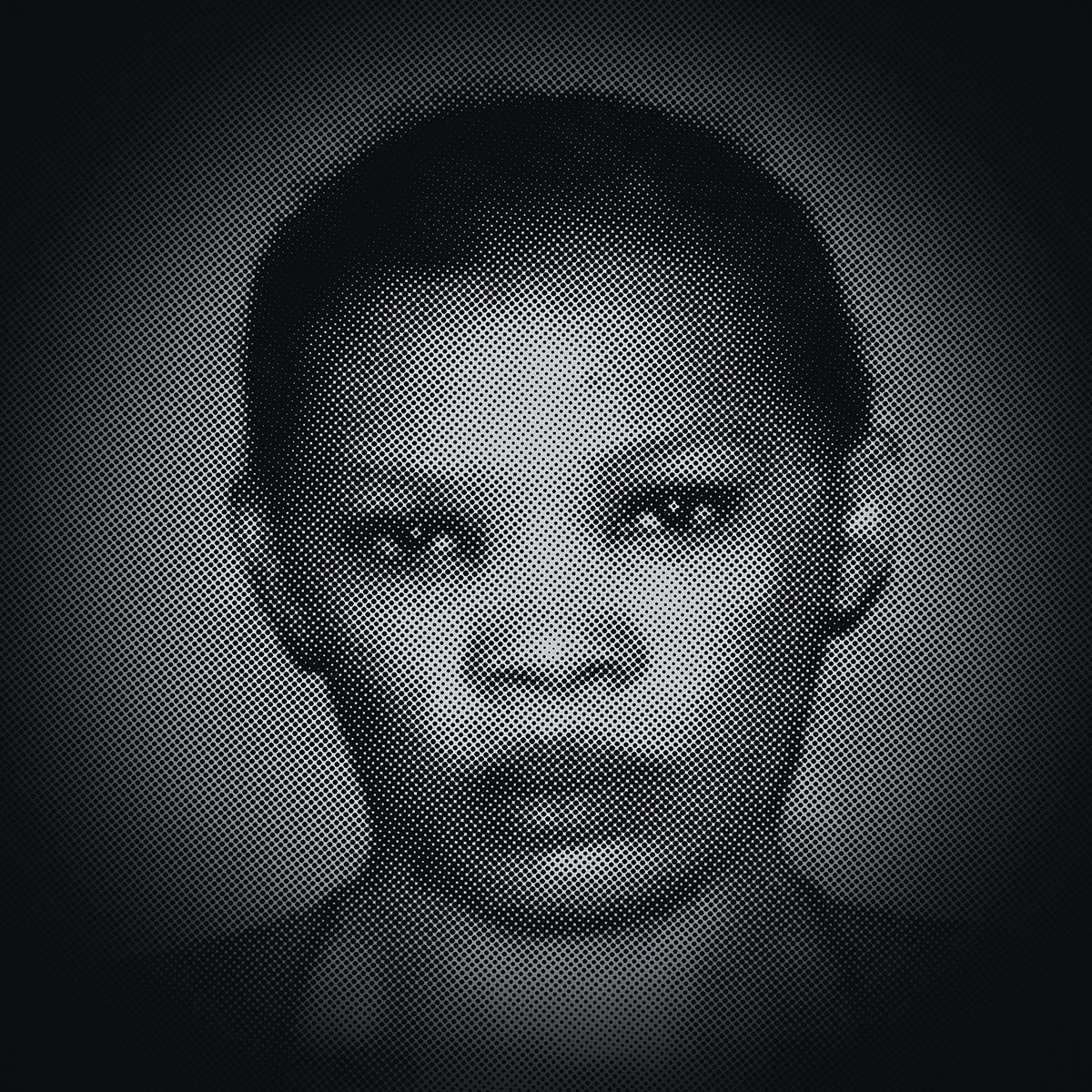
Deported from the US in April 2021, Munyenyezi, 51, is the daughter-in-law to Pauline Nyiramasuhuko. Her husband, Ntahobari, who, together with his mother, Nyiramasuhuko, were handed a life sentence by the ICTR for their role in the Genocide, was a student at the National University of Rwanda, in Butare. Ntahobari was a leader in the extremist Hutu militia, Interahamwe, in the area.
Ntahobari and others were found guilty of killing refugees, orphans, and patients from the local hospital and of taking Tutsi prisoners and arranging for them to be executed. In particular, he and his mother organised and staffed a roadblock outside their family’s hotel where the Tutsi were identified, imprisoned, and executed.
During the genocide, Munyenyezi manned a roadblock in front of the family’s hotel in Butare. She, among others, singled out Tutsi women and handed them to the militias who first raped them before killing them. Upon her deportation by the US, she was charged with counts including committing genocide, planning of genocide, complicity in genocide, incitement to commit genocide, extermination as a crime against humanity, and complicity in rape.
Angelina Mukandutiye
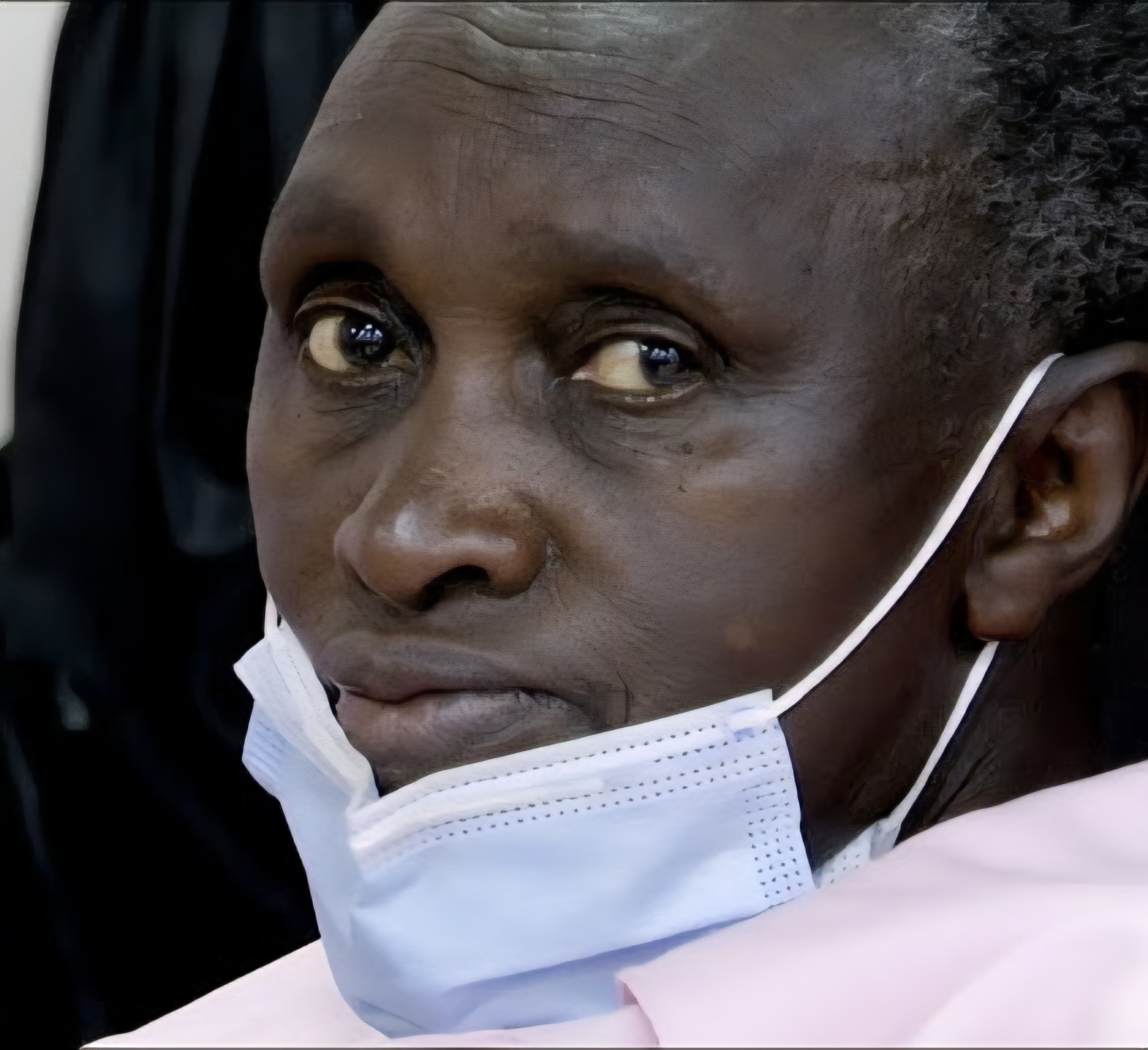
Angelina Mukandutiye, also known as “Inspectrice”, was screened out of thousands of Rwandans flushed out of the DRC a year ago. Mukandutiye, a school inspector in Kigali’s Nyarugenge Commune in 1994, was born in Giciye Commune in former Gisenyi Prefecture and was married to Jean Sahunkuye, a relative of former President Juvénal Habyarimana.
In April 1994, Mukandutiye was also a leader of the Interahamwe and in de facto control of Bwahirimba sector in the lower Kiyovu area of Kigali. She led the killings in former lower Kiyovu, especially at the Centre d’Etudes des Langues Africaines (CELA), Ste Famille Church and St Paul Centre, in Kigali. She was found guilty of genocide crimes by a local Gacaca Court and sentenced to 30 years in jail, in absentia. She is currently on trial at the High Court in Kigali in the case known as “Rusesabagina & 20 Co-accused” for acts of terrorism.
Mukandutiye was directly under the command of and accountable to Col. Tharcisse Renzaho, who was the Mayor of Kigali. Renzaho was convicted and sentenced to life in prison by the International Criminal Tribunal for Rwanda (ICTR) in July 2009 for his role in the Genocide. She engaged in hunting down opposition politicians in coordination with Renzaho and Muhima Police Station Commander General Munyakazi. One of her victims was Andre Kameya, of the Liberal Party who was killed and his body dragged on the streets.
Valérie Bemeriki
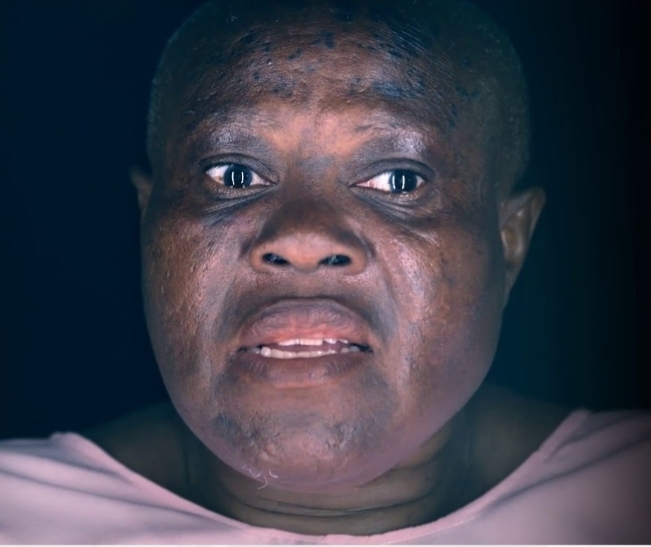
Bemeriki, 66, was one of the main animatrices of Radio Télévision Libre des Mille Collines, which played a significant role in promoting the genocide against the Tutsi. Bemeriki is currently serving her sentence at the Kigali Central Prison. Prior to joining the RTLM in 1993, Bemeriki worked for the ruling MRND party as a propagandist, sometimes writing for the Interahamwe’s (MRND’s youth wing) publication known as Umurwanashyaka. During her time at RTLM, Bemeriki is, among others, known to have once said during one of her broadcasts: “Do not kill those cockroaches with a bullet cut them to pieces with a machete”. She was arrested in 1999 in the DRC. During her trial, she pleaded guilty to Genocide, inciting violence and complicity in murder. She was sentenced to life imprisonment in 2009.
Thérèse Dusabe, ‘the doctor of death’
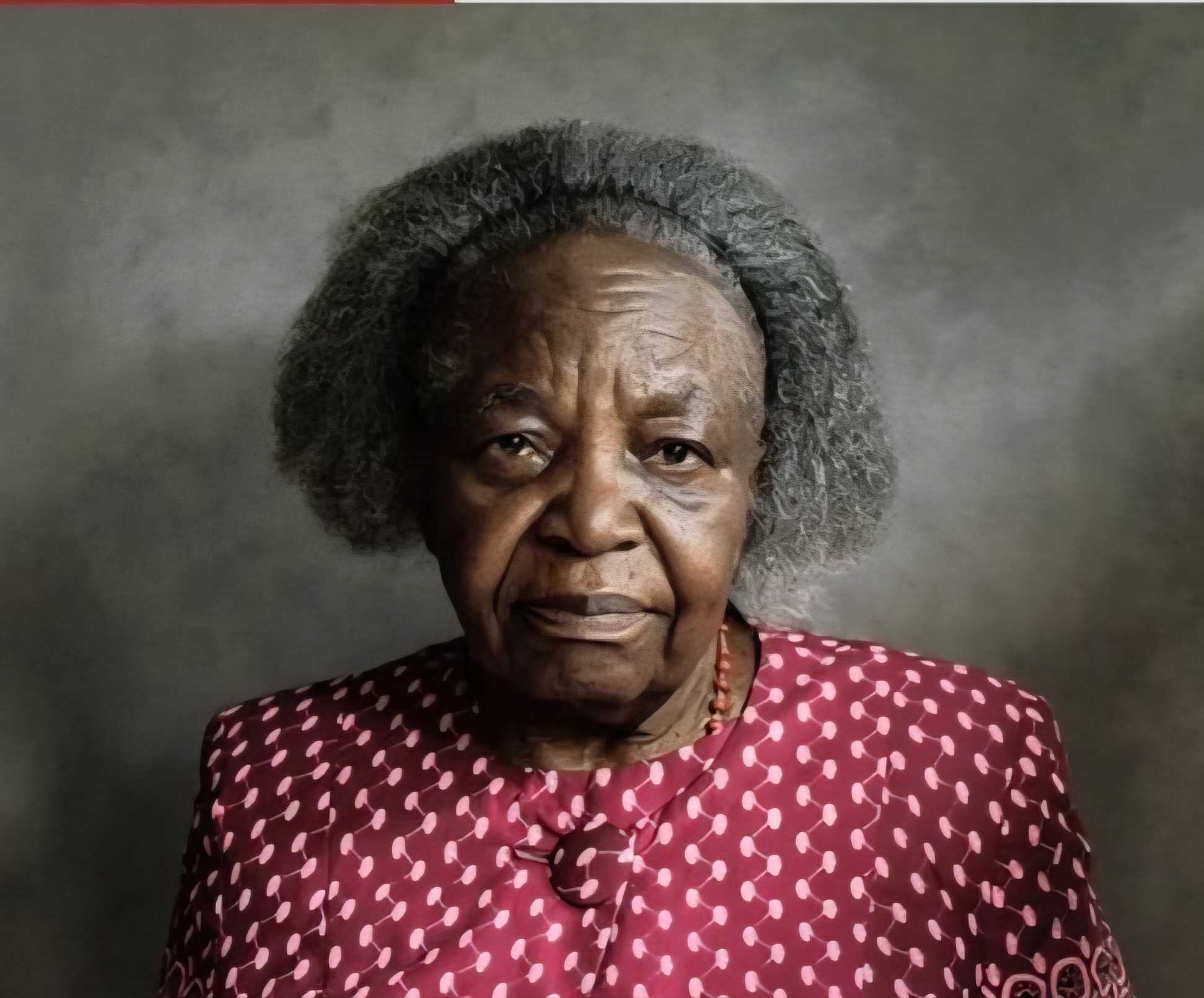
There are also hundreds of female nurses who played a major role in the genocide, countrywide, by killing or helping in the killing of the patients they were supposed to take care of. The list is too long to exhaust but prominent among them, is Thérèse Dusabe, the mother of Ingabire Victoire Umuhoza, who was a midwife at the Butamwa Health Center in Kigali, and Félicité Musanganire who was working on an HIV/AIDS project at the University of Public Health Center (CUSP) in Butare, now Huye.
During the 1994 genocide, Dusabe, was a midwife at the Butamwa Health Center in Nyarugenge District and she collaborated with the Bourgmestre (Mayor) of Butamwa Commune to prepare and chair all meetings that planned to start the attacks on the Tutsi. Dusabe was nicknamed “the doctor of death” for her cruelty. She first killed Tutsi pregnant women and then killed babies by hitting them on the wall.
In 2009, Gacaca Courts sentenced her to life in prison after convicting her with the torture of Tutsi women who were being treated at the Butamwa Health Center. Her virulent daughter, Ingabire, who was in the past convicted of serious crimes including genocide ideology, arrived in Rwanda in 2010 from the Netherlands. At the time, when interviewed and asked about the Genocide against the Tutsi and the role of her mother as she had been convicted of killing Tutsi, Ingabire laughed and replied: “16 years have passed and people should have gone to Democracy.”
On the other hand, Félicité Musanganire who hails from Gitarama is the daughter of Dominique Mbonyumutwa, the first President of Rwanda. In December 2006, the Gacaca Court of Ngoma Sector sentenced her to 25 years in prison in absentia. Her convictions included the murder of Prof. Pierre-Claver Karenzi killed at the roadblock in front of Hotel Faucon, collaborating with Dr Eugene Rwamucyo in the death of Cécile Nyirasikubwabo, a former CUSP employee. At the roadblock, Musanganire was in charge of checking people’s IDs and separating the Hutu from the Tutsi. She then handed over the Tutsi to be killed by the Interahamwe and the military.
She fled to South Africa and got employed at the Western Cape University AIDS Center. Her husband, Dr Pierre Mugabo, who conspired to commit genocide in Butare, was sentenced to 30 years in 2007.
As we mark the 32nd Commemoration of the 1994 Genocide against the Tutsi in Rwanda, we remember in full truth because only by facing the past honestly can we protect the future.
