



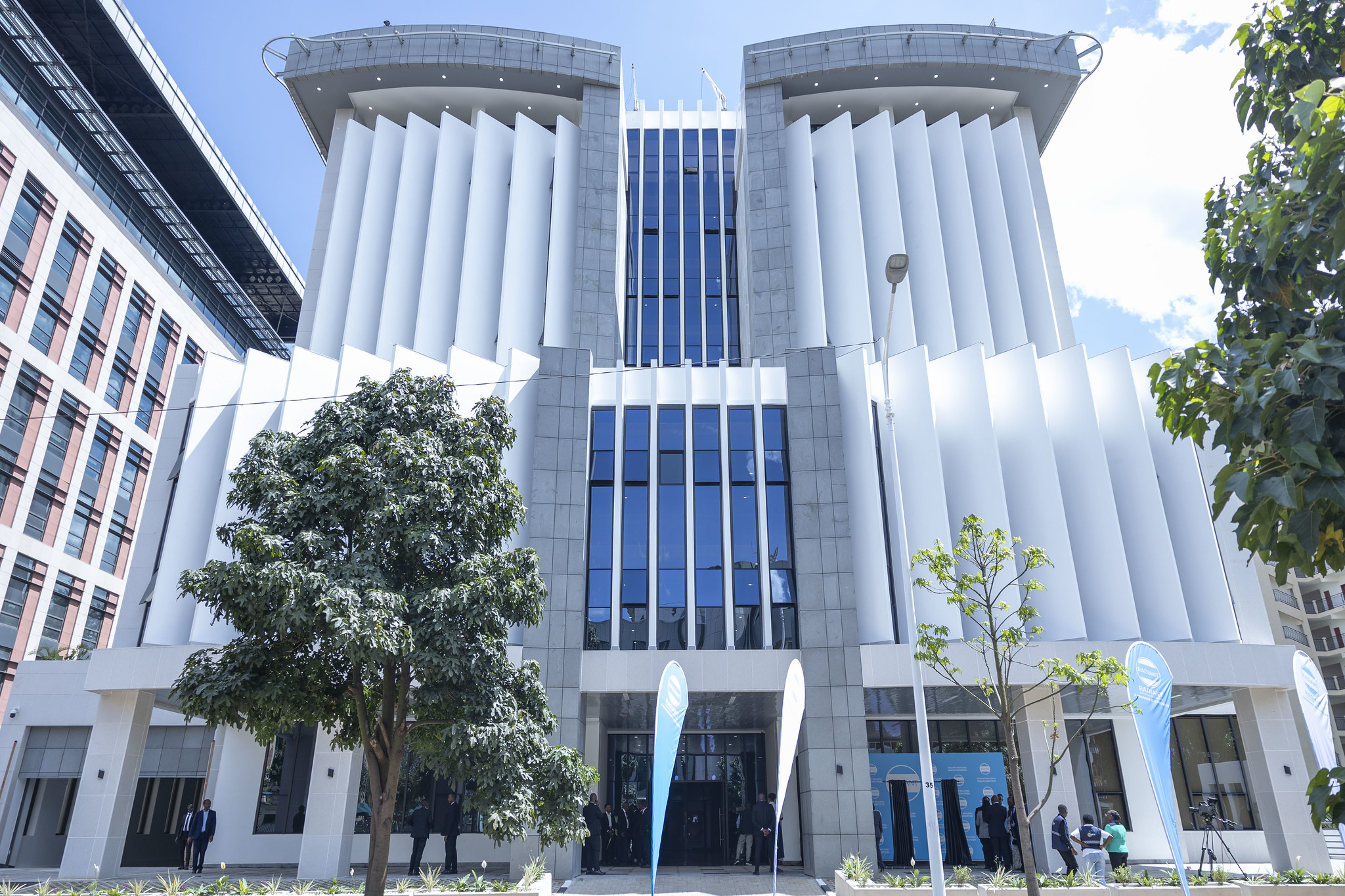
The headquarters of Radiant Insurance, a major player in the sector
KIGALI — Insurance companies in Rwanda can no longer issue insurance policies before receiving payment from clients, following a directive introduced by the National Bank of Rwanda in January 2026 as regulators moved to contain growing financial risks within the sector.
The measure — which effectively ends the long-standing practice of insurers extending informal credit to customers — has triggered concern among some insurers and clients who fear it could disrupt business, reduce access to insurance and slow sector growth.
But Central Bank Governor Soraya Hakuziyaremye defended the decision on Thursday following meetings of the Monetary Policy Committee and Financial Stability Committee, saying the intervention was necessary to protect the long-term stability of the industry.
According to the central bank’s latest financial stability report, insurers are now prohibited from “issuing policies on credit without receiving premium payment.”
The governor said the action was introduced after regulators observed rising premium receivables — money owed to insurers by clients who had already obtained insurance coverage but had not yet paid premiums.
The measure would not weaken the sector, said the governor, arguing instead that stricter enforcement was essential to strengthen insurers’ liquidity positions and ensure they remain capable of honoring claims.
Under the previous system, insurers often activated policies immediately while allowing businesses and institutional customers to settle premiums weeks or months later.
The arrangement increasingly exposed insurers to financial strain because claims could arise before companies had actually collected cash from policyholders.
The issue had been building for years.
Earlier insurance regulations had already classified issuing policies on credit as a sanctionable offense unless specifically authorized by the regulator, signaling growing official concern over unpaid premiums and weak cash flow management.
The latest intervention comes at a time when Rwanda’s insurance sector is already facing mounting operational pressures.
Data from the central bank shows insurance claims climbed to approximately Rwf164.5 billion by the end of 2024, while operating and administrative costs also surged, reaching roughly Rwf75.4 billion and squeezing insurers’ margins.
Medical insurance has been among the hardest-hit segments following increases in healthcare tariffs that pushed claims ratios higher across the industry.
Despite those pressures, the central bank says insurers remain above minimum solvency and liquidity requirements.
Governor Hakuziyaremye said the new enforcement measures form part of broader efforts to preserve resilience and public confidence in Rwanda’s financial system as the sector continues to expand.
The regulator’s approach also aligns Rwanda with stricter international insurance supervision standards increasingly adopted in emerging markets, where “cash before cover” principles are used to reduce bad debt exposure and improve claims-paying capacity.
The move is expected to significantly change how businesses purchase insurance, particularly companies that had depended on delayed payment arrangements to manage cash flow.
Some banks already offer premium-financing products that allow clients to borrow funds specifically to pay insurance premiums upfront — a model regulators appear more comfortable with because insurers receive immediate payment.
For policyholders, the new rules could make insurance harder to access in the short term.
But for the central bank, the priority now appears clear: ensuring insurers operate on real cash collections rather than accumulating unpaid promises that could eventually threaten the sector’s stability.
