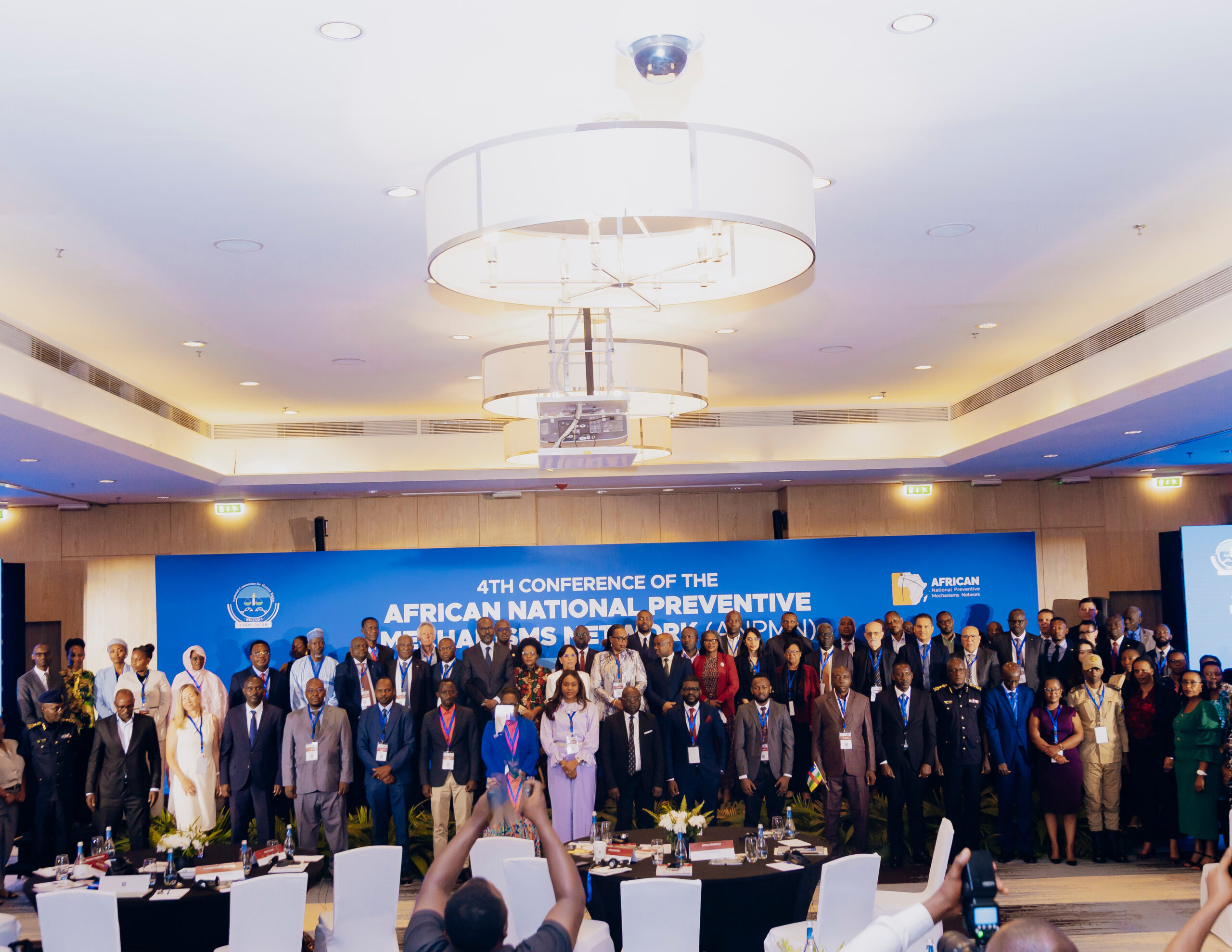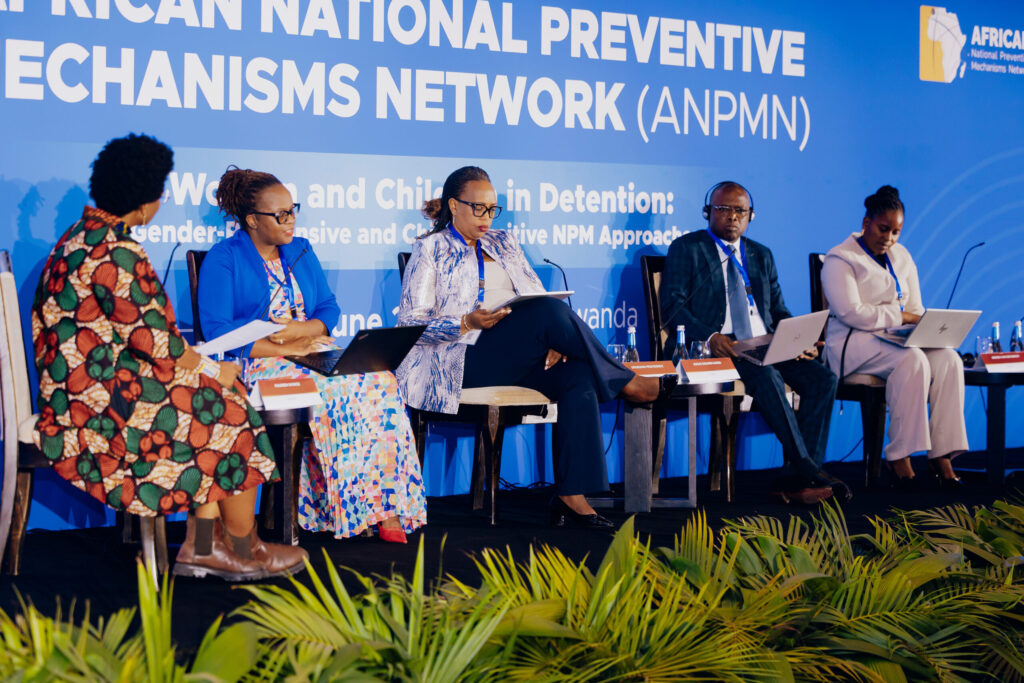


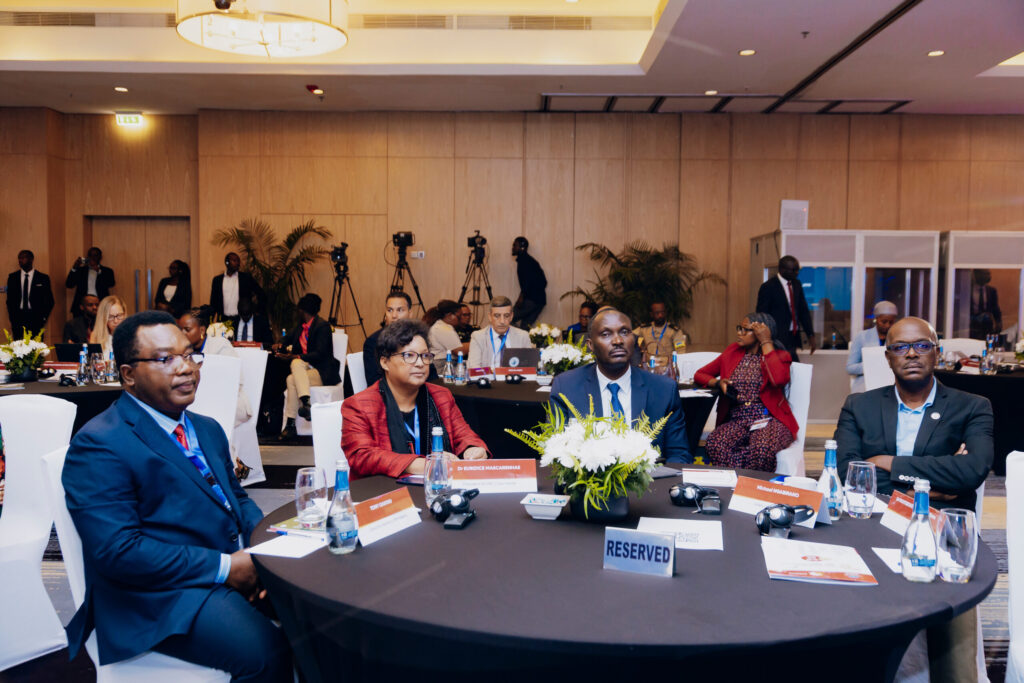
The Fourth Annual Conference of the African National Preventive Mechanisms Network (ANPMN) is underway in Kigali.
KIGALI – African human rights institutions meeting in Kigali have called for a fundamental shift in how countries handle women and children in conflict with the law, arguing that detention should increasingly become a last resort rather than a default response.
The call emerged during the Fourth Annual Conference of the African National Preventive Mechanisms Network (ANPMN), where delegates from across the continent gathered to examine how detention systems can better protect vulnerable groups.
The discussions come as Rwanda this week launched a national diversion framework for children in conflict with the law, a policy that will direct eligible children away from detention and toward mediation, counselling, education and community-based rehabilitation programs.
Human rights leaders attending the conference said the move reflects a growing recognition that conventional detention systems were largely designed around adult male offenders and often fail to address the specific needs of women and children.
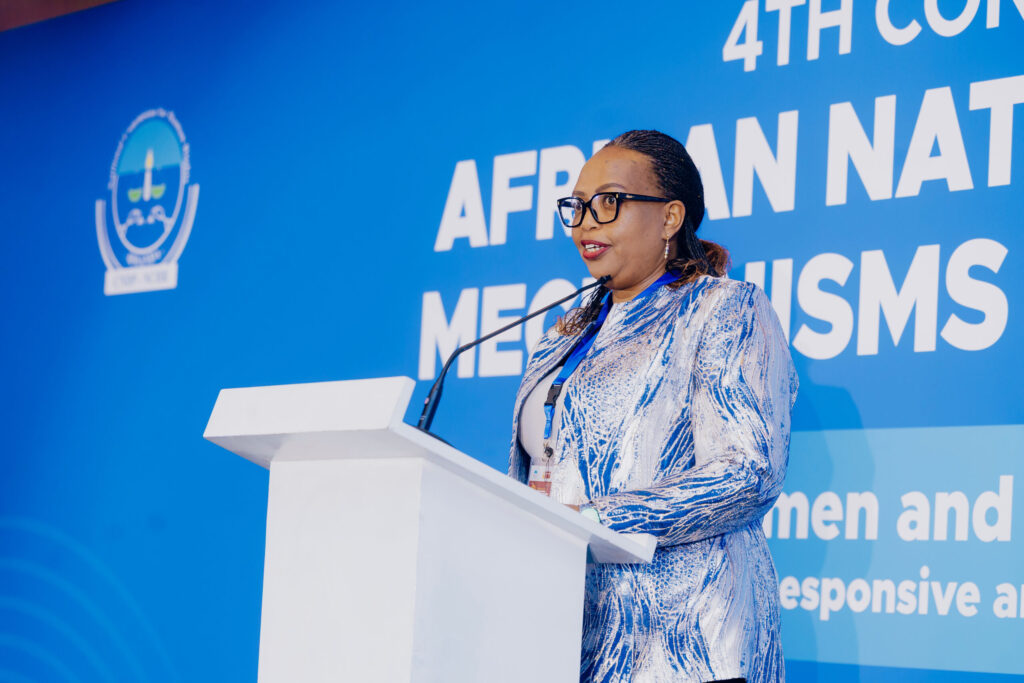
Providence Umurangi, the Chairperson of Rwanda’s National Commission for Human Rights, addressing the congregation.
“Prisons were historically built by men and for men. When women and children enter these spaces, their unique vulnerabilities are often exacerbated by systems that were never designed to protect them,” said Providence Umurungi, Chairperson of Rwanda’s National Commission for Human Rights.
Delegates highlighted concerns ranging from inadequate reproductive healthcare for women in detention to the psychological and developmental impacts of incarceration on children.
Gilbert Sebihogo, Executive Director of the Network of African National Human Rights Institutions, said detention monitoring bodies must go beyond documenting prison conditions and focus on preventing violations before they occur.
“Effective monitoring now requires more than documenting conditions of detention. It requires a deeper understanding of how gender, age, disability, social exclusion and caregiving responsibilities shape the lived experience of people deprived of their liberty,” he said.
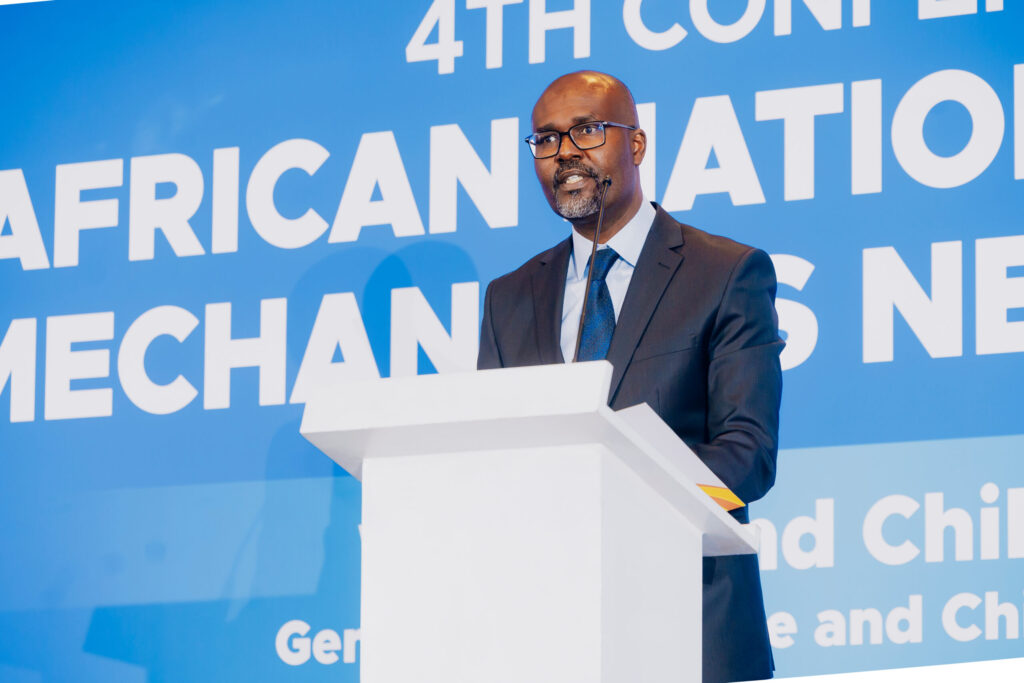
Gilbert Sebihogo, the Executive Director of the Network of African National Human Rights Institutions speaking at the confrence.
Speaking on behalf of the Minister of Justice, Permanent Secretary Théophile Mbonera said Rwanda’s recently launched diversion framework reflects a broader effort to build a justice system centered on rehabilitation and reintegration.
“Effective child justice is not measured solely by accountability, but also by our ability to support rehabilitation, restore hope and enable children to become productive members of society,” he said.
Conference participants said alternatives to detention are increasingly being recognized across Africa as a way of protecting rights while reducing overcrowding and improving rehabilitation outcomes.
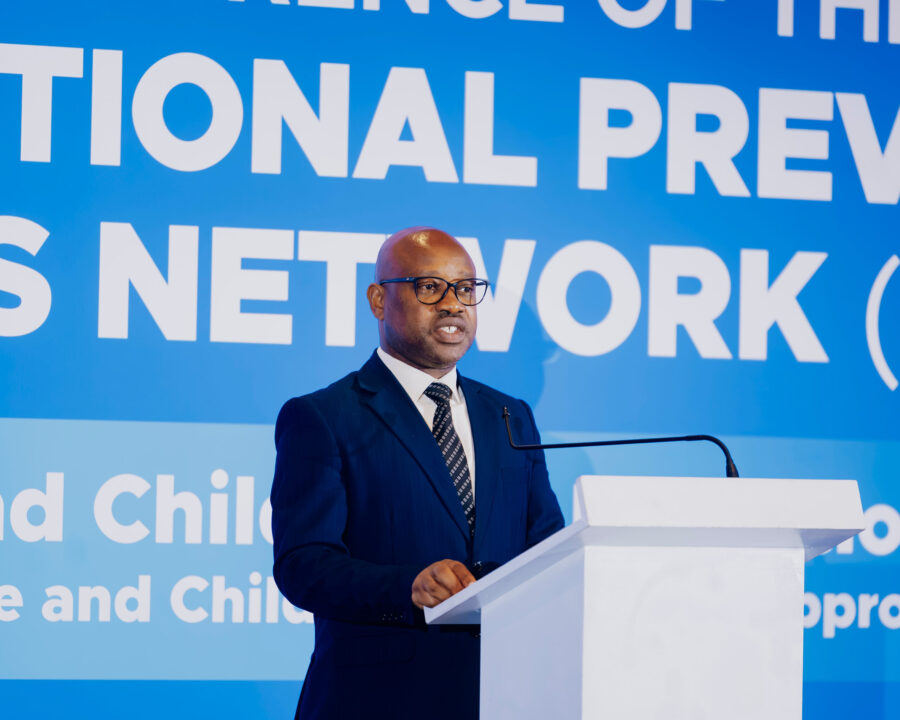
The Permanent Secretary at the Ministry of Justice, Théophile Mbonera said the reforms reflect Rwanda’s commitment to building a justice system centered on rehabilitation rather than punishment.
Amina Bouayach, Chairperson of the African National Preventive Mechanisms Network, urged African countries to place prevention at the center of their justice systems.
“History has repeatedly shown that humanity’s worst tragedies often begin with the gradual acceptance of the unacceptable. Our ambition is clear: zero tolerance for torture,” she said.
The conference, held under the theme “Women and Children in Detention: Gender-Responsive and Child-Sensitive National Preventive Mechanism Approaches,” continues through the week, with delegates exchanging experiences on how African justice systems can better safeguard the rights and dignity of people deprived of their liberty.
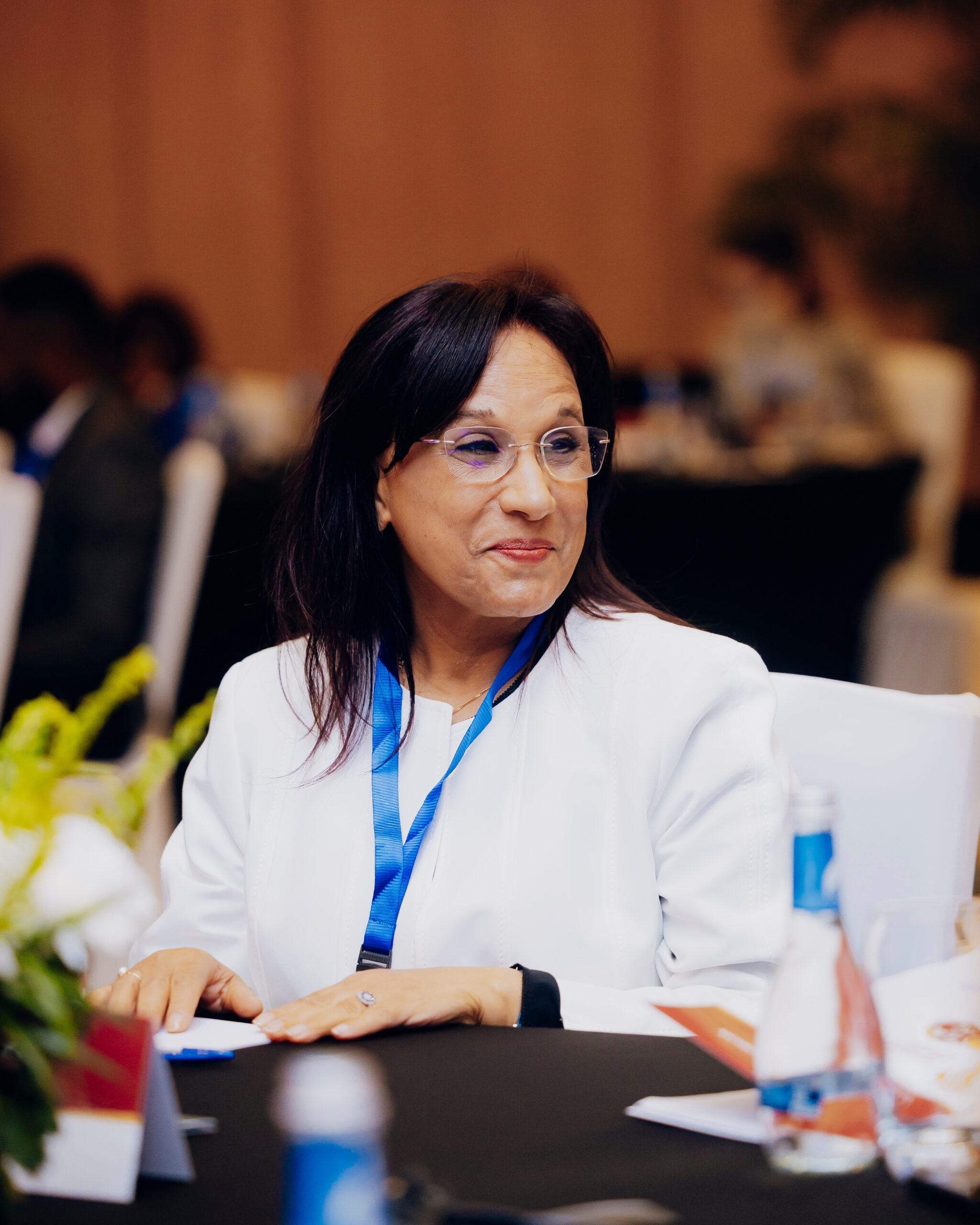
Amina Bouayach, the Chairperson of the African National Preventive Mechanisms Network, attended the conference in Kigali.