



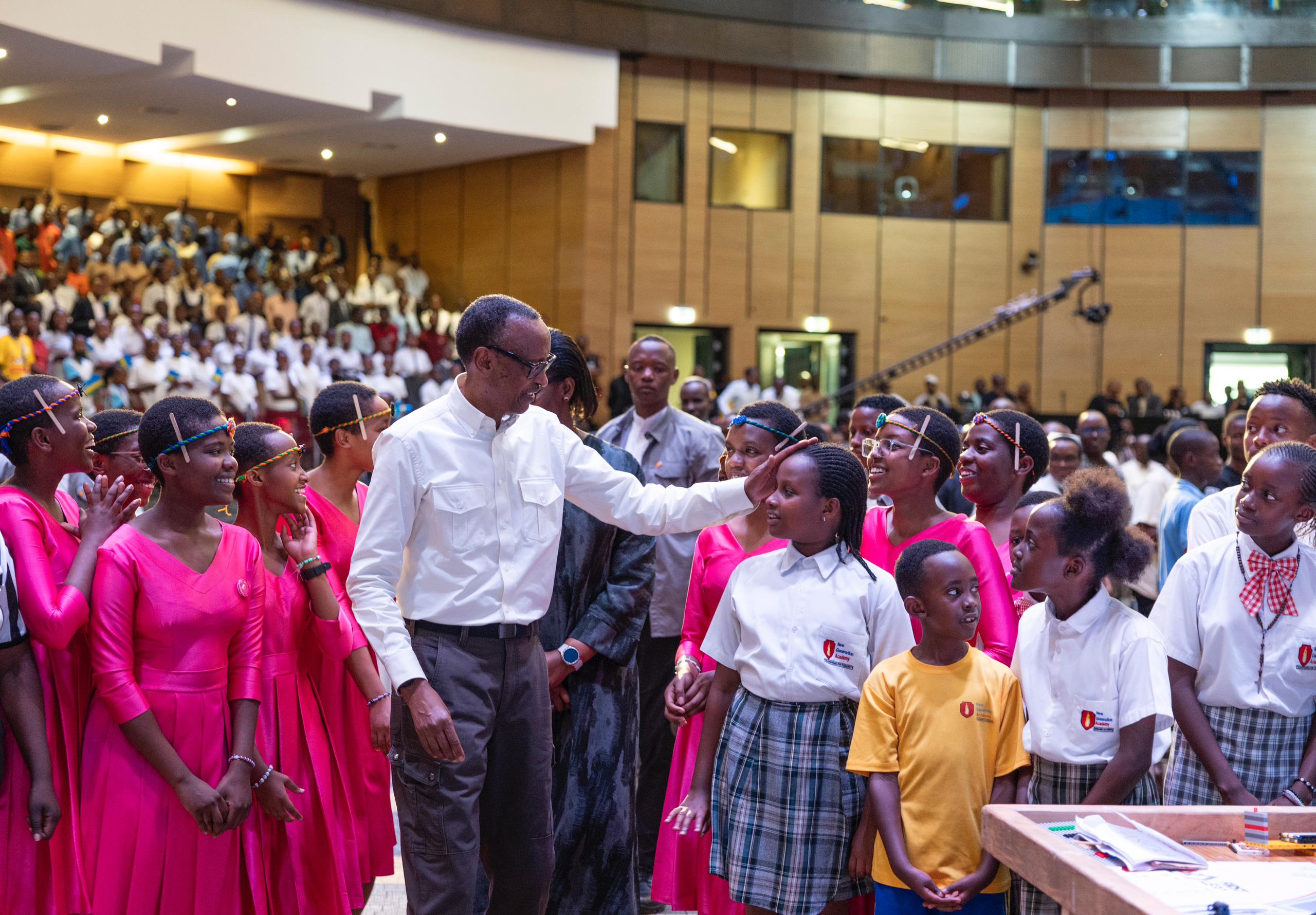
Across Africa, a new generation is rising. They are digital natives, Pan-Africanists by instinct, and increasingly impatient with the slow pace of change that has defined the continent for decades.
In this landscape, one leader stands out as their most consistent ally in the corridors of power: President Paul Kagame of Rwanda.
They recognise in him a leader who has not only spoken to their aspirations but has also built structures to turn those aspirations into reality.
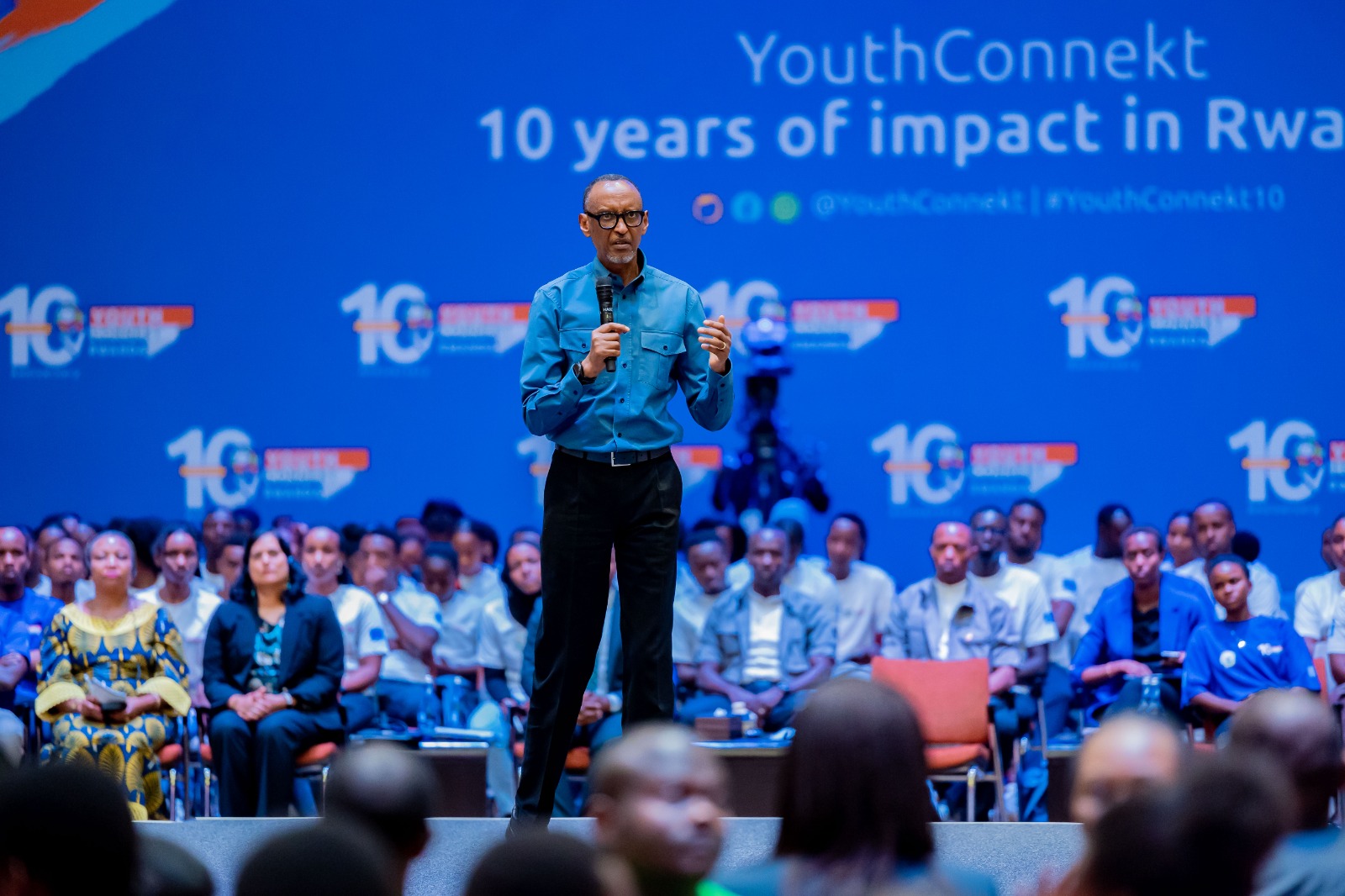
Kagame’s accessibility to young Africans is unusual for a sitting head of state. Through platforms such as YouthConnekt Africa and the African School of Governance, he has created direct channels for young people to engage with him, share their aspirations, and contribute to shaping continental policy.
When he tells young Africans to take their rightful place in shaping the continent’s future, it is not merely rhetorical. In Rwanda, he has sought to put that principle into practice, presiding over one of the youngest cabinets on the continent.
Rwanda stands as an example of the belief that young people are not simply the leaders of tomorrow, but leaders of today.
Kagame’s commitment to youth empowerment is also evident in Rwanda’s approach to mobility. Rwanda is not only one of the easiest countries in Africa to enter, but also one of the easiest to leave.
Travel documents are issued within days, faster than in many developed nations. There is also a deliberate diplomatic effort to ensure that young Rwandans can access opportunities abroad without unnecessary bureaucratic obstacles.
As a result, a Rwandan passport can access 70 countries with visa free and visa on arrival arrangement. Today, young Rwandans are studying, working, and building businesses across the globe.
It is therefore unsurprising that many young Africans see Kagame as a leader who understands that mobility is essential to opportunity. They look to him to advocate for open borders, cheaper air travel, and the removal of obstacles that stifle the creative industries. Kagame has shown that he is more than willing to take up that cause.
Perhaps the most powerful bond between Kagame and Africa’s youth is generational. They recognise in him the same frustration they feel with the slow pace of reform across the continent. He shares their impatience when they see Africa’s potential constrained by inertia, corruption, and outdated systems of governance.
From his own experience as a former liberation movement leader and now a head of state, he understands how foreign dictates and patronising attitudes have held Africa back.
That perspective resonates deeply with a generation that protests IMF prescriptions that lead to government austerity, as well as tax burdens that weigh heavily on small businesses. They also see Kagame’s rejection of dependency as a reflection of their own desire for self-reliance and greater African agency.
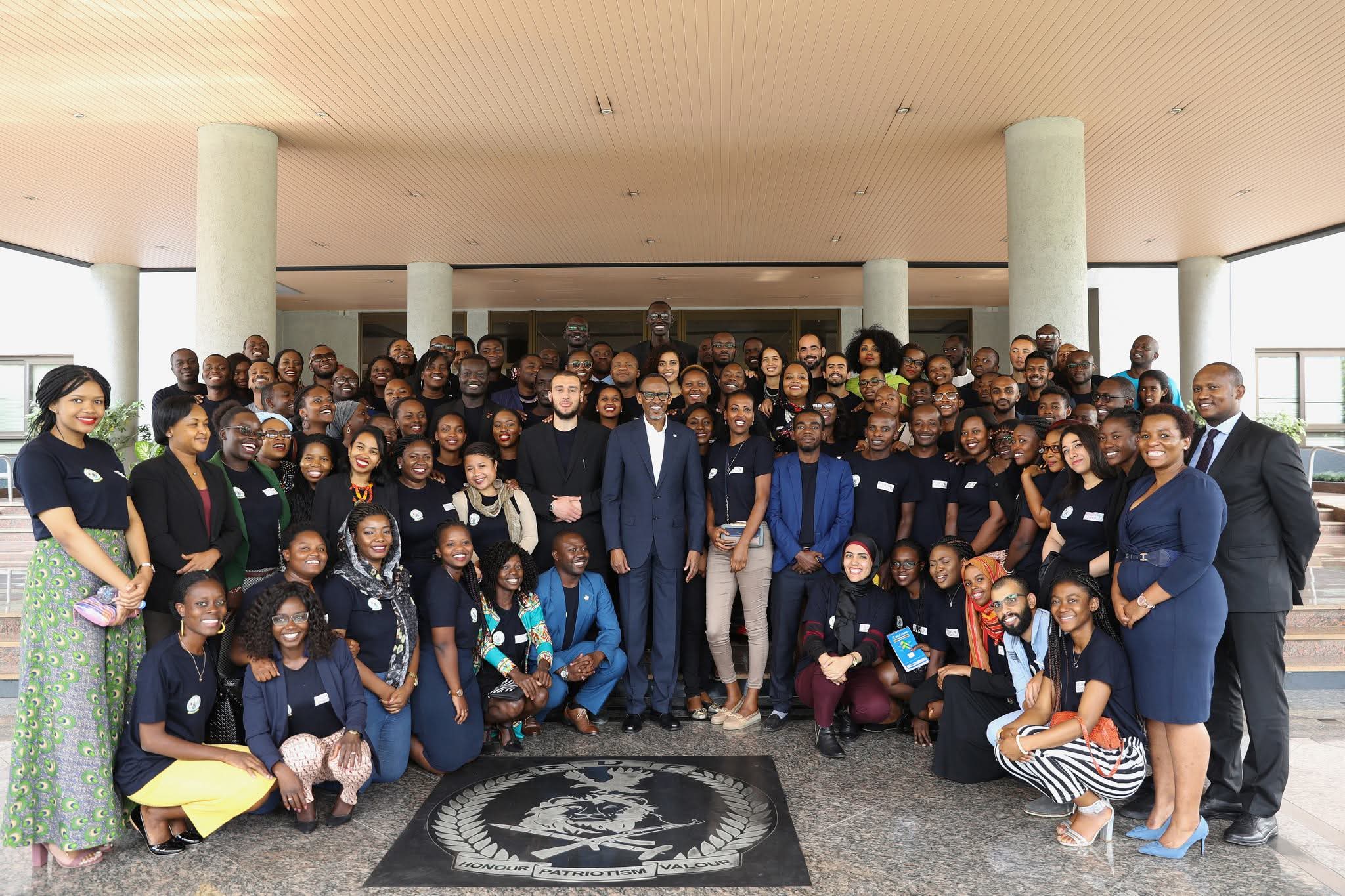
In Kagame, many young Africans do not see a distant politician. They see a leader who listens, acts, and refuses to accept the status quo. They see a man who has built institutions with them in mind, removed barriers to opportunity, and shares their frustration with a continent that too often fails to live up to its potential.
That is why they increasingly look to him to speak for them. He is not simply a leader they admire. He is an ally. And in a continent where the voices of young people are too often ignored, that makes all the difference.
