



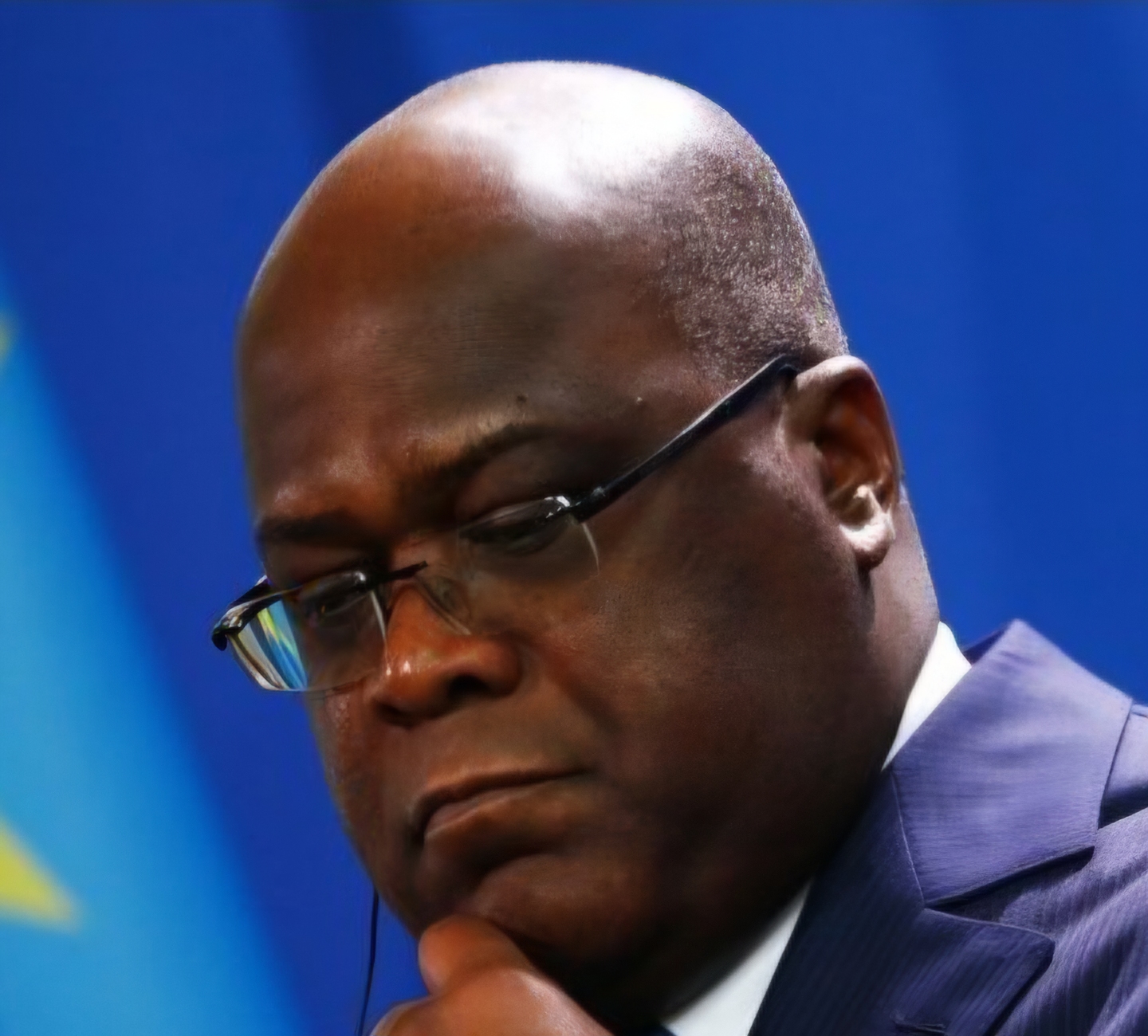
Somehow, President Tshisekedi, who hands out mining concessions to various bidders, is treated as though it can do no wrong.
Whether the FDLR poses a real threat to Rwanda should not even be a matter of debate. It is a question that would rarely, if ever, be asked of a Western country. The fact that it is asked of Rwanda at all exposes a double standard about the level of security and quality of life Africans are expected to accept.
Suppose the FDLR were not supported or armed by the Congolese government. Suppose it were simply a terrorist organisation capable of making occasional but deadly incursions into Rwanda. Even then, its presence just across the border would be unacceptable.
The United States has gone to war thousands of miles overseas when its embassies or citizens have been targeted. European countries supported the global war on terror after relatively rare terrorist attacks in their own cities. Why, then, should Rwanda be expected to live with a terrorist organisation simply because a line drawn in Berlin in 1884 supposedly prevents it from neutralising those who attack and its citizens?
The FDLR clearly does not care about that line when it kills Rwandans. And the Congolese government has never demonstrated the capacity, or the political will, to give practical meaning to the sovereignty it so loudly invokes. Kinshasa has repeatedly failed to ensure that armed groups operating from its territory do not attack neighbouring countries.
So why should Rwanda be expected to live by the same inadequate standards of security to which the Congolese government subjects its own citizens?
Rwanda’s real crime, it seems, is refusing to accept the poor standards of safety expected of countries supposedly living in the “jungle” and demanding the same standards enjoyed by those supposedly living in the “garden.”
Why should Rwanda put its tourism industry at risk and sit idle while Western embassies repeatedly discourage their citizens from visiting after FDLR attacks, only to condemn Rwanda when it takes action against the very threat those governments warn their citizens about?
Why should Rwanda continue to bear the burden of hosting Congolese Tutsi refugees uprooted by the FDLR and allied armed groups such as the Nyatura, while the Congolese government does little to stop the forces driving that displacement?
It is simply absurd.
Sovereignty comes with a duty to protect. The international community should hold Kinshasa to that standard rather than constantly changing the rules for geopolitical convenience.
Any other government would be asked to explain why its citizens are fleeing into refugee camps in neighbouring countries, particularly while that government benefits from a multibillion-dollar UN peacekeeping mission.
Somehow, Kinshasa, which hands out mining concessions to various bidders, is treated as though it can do no wrong.
The FDLR threat becomes even more serious when evidence of support from Kinshasa emerges. What is already a threat to Rwanda’s national security becomes an existential threat when it is backed by a state and when its genocidal ideology is mainstreamed and popularized in the entire region with state support and funding.
The only reason that threat has not consumed the country where genocide was once committed is that Rwanda has built effective defensive measures. Once bitten, twice shy, as the saying goes, and rightly so.
Rwanda’s concerns can no longer simply be dismissed. The standards it demands for the safety of its people are not unreasonable. They are consistent with principles embedded in international law and numerous international agreements.
It makes no difference whether the FDLR could defeat the Rwandan army or is merely capable of killing a handful of Rwandans, retreating across the border, and repeating the cycle months or years later. The very debate implies that some level of violence against Africans can be tolerated. Rwanda rejects that premise.
A terrorist, genocidal organisation cannot be treated as an acceptable permanent feature of the region. Rwandans, and Congolese too, deserve to live in a region free of such groups. That should not be controversial. And it should not be negotiable.
