


For a long time, space technology was seen as a luxury reserved for global superpowers. And it seemed to make sense. Space infrastructure can be expensive.
In a developing country, every major investment has to compete with other seemingly more urgent development priorities. But Rwanda and a growing number of developing countries are proving that logic to be flawed. Space technology is no luxury. In fact, Rwanda is increasingly treating it as a practical tool for development.
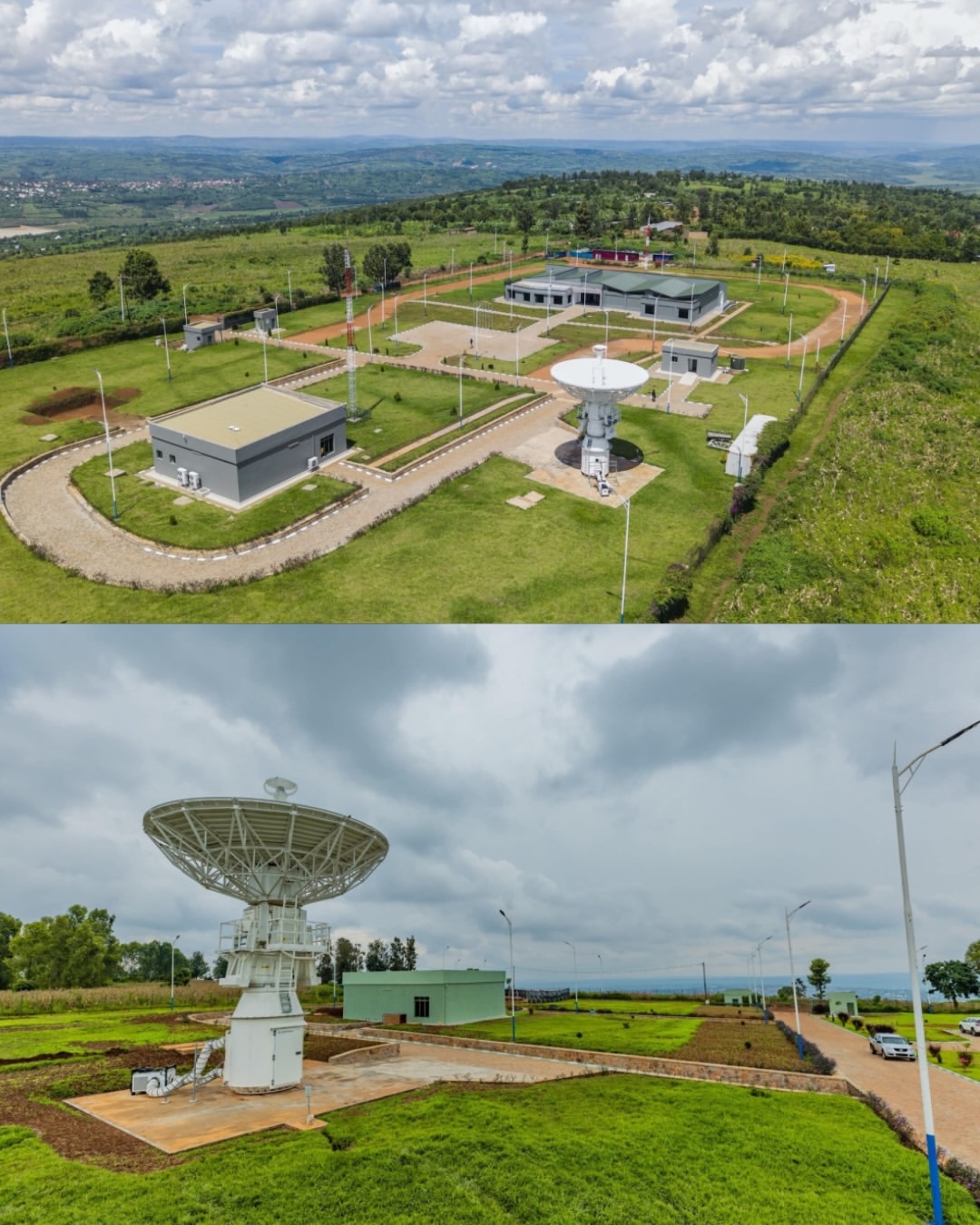
Rwanda Strengthens Its Space-Tech Ambitions with Planet Labs Partnership, Unlocking Satellite Data for Smart Development
Through the Rwanda Space Agency (RSA), the country is using satellite technology, geospatial data and other space-based services to improve public services, support better decision-making and drive economic development.
For a developing country with limited resources, the real value of investment in space technology has to be measured by what it delivers to ordinary people and how much it contributes to solving problems on the ground.
Digital connectivity is one of the clearest examples. Rwanda is exploring satellite-based high-speed internet as a way to reach communities that remain underserved by conventional broadband infrastructure.
A pilot involving 500 schools aims to give students and teachers better access to educational resources and digital tools. If scaled effectively, initiatives like this could show how technology in space can help address very terrestrial problems, such as unequal access to education and the internet.
The same is true of disaster management. Satellite data can give policymakers a much clearer picture of environmental risks, including areas vulnerable to floods and landslides. During the disasters that hit northern Rwanda in May 2023, satellite imagery helped assess the extent of the damage and inform relocation planning.
The important point here is that the value of space technology is in helping governments make better decisions, faster.
This is where the broader strategic value of Rwanda’s space programme comes in. The country is increasingly focused on turning large amounts of satellite and geospatial data into information that government institutions can actually use.
RSA is working on an indicator system designed to translate complex data into practical insights. If successful, such a system could help the government track progress on national priorities, including the National Strategy for Transformation, Vision 2050 and the Sustainable Development Goals.
That connects Rwanda’s space ambitions directly to its broader development agenda. Space-based technology can support agriculture, environmental monitoring, urban planning, infrastructure development, disaster preparedness and climate-change mitigation. In all of these areas, the goal is to use that technology to make policies more effective and public services more responsive.
Rwanda is also trying to build the infrastructure and partnerships that would allow it to play a bigger role in the regional and global space economy. A planned satellite ground station and teleport could increase the country’s ability to receive and process space-based information while creating opportunities to provide services beyond Rwanda. Its potential role in supporting lunar missions points to an even longer-term ambition: positioning Rwanda to participate in emerging markets for space-based services.
At the same time, Rwanda’s engagement with international space institutions, including its membership in the United Nations Committee on the Peaceful Uses of Outer Space (COPUOS), places its space programme within a broader framework of responsible and peaceful use of outer space.
But the real test remains whether space technology will deliver measurable economic and social benefits. That is ultimately how Rwanda’s space ambitions should be judged. Not by how many satellites it launches, how impressive its facilities look or how prominently it features in international space discussions, but by whether the technology makes life better, improves government decisions and creates new economic opportunities.
Seen this way, space technology is an extension of ordinary development policy. The broader lesson from Rwanda’s experience is simple: looking to space does not necessarily mean looking away from problems on Earth. In many cases, it means finding better tools to solve them.
