




Abbott, a global healthcare company, has announced the rollout of a new World Health Organization (WHO)-approved triple test kit that allows African mothers to test for HIV/AIDS, Hepatitis B, and Syphilis simultaneously.
Unveiled at the ongoing IAS2025 conference in Kigali, the test—known as the Determine™ Antenatal Care Panel (ANC Panel)—uses a single finger prick and delivers results within 20 minutes.
According to Abbott, the innovation aims to strengthen efforts to eliminate these diseases by 2030. It is also expected to reduce the time patients spend in health facilities and improve the efficiency of healthcare delivery across Africa.
A study conducted in Kenya highlighted the test kit’s impact on improving access to healthcare, especially by reducing wait times at clinics.
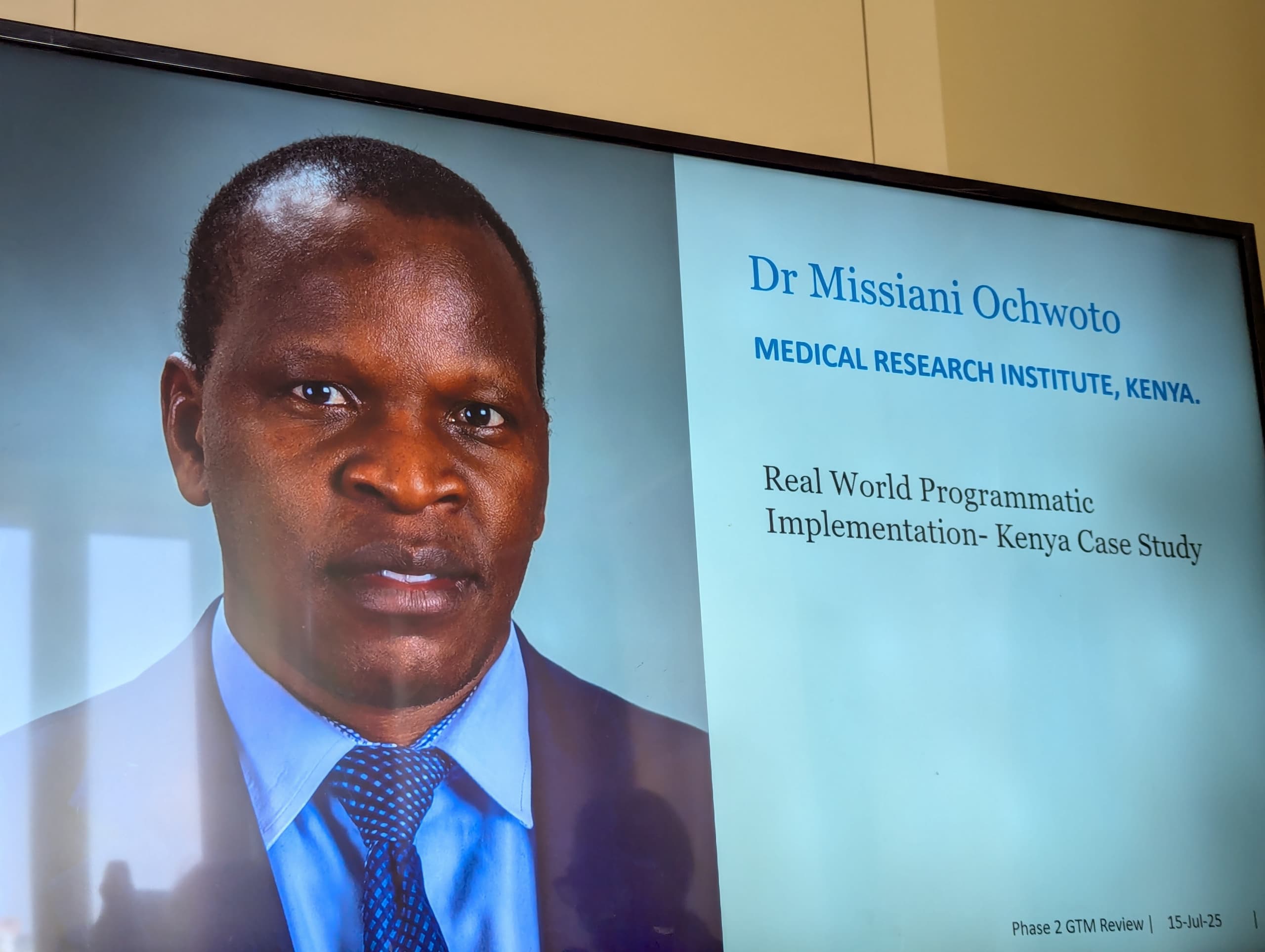
Dr. Missiani Ochwoto
Dr. Missiani Ochwoto, who presented the findings, noted the test’s high accuracy and usability despite existing challenges—particularly in areas where hepatitis testing remains low compared to malaria testing.
The study revealed that 95% of women rated the kit as reliable and accurate. However, it also showed that 95.3% of those surveyed had never been tested before, indicating a significant gap in access to screening.
Despite occasional shortages of reagents and stockouts of kits, the new test has proven to save time—cutting the average visit duration from 113 minutes to just 39 minutes.
This allows healthcare workers to attend to other critical needs and helps address staff shortages.
Dr. Ochwoto recommended digitalizing the innovation so that data collected from the test can be used to inform health system planning and support real-time decision-making by policymakers.
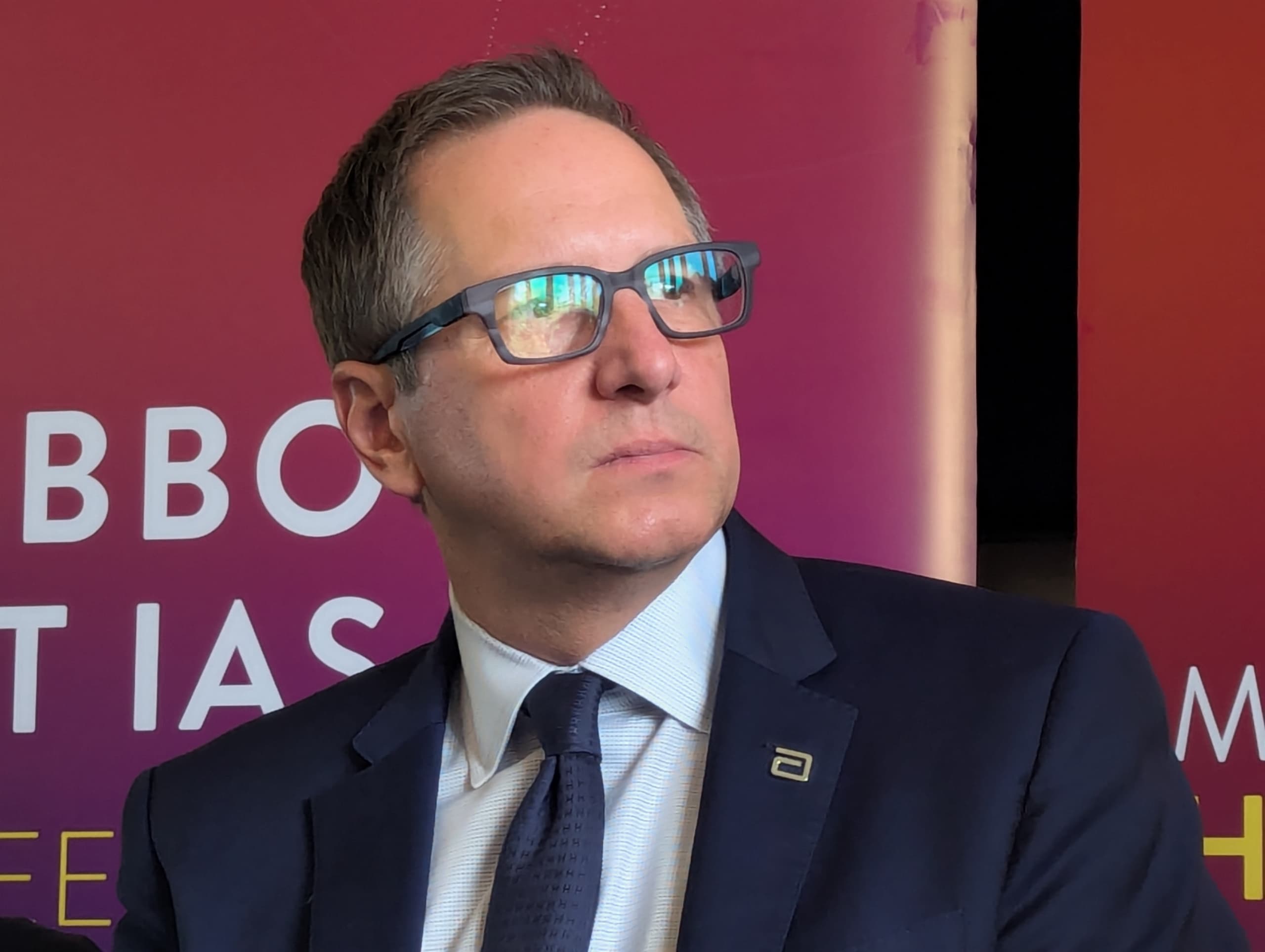
Steven Henn
Steven Henn, Abbott’s Head of Global Commercial Operations for Rapid Diagnostics, said the rollout is expected to begin soon across several countries based on expressions of interest and sustainable funding. He also mentioned ongoing discussions with global funding partners.
Dr. Deborah Birx, former U.S. Global AIDS Coordinator and global health expert, praised the integration of the three services into one test. She emphasized that stockout issues—seen in countries like Malawi and Zambia—could be addressed through unified policies that support use of a single test kit.
“These gaps are being addressed through this innovation, and what excites me is that countries themselves are leading this effort,” Birx said. “Abbott’s product now offers up to 99% coverage, a remarkable leap from years ago when the rates were much lower.”
The Rwanda Biomedical Centre (RBC) also welcomed the development, noting it aligns well with the country’s testing strategy. While Rwanda has achieved over 95% testing coverage for HIV/AIDS and Hepatitis B, Syphilis testing remains under 70% due to it being offered separately.
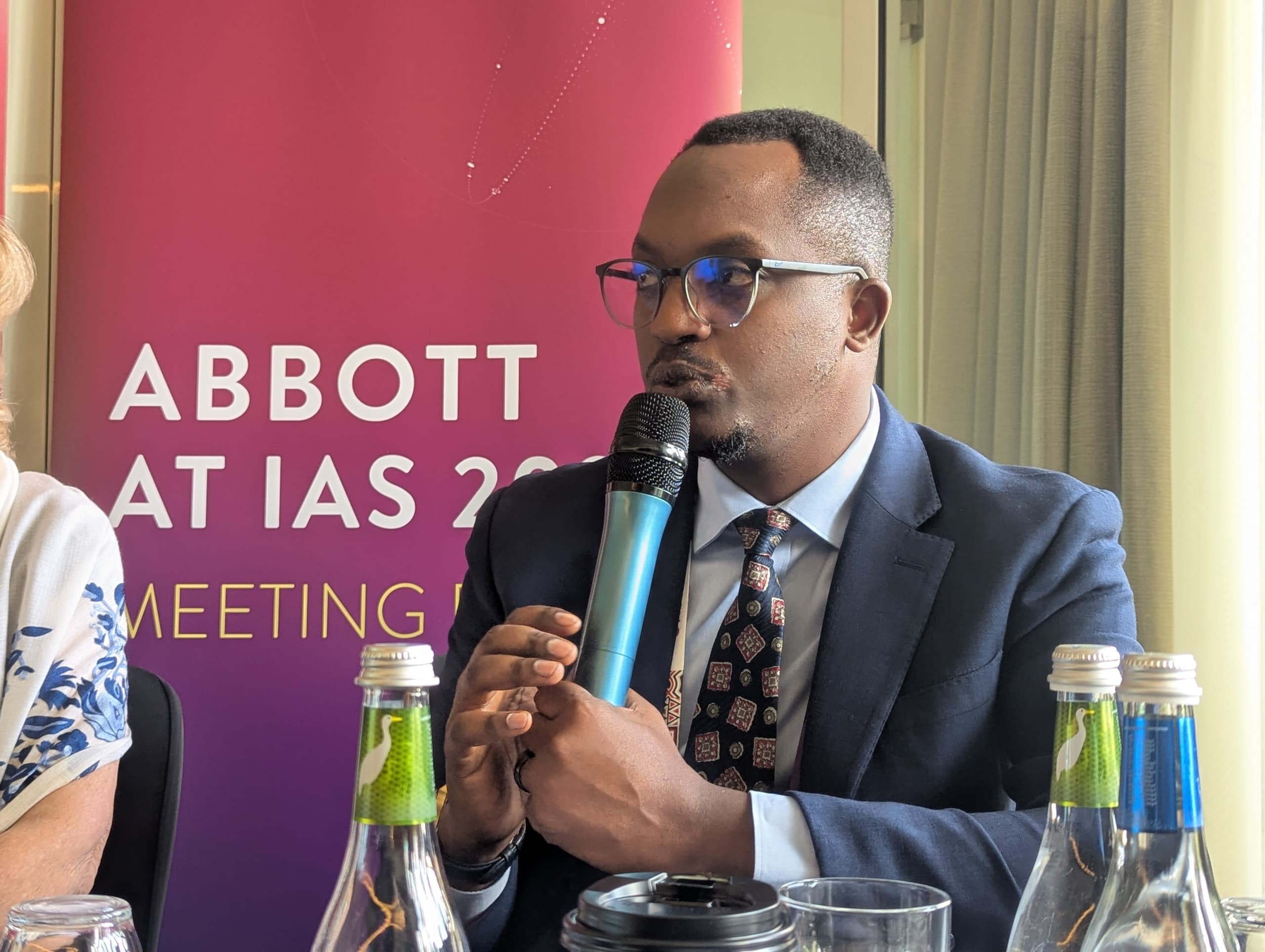
Dr. Gallican Rwibasira Nshogoza
Dr. Gallican Rwibasira Nshogoza, Division Manager for HIV, STIs, Viral Hepatitis, and Other Viral Diseases at RBC, confirmed that Rwanda conducts around 300,000 tests annually. He said the triple test panel has been under consideration and could help advance Rwanda’s broader healthcare goals.
“We are impressed by this innovation. We see it as a strategy to build on existing efforts—not just for antenatal care but beyond,” Rwibasira said.
While the ANC panel currently targets women, officials noted that in Kenya, men were tested alongside their partners—highlighting the need for a more inclusive approach.
“We’re not leaving men behind in Rwanda,” Rwibasira added. “We are exploring how to adapt this kit to our context to include men as well, especially as part of our triple elimination and prevention strategy.”
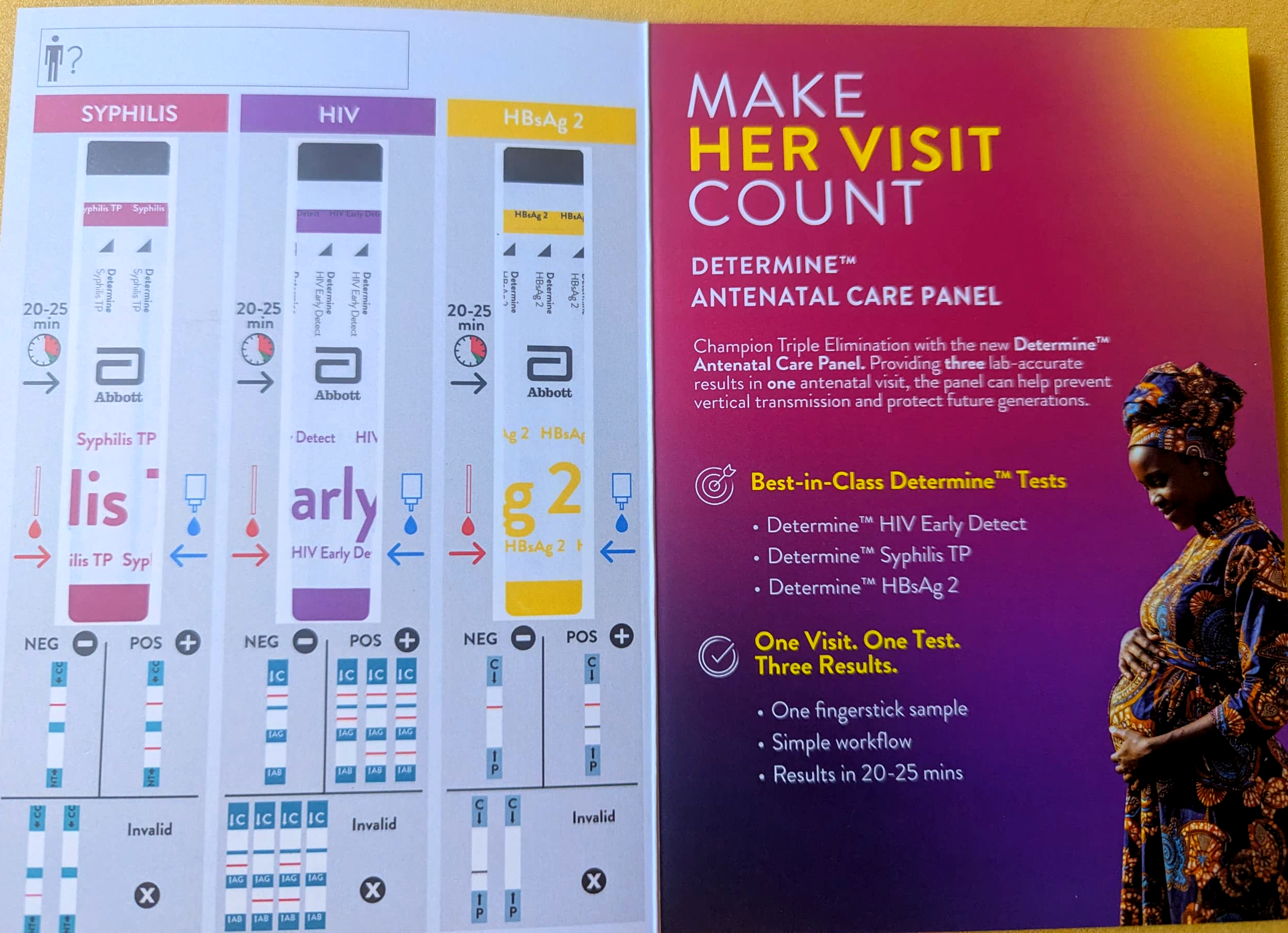
The test kit features