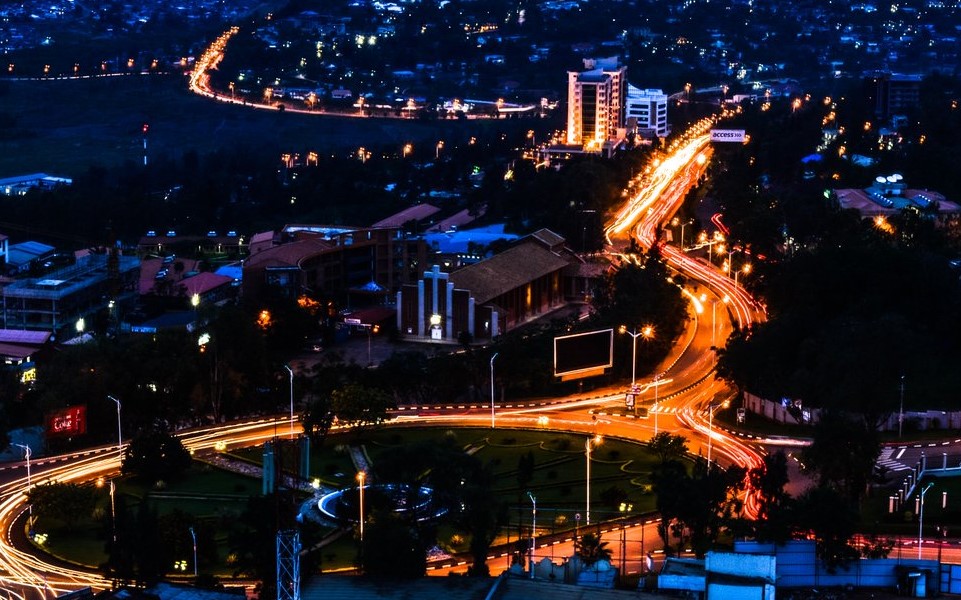



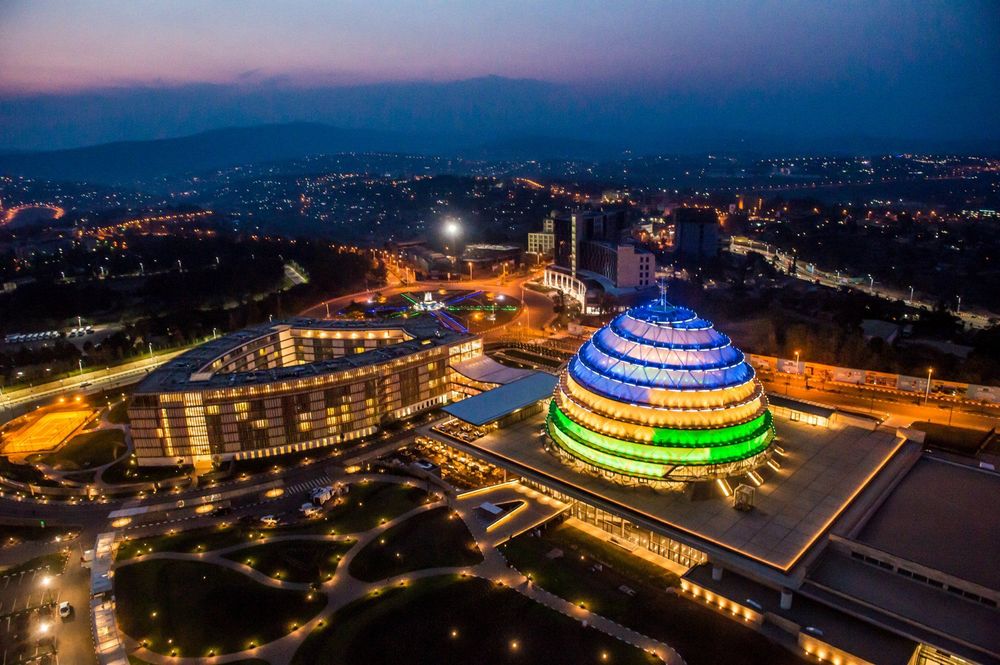
 Government is considering a reversal of its political decision to regulate nightlife throughout the country with a possibility of increasing working hours of entertainment spots, bars, and restaurants to 24/7.
The new regulations on nightlife, aiming to balance vibrant entertainment with public safety, noise control, and responsible alcohol consumption, were issued by the Rwanda Development Board (RDB) on June 27, 2025, in collaboration with the City of Kigali and Rwanda National Police and have since been enforced.
The standing rules and regulations concern hospitality and entertainment businesses like bars and pubs, nightclubs, restaurants, and hotels, liquor stores, event venues which were given mandatory opening and closing hours:
- Monday to Friday: Venues must close by 1:00 a.m.
- Saturday & Sunday: Closing time extended to 2:00 a.m.
- Opening time: Begins at 5:00 a.m.
- Hotels: May operate 24/7 for in-house guests only

During a press briefing on Rwanda’s Gross Domestic Product (GDP) figures for the Second Quarter of 2025, the media asked the ministers of trade and finance to explain the science behind this decision and its impact on the country’s GDP, which was estimated at Rwf5,798 billion at current market prices in Q2 of 2025, of which services contributed 50%.

Prudence Sebahizi, Minister of Trade and Industry, stated that there is rather good news on this decision, which is a consequence of COVID-19 and is currently being revisited by the government.
On the impact, the Minister of Trade said that this is probably a question that may be asked to the regulator (RDB) to find out if there was any adverse consequence to working 24 hours after COVID, but the good news is that the government is reworking the model to create more jobs and incomes.
“As a government, we have agreed to mobilize the private sector to work 24 hours where it is possible. We are working on the modalities,” Prudence Sebahizi, Rwanda’s Minister of Trade and Industry, said. “We will have intergovernmental consultations and we also consult the private sector. Very soon, not later than two weeks, we should be able to publish what has been agreed across the stakeholders,” he added.
From an economic perspective, Sebahizi noted that the rationale behind this move is intended to see businesses working 24/7 but with productivity, and this will require support services and incentives. “So there will be a set of incentives from the government, but also the private sector has to be mobilized to increase their productivity by working more hours than they are used to,” he revealed.
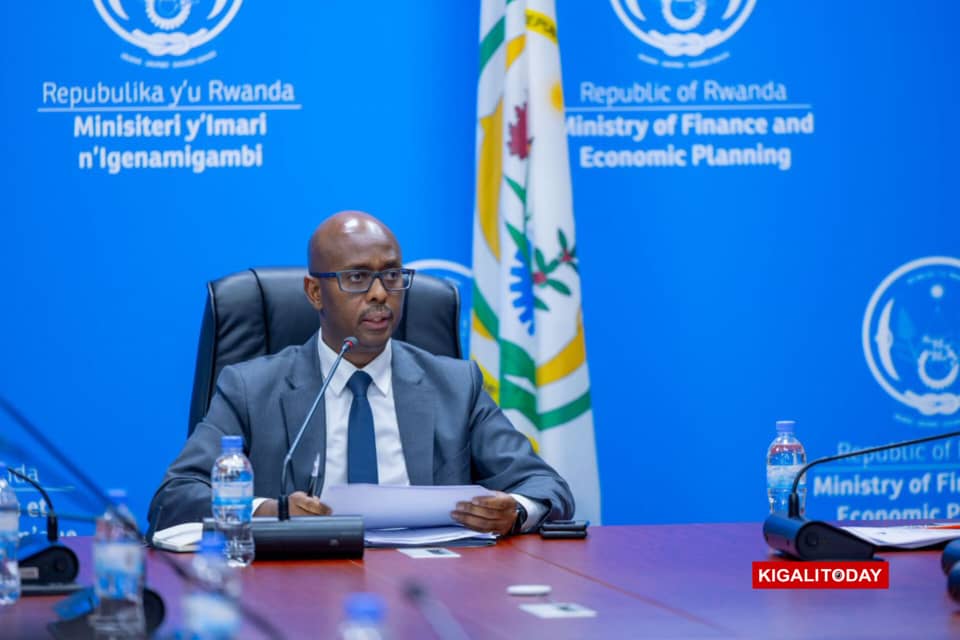
To set the record straight, Sebahizi and the Finance Minister Yusuf Murangwa clarified that there was no government decision to halt the nightlife in Rwanda but instead a consideration of citizens’ welfare. However, with the revisiting of the nightlife regulations, they intend to promote productivity, especially in the industry sector, and that will require other facilitating services like transport, restaurants, etc.
“So we are reviewing all these things to see how we can chart a way forward to facilitate these aspects. So there was no decision to shut the night economy. And as you know, for every policy position, there’s always a debate of the pros and cons and reviews,” Murangwa said.
“We hope these discussions will lead to a good review. Of whatever policies were taken and see whether we take them forward as they are or we modify them a little bit or completely reverse them. These are things that can always be reviewed, and another position taken,” he noted.