Across Africa, a new generation of innovators is transforming how we prevent, detect, and manage health challenges. From AI-powered diagnostics to malaria-fighting soap, youth-led ventures are proving that bold ideas can save lives — and scale globally.
Among them are young innovators from the African Leadership University (ALU), who are using artificial intelligence and digital tools to tackle some of Africa’s toughest healthcare challenges.
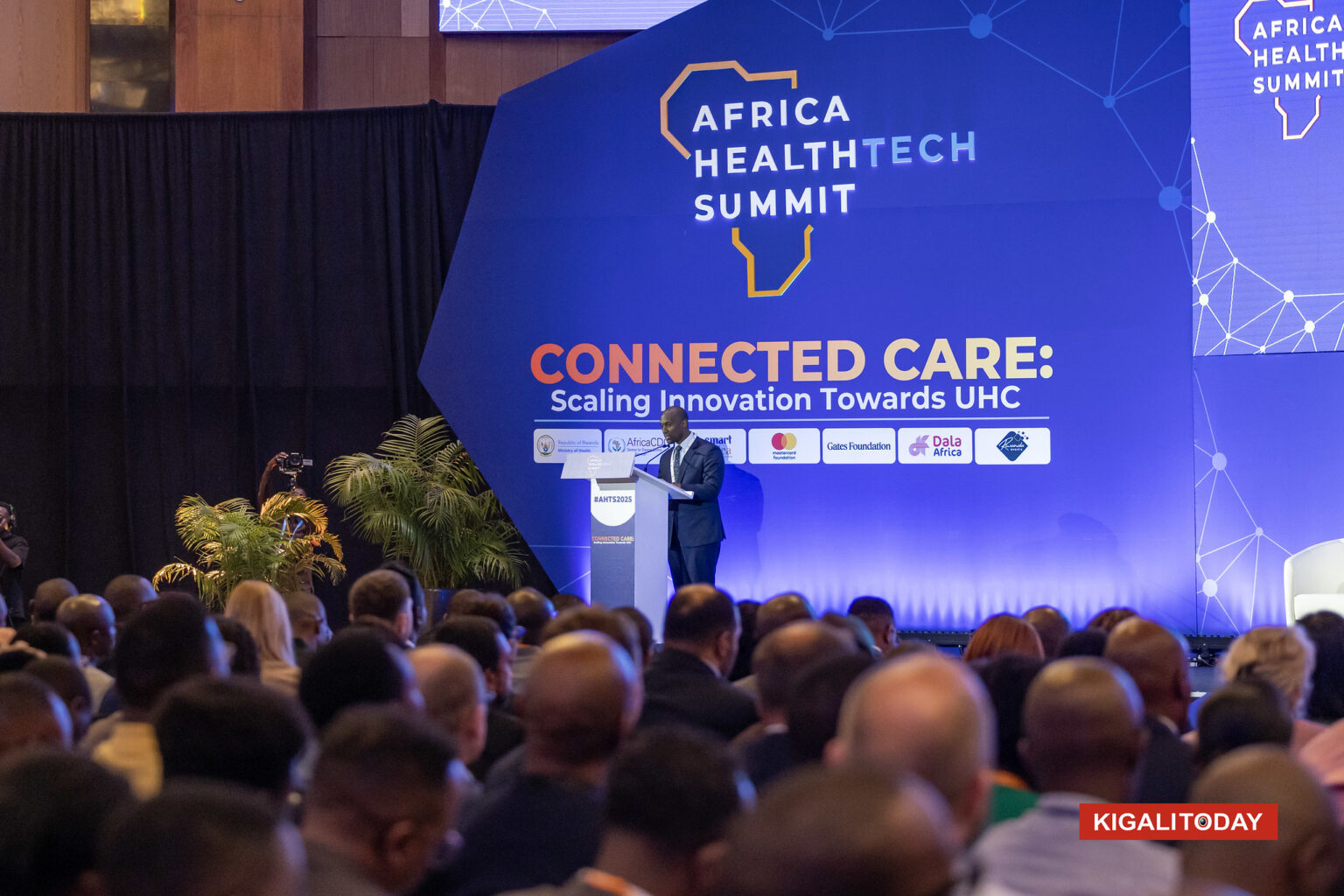
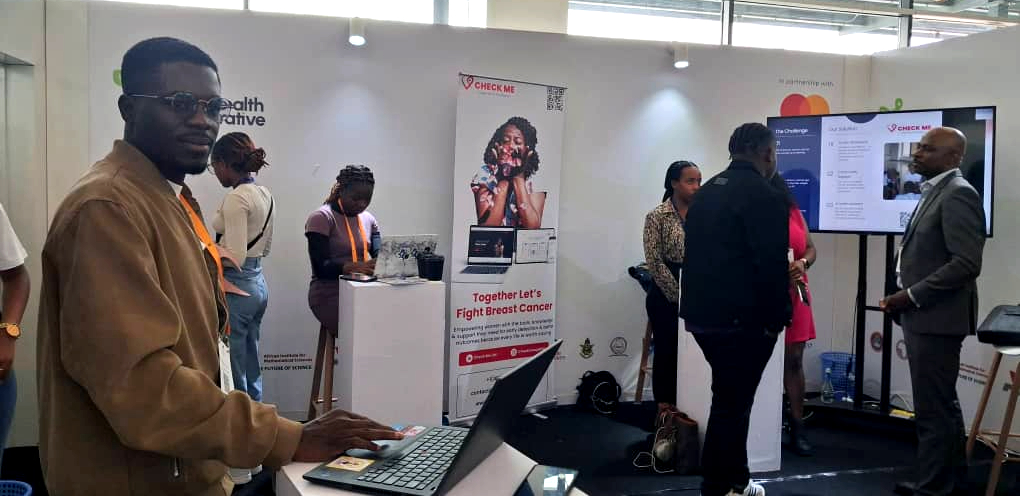
Their innovations were showcased at the Africa Health Collaborative Program Innovation Pavilion during the 2025 Africa HealthTech Summit (AHTS), where they demonstrated solutions in digital health, diagnostics, and preventive innovation.
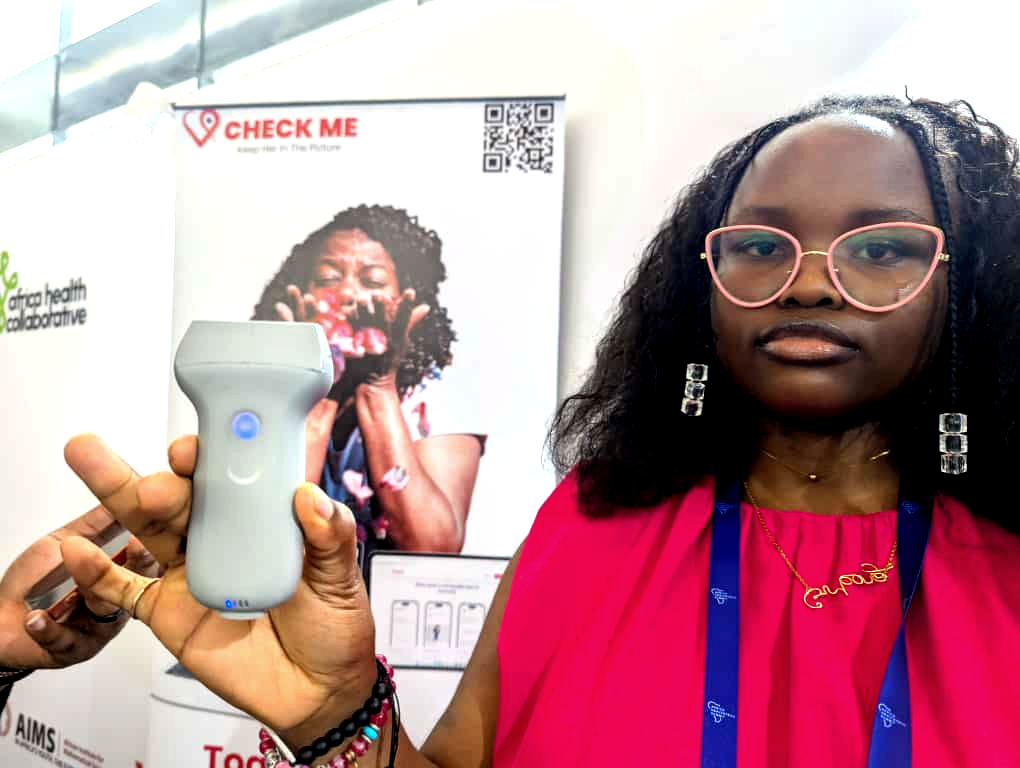
Sally Tabe Njoh, Check Me’s Laboratory Scientist, Researcher
Early Detection: CheckMe’s Breast Cancer Solution:
CheckMe Ltd, founded by a team of young West African students, focuses on early breast cancer detection for women in underserved communities.
Following an experience of one of the founders losing a sister to cancer, the team’s innovation aims to help women access life-saving screening and care, proving that prevention starts with access. Early detection saves lives — and these young innovators are proving it.
Check Me is an African-made, affordable technology designed to address the problem of Low Screening Access: 42% of African women lack access to breast cancer screening.
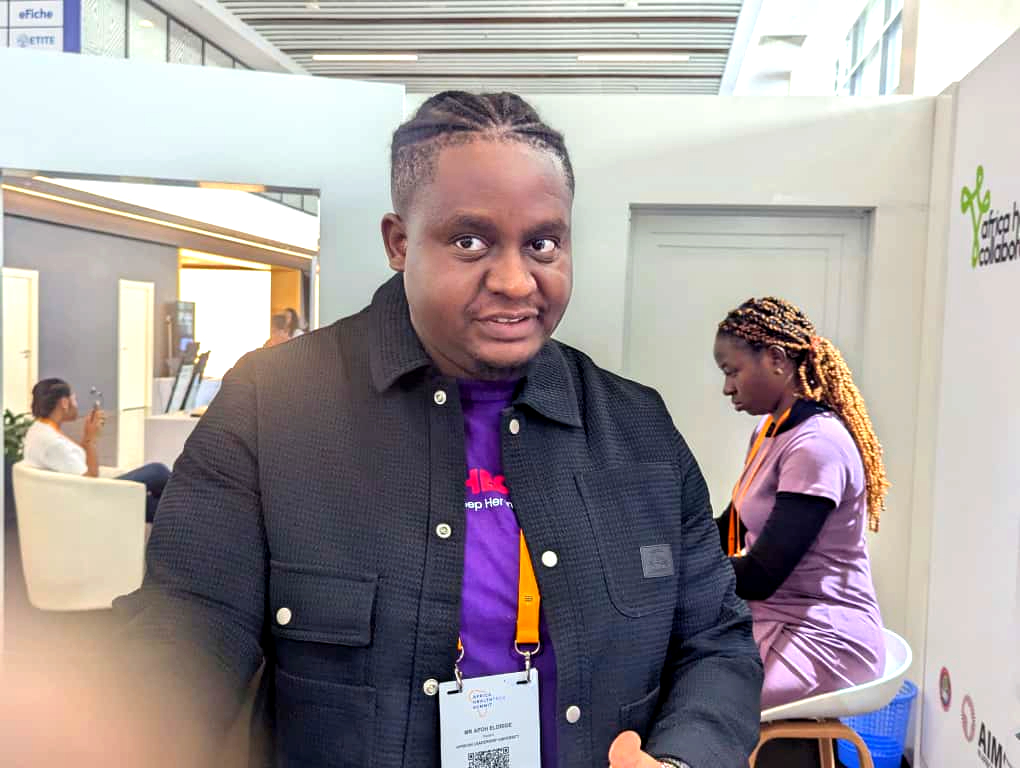
Apoh Prince Eldrige, Check Me software engineer
Late Diagnosis: 70% of African women are diagnosed at a very late stage (III or IV), making treatment extremely difficult and often leading to mastectomies or death and Misconceptions: Many women are unaware of the disease or mistakenly attribute it to “witchcraft or white man’s disease.”
Check Me’s Solution is a non-invasive, accessible screening device and platform is An African-made technology, affordable ultrasound device that generates images when passed over breast tissue.
Affordability: The device costs $2,000, a significant reduction compared to a single mammogram machine, which can cost about $50,000. This affordability allows service providers to reach more women.
AI-Powered Analysis: Images are uploaded to the Check Me platform for AI analysis, which generates a report on the breast tissue and cell evolution to detect the probability of having breast cancer.
Community Support:
“Beyond technology, Check Me runs Community awareness services and a chat-based platform that connects breast cancer patients with survivors for emotional support and shared experiences,” said Sally Tabe Njoh, a trained lab scientist.
With a serviceable market of 410,000, the team expects to make $2.9 billion in the initial year once the device is approved this month but starting with the Rwandan market, where cancer is a threatening disease burden.
Maternal Mental Health: A Digital Lifeline:
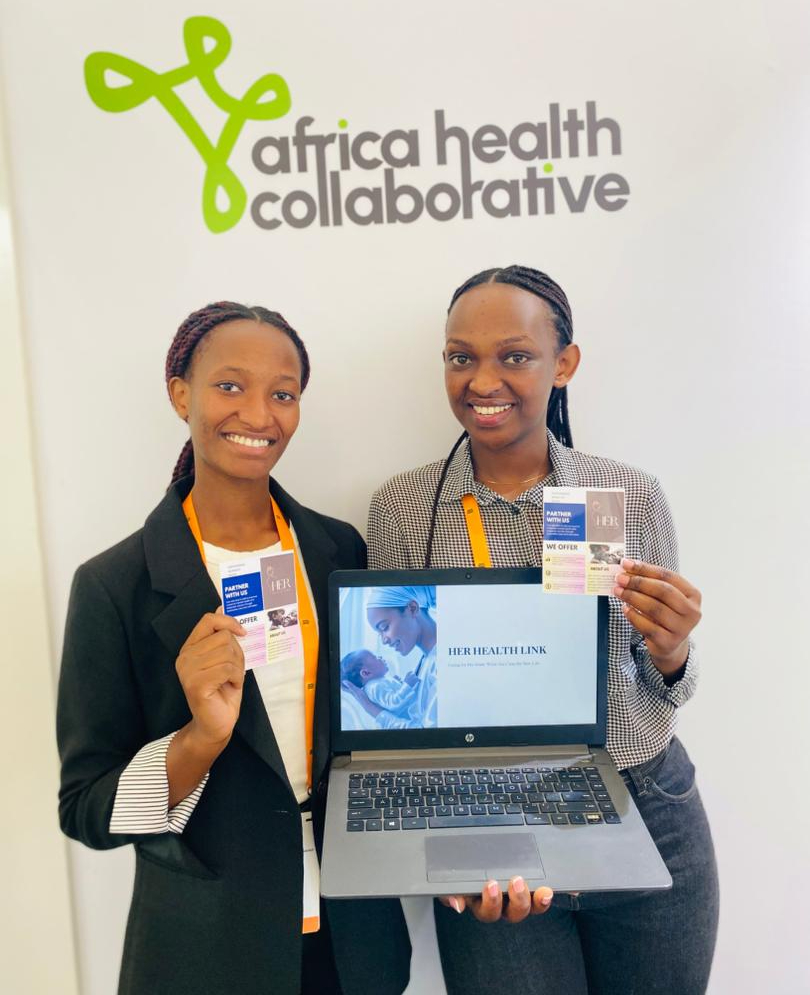
Her Health Link founders
Her Health Link (Rwanda) founded by Rwandan student entrepreneur Honestus Uwicyeza Ngirabakunzi, Her Health Link is bridging critical gaps in maternal mental health and reproductive healthcare for women in underserved communities in Africa.
Ngirabakunzi says their discovery was that there is a crisis, a sudden crisis, where one in three African mothers is passing through postpartum and other mental health disorders alone.
“This is just because there’s limited access and stigma-free mental health support in Africa. So, there’s also a cultural stigma that compounds the problem and prevents mothers from seeking help,” she said.
Through a web-based platform, they bring the care to mothers, and through community outreach they meet in person. Through partnership with local mental health professions, they can follow up progress in hospitals and where those women live.
This helps build a community of mothers who can share their testimonies and do peer-education.
“We have got an opportunity to meet over 500 mothers and got 85% of the positive feedback, which highlights that it’s very urgent. Mothers need help,” she said.
The team is developing a web app which will have 24/7 virtual and video therapy sessions, ways of tracking clients’ moods, and the data collected can be relayed to specialists in maternal health.
For privacy, the team has developed a self-talk chat where you can just post anything, your story, anonymously, and no one in the community is going to know the author.
By sharing these stories, the team hopes to solve the problem of stigma that generally comes with mental healthcare, of which only a small percentage of Rwandans access despite the availability of facilities.
“So, basically what we are solving, we have discovered that maternal mental health is a public and recognized health issue. Mothers are passing through hard motherhood because the society believes that mothers are meant to live in the hardship and that is okay,” Ngirabakunzi says, “That is not okay.”
“For us, what we are doing is just solve that problem. Bring together women because we believe that if the mother is not healthy, how can a kid be healthy? How can we have a better future?”
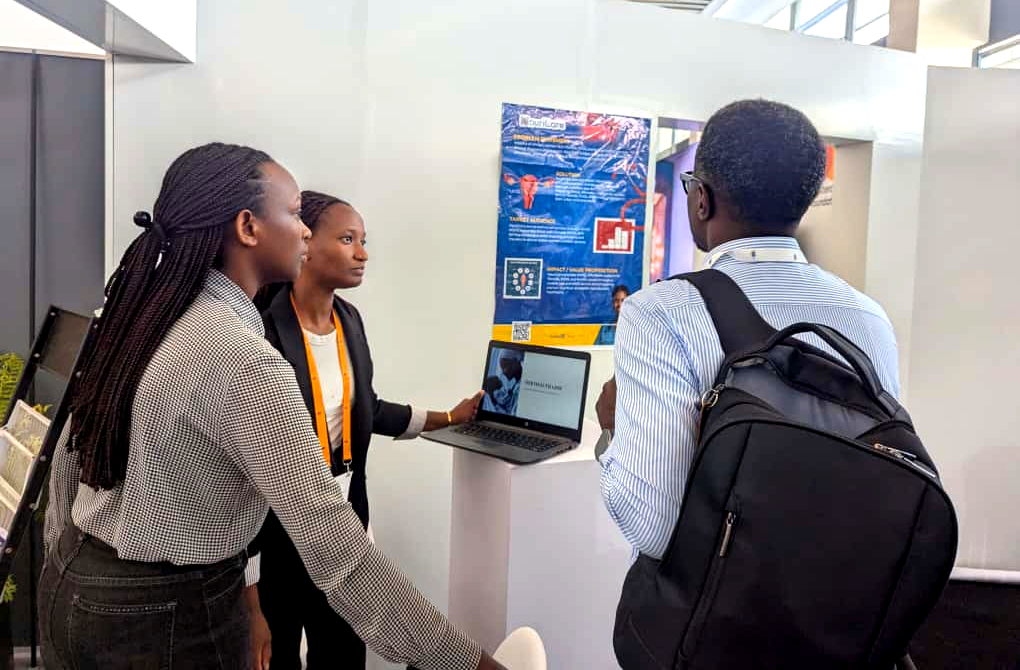
Sustainability: With a growing need for mental health service, there will be a free trial, and depending on the financial status, a mother can make a subscription (premium, classic), where one will be paying $10 per month for five sessions and the more one upgrades ($20) for ten sessions.
With a target market of 50 million mothers in reproductive age in Africa, and 10 million serviceable market in East Africa who need maternal mental health services, this team believes it can create impact and sustainable incomes, with a comparative advantage of focusing on underserved mother populations compared to competitors.
Through outreach and education, this innovation also supported by Mastercard Foundation is a powerful example of youth-led innovation. When young people lead, women’s health wins.
Smart Health Tech: From Cardiac Care to Digital Records:
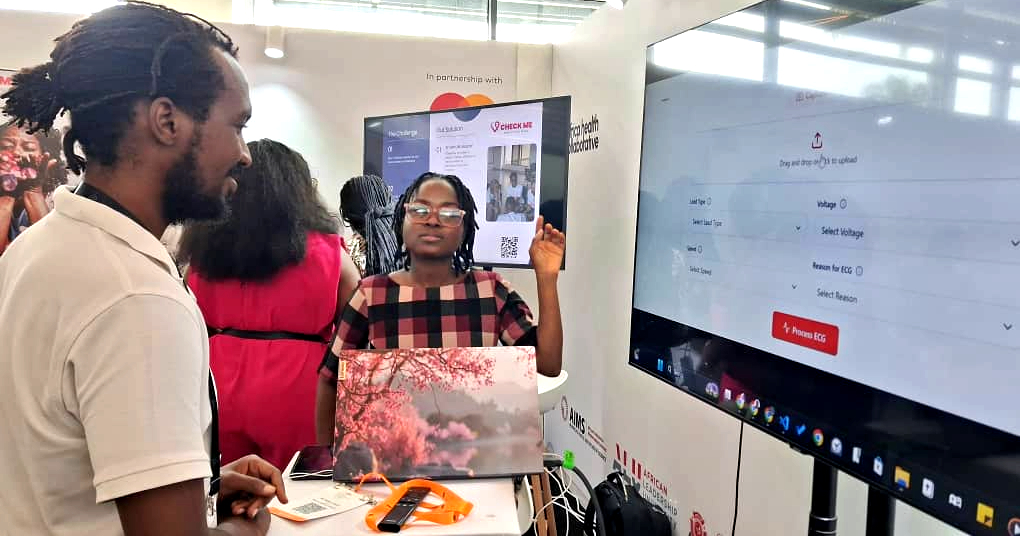
Praise Atadja (right)
CardiacTek (Ghana) Founded by Praise Atadja, CardiacTek is a smart heart monitoring system that uses wearable
technology and AI to detect cardiovascular issues early and support better emergency response.
Shortlisted for Falling Walls 2025, it exemplifies African health innovation on a global stage. Heart care innovation from Africa that could save millions.
With a need for funding, this innovation could be a match for existing global players in cardiac healthcare, such as Cardiac Tech Ltd- a MedTech company that is creating a new safety paradigm in temporary pacing, and who may want to enter the African market.
NauriCare (Ghana) a first-year software engineer, Benjamin Kettey-Tagoe founded NauriCare, an innovation that aims at revolutionizing women’s healthcare especially those with too many male hormones (Polycystic ovary syndrome) in their bodies that result in having male features like beards.
Polycystic ovary syndrome (PCOS) often results in having too much of a male hormone called androgen. There’s no single test to specifically diagnose PCOS, no cure for it, but treatments can improve symptoms- that can be reduced through lifestyle changes such as daily physical exercising.
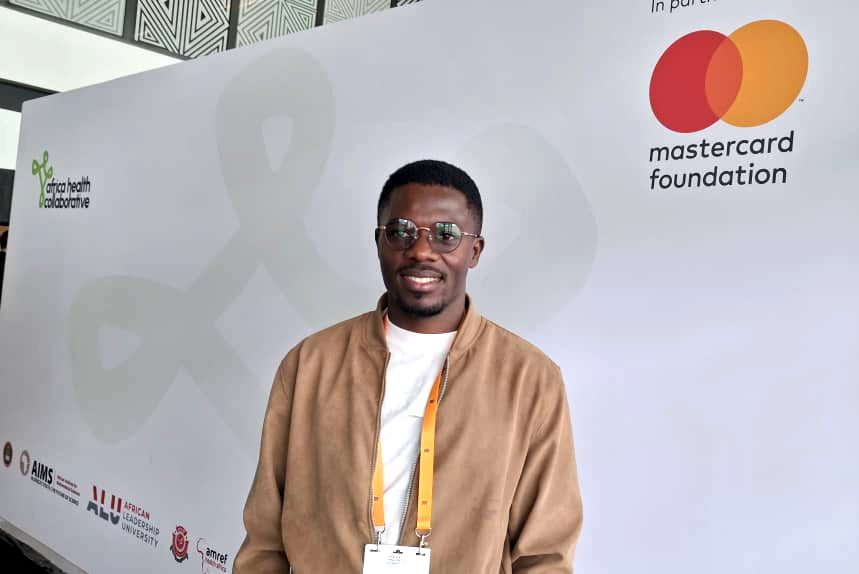 Kettey-Tagoe’s solution is to address the stigma that comes with women bearing this burden and his statistics show that 75% of women go undiagnosed yet they experience it as early as 10-14 years.
Surgery is an option for this syndrome but this can be expensive thus many in rural communities opt not to try but live with it.
Through a B2B model, Kettey-Tagoe has developed a mobile/web application that educates and provides symptoms check-up options and connects patients directly to a specialist.
“Its referral engine that is connected to the hospital which connects the patient to a gynecologist but with a lack of gynecologists we have developed a teleconsultation to address the issue of long queues.
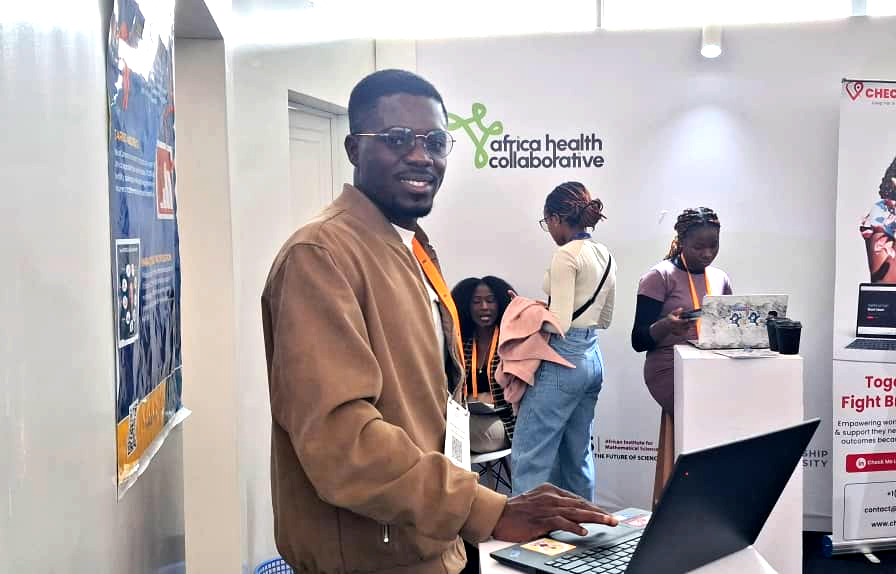
“With the teleconsultation helps one to book an appointment with a hospital and the doctor will have all patient information before coming for a physical check-up,” he said.
Besides engaging women with syndromes, his innovation also plans to use an Artificial Intelligence (AI) trained and Internet of Things (IoT) device which can be used in early detection.
This device will be portable and can be passed below the belly to detect symptoms. We plan on starting with 150,000 women in Rwanda and in the next five years we will be in Kenya,” he said.
The application is free but through partnership with over 1,200 health posts, 570 health centers, 57 district hospitals, 5 referral hospitals, and using teleconsultation, insurance and agreements with corporate organs, Kettey-Tagoe plans on sustainable funds.
With plans of financing through grants and research (data collection) that can inform policy decisions, Kettey-Tagoe says his is not inventing a new wheel but reaching rural communities that lack access to the stigmatizing syndrome.
By leveraging mobile technology, the platform ensures less is spent on a patient (making $8/$1 spent on a person) bringing healthcare access directly into people’s hands women with abnormalities, and closing persistent gynecologist care gaps.
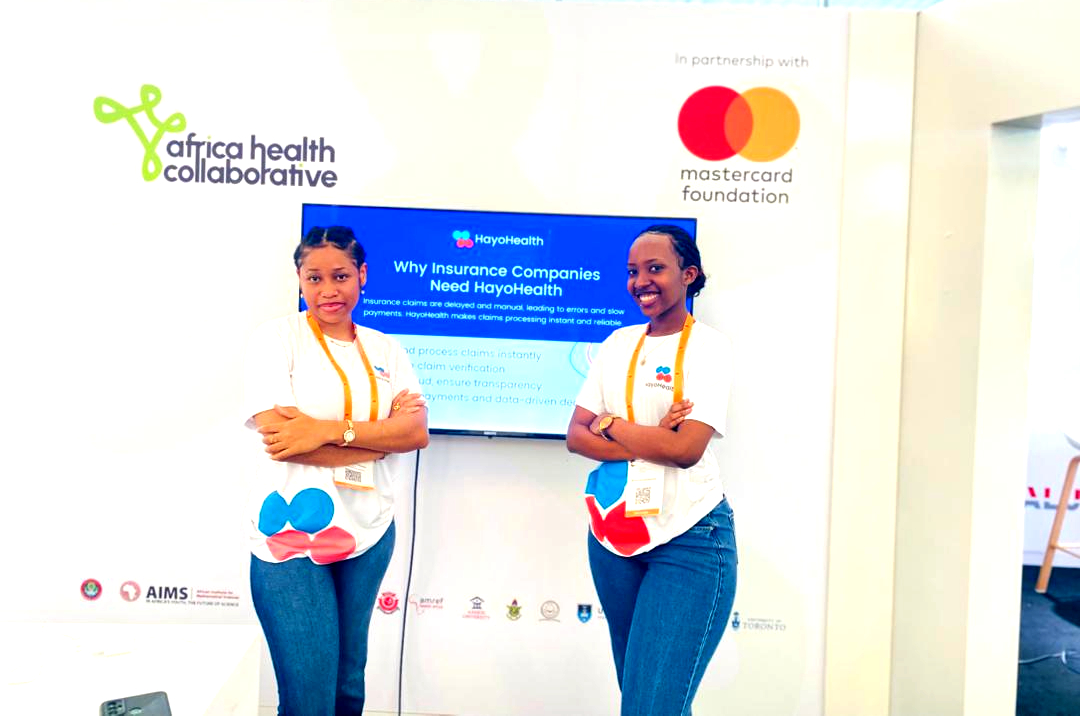
HayoHealth (Nigeria/Rwanda) Goodluck Ogbonna’s startup HayoHealth is digitizing healthcare records in Africa, replacing fragile paper systems with secure, interoperable digital files.
With their first client in Rwanda, the platform is already proving its power to strengthen health systems. Digitizing Africa’s health records—one clinic at a time.
Ogbonna is aware that medical records are already in the process of being digitized, but by giving patients a Near Field Communication (NFC) smart card used for data sharing among systems, HayoHealth intends to easily and instantly connect patients to hospitals and specialists.
Through a B2B model, Ogbonna wants a situation where patients have full access to their data, and health facilities getting access instantly. This makes the process smarter and quicker, enhancing work efficiency by 70-80%, saving revenues by 50%.
“That is why we are building this technology to help health facilities to replace their slow manual processes, those relying on manual paperwork to ensure they have access to patient data using a smart card,” Ogbonna said.
With a unified and centralized system, Ogbonna says that their software installed in facilities will immediately read the patient data (in the centralized EMR system).
Why use a smart card not the computer? Ogbonna says that this will help to decentralize patient’s data but also using their AI embedded platform, medics will be able to give informed medical decisions which the patients can also access (digitally) and understand easily.
With this smart card Ogbonna adds that it is easy to keep and monitor patients’ medical records and history at an instant, and this means accessing previous data with card tap. In the long run, Ogbonna plans on a mobile application which serves a growing mobile-connected Rwandan population.
She also says that health insurance companies will greatly benefit as the card makes it easy to see the medical activities on each claim reimbursement made and approve it in real-time.
Building Africa’s Health Future:
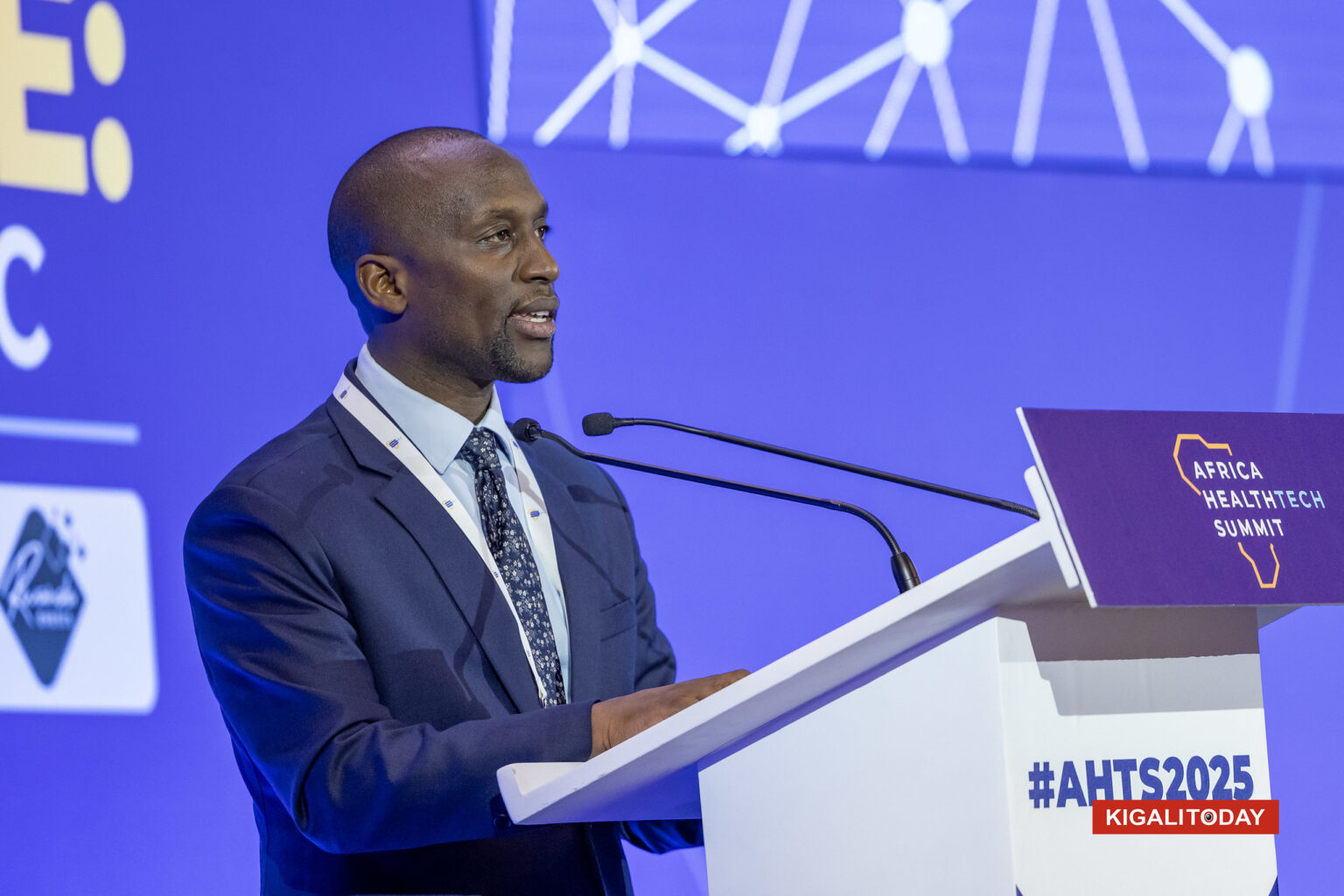
These innovators — supported by the Mastercard Foundation’s Africa Health Collaborative (AHC) — reflect the continent’s growing health-tech momentum.
Speaking at the AHTS, Ivan Ntwali, Country Director of Mastercard Foundation Rwanda, urged more partners to invest in such initiatives.
One way the Foundation is leading is through the Africa Health Collaborative, a 10-year initiative to strengthen primary healthcare systems across Africa through higher education, innovation, and entrepreneurship.
Under the Health Entrepreneurship (HENT) component, the Foundation supports youth-led startups like those from ALU, helping them scale impact, generate revenue, and create meaningful employment.
From Kigali to Accra, these young innovators are proving one thing: when Africa’s youth lead, healthcare innovation thrives — and lives are transformed.