
KIGALI, Rwanda — The Mastercard Foundation has called for bold investments in Africa’s youth, describing young innovators as the “driving force” behind the continent’s health transformation and a critical path toward achieving universal health coverage (UHC).
Speaking during the 2025 Africa HealthTech Summit (AHTS) happening in Kigali under the theme “Connected Care: Scaling Innovation Towards Universal Health Coverage,” Ivan Ntwali, Country Director of Mastercard Foundation in Rwanda, emphasized the importance of harnessing youth creativity and innovation to strengthen Africa’s health systems.
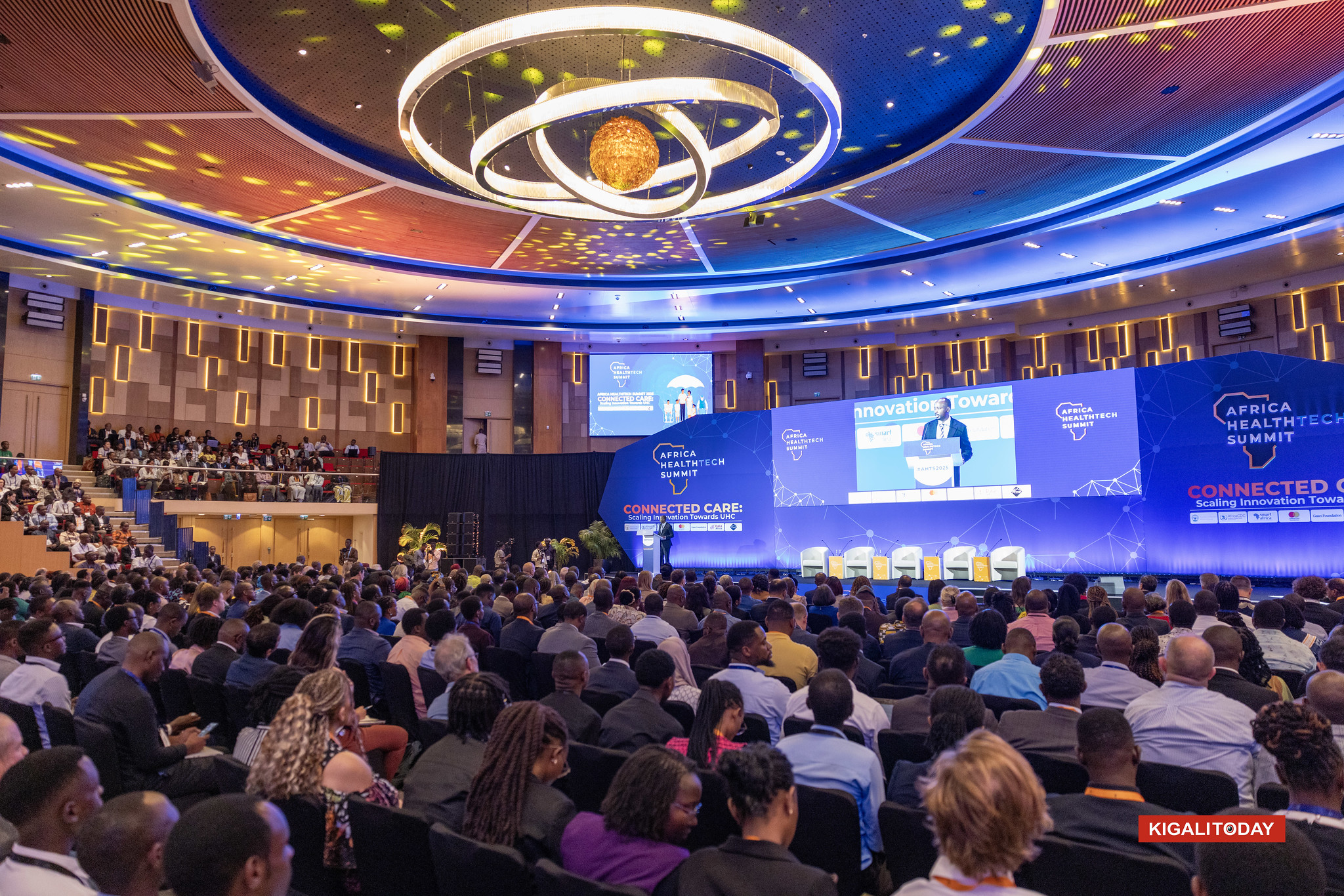
The three-day summit brought together policymakers, investors, innovators, and health experts to explore how technology can improve healthcare delivery, enhance data sharing, and ensure equitable access to essential health services across Africa.
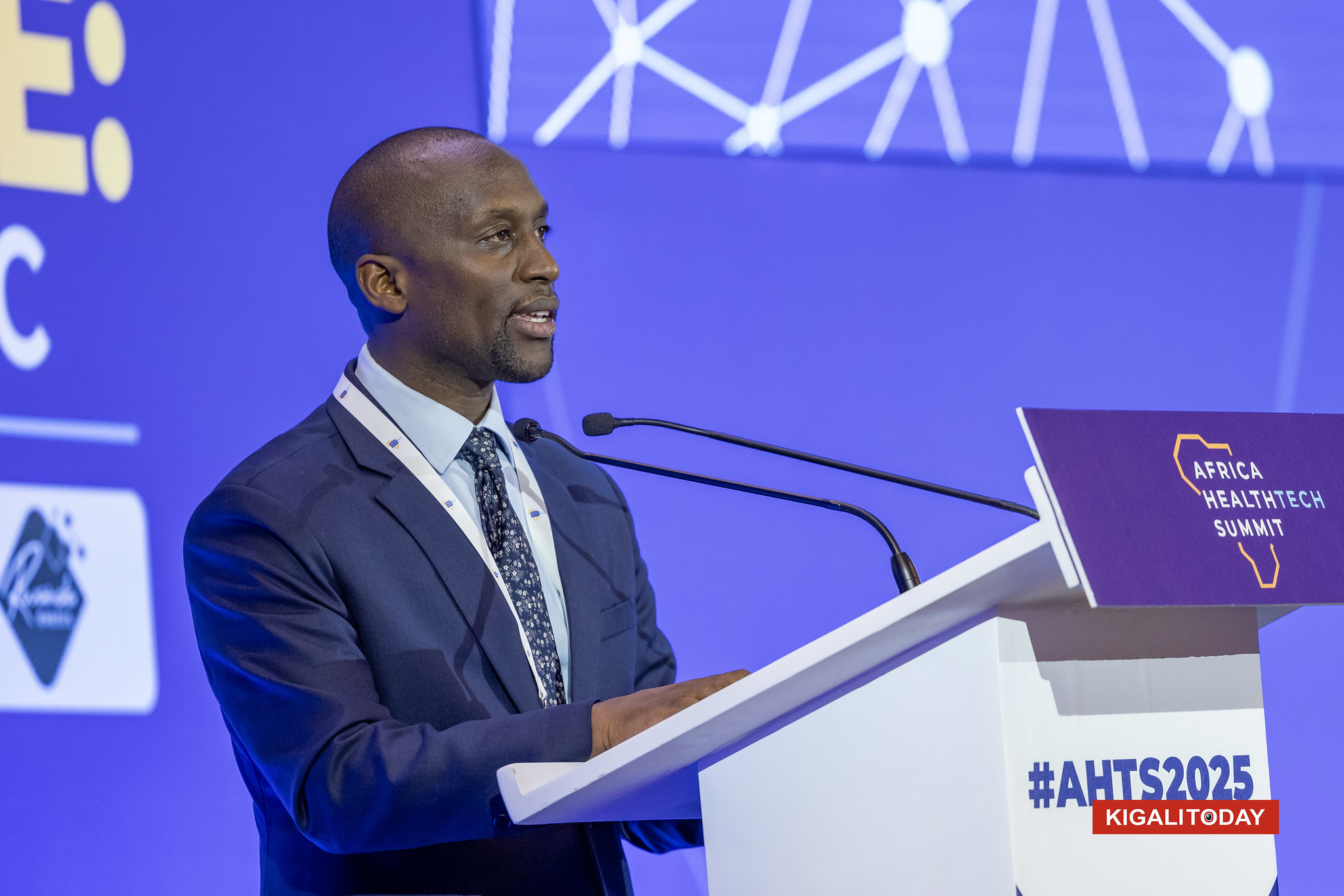
Ivan Ntwali
“At the Mastercard Foundation, we believe that young people are not the leaders of tomorrow, but the changemakers of today,” Ntwali said.
“We see every young person as a spark for innovation — whether they are coding in Kigali, a nurse in Lagos, or a community health worker in Lusaka. Each represents the future of a healthy, connected Africa.”
Investing in Youth to Strengthen Health Systems:
Ntwali reaffirmed the Foundation’s commitment to empowering young Africans through its AfricaWorks Strategy, which aims to enable 30 million young Africans to access dignified and fulfilling work by 2030.
He said the Foundation’s approach centers on listening to young people and supporting their potential to drive sustainable change.
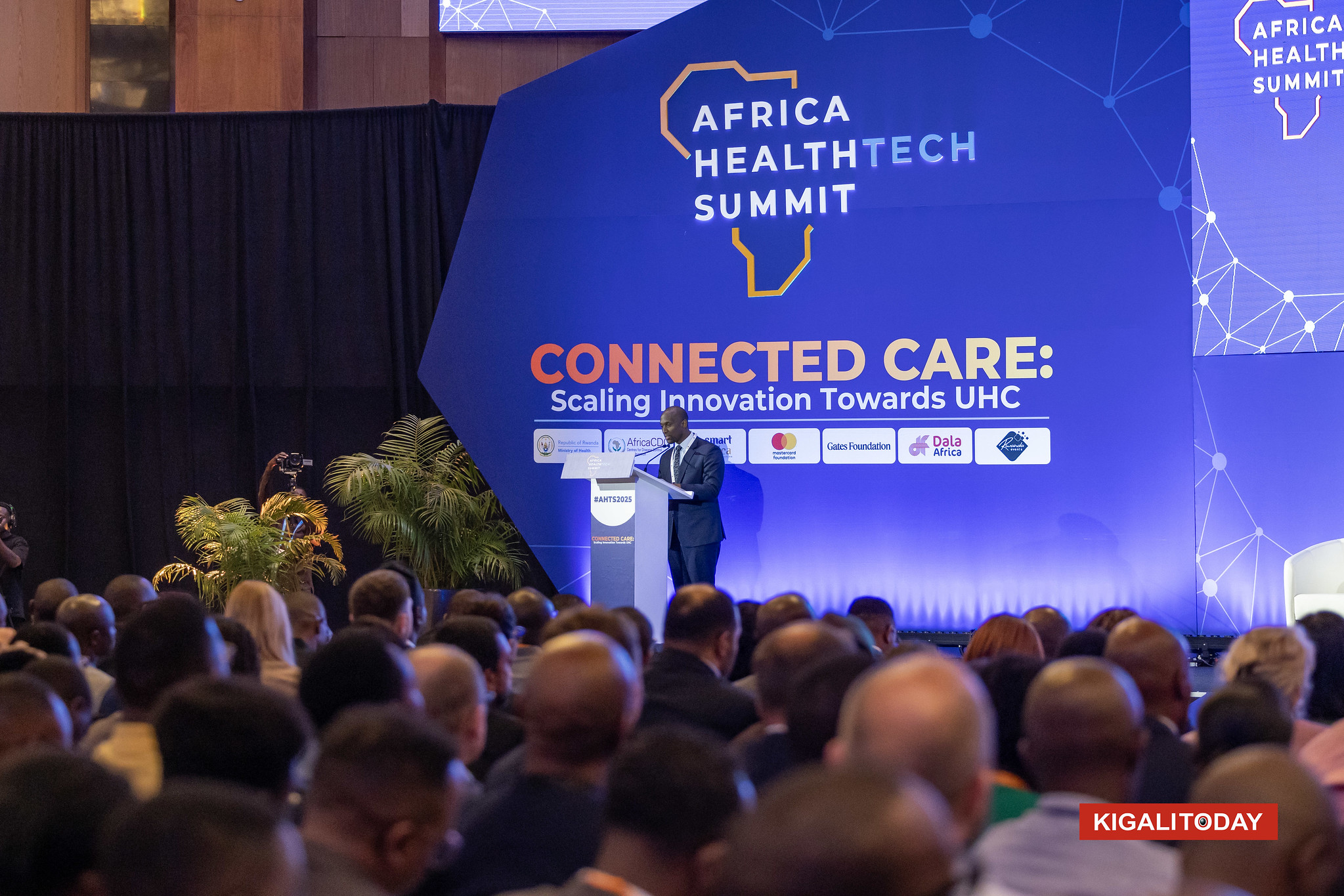
Ivan Ntwali, addresses the summit
“Their voices, experiences, and aspirations shape our programs and partnerships,” he noted. “Sustainable change begins not with institutions, but with people — especially young people ready to transform their communities.”
The Mastercard Foundation, through partnerships in health innovation, digital skills development, and entrepreneurship, has supported thousands of African youth to develop technology-driven solutions in healthcare, education, and agriculture.
Youth as a Catalyst for Health Transformation:
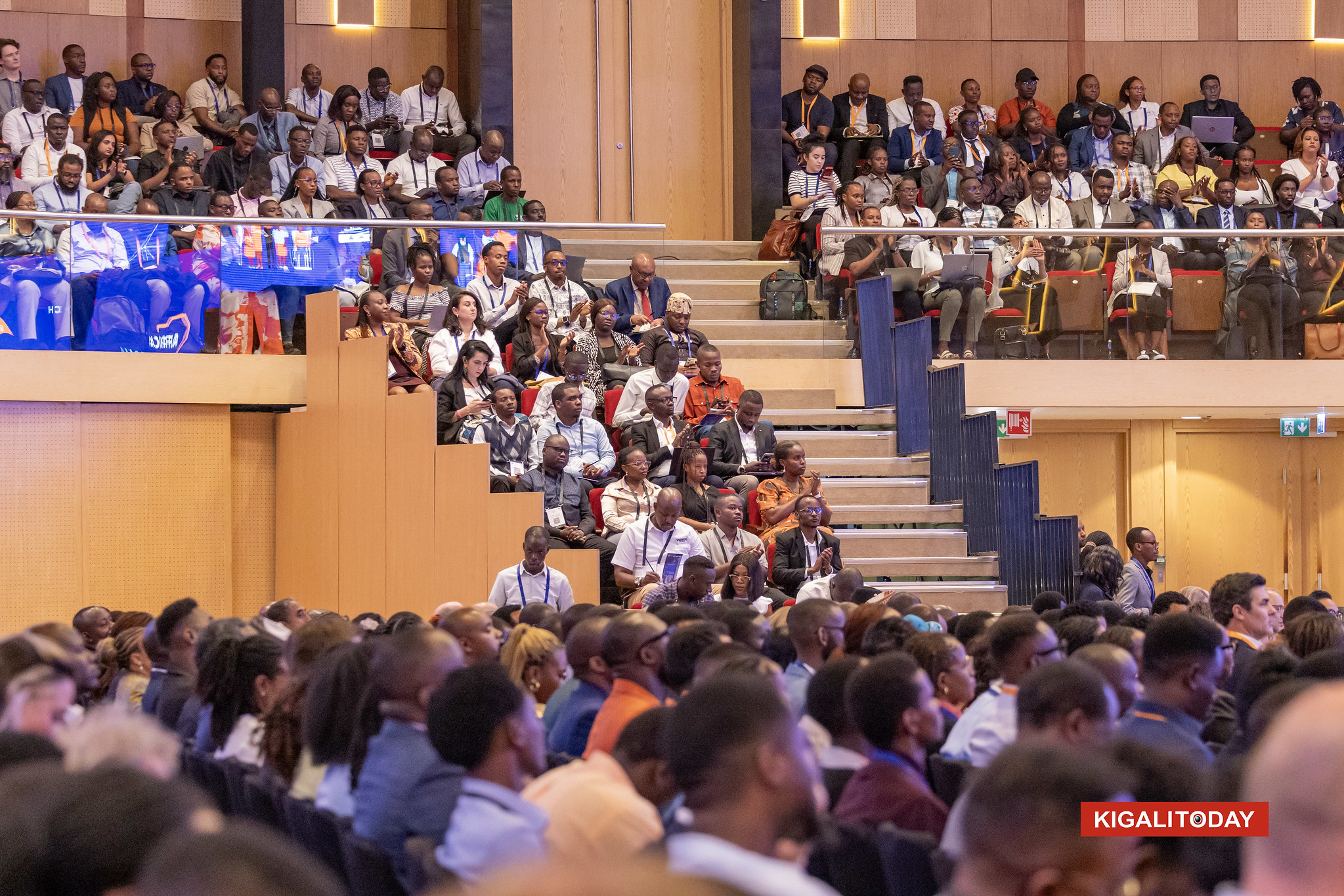
A cross section of youth participants at the summit
Ntwali urged summit participants to ensure that health technology policies, investments, and innovations put young people at the center of Africa’s health agenda.
“Behind every policy, every innovation, and every partnership, there are young people whose future depends on our actions today,” he said. “They deserve an Africa where health, opportunity, and dignity are not privileges, but fundamental rights.”
He added that with the right policies and investments, digital health innovation could serve as the cornerstone for achieving universal health coverage.
“When we strengthen our youth, we strengthen our continent,” Ntwali said. “Our role as leaders and mentors is to ensure that these change-makers have the opportunities they need to thrive.”
Rwanda Pushes for Accelerated Digital Health Adoption:
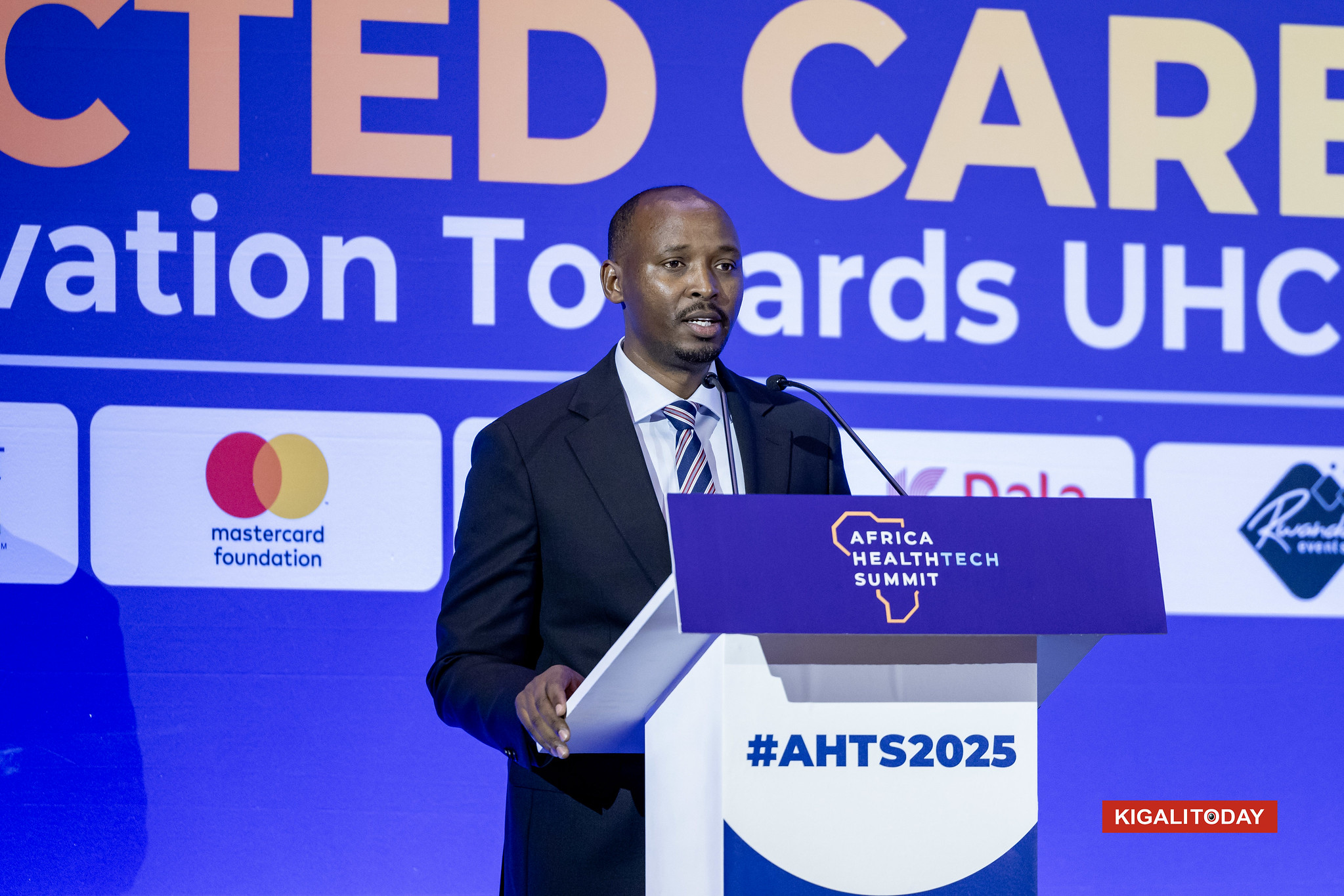
Dr. Sabin Nsanzimana
Dr. Sabin Nsanzimana, Rwanda’s Minister of Health, who officially opened the summit, said that innovation and technology have always been at the core of progress in healthcare. He noted that artificial intelligence and digital tools are transforming how diseases are detected, predicted, and managed — but human insight must remain central.
“Technology is here, and with it, we can make our lives better,” Dr. Nsanzimana said. “Let’s move beyond speeches to action, bringing real solutions that make tomorrow better and build a healthier, more connected Africa.”
He urged African countries to keep pace with the rapidly changing digital landscape by ensuring interoperability — systems that communicate and share health data efficiently — and by enacting policies that enable technological advancement in healthcare.
“We need systems that talk to each other and policies that evolve with innovation,” he added. “The digital era is transforming our lives; we must ensure it advances our health goals rather than slows them down.”
Digital Health: The Path to Universal Coverage:
Across Africa, the World Health Organization (WHO) estimates that over 600 million people still lack access to essential health services.
Digital innovations such as telemedicine, electronic health records, and AI-powered diagnostics are increasingly seen as tools that can bridge this gap.
However, experts note that sustainable progress will depend on youth-led innovation and investment in digital infrastructure.
UN Commends Rwanda’s Progress:
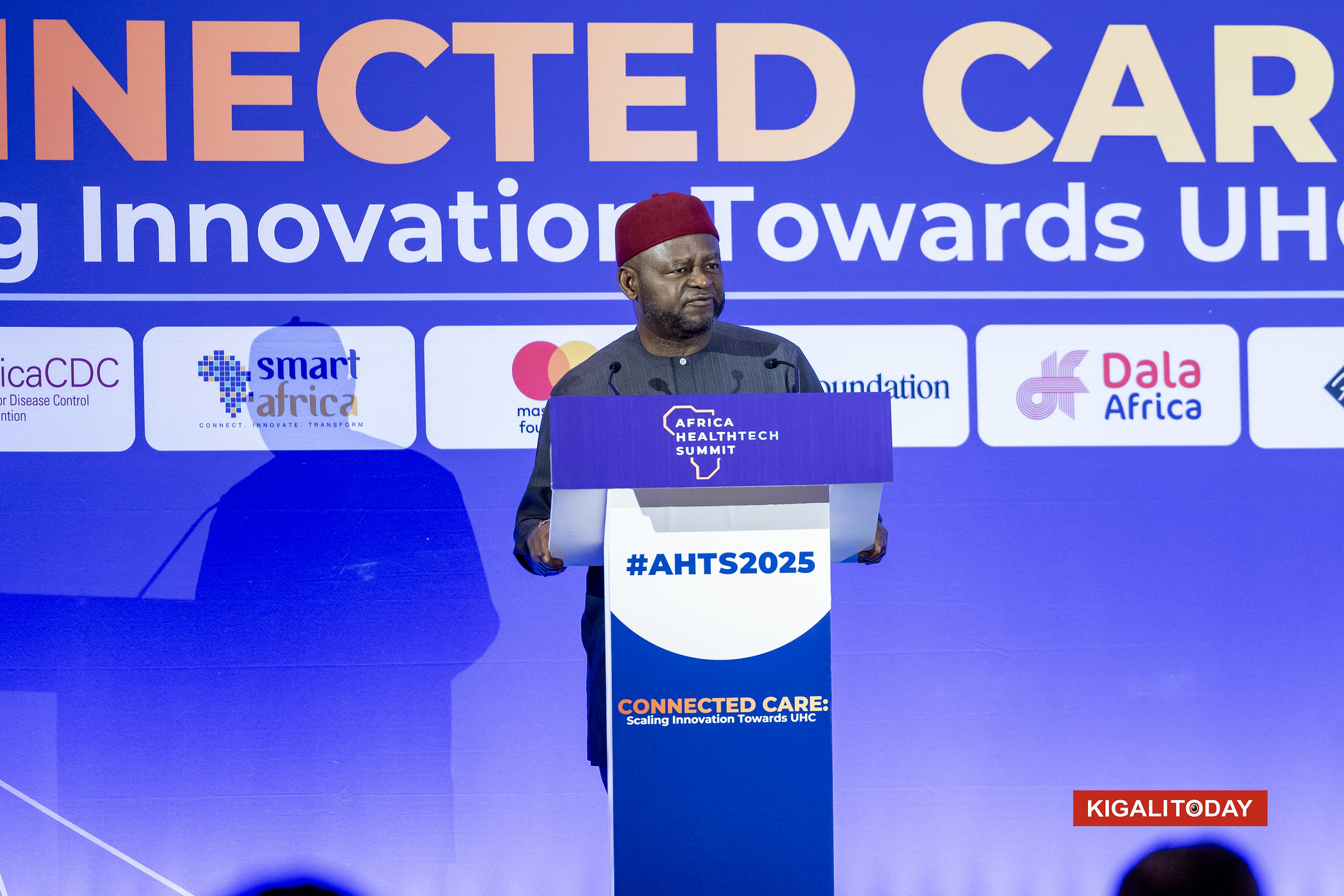
Ozonnia Ojielo
Ozonnia Ojielo, the United Nations Resident Coordinator for Rwanda, commended the Rwandan government for its collaboration with UN agencies to expand access to digital health tools and systems.
“Rwanda’s model shows that strategic investment in innovation pays off — not just in health outcomes but in national resilience,” Ojielo said.
He added that Rwanda’s experience demonstrates the importance of integrating technology into healthcare delivery to improve efficiency, accessibility, and impact.
Africa’s HealthTech Future:
According to the **African Development Bank (AfDB), Africa’s health technology sector is projected to grow to $11 billion by 2030, driven by youth-led startups and public-private partnerships. Yet, challenges such as limited funding, weak digital infrastructure, and policy gaps continue to hinder the sector’s full potential.
As the summit, participants agreed that the continent’s young innovators remain Africa’s most valuable resource — and investing in them is essential to building a resilient and equitable healthcare future.
Youth Innovator’s Challenges:
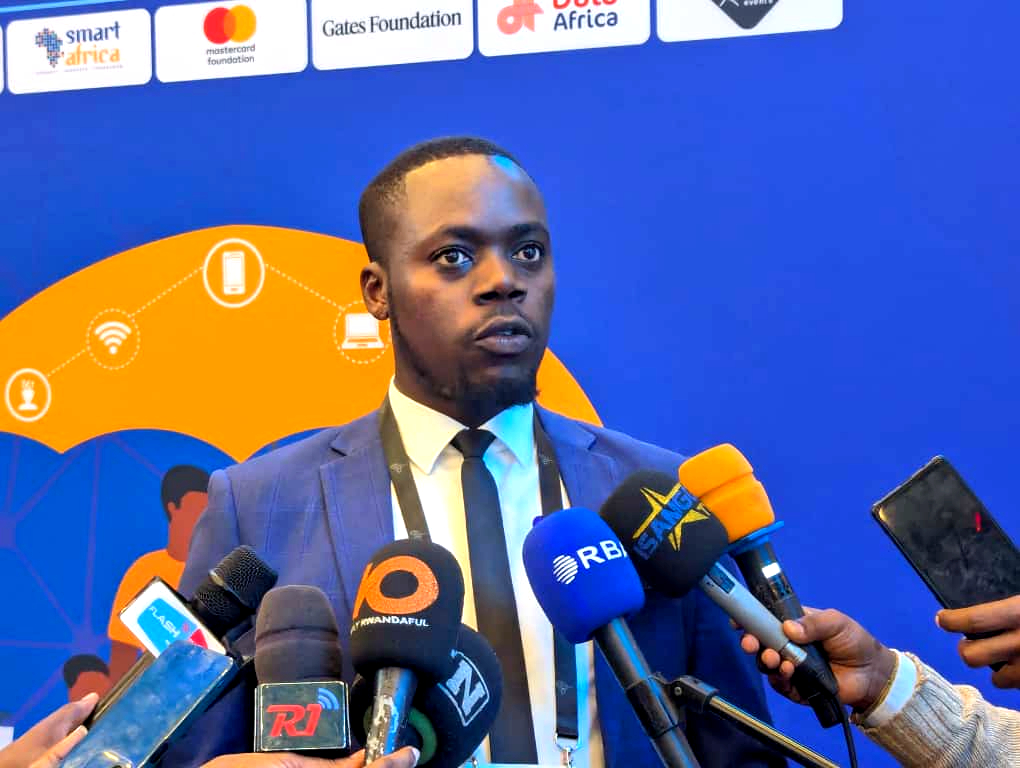
Emmy Rugamba decried funding challenges for young innovators
Young innovators like Emmy Rugamba, the chairman of Health Lab mobile application which focuses on E-Public Health Education in Rwanda that operates through both a website () and a mobile application said that since 2024 when they launched the product, it has only activated 35% of its full potential to relate researched and medic-aided health services (in Kinyarwanda) in all aspects of healthcare.
Rugamba said that financing has been the greatest challenge and while government welcomes, recognizes and supports digital health innovations, the financial aspect always hits a back door.
For example, Rugamba stated that in order to make their next move to reach full capacity, the innovation needs investment in data protection and storage of which its financing has not been easy to acquire, however this has not stopped their ambition to grow.
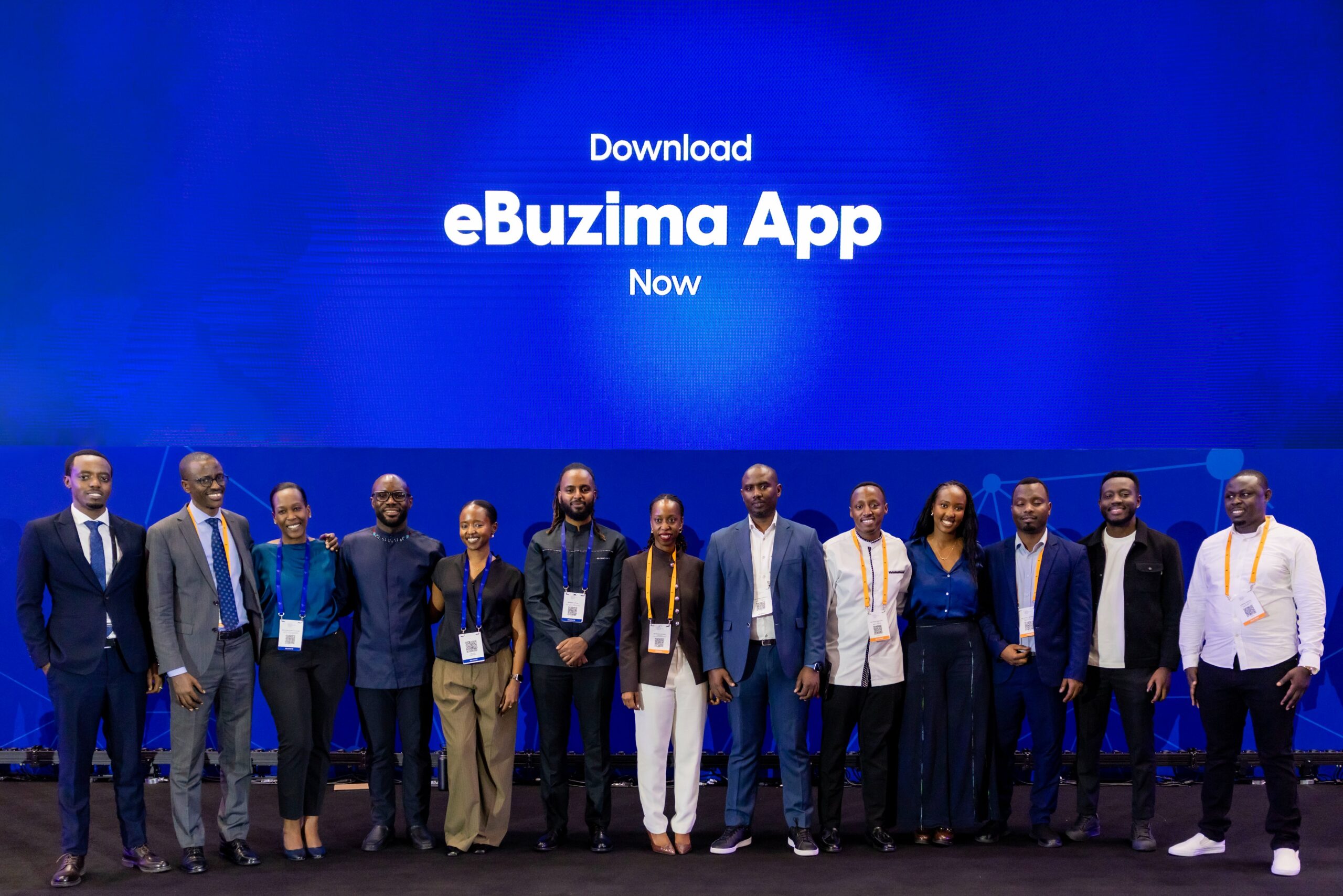
The summit also witness the launch of a suite of home-grown digital health solutions — including Rwanda’s Electronic Medical Record, ambulance tracking system, and eBuzima App that connects individuals to health services, records, and emergency support — driving a more integrated patient journey and greater efficiency.

Photos by Eric Ruzindana