Rwanda has urged the United States to brief the UN Security Council on the latest progress in efforts to resolve tensions with the Democratic Republic of Congo (DRC), saying many Council members are operating without a full understanding of the peace initiatives already underway.
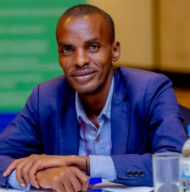
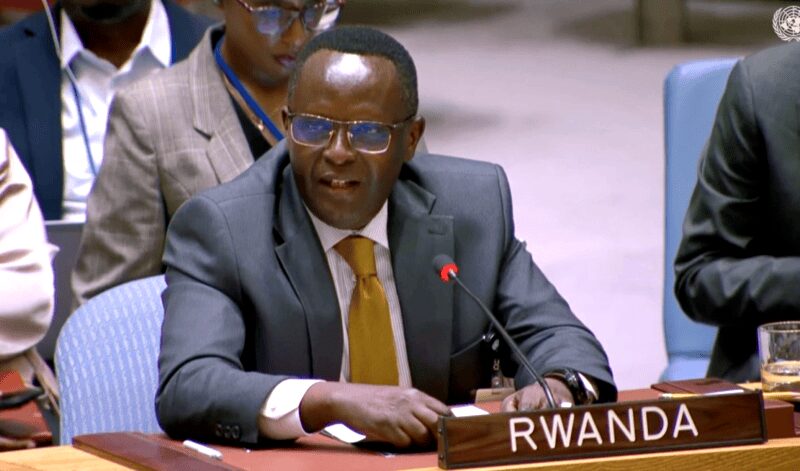
Ambassador Martin Ngoga, Rwanda’s Permanent Representative to the UN, said a U.S.-led briefing would help align the Council’s decisions with the realities of the Washington Peace Agreement and the Doha process, both aimed at restoring stability in eastern DRC.
“We have agreed between the Republic of Rwanda and the Democratic Republic of Congo on how to resolve our differences, and we request the Council to support us in that process,” Amb. Ngoga told the Council.
“That is what will help the Council to sufficiently support the process — through harmonized interventions and clear understanding of the progress already made,” he added.
Commitment to Peace Frameworks:
The Washington Peace Agreement — signed earlier this year under the facilitation of the United States — lays out a framework for de-escalation, demobilization of armed groups, and restoration of cross-border cooperation between Rwanda and the DRC.
Complementing this effort, the Doha Declaration of Principles, mediated by the State of Qatar, provides guidelines for political dialogue between the Congolese government and armed movements, including the Alliance of Congolese Forces (AFC/M23).
Amb. Ngoga reaffirmed Rwanda’s commitment to implementing both frameworks, calling them “critical steps toward sustainable peace and reconciliation in the Great Lakes region.”
“Rwanda reiterates its full commitment to the Washington Peace Agreement and to the complementary Doha Declaration of Principles facilitated by the State of Qatar,” he said. “We believe both frameworks represent vital pathways to regional stability.”
A Call for African-Led and Harmonized Support
Amb. Ngoga emphasized that the ongoing peace efforts are African-led, supported by the United States and Qatar, and grounded in regional principles of cooperation, mutual respect, and dialogue.
He urged the UN Security Council and international partners to back these processes rather than introduce parallel interventions that could complicate or derail progress.
“We need your support, and we need you to give us the chance to implement the agreement as it is — not to intervene in ways that may complicate or deviate from that process,” he stressed.
The ambassador noted that coordination between the UN and the mediating partners would ensure that all stakeholders are working toward the same objectives — lasting peace, security, and development for communities affected by the protracted eastern DRC conflict.
Renewed Momentum in Peace Talks:
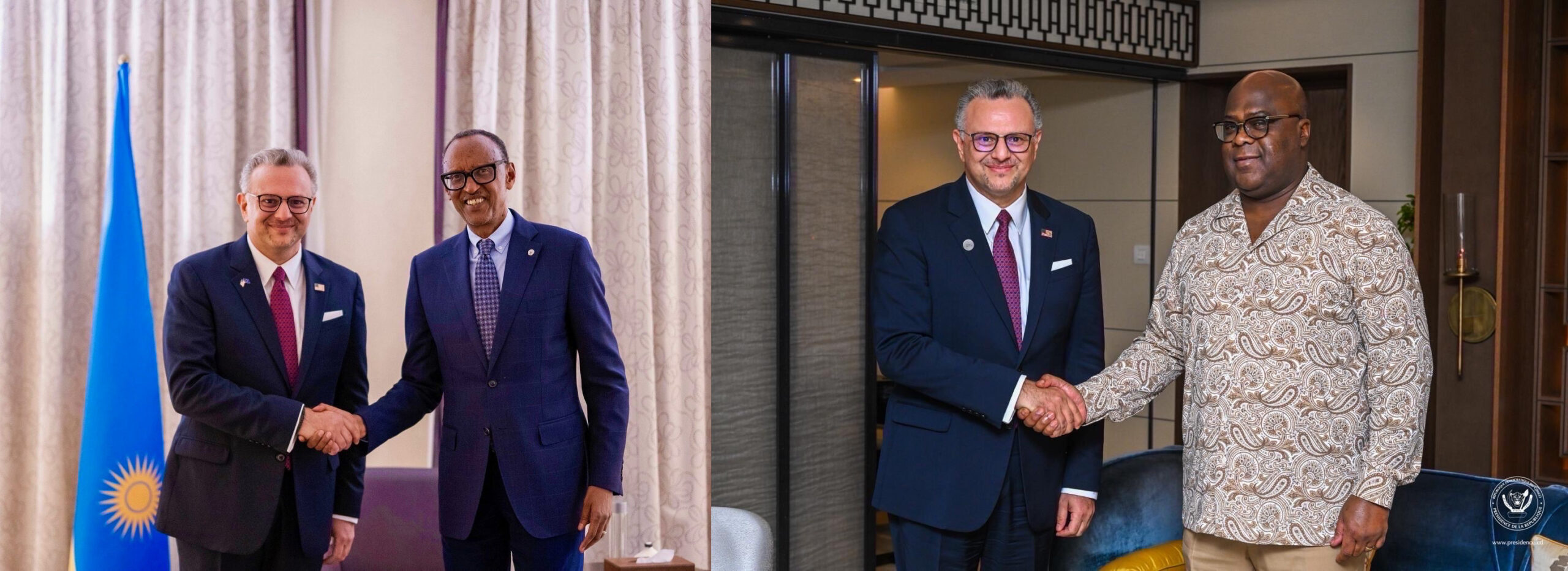
The latest diplomatic push follows renewed shuttle diplomacy in the Great Lakes region, with U.S. Senior Advisor for Arab and African Affairs Massad Boulos meeting separately last week with President Paul Kagame of Rwanda and President Félix Tshisekedi of the DRC.
Following those meetings, Boulos underscored Washington’s support for the peace process, saying both countries had agreed on “concrete steps” to implement the Washington Agreement and advance the Doha track between the DRC and M23/AFC.
The U.S. has described the twin frameworks as complementary pillars for achieving lasting stability, restoring Congolese sovereignty, and fostering regional cooperation.
A Turning Point for the Region:
The UN estimates that more than 6 million people have been displaced in eastern DRC due to ongoing violence involving armed groups. Previous mediation efforts under the Luanda and Nairobi processes struggled to deliver lasting calm, prompting the new U.S.–Qatar–Africa-led approach that both Kigali and Kinshasa have now endorsed.
Diplomatic observers say the alignment of regional and international actors — including the African Union, East African Community (EAC), and the Southern African Development Community (SADC) — will be key to ensuring that this new phase of negotiations succeeds where others have faltered.