



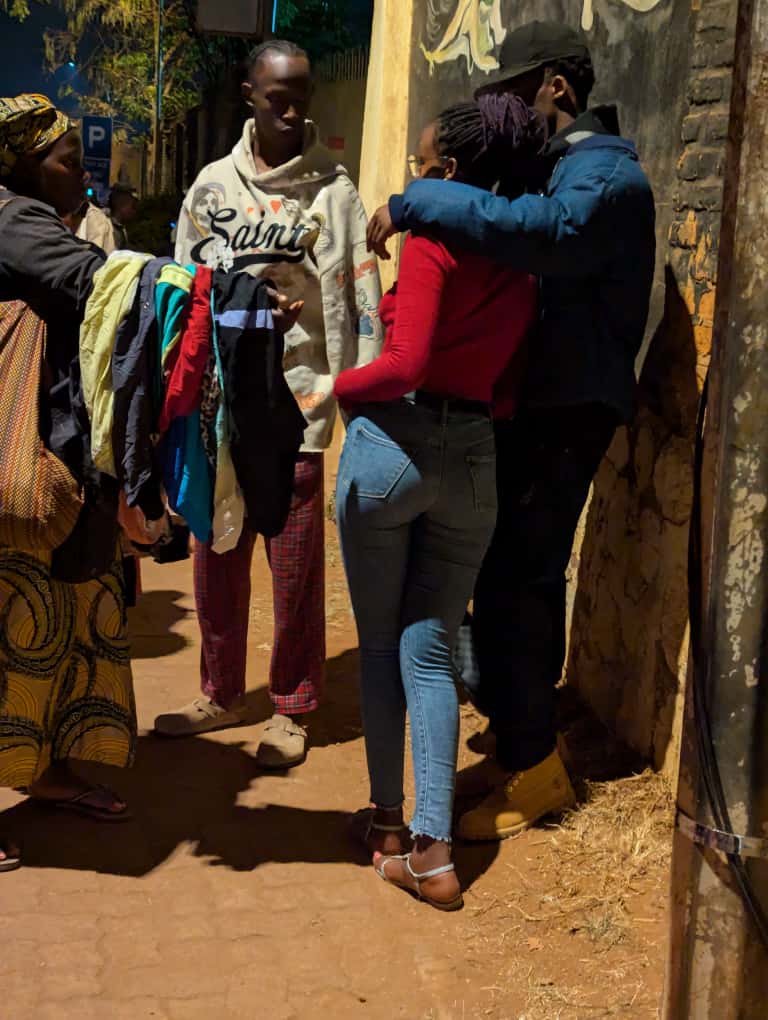
Young Rwandans hanging out during the International Trade Expo in Gikondo in 2024. RBC, AHF and RNGOF say that new infections among youth are largely as a result of changing lifestyles and early indulgent sexual activities (Photo: Daniel Sabiiti)
Rwanda is planning to scale up the use of injectable antiretroviral medications (ARVs) as one of the measures to increase management and prevention at a time when numbers of new infections among youths remain high.
ARVs are primarily used for the management and prevention of Human Immunodeficiency Virus type 1 (HIV-1) infection.
Rwanda’s current primary strategy is to use fixed-dose combinations (FDCs), which combine three antiretroviral drugs into a single pill, taken once daily, to improve patient adherence. This medication remains free of charge.
The new scale-up plan will be implemented following a year of disseminating one of the World Health Organization-approved injectable methods (cabotegravir) where persons living with HIV/AIDS (PLWHA) can inject once every two months.

Dr. Basile Ikuzo
Dr. Basile Ikuzo, Director of the HIV Prevention Unit at Rwanda Biomedical Centre (RBC), said that this method has been used in two health centers (Busanza and Gikondo) and despite some concerns of pain aftereffects, it is set to be rolled out.
“We are reviewing the uptake, but the plan is to roll out this program throughout the country,” Ikuzo said. “We have had some users complain of pain after injection, but this medication costs a lot and is so far an approved method.”
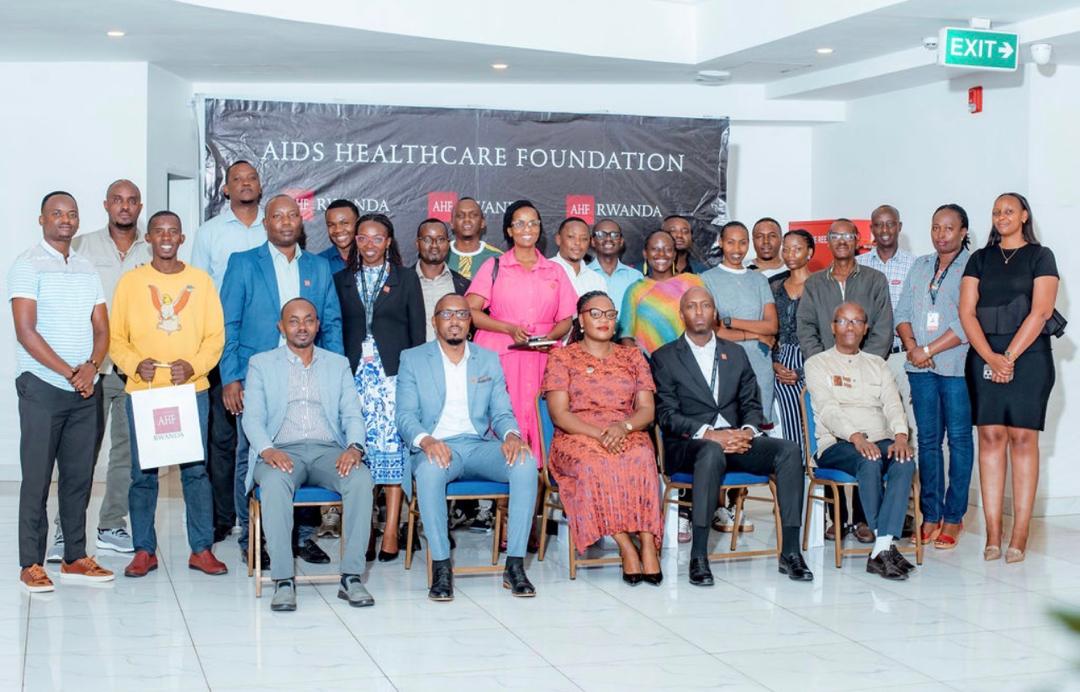
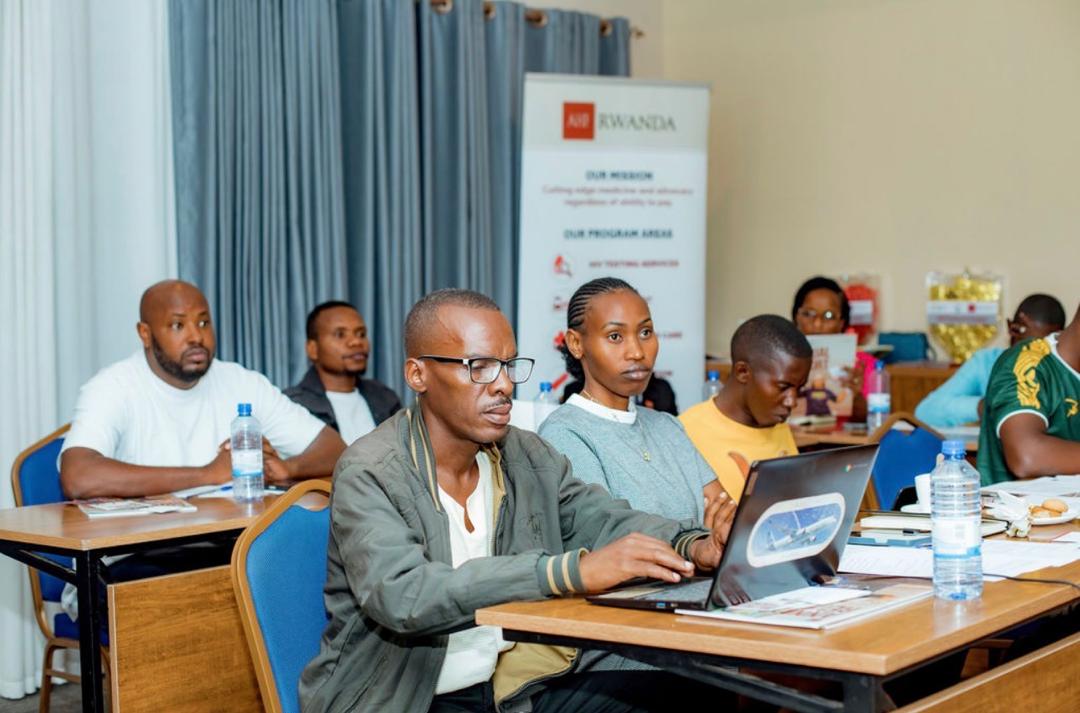
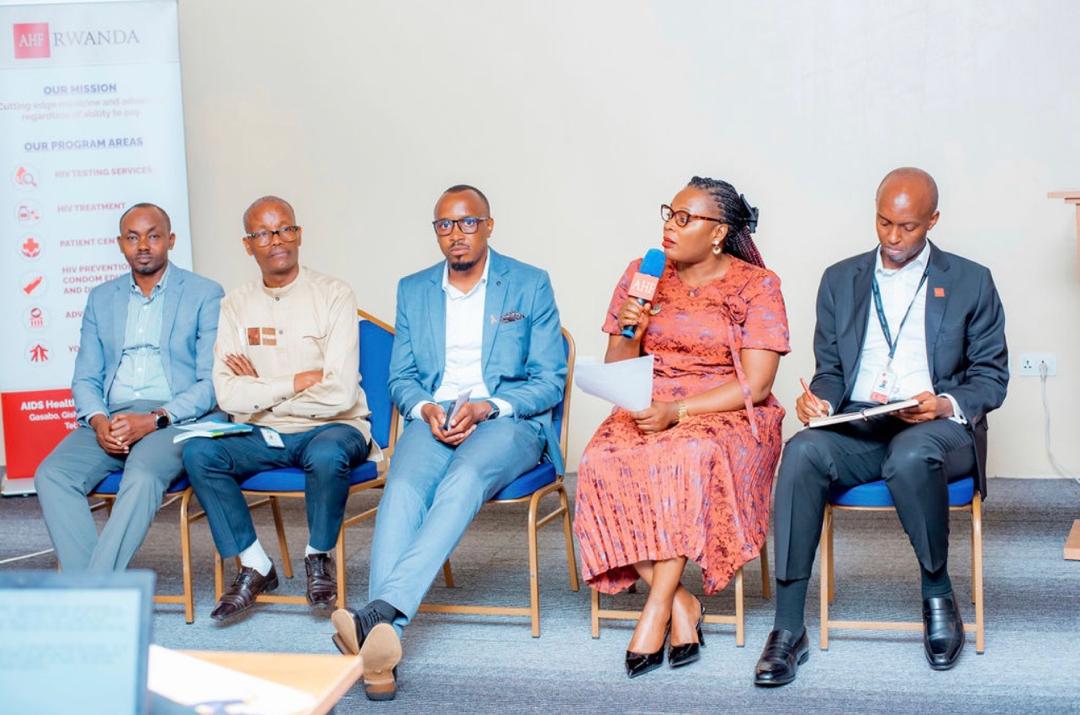
Ikuzo was speaking during a press media breakfast organized by the AIDS Healthcare Foundation (AHF) on October 22 to highlight achievements and strengthen partnerships in the National HIV Response.
Ikuzo revealed that RBC is also planning on introducing another injectable medication (Lenacapavir) which is used once every six months, but this could happen by next year or in 2027.
Lenacapavir is used for two purposes: to treat multidrug-resistant HIV-1 infection in adults who have limited treatment options and to reduce the risk of sexually acquired HIV-1 infection in adults and adolescents who are at risk.
Challenge of Youth and HIV Stigma:

Youth especially girls are the most affected of the 35% new infections among adolescents
With a 3% prevalence rate and access to medication at 97%, Ikuzo said that there is a need to do more work in prevention, especially in staying on medication as the numbers of new infections (30%) remain high among youths. Their level of staying on medication is low (80%) compared to access.
Last year, nearly 2 million tests were done with a 0.6% positivity rate (mainly in Kigali and the Eastern province), and adolescents aged between 20-24 (mostly girls) were among those infected.
“We have a specific intervention for this age group, especially girls,” he said, and noted that: “There is a challenge of youth staying on medication due to peer pressure and lack of parental support.”
However, Ikuzo noted that there is notable progress with persons on medication being able to achieve an 80% viral suppression because of staying on medication and taking ARVs on time.
RRP+ is focusing on peer-groups to enable youth, mothers fight HIV stigma (Photo: Daniel Sabiiti)
Dr. Deo Mutambuka, Executive Secretary of the Rwanda Network of People Living with HIV/AIDS (RRP+), said that out of the over 230,000 persons on ARVs, only 166,000 are followed up by the organization. Stigma remains a challenge to attain goals of managing new infections.
With 35% of new infections occurring in youth, Mutambuka revealed that their research shows that although stigma has reduced to 13%, the biggest challenge is in youth who are not on ARVs because of peer pressure and stigma.
He stated that this stigma largely affects the youth, and with over Rwf3 billion invested in ARVs annually, this must be addressed to avoid fund loss at a time when global health financing is at stake.
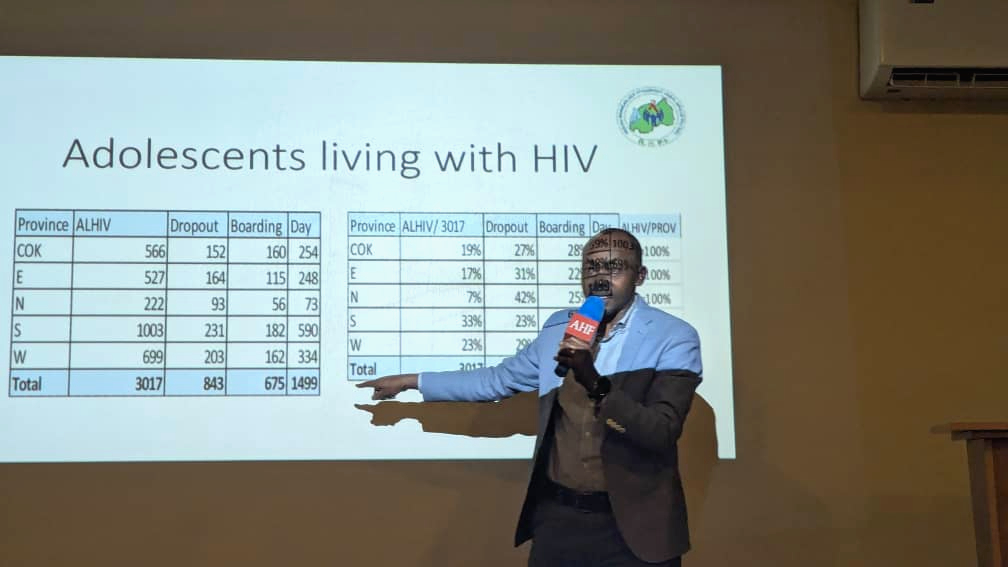
Dr. Deo Mutambuka
RRP+ says that their findings from their preliminary ongoing research show that out of the 3,017 adolescents living with HIV (ALHIV) followed up nationwide, stigma has resulted in school dropouts.
For example, 30% (843 students) have dropped out in the last two years, with the Southern province having the highest number of 231 dropouts out of 1,003 in the province.
“In boarding schools, there are 600 students, and day scholars are over 1,000. This is because the latter are affected by stigma and are afraid of taking medication at school and cannot hide the drugs,” Mutambuka said.
To address this, RRP+ revealed that they are focusing on peer-learning groups and peer-ambassadors and have set up a toll-free call line to support challenged youth.

Jean Pierre Ayingoma (middle)
With the number of infections among youth, Jean Pierre Ayingoma, the Social and Behavior Change Communication (SBCC) Monitoring & Evaluation Specialist at the Rwanda NGO Forum on HIV/AIDS and Health Promotion (RNGOF), said that social norms, mindsets, and perspectives must change to allow the use of ARVs in schools and in key populations.
Ayingoma also showed that the level of promiscuity among young Rwandans has to be addressed using young social media influencers who can communicate the right message on behavioural change.

Through the European Union (EU) funded Solutions for Supporting Healthy Adolescents and Rights Protection (SHARP) project (2022-2026), RNGOF is banking on using skilled Sexual Reproductive Health (SRH) champions to create more awareness and change mindsets especially among social and religious setting.
HIV/Aids Program Partner’s Take:
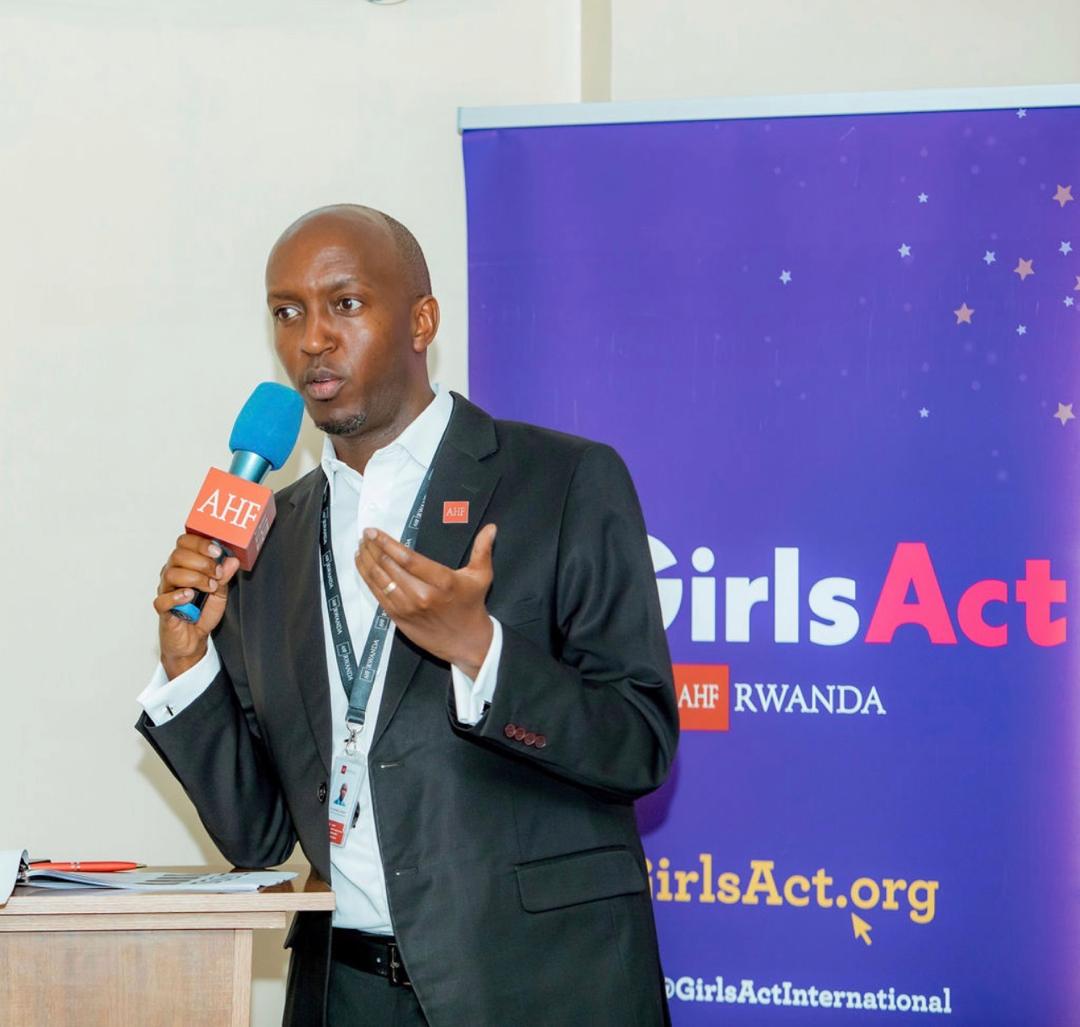
Dr. Lambert Rangira
AIDS Healthcare Foundation (AHF), Rwanda’s main partner in the fight against HIV/AIDS, committed to support existing efforts but also called for new approaches, especially among youths.
AHF Country Director, Dr. Lambert Rangira, said that using old strategies like the ABC – Abstain, Be Faithful, and Condom Use are not all applicable in this generation, but the latter remains relevant and effective.
“The condom is essential for youth to stay safe. It plays a big role, and the way we communicate it is what should be revised to deliver the message about its advantages,” Dr. Rangira said.
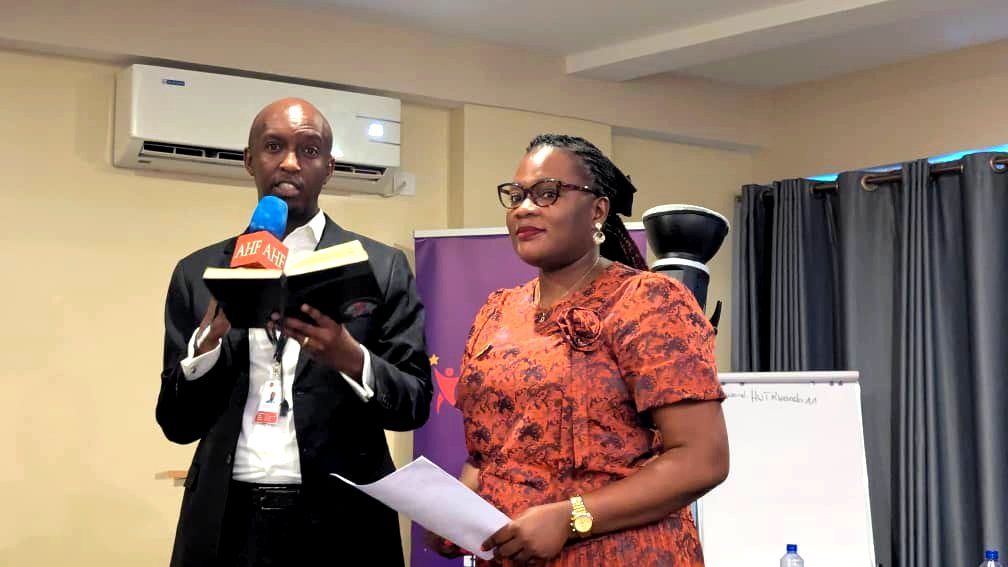
Dr. Lambert Rangira and Diane Tibesigwa (right)
Last year, over 24.8 million condoms were distributed in Rwanda, and AHF contributed 4 million. Despite a shortage in the uptake of female condoms, the organization committed to supporting the use of male condoms.
Diane Tibesigwa, Regional Advocacy Policy Manager, said that there is a need for more partners, especially the media, in conveying the message and interventions.
“We want to see a change in the percentages, and the biggest role is in media engagement and information as key partners. We need the media to educate the public, to remain an active voice around HIV education, prevention, and reduction.”
To achieve this, Tibesigwa committed AHF to organize annual and continuous media training and engagements with an expectation for other regional countries to learn more from Rwanda’s journey.