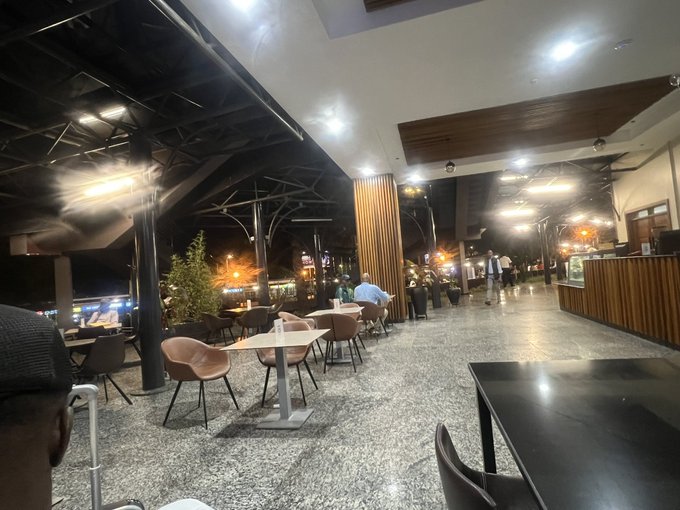




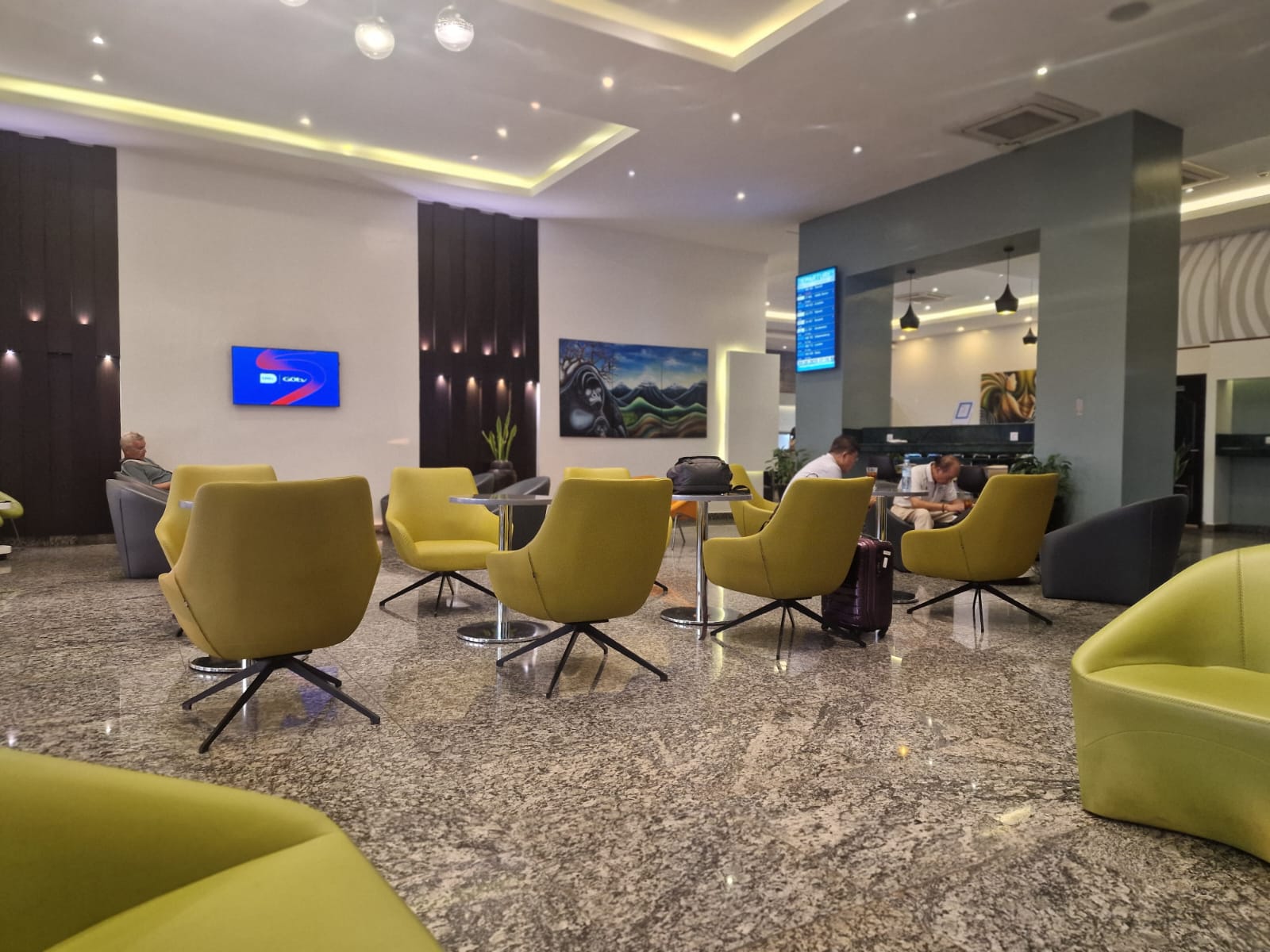
 A series of social media posts by Congolese nationals has sparked wide discussion on travel experiences across African airports, with Kigali International Airport (KIA) emerging as a focal point for comparisons on service, security, and customer care.
It began with a viral post by Justin Murhula titled “Chronicles of an 18-Hour Layover Without Stress.”
In his detailed account, Murhula described an unexpectedly smooth experience during an 18-hour layover at KIA — one he said could not have been replicated in many other airports on the continent.
“Last week, my itinerary forced me into an 18-hour layover at Kigali Airport,” he wrote. Landing at 8 a.m. with his next flight scheduled for 2 a.m. and no budget for a hotel, he decided to spend the day in the terminal.
He settled into an armchair at Bourbon Coffee, enveloped in “the comforting aroma of freshly roasted coffee,” able to work uninterrupted for hours.
“No one ever bothered me with a ‘What are you doing?’ or ‘Where are you going?’ The servers, discreet, simply waited for a sign from me to step in,” he noted.
Through the day, he worked, ate lunch, enjoyed a quiet beer, and observed what he called “Olympic-level calm.” One moment particularly struck him: travellers casually charging phones and leaving them unattended — a level of trust he contrasted sharply with Kinshasa’s Ndjili Airport.
“My conclusion is simple,” he wrote. “Kigali has succeeded in humanizing its airport. It sells the image of a serious Rwanda, a country where petty crime has no place and where one feels free.”
Murhula stressed that his praise did not undermine his patriotism. “I am Congolese through and through,” he wrote, adding that the DRC “still has a long way to go,” but also emphasizing that both countries have lessons to learn from each other.
His post triggered responses from other Congolese travellers who shared similar experiences.
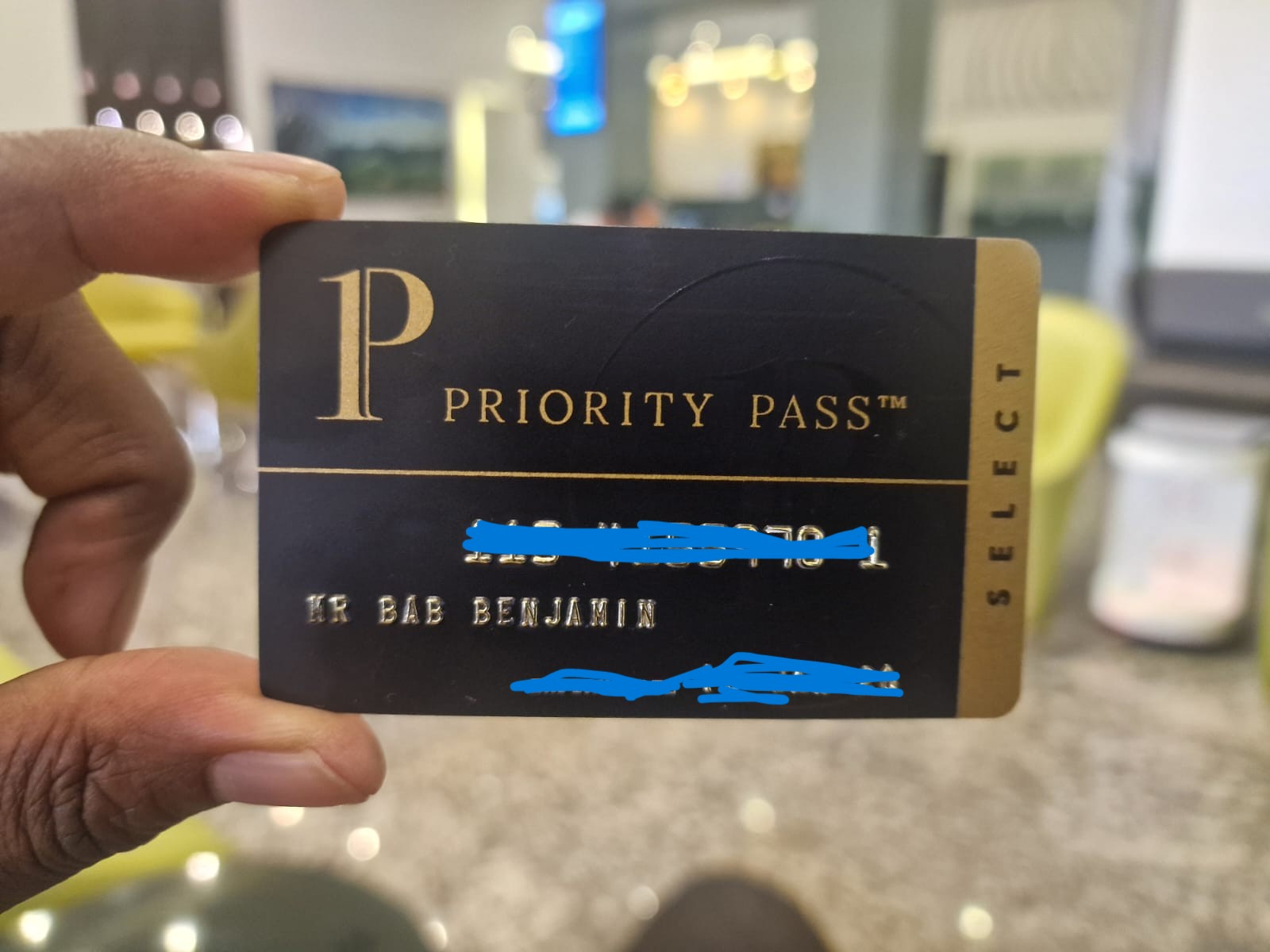
Benjamin Babunga Watuna recounted an eight-hour layover at KIA, which he described as “a peaceful interlude.” Despite travelling in economy class, his Priority Pass access allowed him entry to the Pearl Lounge, which he said offered tranquility, immaculate spaces, attentive staff and uninterrupted Wi-Fi.
“I remember being able to work, video call my family, watch a few documentaries, all without frustration,” he noted.
Others expanded the discussion beyond Kigali. Olivier Muleya compared his 12-hour layover at Johannesburg’s O.R. Tambo International Airport, praising the dining, Wi-Fi and rest facilities. “We want it for the DRC too,” he added.
Christian Tumabahutu, Msc, highlighted the importance of acknowledging progress elsewhere: “When one has a clear and enlightened mind, one can only appreciate what is good in others; the opposite stems from bad faith,” he wrote. “There are many things to learn from that side.”
While many posts celebrated Rwanda’s airport services, the conversation also drew out political tensions. Some users criticized comparisons that appeared to place DRC in a negative light. Yet one comment by @shimanga_bobo summed up the sentiment shared by many:
“Many Congolese admire Kigali’s strongman for the extraordinary progress achieved in Rwanda after the 1994 tragedy. But Muyaya’s propaganda has ended up stifling reason and blurring this reality.”
Despite mixed reactions, the online discussion underscored a growing trend among regional travellers: using firsthand experiences to reflect on governance, public service delivery, and national progress — not just in Rwanda, but across African nations striving to improve their international gateways.