




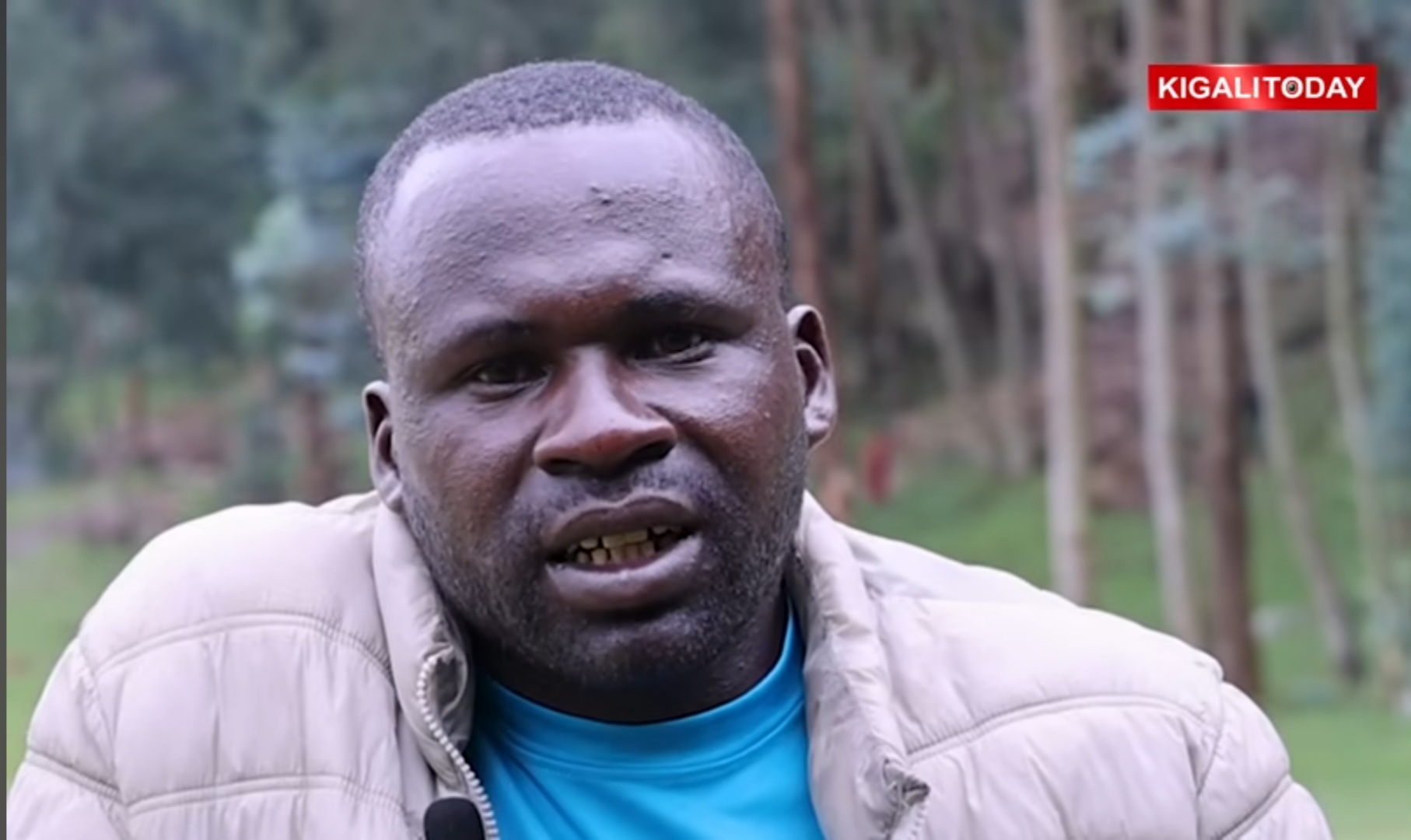
A secret program between the Government of the Democratic Republic of Congo (DRC) and the Rwandan militia group FDLR has seen the rebel group’s elite forces sent to Kinshasa to receive training on how to operate military drones — a development that could further complicate the already volatile conflict in eastern Congo.
According to firsthand testimony from a recently repatriated FDLR fighter, FARDC selected 16 senior FDLR officers and transported them to the capital in July 2025 to undergo specialised instruction in drone‑firing operations, deepening long‑standing military cooperation between the Congolese army and the militia.
This is not the testimony of an ordinary fighter. The source was deeply embedded in CRAP, the FDLR’s special unit, attending all high-level meetings. As chief escort to the late Colonel Ruhinda Gaby real names Protogène Ruvugayimikore, the founding commander of CRAP who was killed last year, he claims to have firsthand knowledge of the unit’s inner workings and strategic operations.
Soldat Mbale Hafashimana was a small child as they in mid across from Rwanda into Zaire (now DRC), as the the 1994 Genocide against the Tutsi took place.
The family travelled distances and crossed the vast DRC jungles. They first stayed in Mugunga camp before moving to Lubero in northern part of North Kivu, where they lived until 2022, later relocating to an area called Kararenga.
How He Ended Up in the FDLR
Hafashimana, a former fighter in the FDLR’s “Crap” unit, says the rebels found him in Virunga National Park, where he was burning charcoal and herding cows.
He was one of ten siblings who all fled Rwanda; some died in the frequent conflicts inside DRC’s forests, while others are wanted by Congolese authorities.
After completing basic military training, he was selected for more specialized training, one meant to bring up the militia group’s special forces. The training frames the trainee into ability to operate alone, according to Hafashimana.
He was then deployed in the FDLR’s Crap unit, or known by the full name as “Commando de Recherche et d’Action en Profondeur”.
Hafashimana was immediately deployed to head the protection unit of Col Ruhinda and his family of 8 eight children who lived secretly Goma city for years.
Hafashimana reveals that the unwritten charter of CRAP, known only to those who are members, stipulates that their primary mission is solely to destabilizing Rwanda. The mission includes infiltrating Rwanda, and hunting for anyone from Rwanda inside DRC, who is suspected to be linked to government, and kill them on spot.
Hafashimana remained in CRAP until deciding to repatriate in October 2025.
He recalls Col. Ruhinda—believed to be the founder of the Crap unit—as a commander who deeply valued soldiers and the military.
“He may have died because of that. I stayed at his home; I headed his escort team; I knew all his children. He died when I was at home in Goma. He died at night; I arrived early the next morning. I know exactly what happened,” Hafashimana says.
Hafashimana explains that a grenade was planted in the Colonel’s bed by a young aide, exploding as the commander went to sleep at around 7 p.m. He was rushed to Heal Africa Hospital in Goma but died shortly after. His body was taken back to their base in Mubambiro near Sake, where he was buried.
Ruhinda’s death caused serious internal turmoil for over a week, with many suspecting he was assassinated. Calm returned after he was replaced by Commander Sego (Col. Guillaume Gasimba).
“Even now the mood inside the FDLR is bad. Crap had issues with FOKA (another FDLR unit). Many soldiers loved Ruhinda—he boosted our morale,” Hafashimana adds.
The Crap unit shared the area with FARDC, SADC forces, MONUSCO troops, and Wazalendo militias. While their camps were separate, they were closely located.
After Goma fell to M23 rebels in late January 2025, the FDLR retreated deeper into the forests. Hafashimana later met Col. Ruhinda’s wife—who had also repatriated—and she encouraged him to return to Rwanda.
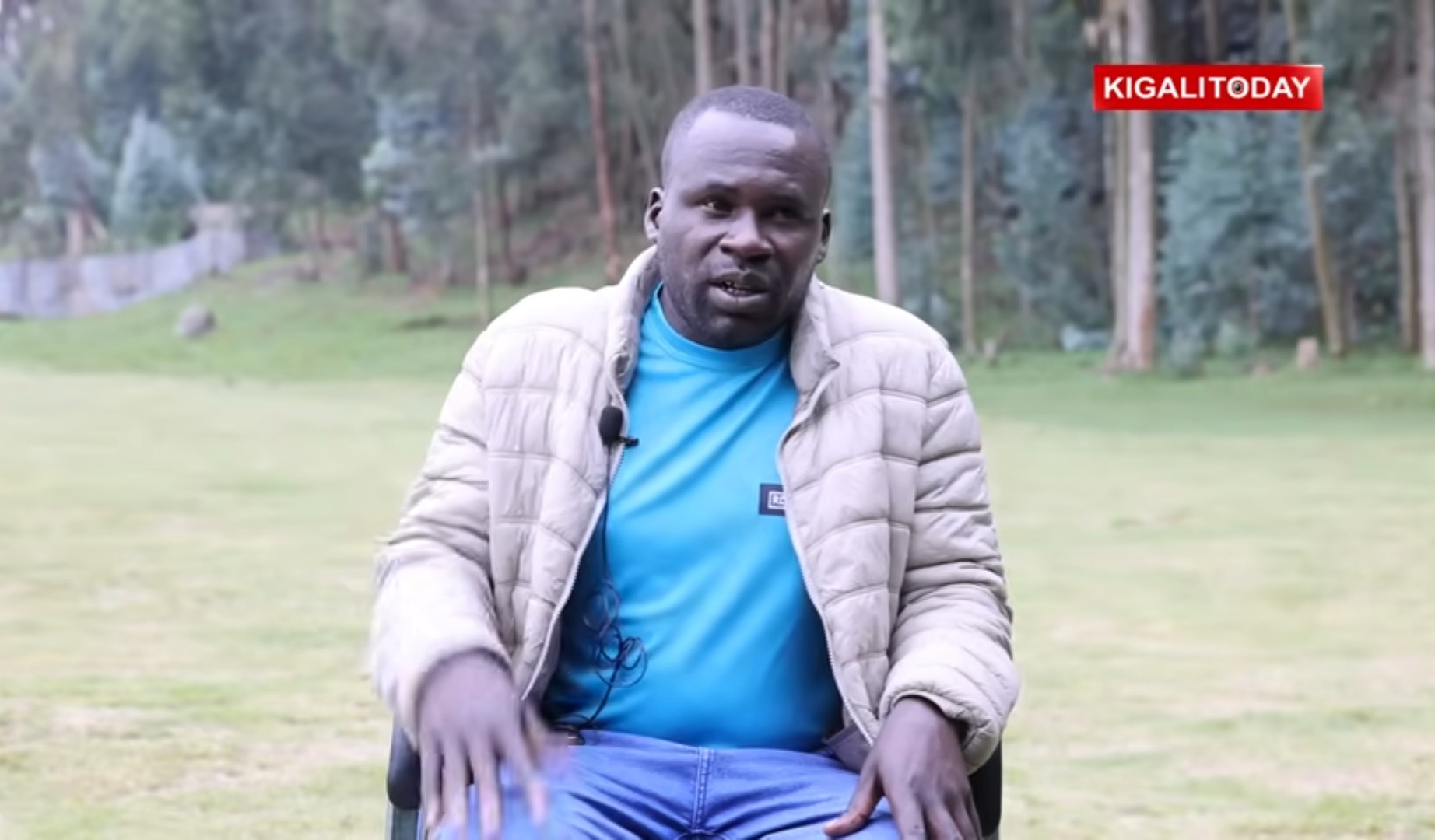
He says the Crap unit had around 600 fighters whose job was to secure food, medicine, and supplies. Due to constant M23 attacks, they frequently suffered casualties.
“We moved at night. We stole food and medicine from pharmacies and shops to bring into the forest. We lived like this until April 15.”
As starvation and pressure from M23 intensified, they fled to Rutsuru, then Masisi, and finally towards the border of Masisi and Walikale, at a place called Ihembe—where he decided to quit.
He says FARDC provided them with clothes, weapons, ammunition, and food money—although FARDC soldiers often pocketed the funds, forcing FDLR fighters to loot farms.
How FARDC Works With the FDLR
As someone who operated close to Col. Ruhinda, Hafashimana states that FARDC and FDLR have a formal collaboration agreement. FARDC supports the FDLR in fighting M23, and in exchange, the FDLR is expected to help overthrow the Rwandan government.
He cites a FARDC liaison officer named Lieutenant Fidèle, who lived with them until July 2025 before being deployed to Kinshasa, where he coordinates weapon, ammunition, and bonus payments.
“There is close collaboration. I could walk into an FARDC camp at midnight with no problem,” Hafashimana says.
He adds that Wazalendo militias and some FDLR fighters receive government stipends—about 50,000 Congolese francs—though FDLR members often do not actually receive the money as intermediaries keep it.
FDLR Fighters Sent to Kinshasa for Drone Training
In July 2025, FARDC requested educated FDLR soldiers and selected 16 warrant officers (Adjudants) to undergo drone–firing training in Kinshasa.
“They left for Kinshasa. FARDC also has another liaison officer in Pinga, called Remy, who monitors FDLR soldiers to ensure none disappear. These things show clearly that FARDC works hand in hand with the FDLR,” Hafashimana says.
Crap – A Unit Created to Target Rwanda Only
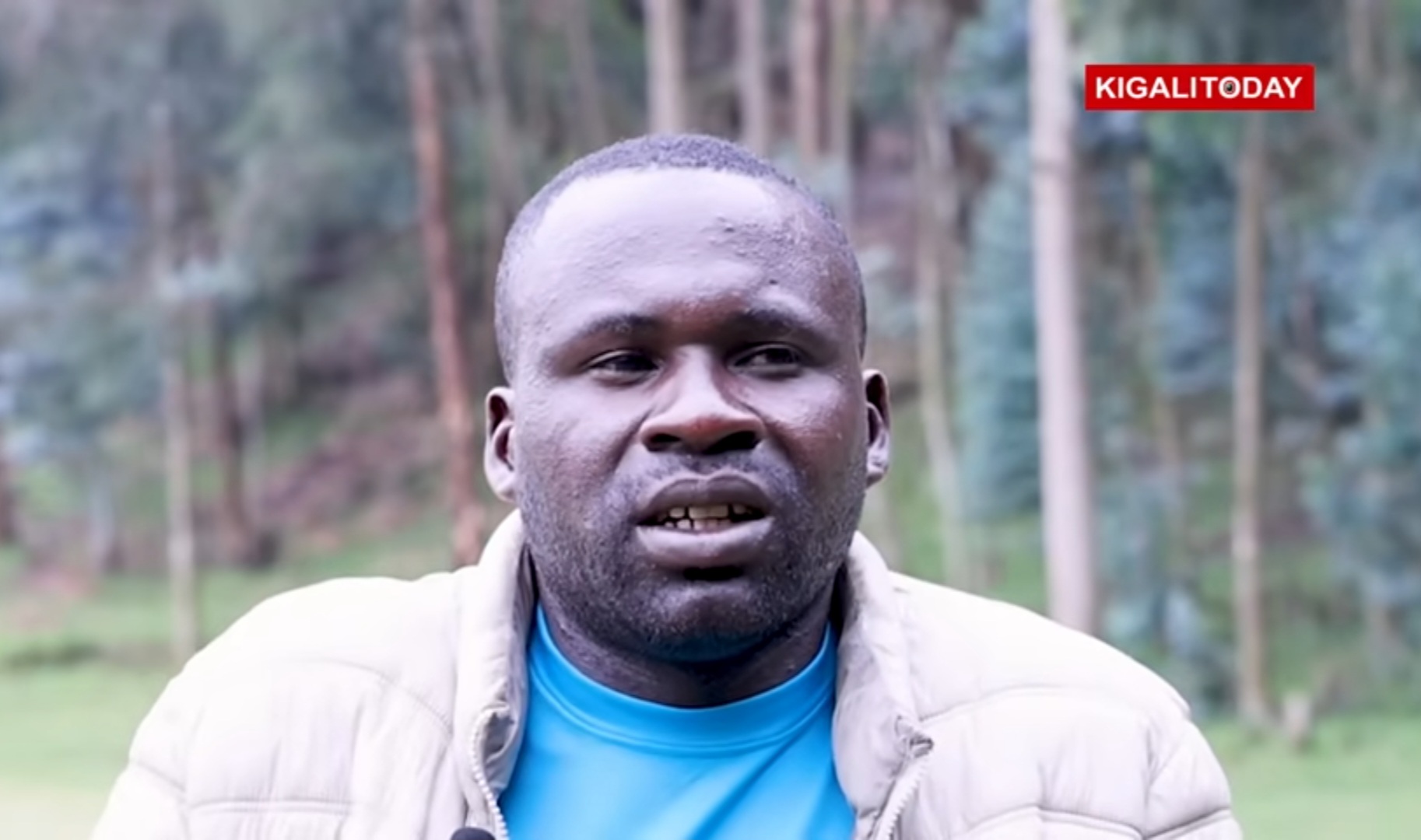
Hafashimana says Crap operated in forests near the Rwanda–DRC border and had only one mission: attacking Rwanda.
“Anyone suspected of coming from Rwanda had to be killed—whether in Goma or Bukavu. We had people who tracked such individuals even in hotels,” he says.
Crap fighters received three months of basic military training, followed by two months of commando training. Only those who passed were admitted into Crap.
Under Col. Ruhinda, each fighter received a monthly 40,000 Congolese franc allowance (about $22), but after his death the money disappeared.
Hafashimana notes that fighters attempting to return home were executed, discouraging defections. Many FDLR fighters die within five years due to constant conflict.
He urges remaining fighters to repatriate to Rwanda, where peace and reintegration opportunities await them.
“You come and travel in vehicle without having to move in the jungles for weeks on end,” he noted.
