


Jean Claude Habihirwe
Born and raised in a disadvantaged family and community near the Akagera National Park, Jean Claude Habihirwe struggled to get an education until he was forced to drop out in primary 5 to become a housemaid for rangers.
His dropout at age 11 was partly caused by the strain of traveling 14 kilometers (to and fro) to attend the closest and only school in the area.
“Coupled with financial challenges at home, I had no choice but to drop out,” he said. “I decided to find a part-time job, and that is where the rangers helped me to return to school.”
With this support, he pursued primary and secondary education; and upon graduation, he got employed in the park as a freelance guide, where he was inspired to pursue a conservation career.
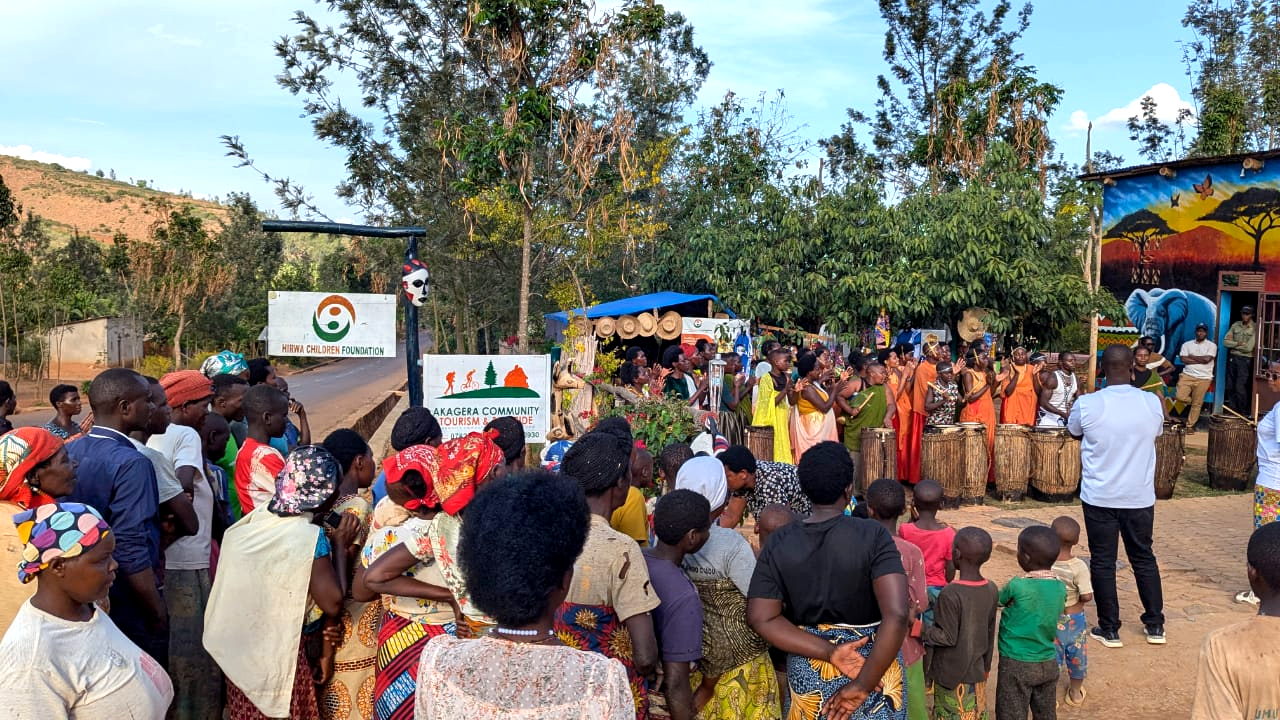
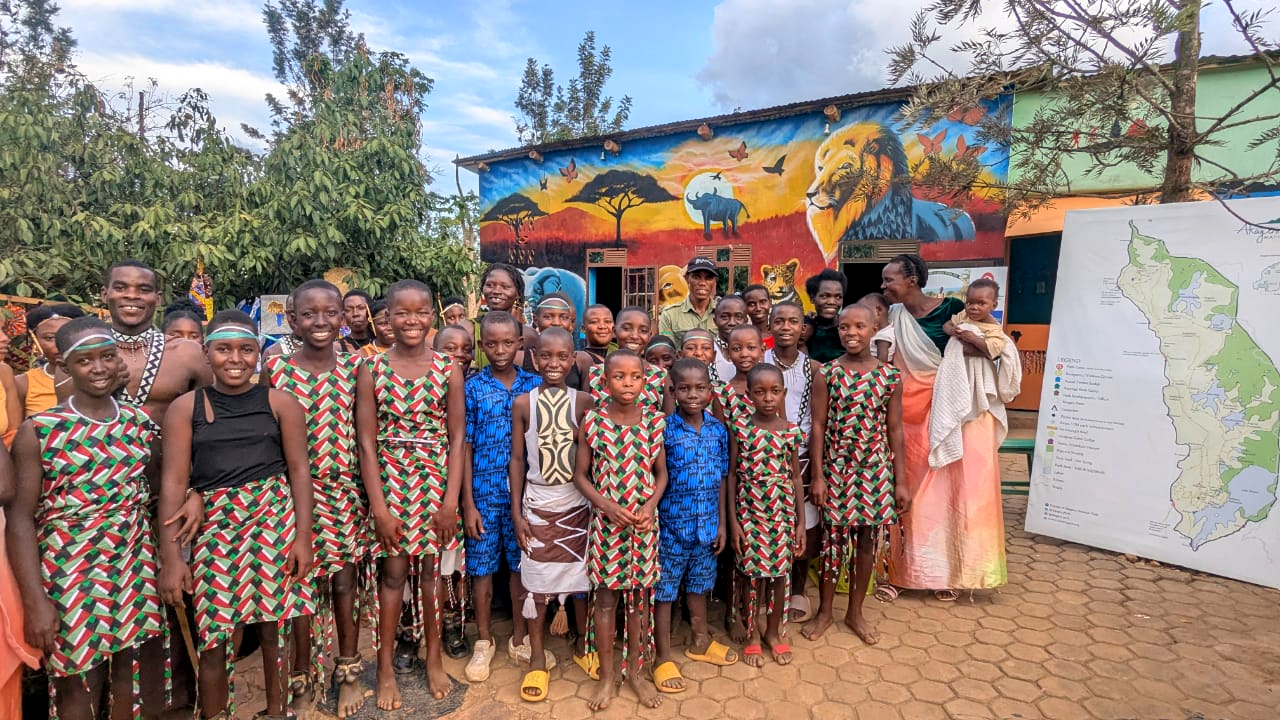
This life experience informed and shaped Habihirwe’s decision in 2018 to return to his home village to create a community-based tourism project that uses cultural tourism activities to provide education for other children.
“I was earning good money in the park, but I felt that I needed to do something for my community, especially offer education to children who faced the same challenges,” Habihirwe said.
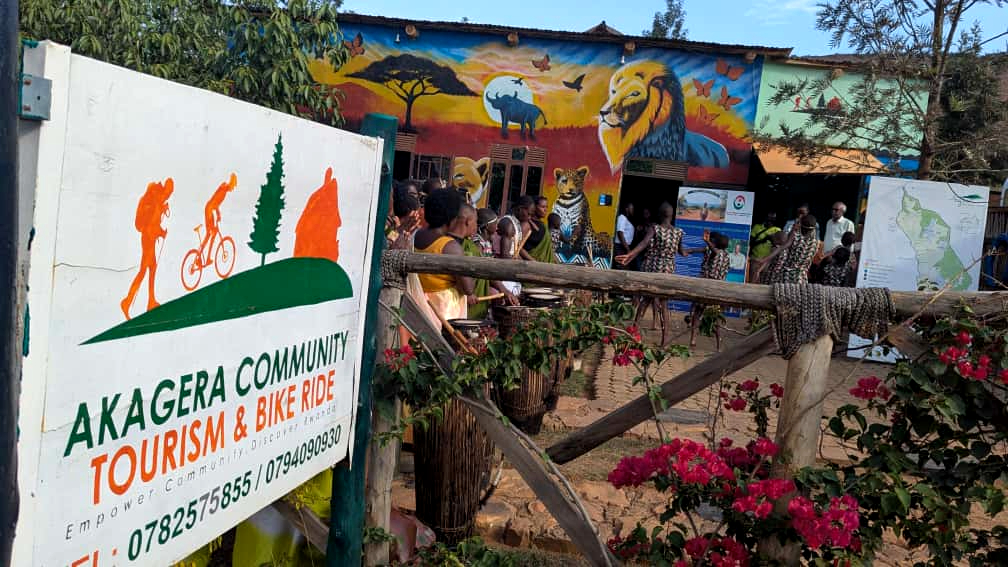
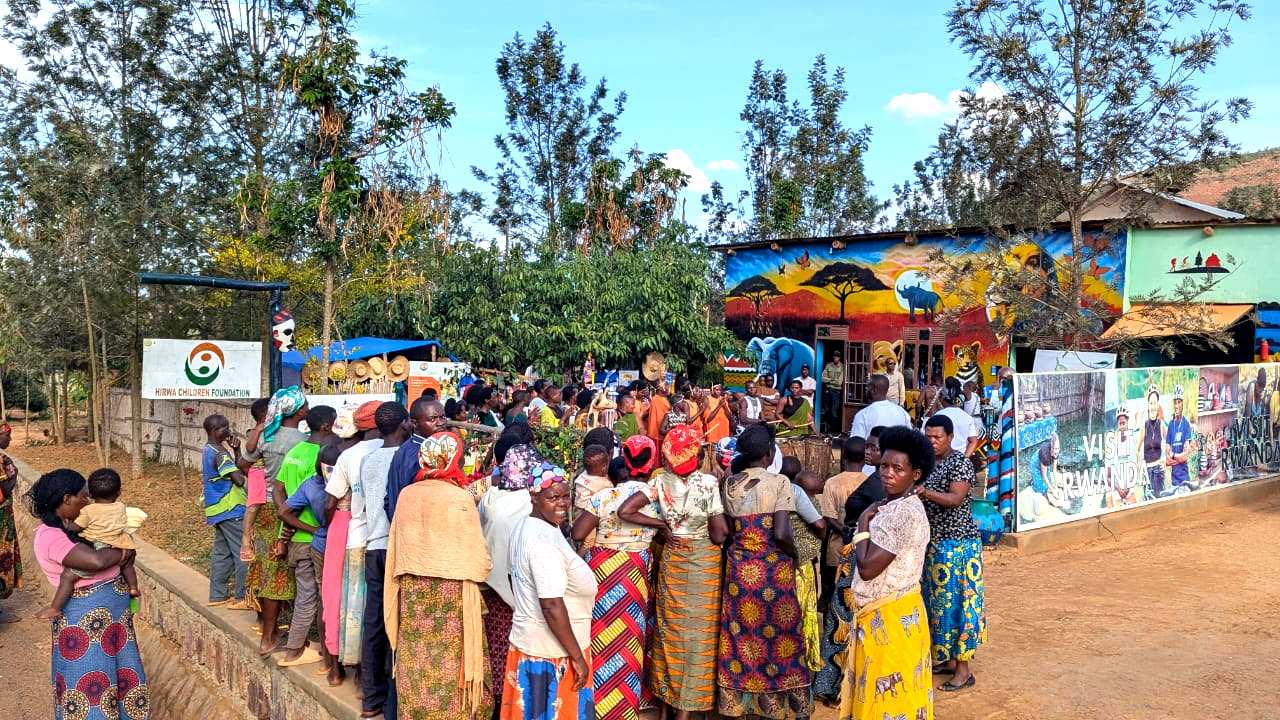
With an initial investment of Rwf5 million in the Hirwa Children’s Foundation, he has built a cultural tourism income-generating project (now with Rwf50 million in assets) that taps into giving a Rwandan experience to tourists visiting the park.
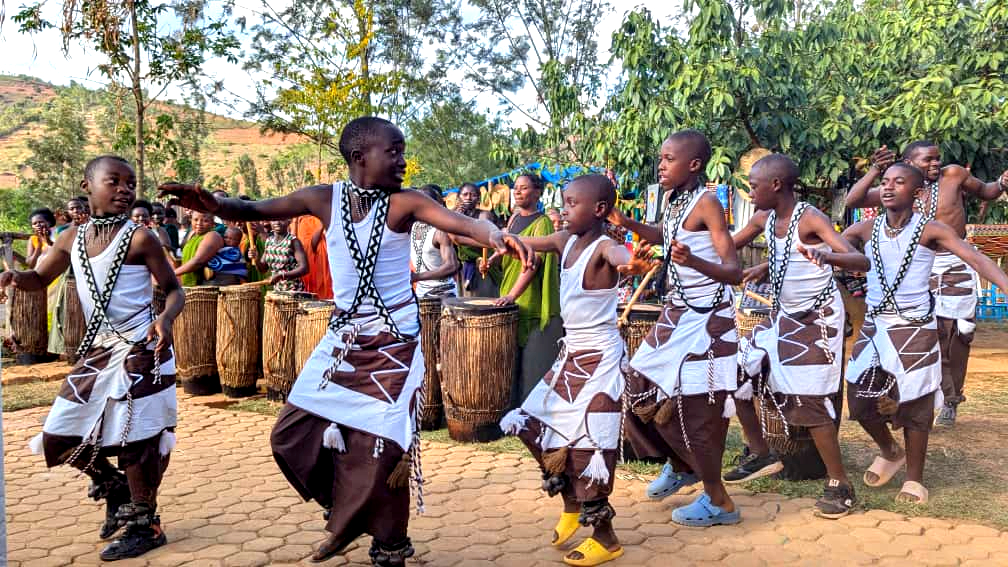
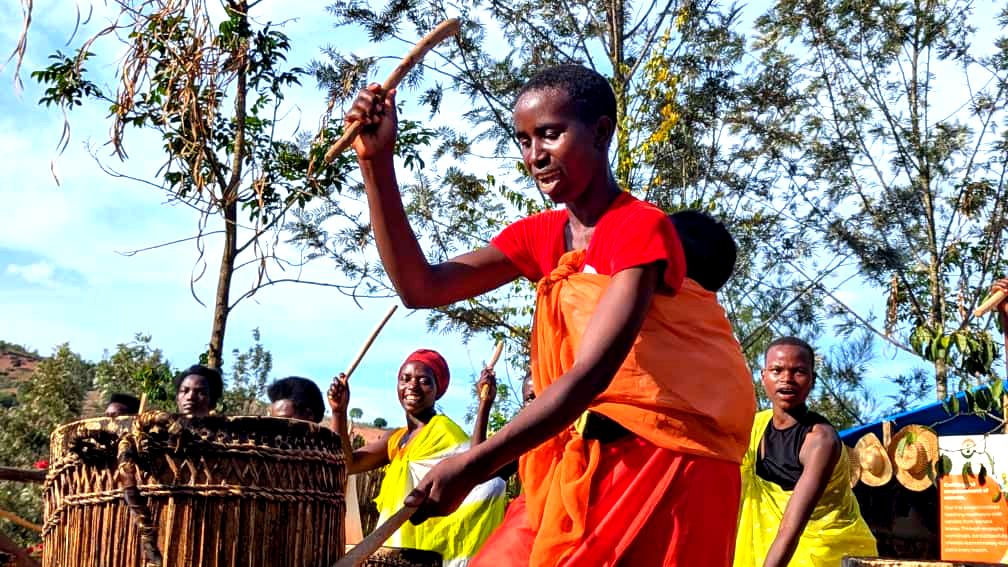
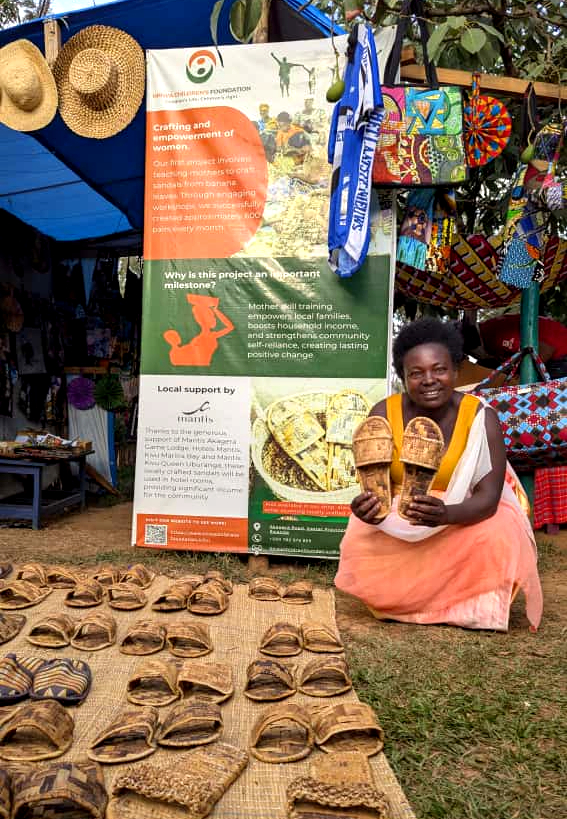
The activities include a cultural dance troupe that welcomes at least 50 visitors per month, an art and crafts workshop that earns about Rwf1.7 million per month.
Started with 20 women in 2018 and has now reached out to 70 women with a monthly income of Rwf700,000 per month. In education, he started with 11 children and has now reached 479 in school.
Through the national tourism revenue-sharing program where communities benefit 10% of the annual tourism revenues, the foundation expects to benefit from the Akagera park tourism revenues.
Though the Akagera park has not yet started making profits, at the national level, the park has seen a surge in tourists in the last 15 years and contributed $4.7 million to the Tourism Revenue Sharing Scheme (TRS).
The Rwanda Development Board’s (RDB) led scheme dedicates 10% of all tourism revenues from the country’s national parks to local communities living adjacent to those parks.
Every year, communities operating around all parks in the country submit income-generating and sustainability projects to boost community engagement in the country’s conservation agenda.
Rwanda’s overall tourism revenue generated in 2024 was $647 million. The 10% scheme is calculated specifically on the revenue generated from the national parks, which reached $38.8 million in 2024.
Based on the RDB’s 2024 Annual Report, the total expenditure disbursed under this program for the year 2024 (or the 2023/2024 fiscal year) was Rwf3.27 Billion.
Habihirwe said that in the next applications, they plan to submit a proposal to get funding for a community groundwater project that will serve over 1,000 families in need of clean water.
He says that this water project will resolve a big problem of lack of access to clean water in the community, which remains an urgent issue despite other concerns of lack of electricity and a nearby primary school.
The need for water remains urgent because many older citizens and children make long distances to fetch water. “With access to water, we will have a clean and healthy community to attract more tourists,” he said.
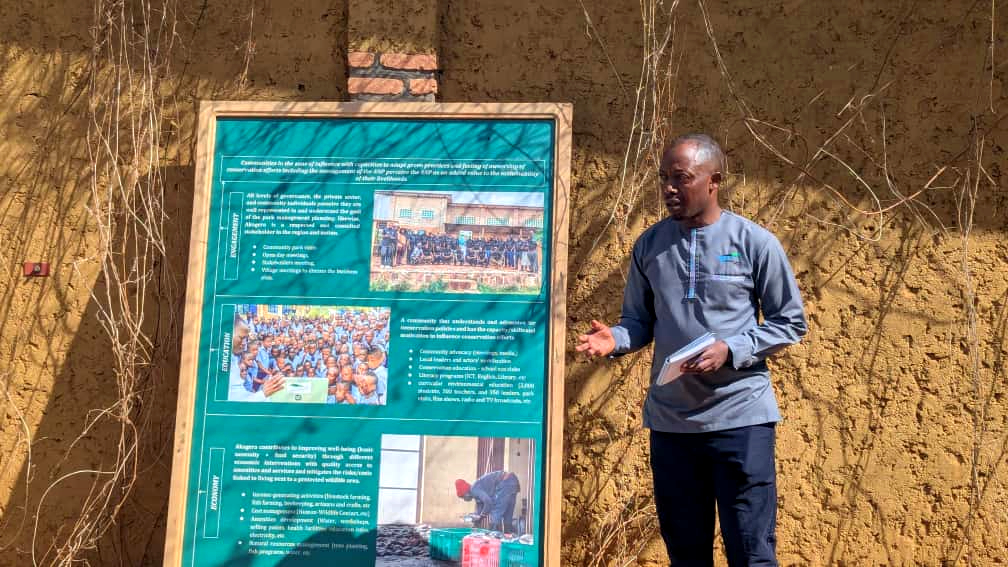
Alphonse Ngiruwonsanga, the Park Community Tourism Liaison Officer, says that through revenue-sharing schemes, over 120 community-based associations and cooperatives have been supported to earn incomes from their conservation efforts.
The communities around the park have also contributed to the conservation of the same park where they earn, and this has been a result of a change in mindset to be part of the conservation instead of destroying the park,” he said.
Currently, several communities benefit from this scheme and have established income-generating activities, including cultural tourism, beekeeping, carpentry workshops, fish and poultry farming, handicraft, construction, tour guide association.