National High-Level Roundtable dialogue meeting in support of the Global Fund’s Eighth Replenishment 2027-2029
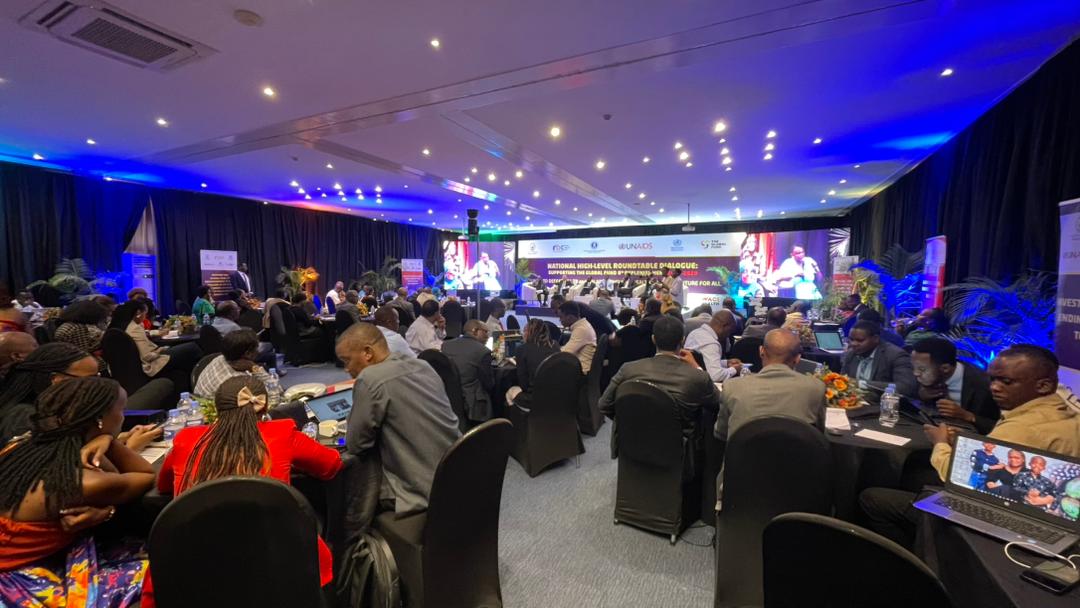
Kigali, Rwanda – Global health partners, civil society, and government officials convened in Kigali this Wednesday to issue a powerful, unified call for the full funding of the Global Fund to Fight AIDS, Tuberculosis, and Malaria’s Eighth Replenishment (2027-2029), demanding the required $18 billion or more to safeguard and advance global health security.
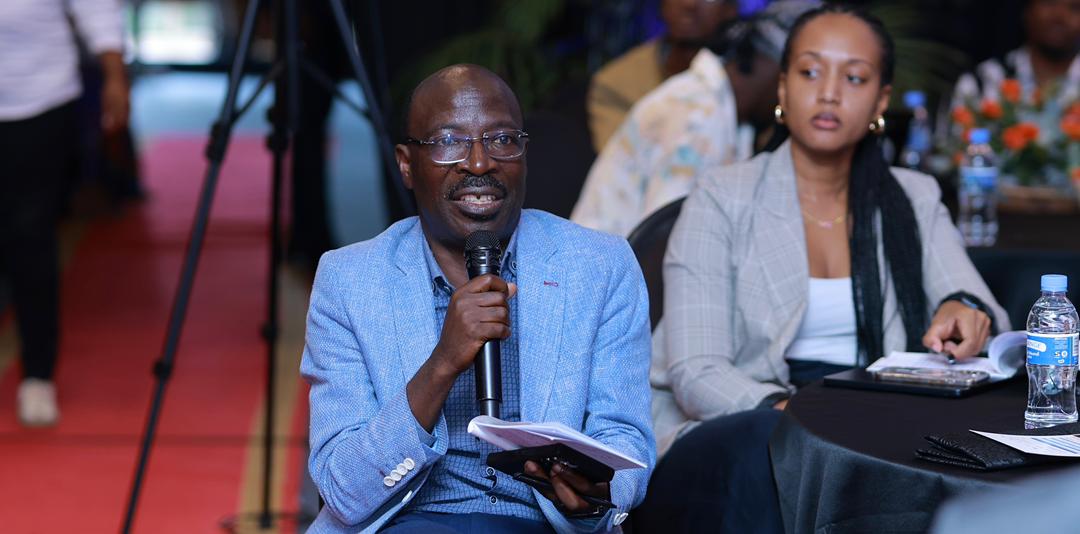
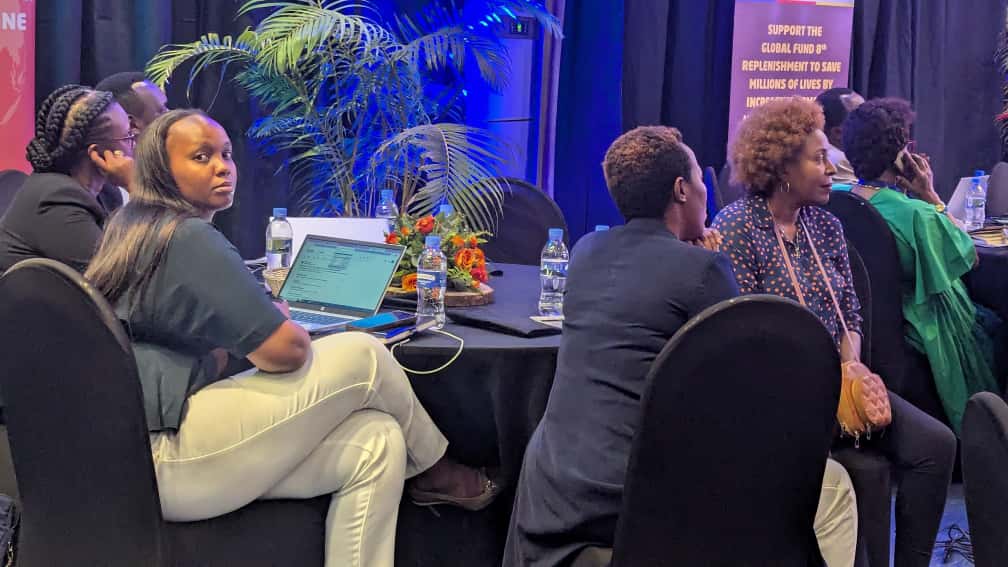
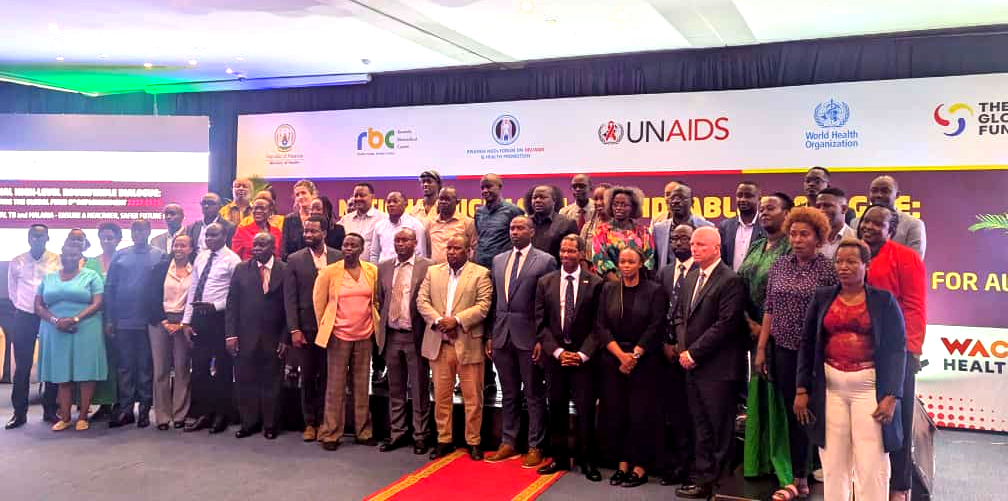
The high-level meeting, organized by the Rwanda NGOs Forum (RNGOF) and partners, served as a crucial mobilization point just days ahead of the Global Fund’s Pledging Summit, set to take place on the margins of the G20 Summit in Johannesburg.
The central message was clear: this is not charity, but a strategic investment in a safer, more prosperous future.
Rwanda’s Success- A Case for Sustained Investment:
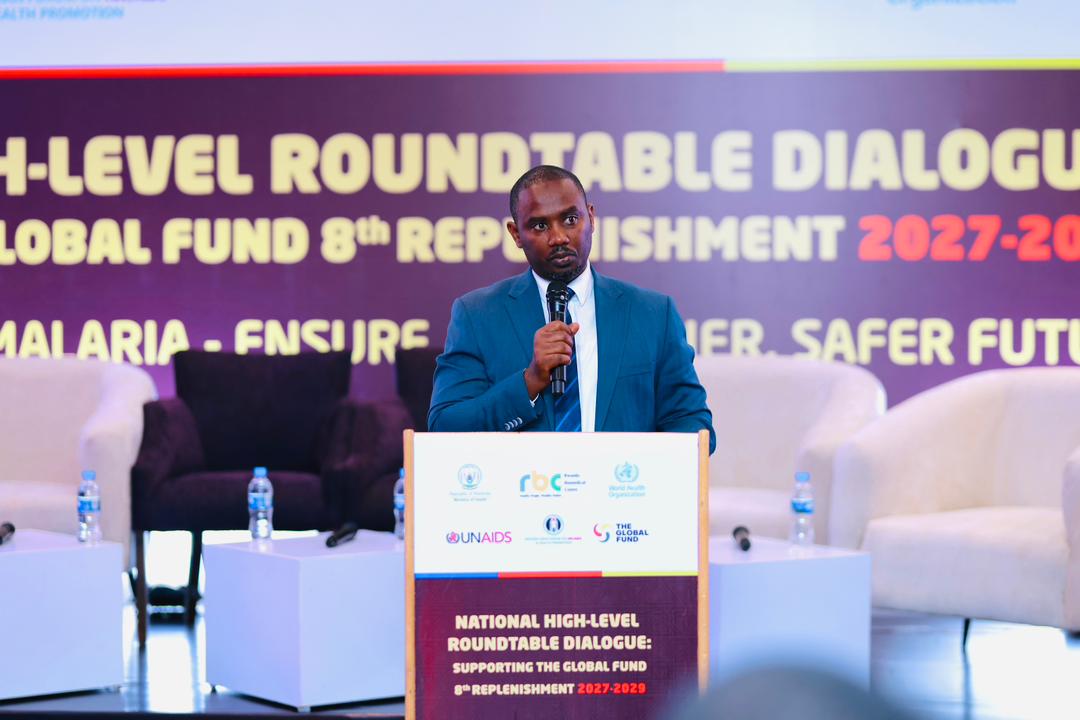
Dr. Muhammed Semakula
Rwanda, a long-term partner of the Global Fund, leveraged its extraordinary progress in combating the three major diseases to underscore the need for sustained funding.
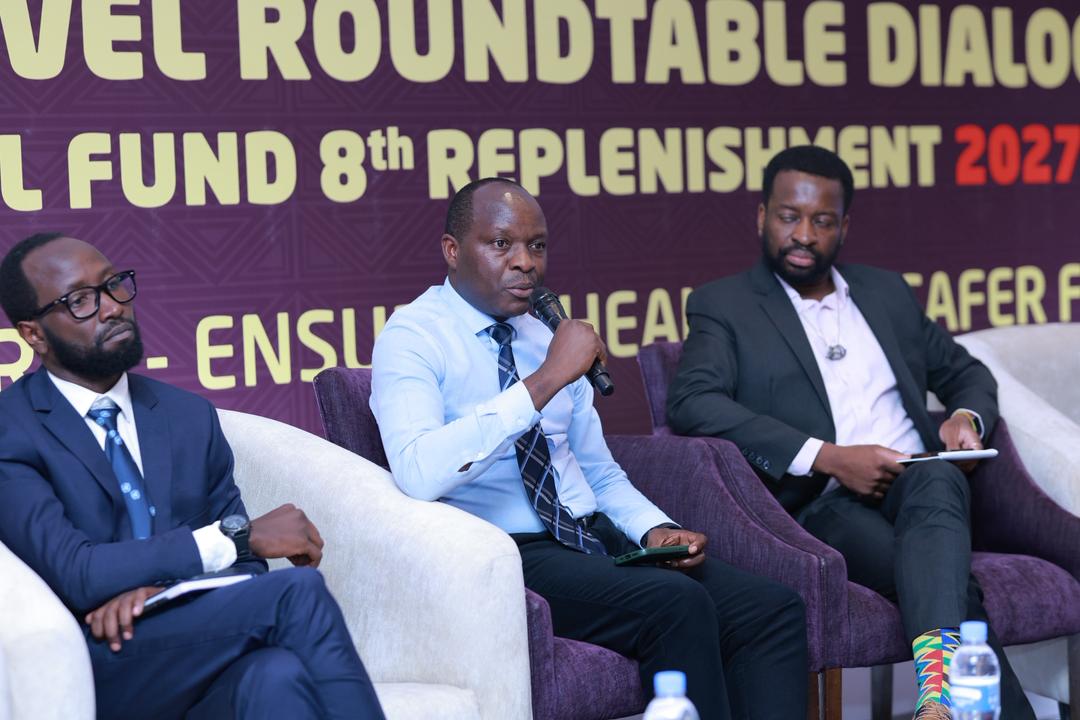
The Permanent Secretary of the Ministry of Health, Dr. Muhammed Semakula, stressed that this is “not the moment for stopping but [to] keep the momentum and sustainability,” highlighting the country’s strategic investment in human resources and its 5th Health Strategy.
How Rwanda Has Used GF Funding:
Rwanda has received a significant and sustained level of support from the Global Fund to fight AIDS, Tuberculosis, and Malaria since the partnership began in 2003.
Key Progress Highlights from the Rwanda Biomedical Centre (RBC) and Partners show how $1.79 Billion, has been used including Rwanda’s Cumulative Contributions of $4.58 million to the Fund itself.
HIV/AIDS: Achieved the ambitious **90-90-90 targets** (96% status known, 90% on ARVs, 90% tested, with annual testing of 2 million). Mother-to-child transmission reduced to a remarkable 0.3%. Non-Communicable Disease (NCD) mortality is now surpassing HIV, requiring integrated care.
Tuberculosis (TB): Reduced the gap of “missing cases” from 33% to 4%. Treatment success rate is over 90%. Mortality reduced by 6% in the last 10 years. Universal use of advanced lab tests needs continued Global Fund support; ensuring nutritional support for patients.
Malaria: Mortality has seen a 91% reduction. Rwanda was the first country to introduce Malaria First-Line Therapy (MFT)** to combat drug resistance. However it is challenged by the Mosquito behavior changes that present a major threat; specific communities (including Gisagara and Nyarugenge) remain malaria-prone hot spots.
Health Security Depends on UHC and Primary Care:
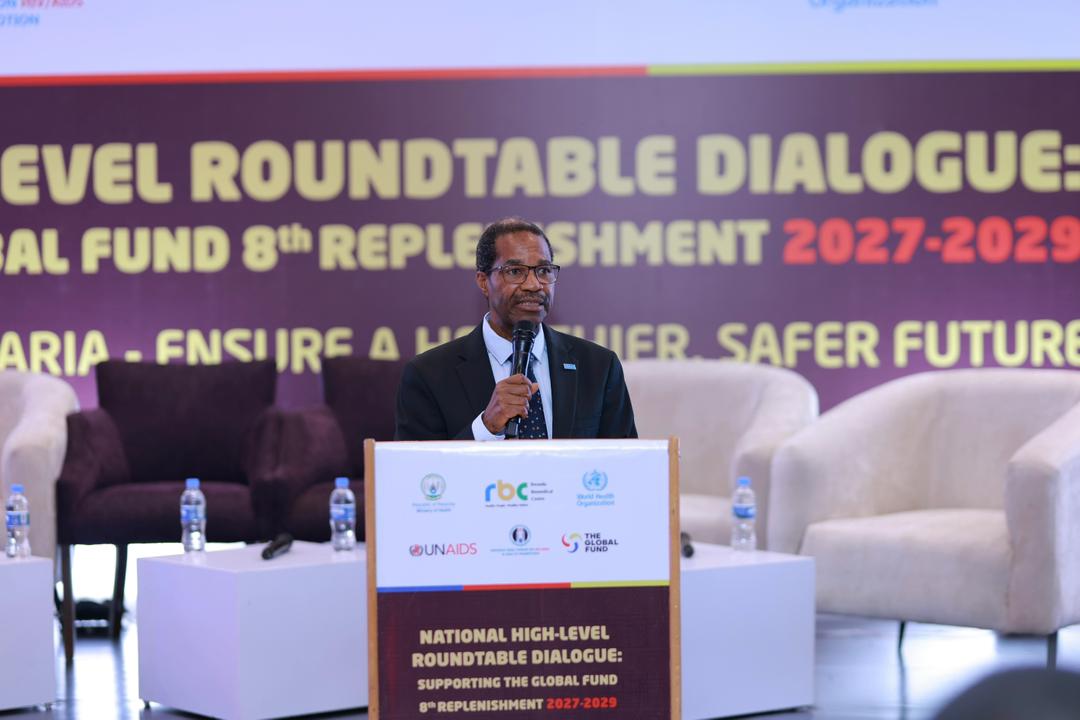
Dr. Brian Chirombo
Dr. Brian Chirombo, World Health Organization (WHO), Head of Mission and Rwanda Country Representative, expanded the focus beyond the three diseases, linking the replenishment directly to global health security.
“We need investments, but without strengthening the systems we are not progressive. That is what we saw in Covid-19 especially in Rwanda,” he cautioned.
He argued that health security cannot be achieved without Universal Health Coverage (UHC) and a robust primary health care (PHC) system—a model Rwanda has championed.
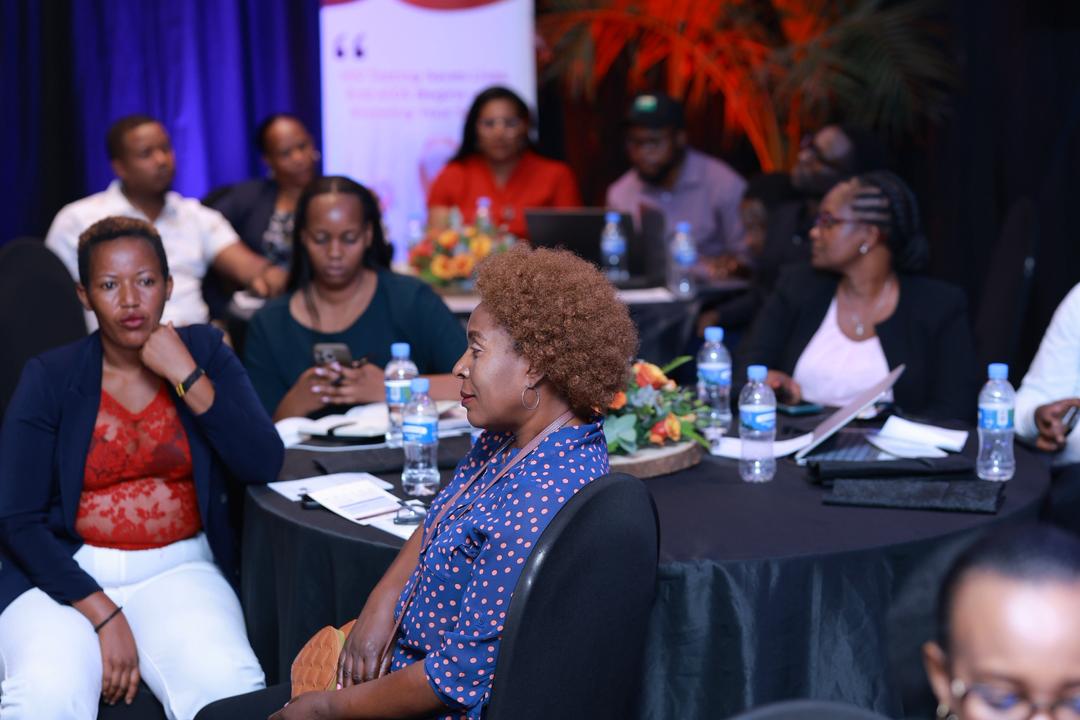
Partners in attendance echoed this, stressing that sustained efficiency, especially at the primary healthcare level, is key to building strong systems that can predict and respond early when disease strikes.
New Financing Model with the Private Sector:
The meeting marked a clear shift in the financing conversation. Global Fund representative Brice Bambara stated unequivocally that the replenishment is an investment, not charity, where every dollar yields economic returns.
A core demand from the Kigali meeting was the need to relook the entire financing model to fully incorporate the private sector.
‘
The Rwanda Private Sector Federation (PSF)confirmed its commitment to contributing to local investments, with the Global Fund already requesting a $1 billion contribution from the private sector globally to improve the Fund’s architecture.
“A successful 8th replenishment will help us save 28 million lives,” said Andre Gasozi Ntwali of UNAIDS, urging partners to maintain the current momentum.
Voice of GF Beneficiaries:
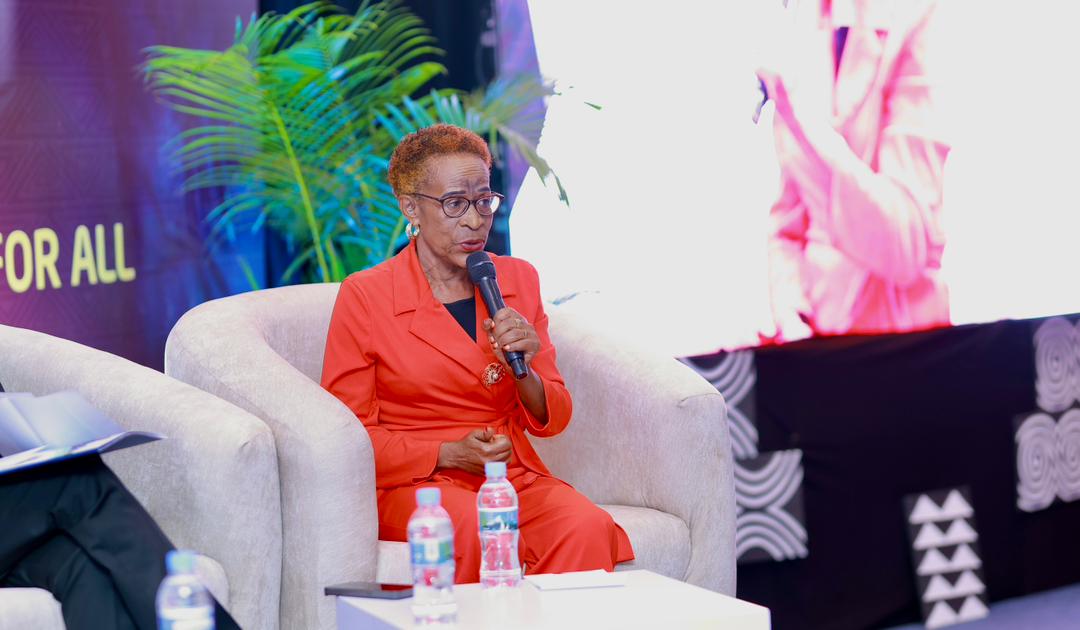
Isabelle Nizeyimana
The emotional impact of the Global Fund’s work was brought to life by Isabelle Nizeyimana, a founding member of RRP+ (a network of people living with HIV) who has lived with HIV for 25 years.
She vividly recalled the dark days before the Global Fund’s entry in 2003, and the life-changing access to free ARVs that followed.
“With medication, I have lived to encourage more, to fight stigma, and to see my children grow and grandchildren playing around me,” Nizeyimana testified.
Her story served as a powerful reminder of the human lives at stake, appealing for partners to push for more funding to support all persons infected and affected.
Call to Action: Pledge Early, Pledge Now:
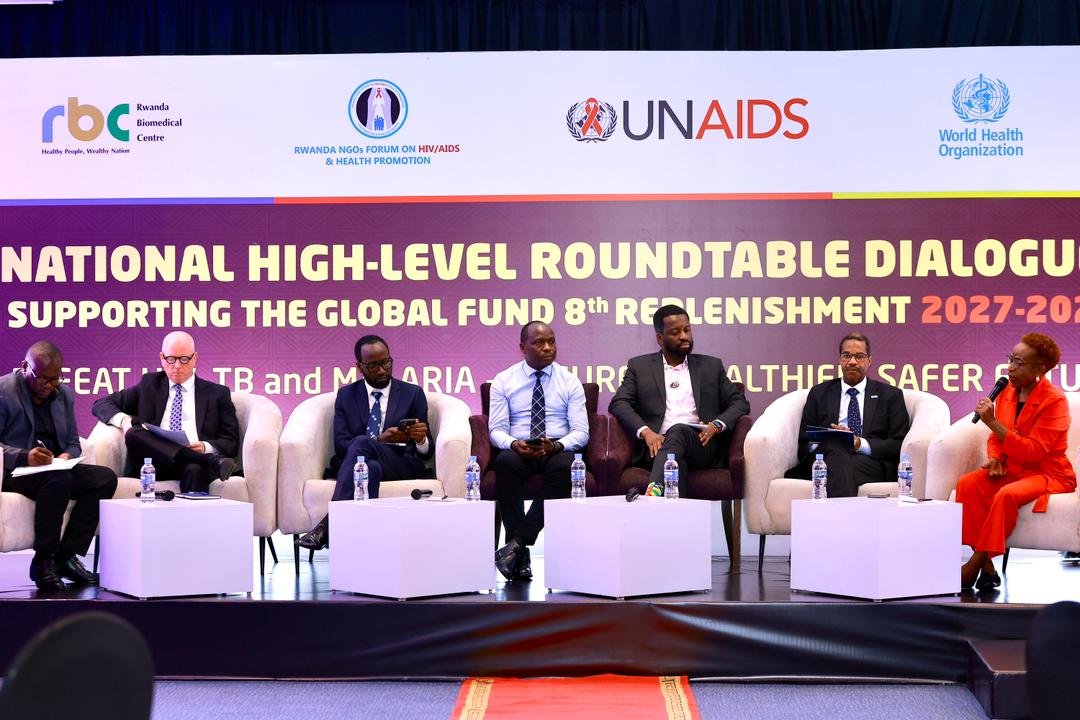
Ernest Achtell, Humanitarian Adviser and Health Lead for the British High Commission in Rwanda, reaffirmed the UK’s pledge and celebrated the returns seen from every investment in Rwanda, calling the commitment “not aid but empowerment.”
As the Kigali delegation prepares to join the global push in Johannesburg, the final plea to donor countries and philanthropies was simple: **Pledge early**.
“We call on more pledges and do it early, so that together we ensure a safe and prosperous future,” Achtell stated.
Road to Johannesburg:
In the crucial final weeks leading up to the Global Fund’s 8th Replenishment Pledging Summit in Johannesburg on November 21, 2025, a strong wave of public and private commitments has signaled a renewed global determination to end AIDS, Tuberculosis, and Malaria.
The $18 billion target—set to finance programs for 2027–2029, save 28 million lives, and cut the mortality rate from the three diseases by a staggering 64%—is still a massive mountain to climb.
However, the early pledges, which have surpassed the $3 Billion mark, are injecting critical momentum into the campaign co-hosted by South Africa and the UK.
Increased Ambition:
The most significant announcements have demonstrated that major donor nations are heeding the call for increased contributions to counter inflation and rising global health risks:
Germany provided a powerful signal of confidence, committing €1.3 Billion (approx. $1.29 Billion USD), reinforcing its position as a key leader in global health.
France followed suit with a strong pledge of €1.596 Billion (approx. $1.58 Billion USD), maintaining its robust commitment to the fight.
Japan also stepped up, announcing a significant commitment of $1.08 Billion USD.
Canada demonstrated an impressive increase in its local currency pledge, committing CAD 1.209 Billion (approx. $904 Million USD).
Beyond these heavy hitters, a growing coalition of European countries made early and often increased pledges to build momentum:
Denmark pledged DKK 375 Million, underlining its dedication to meeting the international aid benchmark.Switzerland committed CHF 64 Million.
Spain pledged €145 Million and Luxembourg pledged €13.8 Million, both announcing increases over their previous contributions.
Private Sector Catalytic Funds:
The private and philanthropic sectors have emerged as crucial partners, not just offering funds but also investing in catalytic, innovative initiatives:
The Bill & Melinda Gates Foundation reinforced its position as the largest private donor with a pledge of $912 Million.
Private Sector Pledges have collectively surpassed US$1 Billion, with major contributions including:(RED) committing $75 Million, continuing its two-decade partnership.
The Children’s Investment Fund Foundation (CIFF) making a landmark $50 Million commitment specifically to accelerate the roll-out of innovative TB diagnostics.
GSK and ViiV Healthcare announced a joint £6 Million pledge (matched by the Gates Foundation) to strengthen community-led health solutions, highlighting the push for grassroots empowerment.
The Urgency and Final Push:
As the focus shifts entirely to the final Summit in Johannesburg, the prevailing message from Global Fund advocates is clear:
while the $3+ billion raised so far is a powerful foundation, it represents just a fraction of the $18 billion needed.
The world stands at a precipice: a fully funded Global Fund can realize a future where these epidemics are no longer public health threats, but a significant shortfall will inevitably lead to service cuts, loss of life, and the reversal of two decades of global health progress.
The Johannesburg Summit is now the definitive moment to turn strong signals of intent into the full financial commitment required to secure a healthier, safer world.