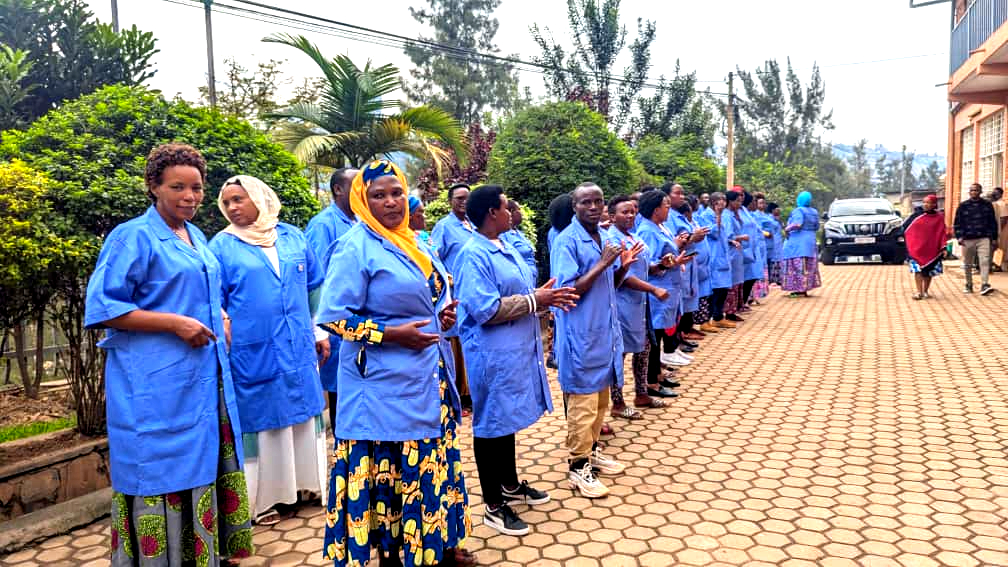
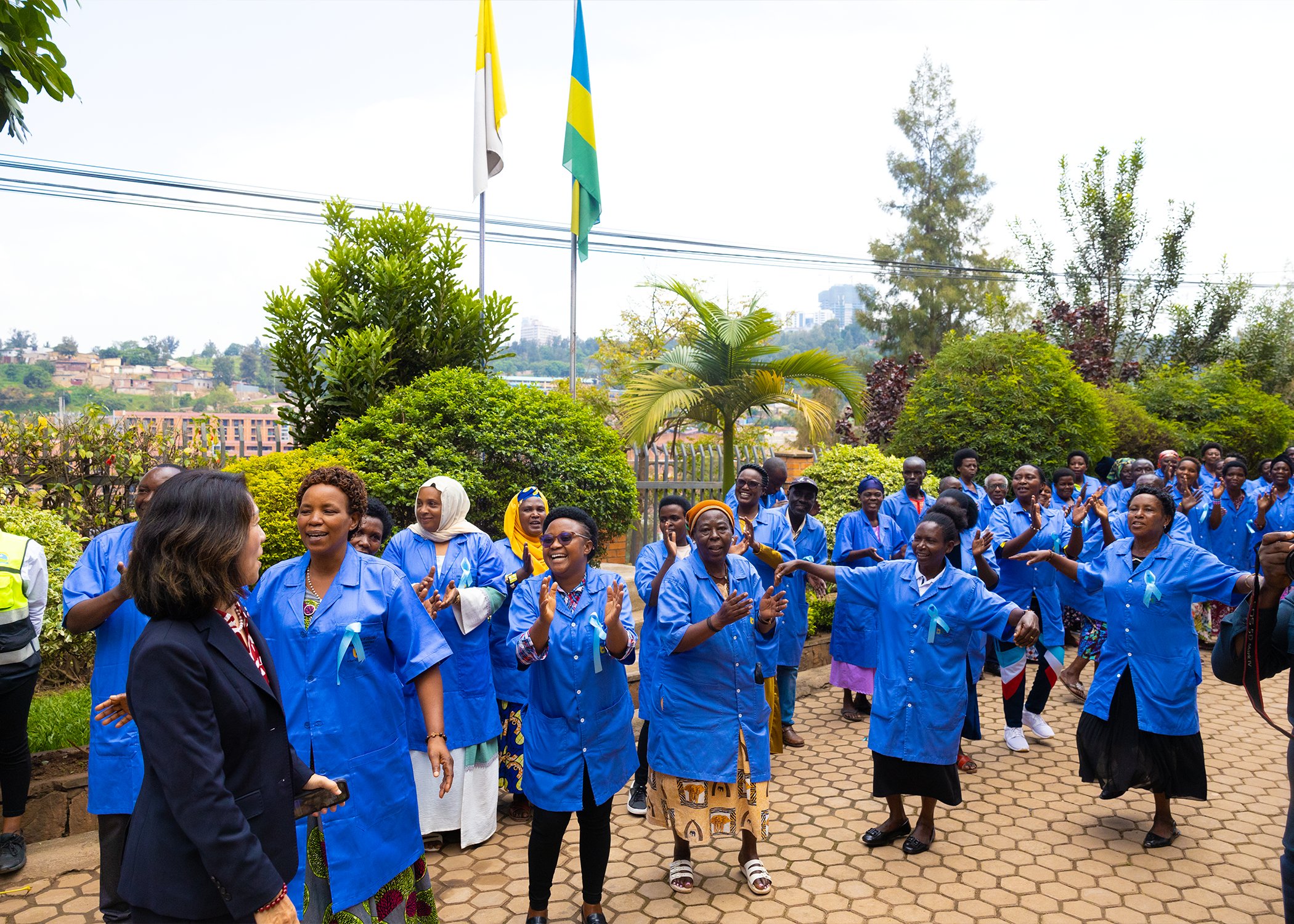
 The World Health Organization (WHO) has praised Rwanda for its rapid progress in scaling up cervical cancer screening, vaccination, and public awareness, urging other nations to draw lessons from Rwanda’s approach as the global community works toward eliminating the disease that disproportionately affects women.
WHO has set the global 90-70-90 targets—90% HPV vaccination coverage, 70% screening coverage for women aged 35–45, and 90% access to treatment for pre-cancer and invasive cancer—to eliminate cervical cancer as a public health threat by 2030.
Richard Freeman, WHO Global Executive Officer, made the remarks during a WHO assessment mission at COR-UNUM Health Centre in Kimisagara on Monday, November 17, 2025.
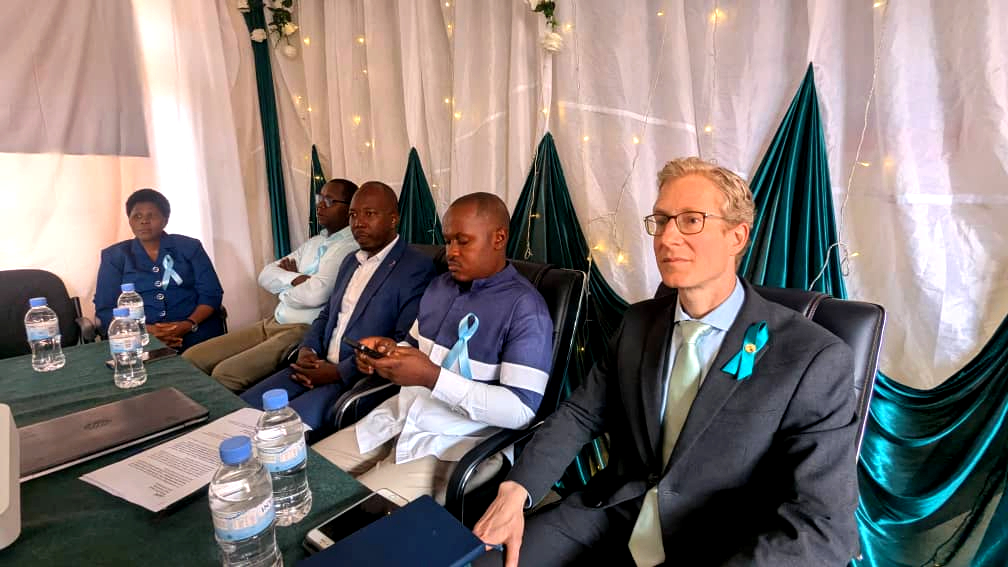
Richard Freeman (right)
The visit coincided with the First Cancer Elimination Day, designated by the World Health Assembly earlier this year as the first global health day dedicated to ending a specific cancer.
Freeman said Rwanda has been “a front-runner” since 2018 when WHO’s Director General first issued the global call to eliminate cervical cancer.
“Rwanda is really leading the way on how to reach a high level of coverage with the HPV vaccine,” he said.
“We’re excited to see the progress happening in expanding access to screening and treatment. This has become a two-way collaboration—other parts of the world are learning from the ingenuity and innovation happening here.”
He added that several districts are already demonstrating what is “possible and feasible” in implementing the elimination strategy.
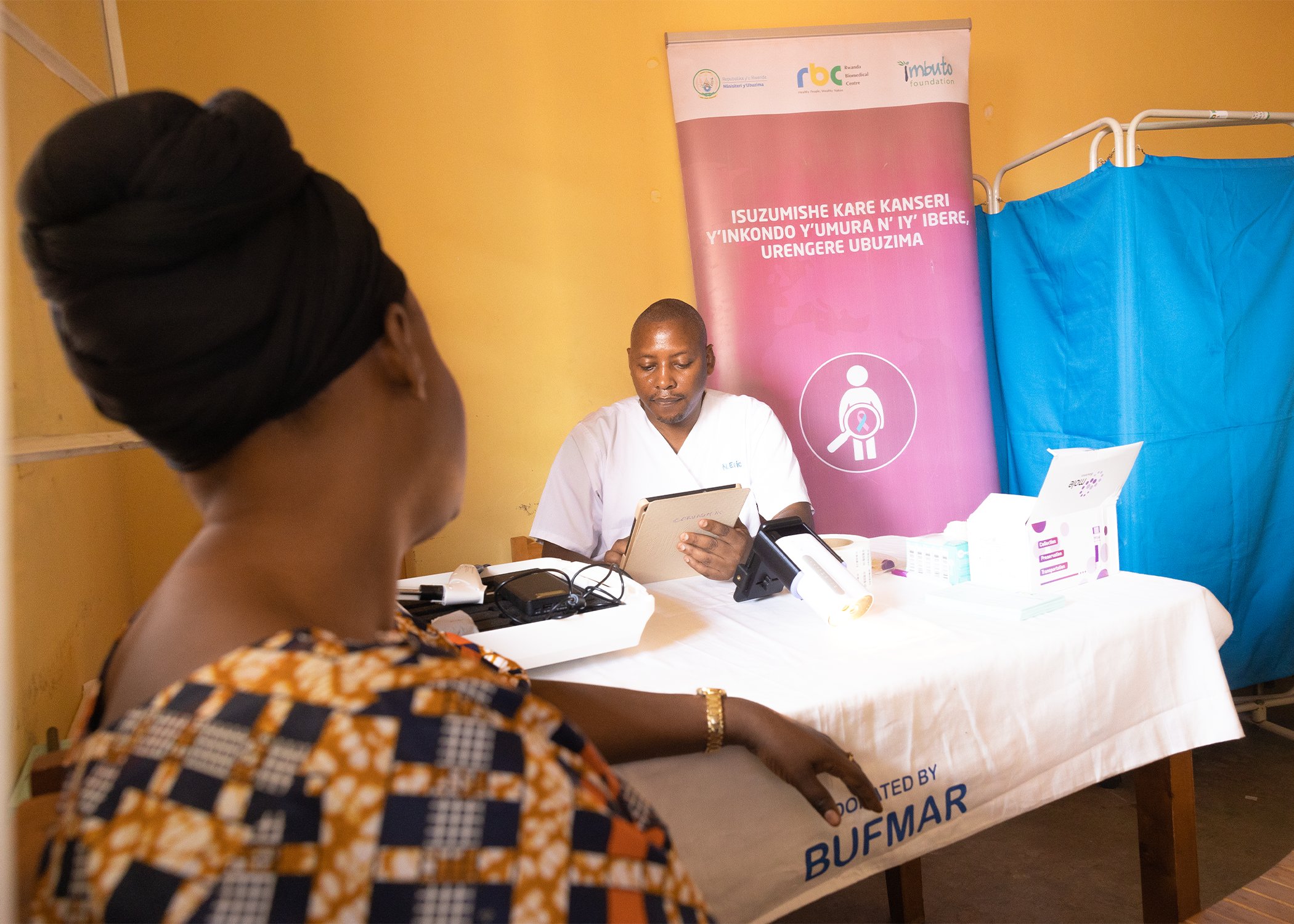
Several women were screened at the campaign launch event
Accelerated Path to Elimination:
Rwanda is widely regarded as a global frontrunner after launching the ambitious ‘Mission 2027’ strategy, which aims to achieve WHO’s elimination targets three years ahead** of schedule.
The strategy builds on the country’s strong foundation of high HPV vaccination coverage and a decentralized “screen-and-treat” system.
In 2025, the Ministry of Health rolled out the Accelerated Plan for the Elimination of Cervical Cancer (2024–2027), focusing on the simultaneous expansion of prevention, screening, and treatment.
Prevention:
Rwanda became the first African country to introduce a national HPV vaccination program in 2011 and has consistently maintained over 90% coverage among girls aged 12–15. Early studies indicate a significant decline in HPV types targeted by the vaccine among young women.
Screening:
To reach women born before the vaccination era, Rwanda is shifting to HPV DNA testing as the primary screening method for women aged 30–49. Services are being decentralized to health centres with a target of screening 1.3 million high-risk women.
Treatment and Management:
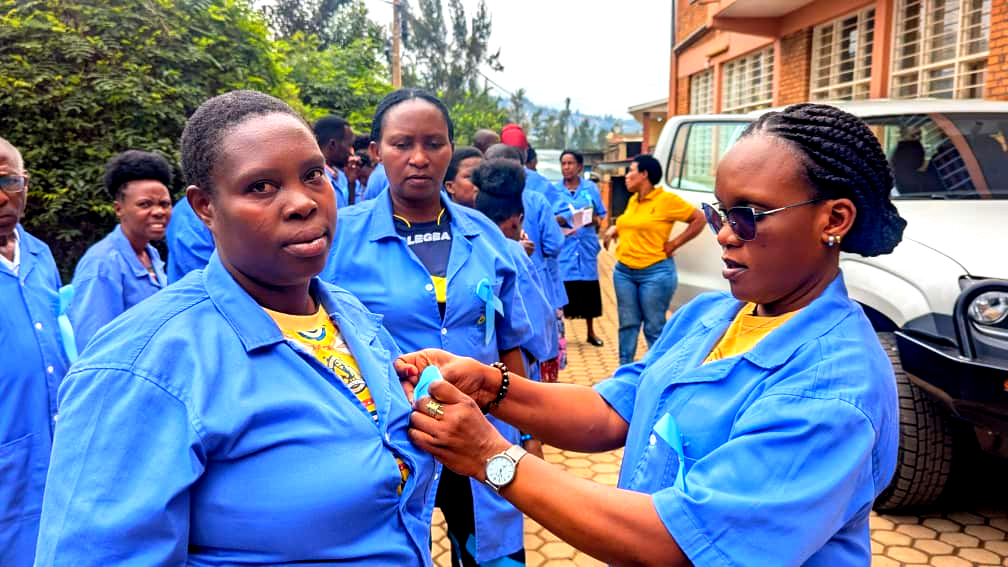
Kimisagara community health workers ready to battle cervical cancer
The country is scaling up a screen-and-treat approach, using thermal ablation at primary health facilities, while expanding national oncology capacity—including chemotherapy, radiotherapy, and palliative care—to ensure 90% of women diagnosed with invasive cancer receive timely, quality care.
New Awareness Campaign Launched:
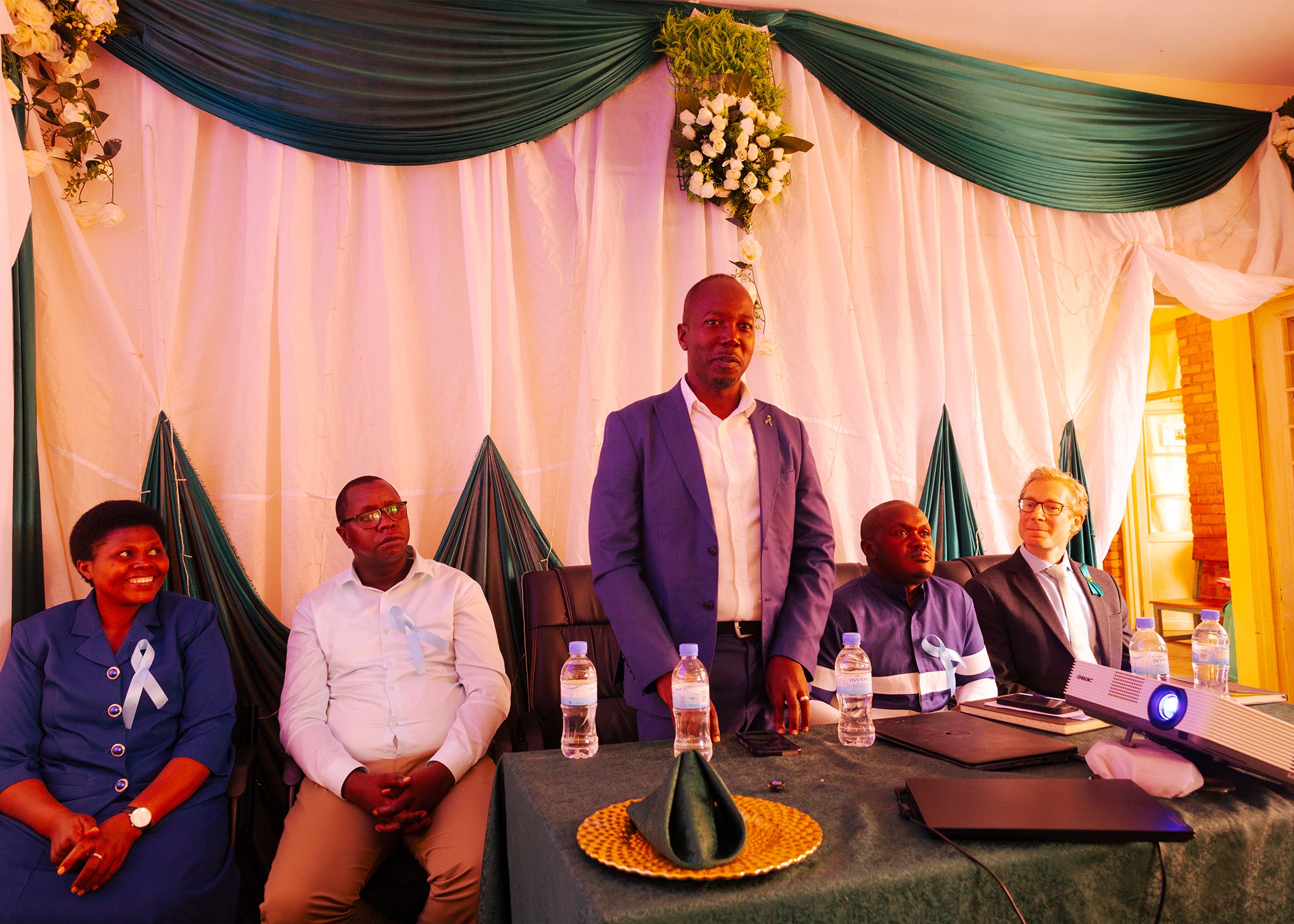
Dr. François Uwinkindi (middle)
Dr. François Uwinkindi, Division Manager for Non-Communicable Diseases at Rwanda Biomedical Centre (RBC), said Rwanda has already met the vaccination target for 12-year-old girls, achieving the 90% prevention goal.
However, screening remains behind schedule.
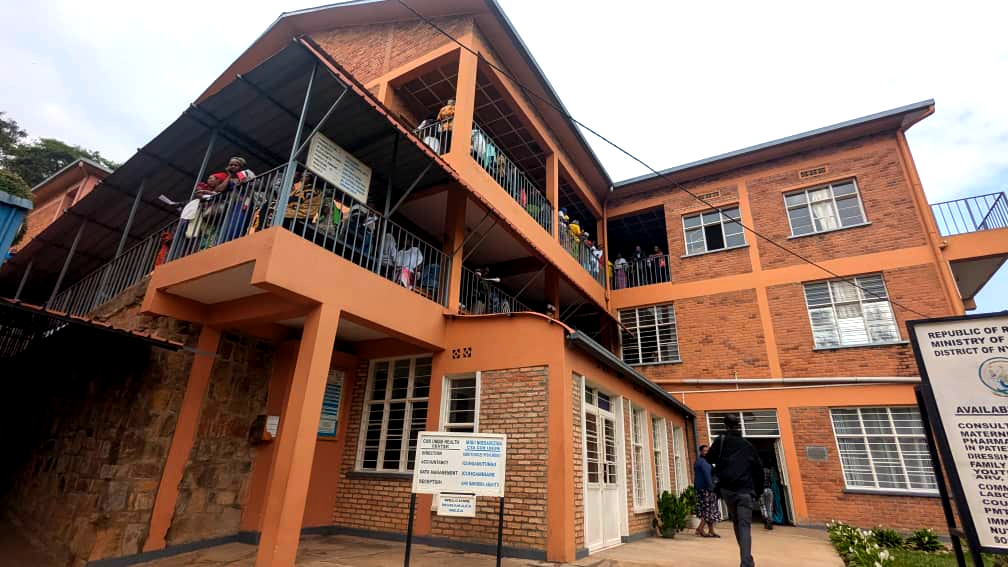
COR-UNUM Health Centre in Kimisagara
He noted that although progress has been significant in eight of the country’s 30 districts, the number of detected cases remains lower than the estimated national incidence, indicating gaps in screening uptake.
“We are slightly lagging behind. We have reached 30% screening coverage,” Uwinkindi said. “That is why we are launching this awareness campaign. With new technology, we will reach 70% in two years.”
He added that primary treatment is available free of charge at all health centres and teaching hospitals, contributing to the country’s optimism about meeting all elimination targets.
Burden of Disease and National Goal:
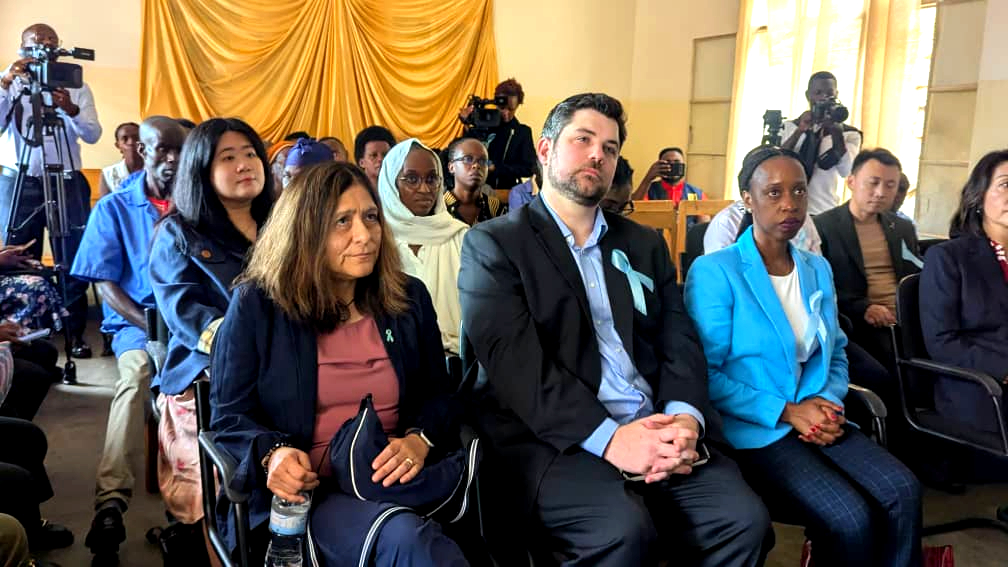
Health Partners during the commemoration of the world cervical cancer elimination day
Cancer remains the leading non-communicable disease killer in Rwanda, with cervical cancer accounting for at least 700 new cases annually —about half of the expected number based on estimates.
Rwanda aims to bring cervical cancer incidence down to fewer than 4 cases per 100,000 women, the threshold for elimination as defined by WHO.