




Beyond the humanitarian narrative often associated with refugee camps, a quieter story of resilience and economic inclusion is evident at Nyabiheke Refugee Camp in Gatsibo District, Eastern Province.
Refugees are building livelihoods through farming, agro-processing, beekeeping and several other economic activities. Behind each activity lies determination to move beyond survival toward dignity and self-reliance.
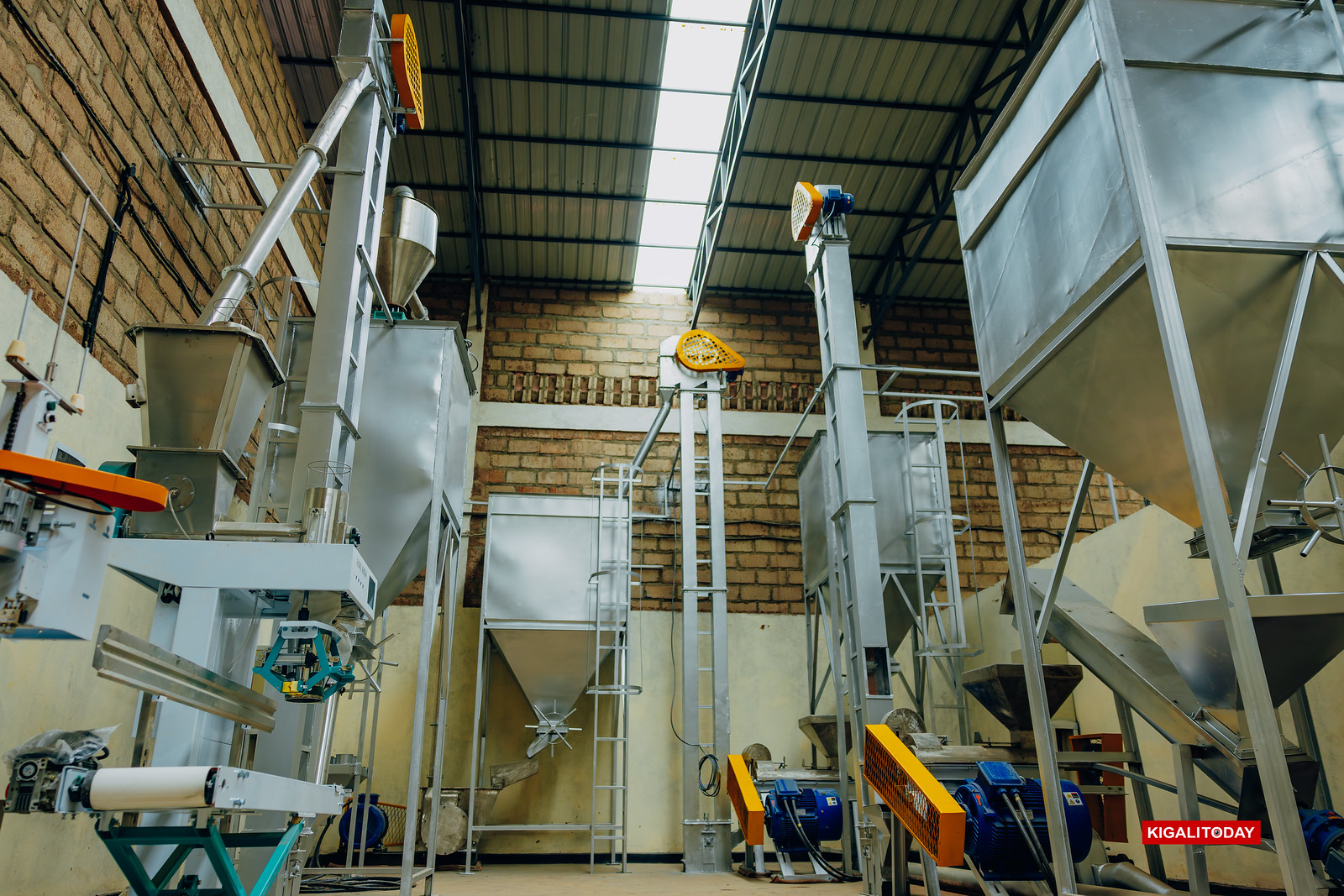
Modern agro-processing equipment installed within the camp supports value addition in maize production, reflecting growing efforts to strengthen refugee-led small enterprises and local food systems.
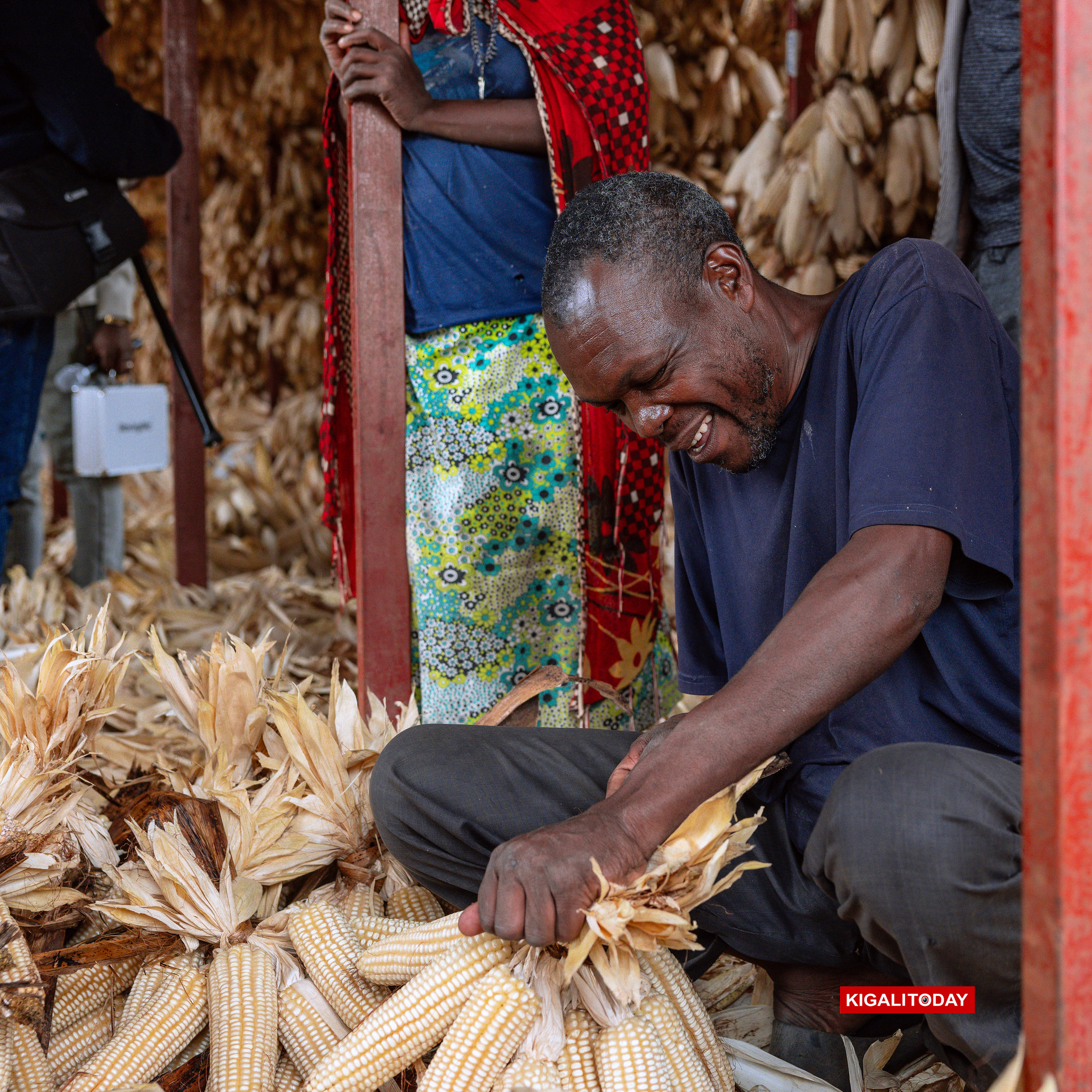
A refugee carefully sorts harvested maize inside a storage facility, part of a cooperative initiative aimed at improving post-harvest handling and increasing household income.
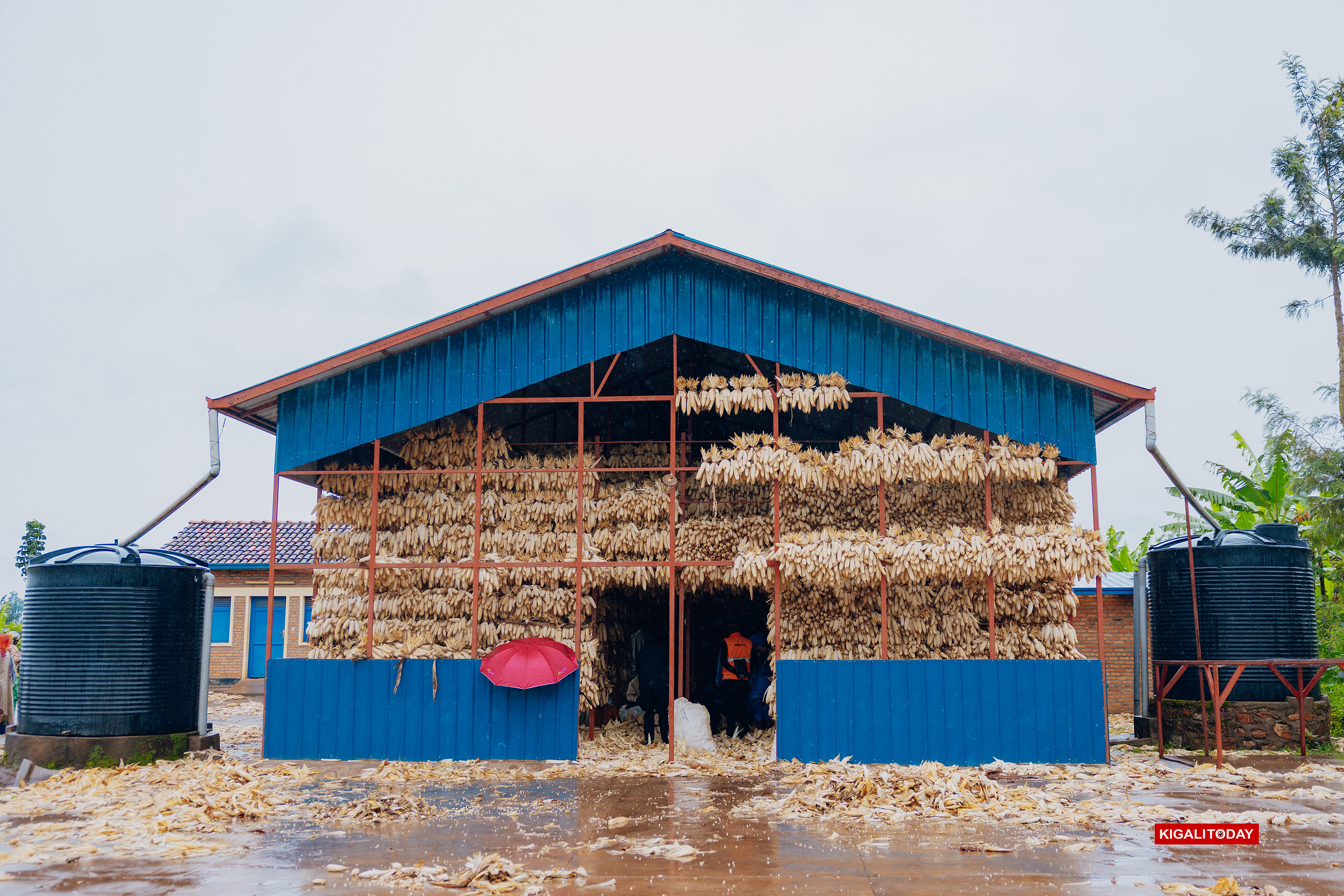
A maize drying and storage structure stands as a symbol of organized agricultural activity, helping reduce post-harvest losses and improve food security within the camp.
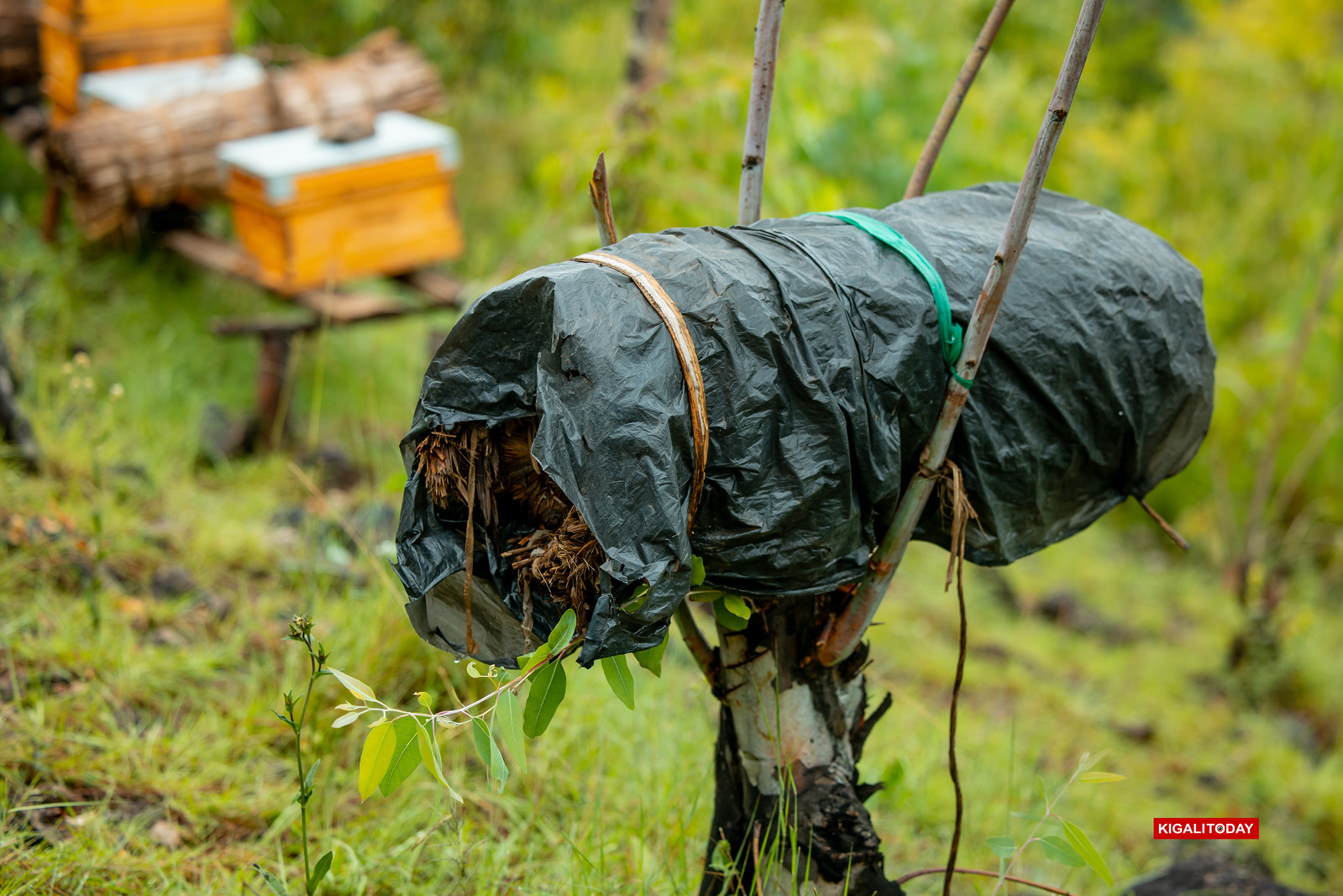
A covered beehive setup designed to shield colonies from harsh weather conditions demonstrates innovation in small-scale apiculture projects inside Nyabiheke.
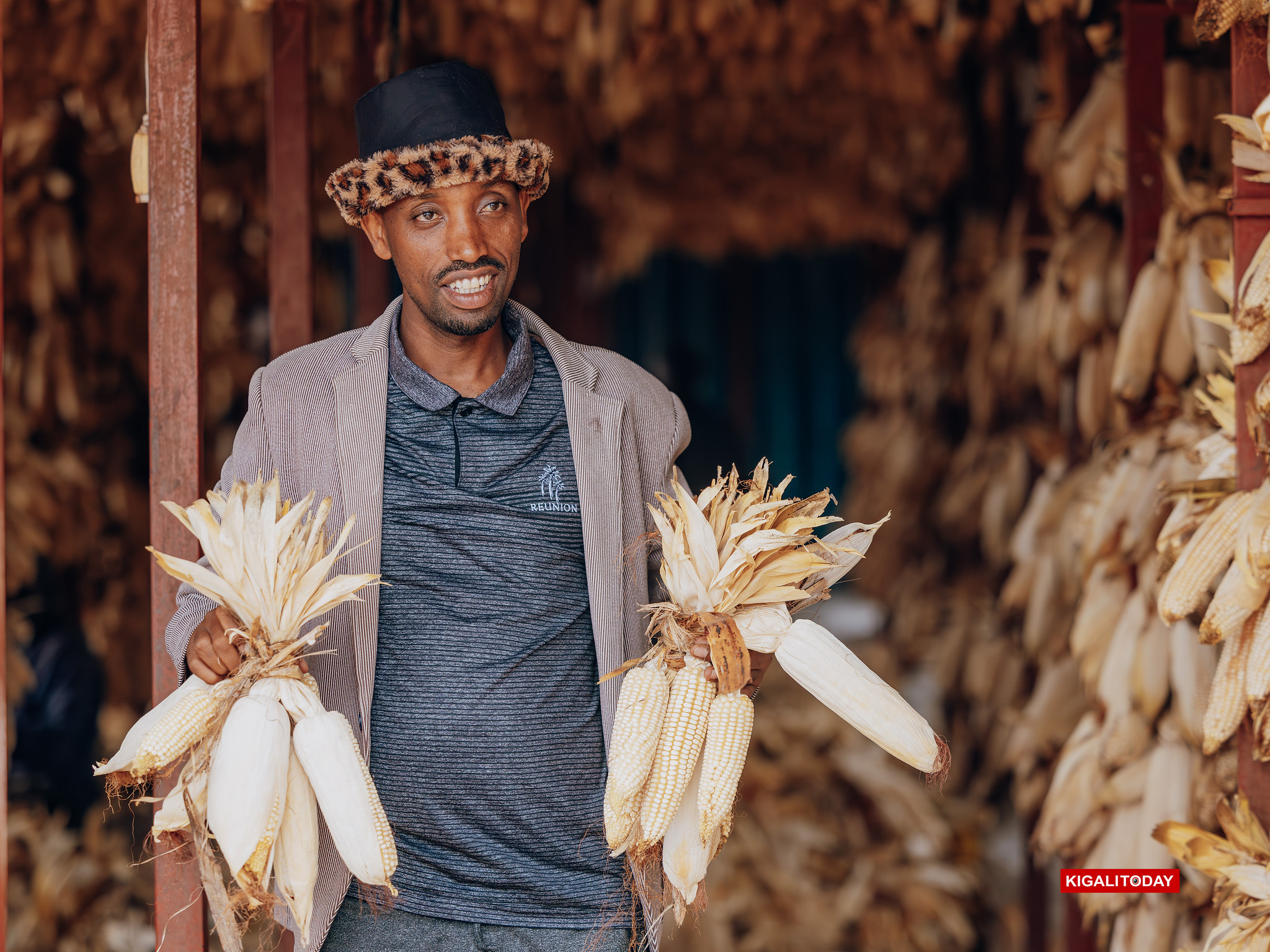
A young entrepreneur displays freshly harvested maize, reflecting a shift from dependency to productivity as refugees embrace agriculture and small-scale agribusiness as pathways to self-reliance.
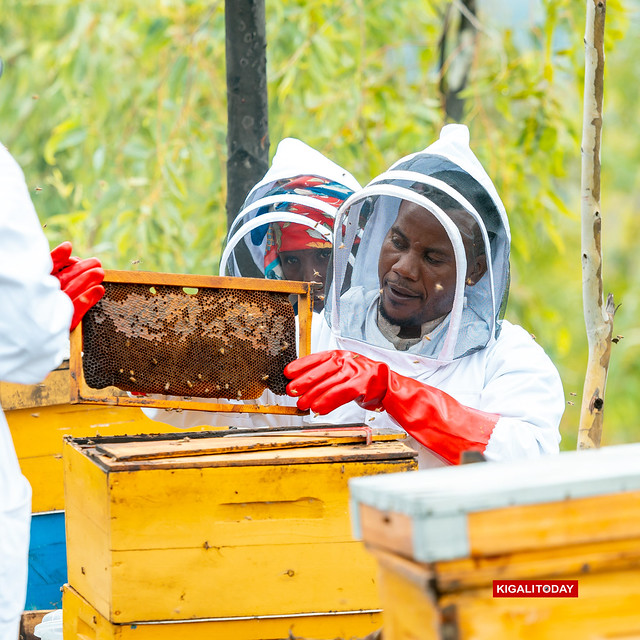
A beekeeper carefully lifts a honeycomb from the hive during harvest, revealing thick amber honey — the result of weeks of patient tending and teamwork inside Nyabiheke Refugee Camp.
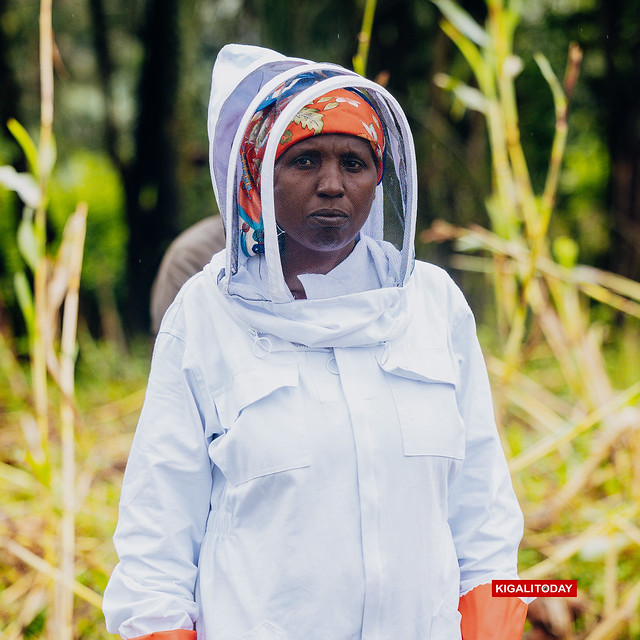
Many refugees are steadily transforming small-scale apiculture into a reliable source of income—rebuilding livelihoods and strengthening self-reliance, one hive at a time.
