



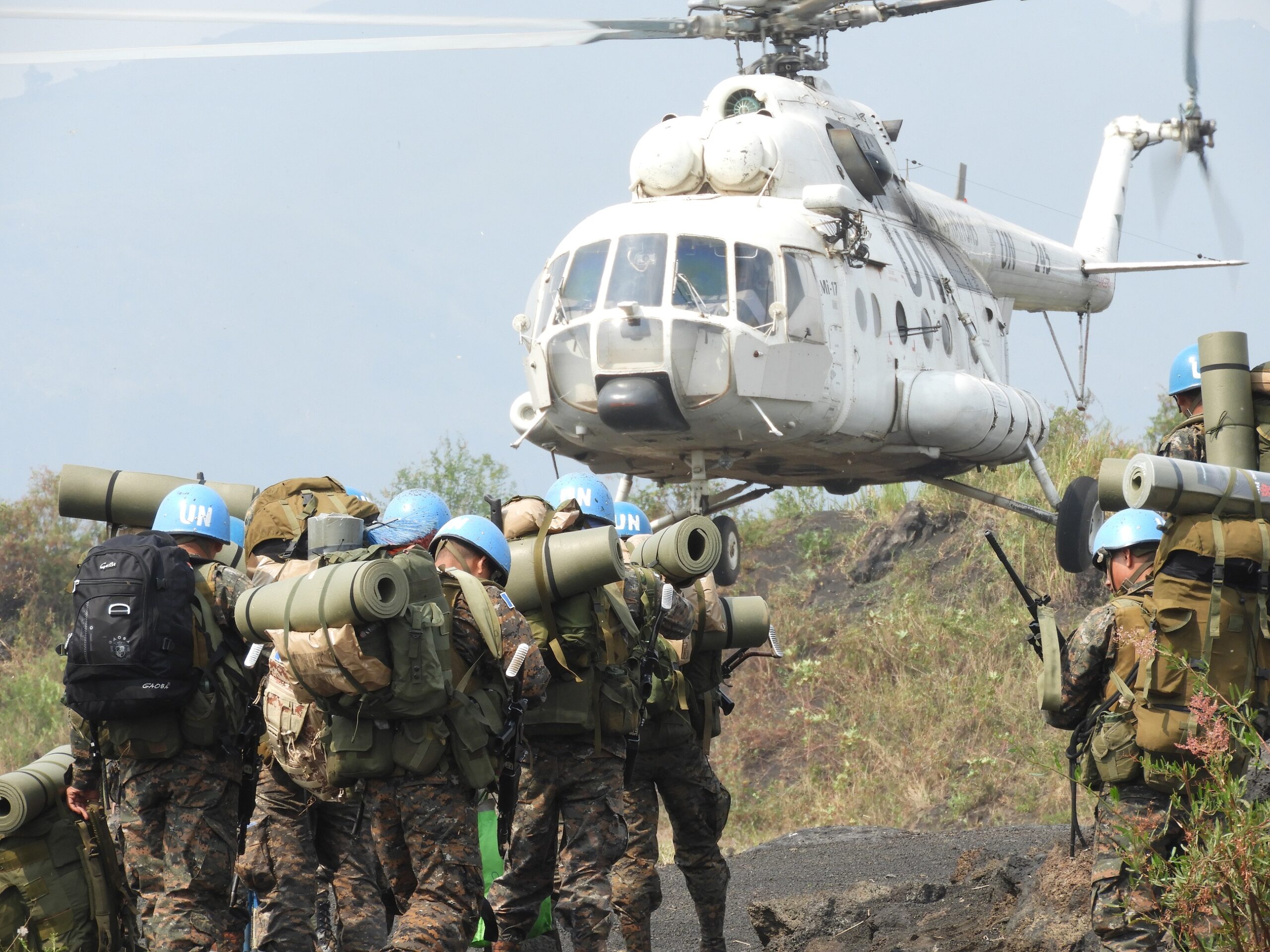
South Africa has announced that it will withdraw its troops from the United Nations peacekeeping mission in the Democratic Republic of Congo (MONUSCO), ending a 27-year military presence in the country amid mounting domestic scrutiny over the nature and risks of the deployment.
In a statement issued on Sunday, the South African Presidency said Pretoria will work with the United Nations to finalise the timeline and modalities of the withdrawal, which is expected to be completed before the end of 2026. South African troops have served under the UN mission in the DRC since 1999, making the deployment one of the country’s longest-running peacekeeping commitments.
The decision was announced in astatement published on the Presidency’s website on February 8, 2026. Presidency spokesperson Vincent Magwenya said the move followed a telephone conversation on January 12, 2026, between President Cyril Ramaphosa and UN leadership, and reflects a strategic shift in South Africa’s defence priorities after nearly three decades of involvement in peacekeeping operations in the DRC.
“President Ramaphosa indicated that South Africa’s unilateral decision to withdraw from MONUSCO is influenced by the need to consolidate and realign the resources of the South African National Defence Force, following twenty-seven years of South Africa’s support to UN peacekeeping efforts in the DRC,” Magwenya said.
South Africa has been one of the key African contributors to MONUSCO, a mission established to support stability and protect civilians in eastern Congo, a region that has for years been affected by persistent armed violence and complex regional security dynamics.
The announcement comes amid growing political and public scrutiny of South Africa’s military role in eastern DRC, where insecurity has intensified in recent years. During a heated parliamentary session in January 2025, lawmakers questioned senior defence officials about the nature of the deployment, raising concerns over whether South African National Defence Force (SANDF) troops were strictly engaged in peacekeeping duties or had become involved in active combat operations.
The Chief of the South African National Defence Force, General Rudzani Maphwanya, and Defence Minister Angie Motshekga were questioned by Members of Parliament about the risks faced by South African troops and the broader implications of the mission.
The debate was partly fuelled by a recent incident in Goma, where South African troops were caught in crossfire during fighting between the Armed Forces of the Democratic Republic of Congo (FARDC) and Rwandan forces. Addressing speculation that South African soldiers had been deliberately targeted, General Maphwanya said the incident resulted from an exchange of fire between the two sides.
“The first report I gave to the minister was that we were under fire because the shells were landing on my base,” Maphwanya told MPs. “The first thing the commander said was, ‘Contact, contact.’ When I asked what was happening, he initially reported that we were being fired at from Rwanda. However, within minutes, we realised it was an exchange of fire between the two.”
According to military leadership, FARDC elements stationed at Goma airport had launched rocket attacks toward Rwanda, prompting a retaliatory response that inadvertently placed South African troops in danger.
The developments come at a time of sustained regional tensions and renewed diplomatic efforts involving regional and international actors to stabilise eastern DRC. Pretoria has emphasised that, despite its decision to withdraw from MONUSCO, it remains committed to supporting peace and security initiatives through the United Nations, the African Union and the Southern African Development Community (SADC).
The withdrawal marks a significant shift in South Africa’s long-standing role in UN peacekeeping in Central Africa and adds a new dimension to the evolving regional security landscape.
