



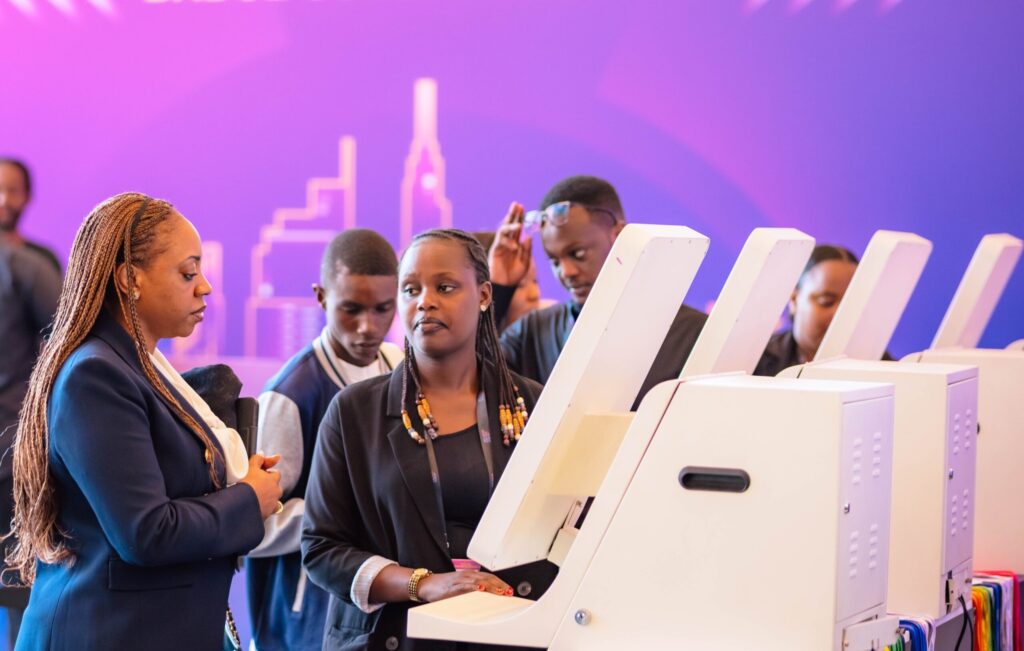
A delegate collects her badge to attend the third Inclusive Fintech Forum 2026 in Kigali.
KIGALI – Africa’s next phase of economic growth will depend on how effectively the continent harnesses digital transformation and private investment to build inclusive and resilient financial systems.
During the third Inclusive Fintech Forum 2026 in Kigali, this message became so conspicuous as industry leaders, policymakers and innovators explored how Africa can translate its rapidly expanding fintech ecosystem into sustainable economic development.
Africa’s fintech sector is projected to generate $47 billion in revenue by 2028, driven largely by a young, tech-savvy population eager to build and adopt digital solutions. Its therefore vital to connect markets, empower entrepreneurs and unlock capital for businesses across the continent.
Experts noted that fintech platforms are already reshaping how Africans transact and interact economically, from mobile payments to digital credit systems that expand access to financial services.
From Brick-and-Mortar Banking to Digital Infrastructure
According to James Mwangi, the Managing Director and Chief Executive Officer of Equity Group Holdings, the future of financial services will look fundamentally different from traditional banking systems built around physical branches.
“The future of financial services is completely different from the brick-and-mortar infrastructure that has delivered so much,” Mwangi said.
He explained that the next stage of financial transformation will be built on digital public infrastructure, including digital identity systems, interoperable payment platforms and secure data frameworks that allow services to operate seamlessly across institutions.
“We see investment in digital public infrastructure as the core foundation. Financial services will move from physical identity documents to digital IDs that allow people to access services instantly and remotely,” he said.
Mwangi pointed out that trust and interoperability will be critical as financial systems become increasingly interconnected. “Systems must operate on shared standards and be able to validate identities instantly. Only then can trust be created in a digital environment,” he said.
He added that private capital will play a key role in financing Africa’s economic transformation.
“The biggest opportunity lies in financing development. If projects are structured properly, the private sector can fund them, earn returns and unlock opportunities for entire populations,” he noted.
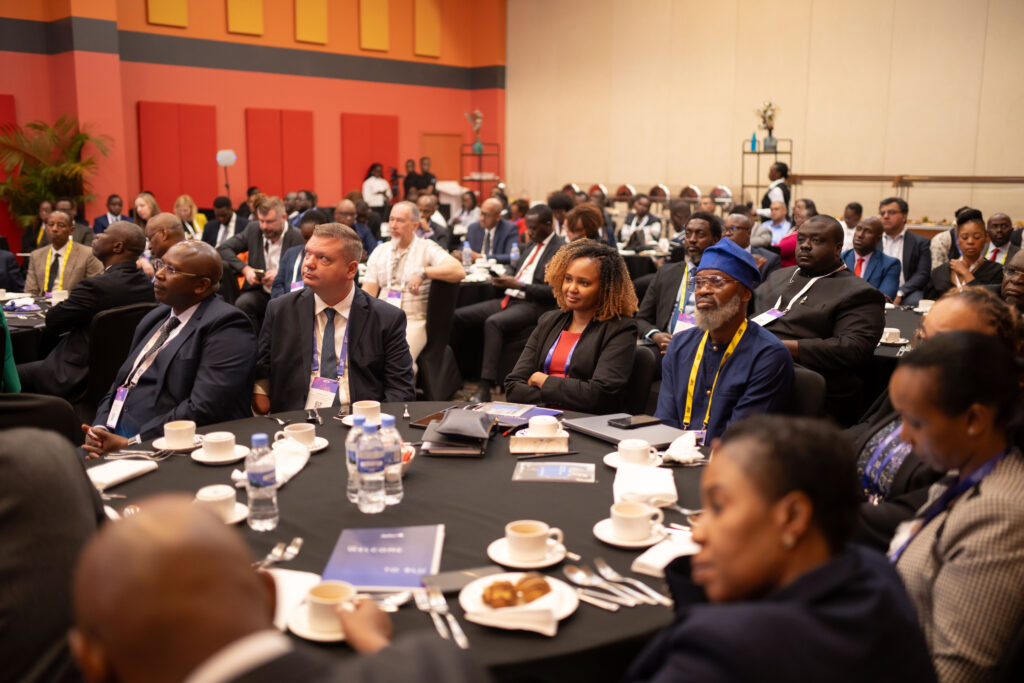
Delegates during a breakfast meeting at the third Inclusive Fintech Forum 2026.
As the third Inclusive Fintech Forum 2026 concludes in Kigali, one message resonates beyond the walls of the Convention Centre: Africa is no longer just a participant in the global digital revolution—it is becoming its laboratory.
While global fintech growth is projected to reach $460 billion in 2026, Africa’s sector is expanding at a far more aggressive pace, with revenues expected to hit $47 billion by 2028. This surge is transforming the continent from a consumer of global tech into an exporter of innovation, particularly in the realms of Digital Public Infrastructure (DPI) and mobile-first financial ecosystems.
The End of Brick-and-Mortar: A Global Paradigm Shift
The traditional banking model is facing a global reckoning. In Kigali, James Mwangi, MD and CEO of Equity Group Holdings, declared the era of physical-first banking over.
“The future of financial services is completely different from the brick-and-mortar infrastructure that has delivered so much,” Mwangi stated. He argued that the next phase of global growth will be anchored on Digital Public Infrastructure (DPI)—a framework of digital IDs and interoperable payment rails that allow services to operate seamlessly across borders.
This shift mirrors global trends where “embedded finance” is integrating banking into everything from e-commerce to logistics. By 2026, experts predict that digital transaction data will replace traditional collateral, fundamentally changing how creditworthiness is assessed for millions of entrepreneurs.
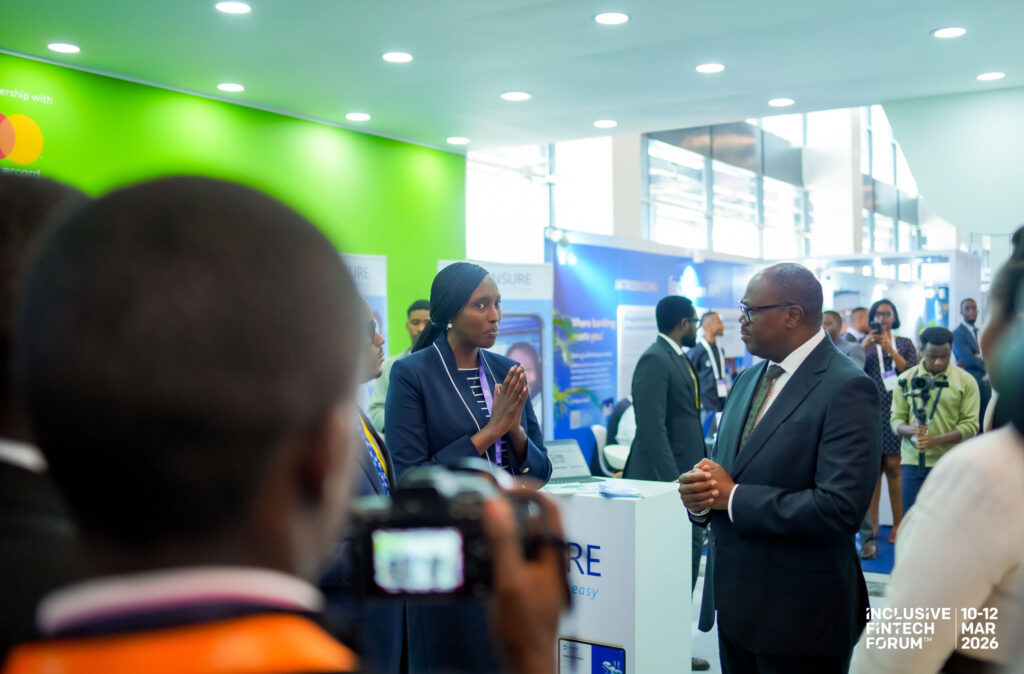
PM Dr. Justin Nsengiyumva interacts with exhibitors at the third Inclusive Fintech Forum 2026 held in Kigali.
From Inclusion to Independence: Scaling for Impact
For Serigne Dioum, CEO of MTN Group Fintech, the rapid adoption of mobile money—visible in every market in Rwanda—is only the baseline.
“Financial inclusion is only the first step. The real goal is financial independence,” Dioum noted. He emphasized that for Africa to lead, its systems must move beyond simple payments to provide robust credit, savings, and insurance products that allow individuals to build lasting wealth.
Mary Ellen Iskenderian, President and CEO of Women’s World Banking, highlighted that this evolution is particularly critical for women, who represent 58% of the continent’s self-employed population. “Traditional lending models rely heavily on collateral that women often do not own,” she explained, calling for fintech systems to leverage the “incredible data flowing through digital systems” to unlock capital for female-led businesses.
A Global Laboratory for “Fintech for Good”
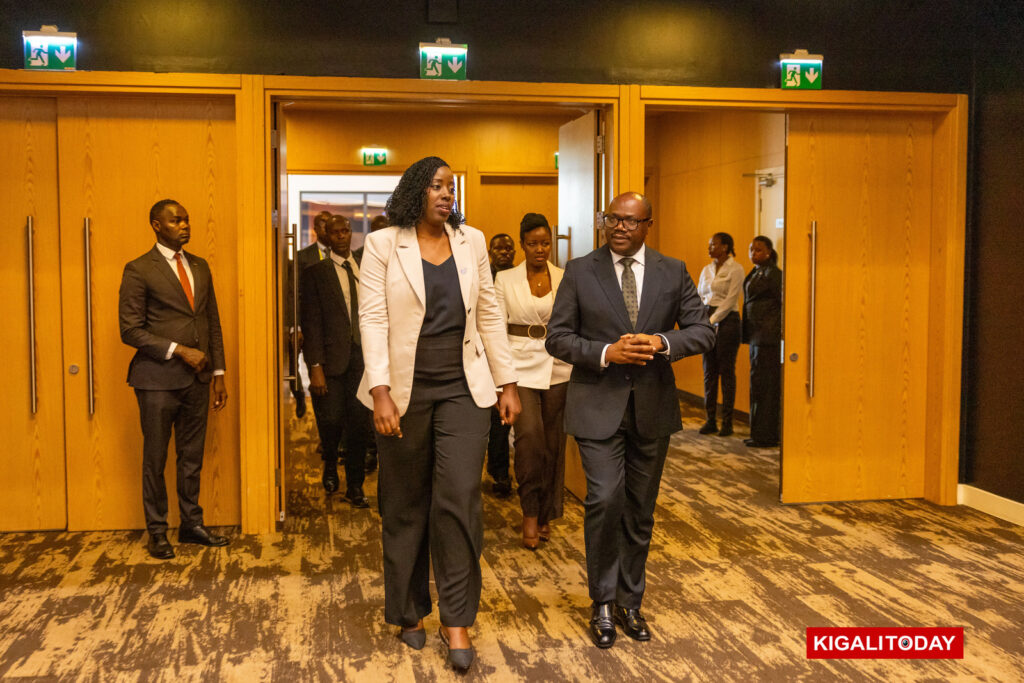
The 2026 Forum has positioned Kigali as a pivotal hub where policy, capital, and technology converge. As international giants like PayPal announce plans to return to African markets this year, the continent’s homegrown startups are increasingly exporting their solutions to the world.
Whether through AI-powered fraud detection or blockchain-based settlement platforms that reduce cross-border fees by up to 70%, the innovations showcased in Kigali are setting the standard for the next economic era.
The Bottom Line: As the world watches, Africa is proving that inclusive digital infrastructure isn’t just a local necessity—it’s the blueprint for a resilient global economy.