



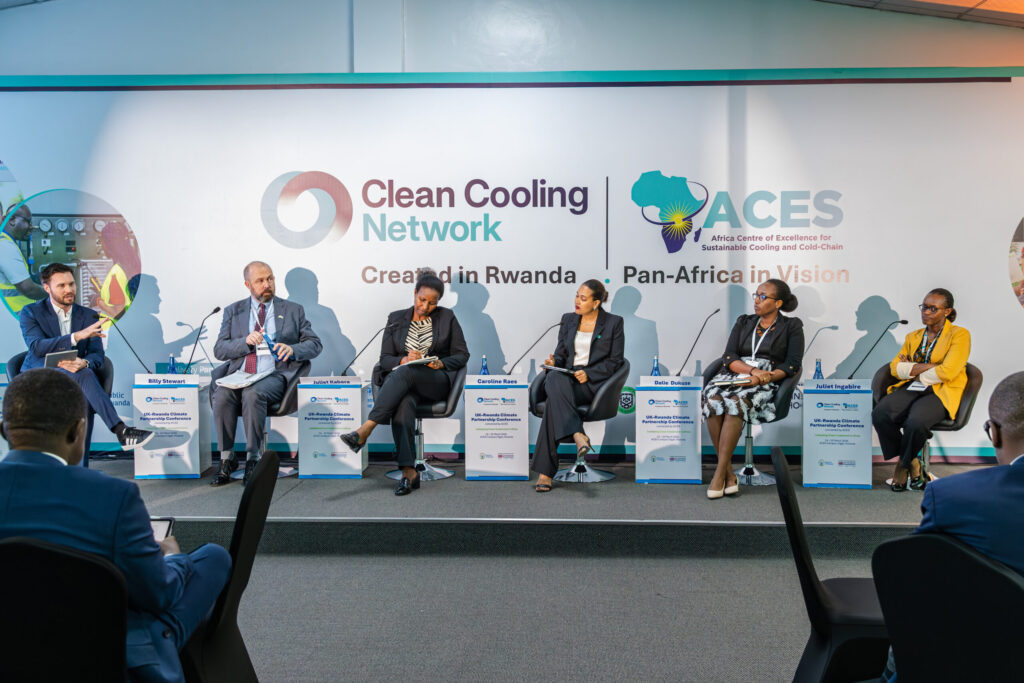
Stakeholders and other local leaders are in Kigali to discuss ways of confronting the persistent failure to protect what farmers produce after harvest.
A growing sense of urgency in Rwanda’s agricultural sector is drawing renewed attention, as leaders confront the persistent failure to protect what farmers produce after harvest—a challenge that has lingered for years despite repeated policy focus.
Recent remarks by President Paul Kagame at a special session with central and local government leaders exposed a clear disconnect between investment and impact, even as the government has expanded cold-chain infrastructure, including refrigeration and storage facilities.
The President said Rwanda, which is blessed with fertile soils, a capable workforce, and suitable weather, should not face food shortages.
This renewed urgency is now intersecting with a broader climate and investment agenda, as Rwanda strengthens partnerships aimed at building sustainable cooling systems that can reduce waste while supporting economic growth.
One of the issues contributing to food shortages and unstable food supplies is underutilized or non-operational infrastructure, resulting in continued losses of produce, income, and opportunity across the agricultural value chain.
The concern points to a deeper implementation gap. Solutions are known and resources have been allocated, yet execution continues to fall short. For farmers, this translates into tangible losses, often before their produce reaches the market.

(L-R) Juliet Kabera, the Director General of the Rwanda Environment Management Authority, Environment Minister, Bernadette Arakwiye, and Monique Nsanzabaganwa, the former vice-chairperson of the African Union Commission chat at the sidelines of the stakeholders meeting.
A Problem Long Diagnosed, Rarely Treated
Post-harvest losses have long featured in Rwanda’s policy discussions, yet progress remains uneven. President Kagame has questioned why such a critical issue persists despite years of awareness, stressing that accountability must match ambition.
Equipment intended to support cold-chain systems has been procured but, in some cases, remains idle. As the President pointedly noted in a recent exchange, no one is usually held accountable for poor follow-through.
Effective cooling systems depend on the maintenance of available equipment, technical capacity, reliable energy, and clear ownership. Without these, even well-funded initiatives risk becoming dormant.
Bernadette Arakwiye, the Minister in charge of Environment, underscored the broader implications, warning that “we cannot talk about climate resilience while food is being lost due to gaps we already understand.”
She emphasized that sustainable cooling must be treated as essential infrastructure, not an optional add-on, linking it directly to food security and environmental sustainability.
Across Africa, a significant share of food is lost after harvest due to inadequate preservation. In Rwanda, where agriculture underpins livelihoods, these losses directly affect incomes, nutrition, and market stability.
Turning Climate Commitments into Cold-Chain Reality
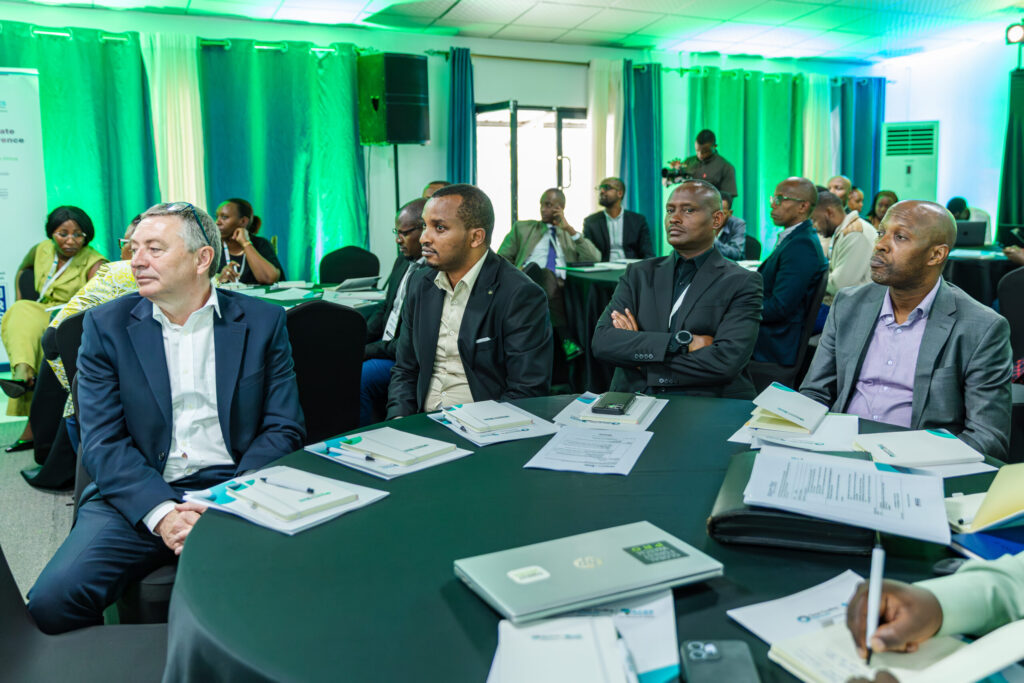
Delegates during a stakeholders meeting held in Kigali. They are devising means of confronting the persistent failure to protect what farmers produce after harvest.
Efforts to address these gaps are increasingly tied to Rwanda’s climate and development strategy. The Africa Centre of Excellence for Sustainable Cooling and Cold-Chain, based in Rubirizi, is helping reposition cooling as critical infrastructure.
According to Toby Peters, the institution’s Executive Director, the cost of inaction is substantial. “Across Africa, 30 percent of food can be lost post-harvest, primarily because it’s not kept cold. You don’t just lose food, you lose value, income, and nutrition,” he said.
He noted that solving the problem requires both innovation and financing. As global grant funding declines, attention is shifting toward private investment through instruments such as green bonds and carbon markets.
This approach is echoed by Gwilym Jones, the East Africa Climate and Environment. Advisor at the Foreign, Commonwealth and Development Office (FCDO), who highlighted the role of partnerships in unlocking capital.
“What this is about is moving beyond grant financing and catalyzing private investment at scale,” he said, adding that Rwanda’s collaboration with international partners is designed to attract long-term, sustainable funding.
At the policy level, Minister Arakwiye reinforced the urgency of execution. “The challenge is not identifying what to do, it is ensuring that what we plan is implemented effectively and reaches the ground,” she said.
The convergence of political pressure, climate ambition, and financing innovation signals a turning point. For Rwanda, the task ahead is to transform commitments into functioning systems that deliver results.
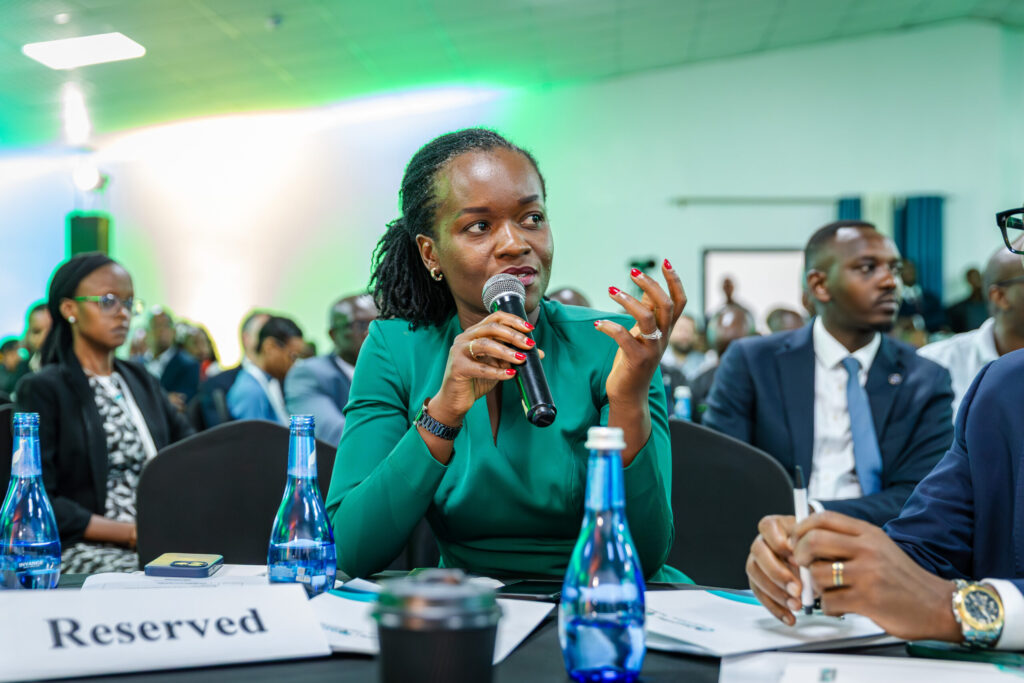
Bernadette Arakwiye, the Minister in charge of the Environment.