



KIGALI — Rwanda is accelerating its march toward total electrification through a transformative energy initiative. Backed by a 14.8 billion Japanese yen (approximately $96 million) loan from the Asian Infrastructure Investment Bank (AIIB), the government has launched a phased program to bring modern energy solutions to 400,000 additional households.
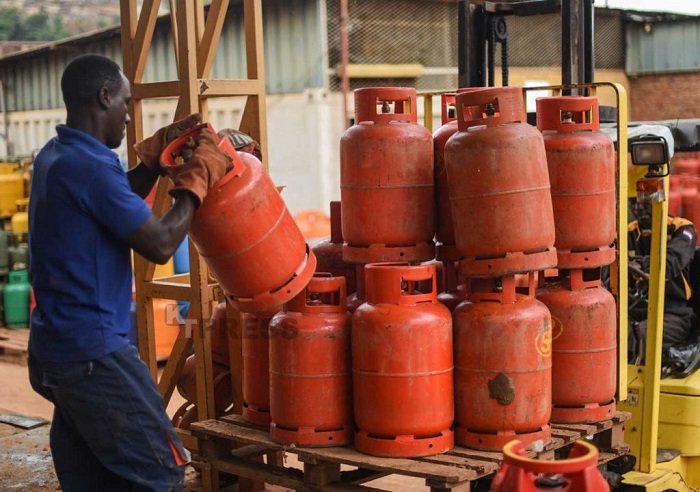
The initiative addresses two critical development hurdles: the expansion of the electrical grid and the urgent need for clean cooking alternatives. Under the program, 300,000 households will be connected to power, while 100,000 families will receive modern cooking equipment to reduce reliance on wood and charcoal. This shift aims to improve public health and protect Rwanda’s forest cover.
This push builds on remarkable growth in the Rwandan energy sector. According to the Rwanda Energy Group (REG), national electricity access surged from 64.5% in 2020 to 85.4% by the end of 2025. While 60% of the population is tied to the national grid, roughly 25% now relies on off-grid innovation, particularly solar home systems essential for remote communities.
Minister of State for Finance and Economic Planning Godfrey Kabera informed Parliament that the project’s scope extends beyond residential lighting. The funding is earmarked for broad infrastructure upgrades, including connecting 310 schools and health clinics to the grid and installing 200 kilometers of street lighting in secondary cities.
Additionally, approximately 850 industrial and business users are expected to benefit from a more stabilized power supply. To sustain this expansion, the government is developing major power generation projects, including the 43.5 MW Nyabarongo II hydropower plant and the regional Rusizi III project.
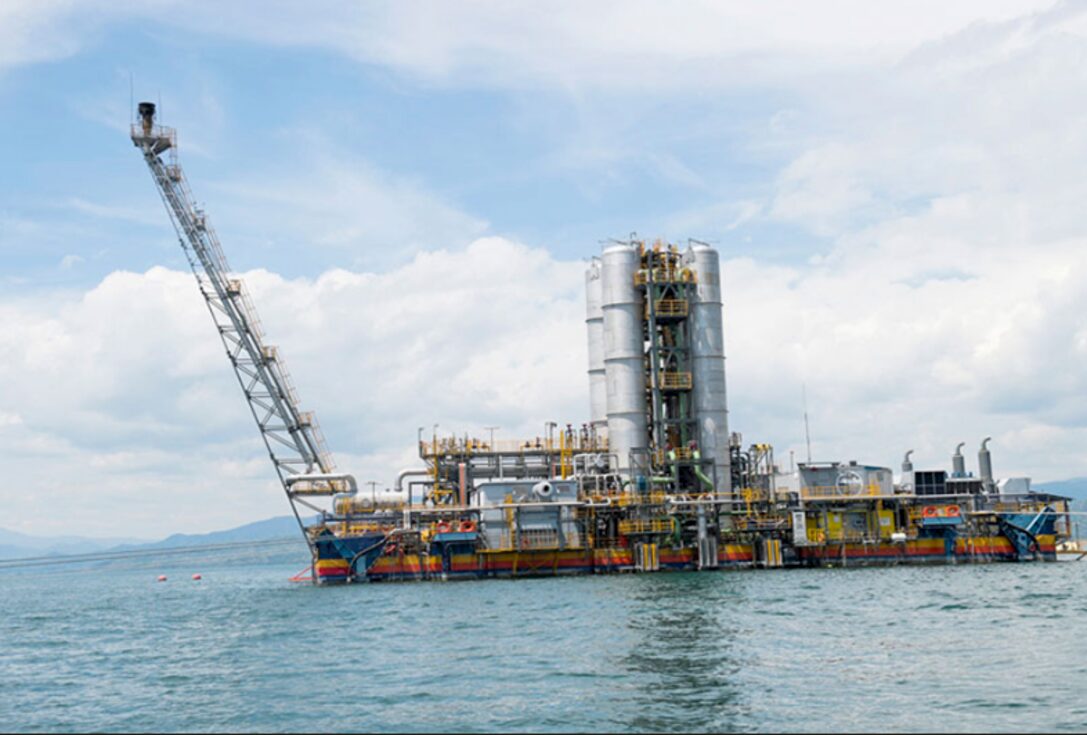
A specialized methane gas project is also under development, expected to bolster industrial needs and provide a sustainable fuel source for clean cooking by 2028. The AIIB loan, featuring a 29-year repayment term, aligns with Rwanda’s goal of achieving 100% electricity access as several districts approach 90% coverage this fiscal year.

1 comment
Never again
Comments are closed.