



KIGALI — Rwanda’s national focus remained anchored in Kwibuka 32, with commemorations continuing across the country and within diplomatic circles.Beyond Rwanda’s borders, the regional picture remained largely unchanged.
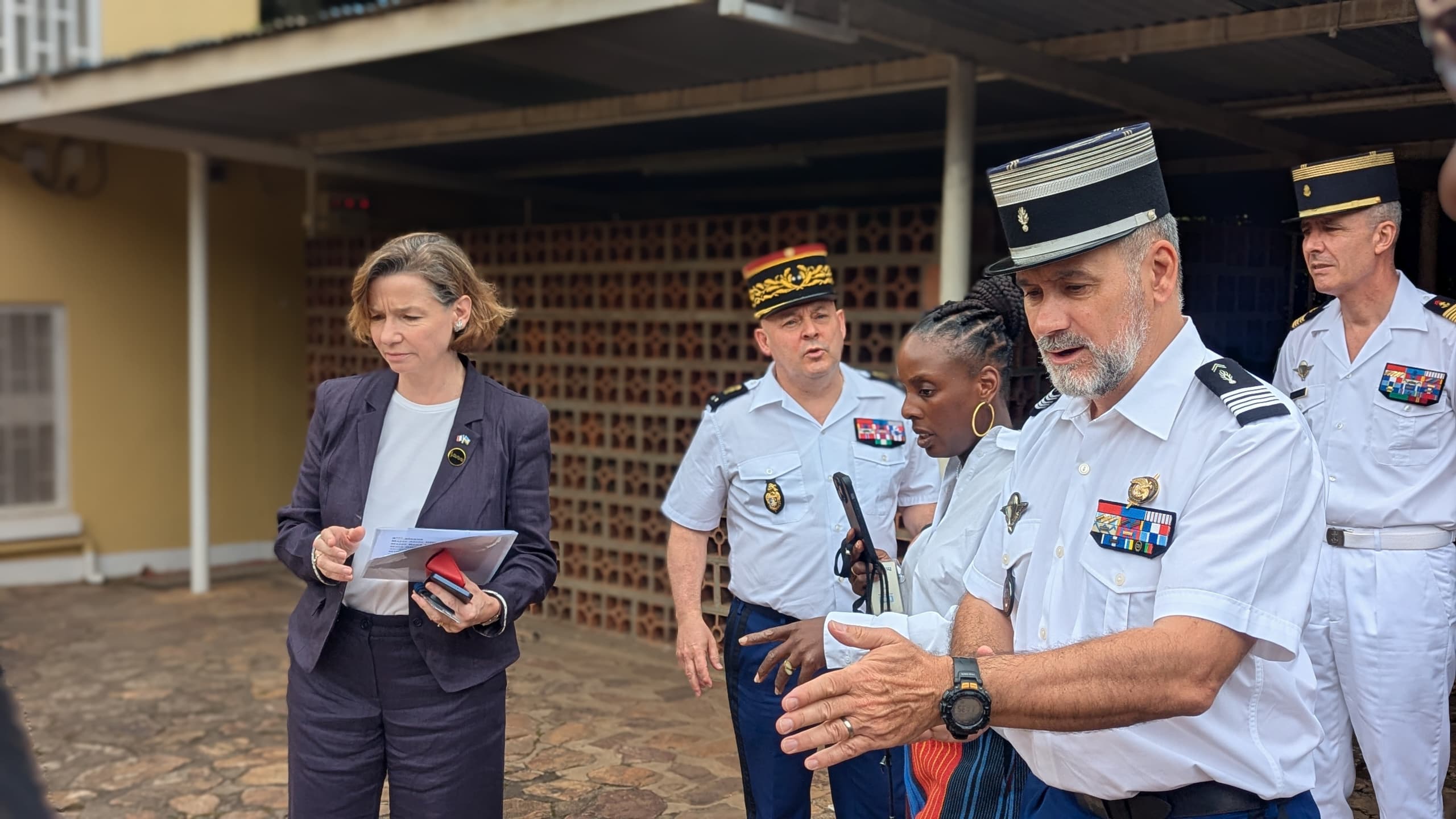
The French Embassy in Kigali joined the remembrance period, aligning itself with the national theme of memory and solidarity, and reinforcing international participation in the 100-day mourning cycle. This is particularly significant because of France ties to government that is accused of full responsibility for the genocide.
Historical reflections also shaped the day’s narrative, with renewed attention to events of April 23, 1994, when massacres intensified in regions such as Butare, Gikongoro, and Gitarama.
Local officials and communities continued organizing district-level commemorations, including scheduled events in Karongi, while diaspora communities—from the United States to elsewhere—held parallel gatherings.
Recent high-level participation continued to echo into the day, including remarks delivered by Foreign Affairs Minister Olivier Nduhungirehe at a United Nations Rwanda commemoration, reinforcing the link between remembrance, diplomacy, and prevention messaging.
Kagame Engages Investors
President Paul Kagame held a series of strategic meetings focused on investment and public health.
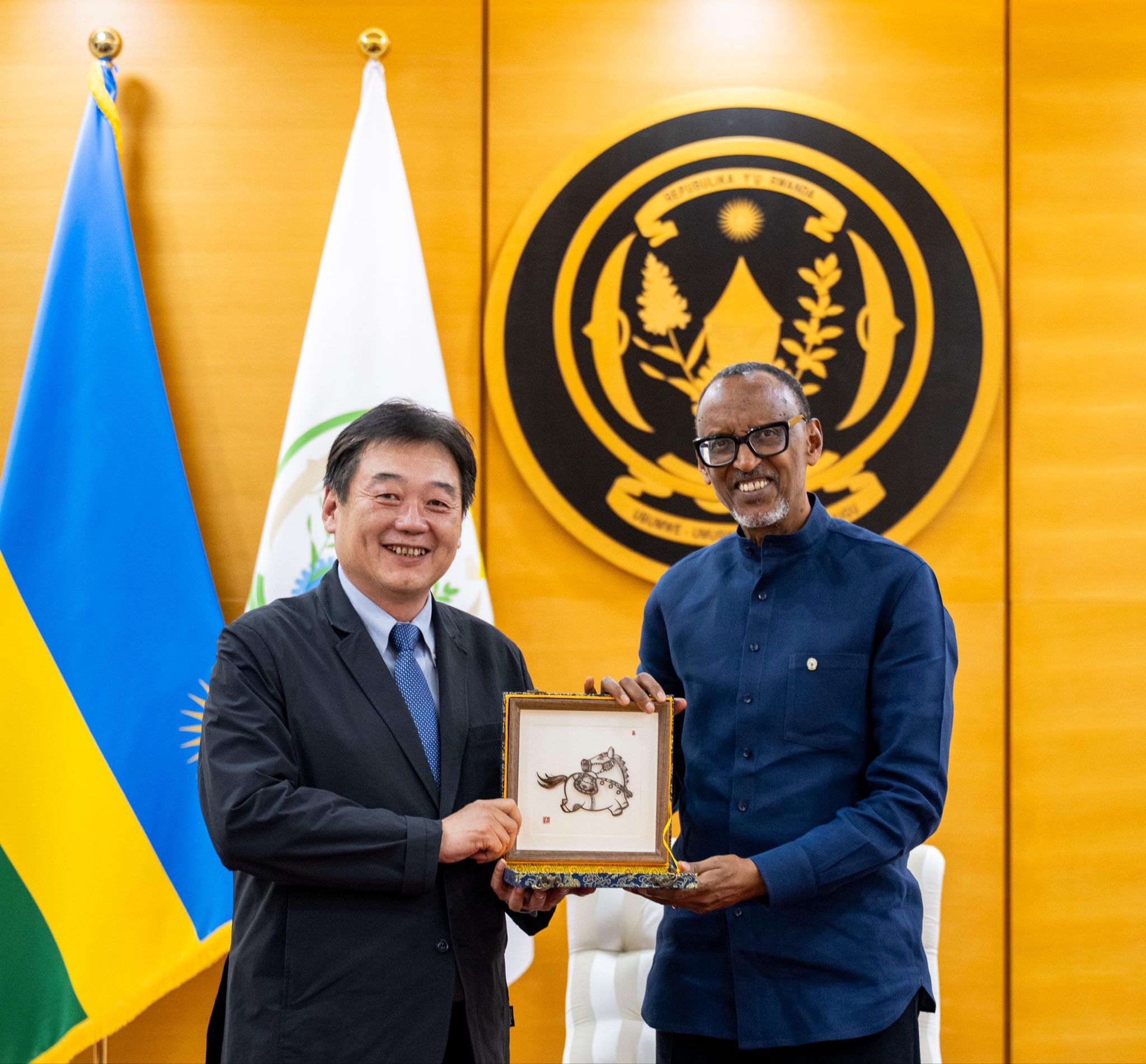
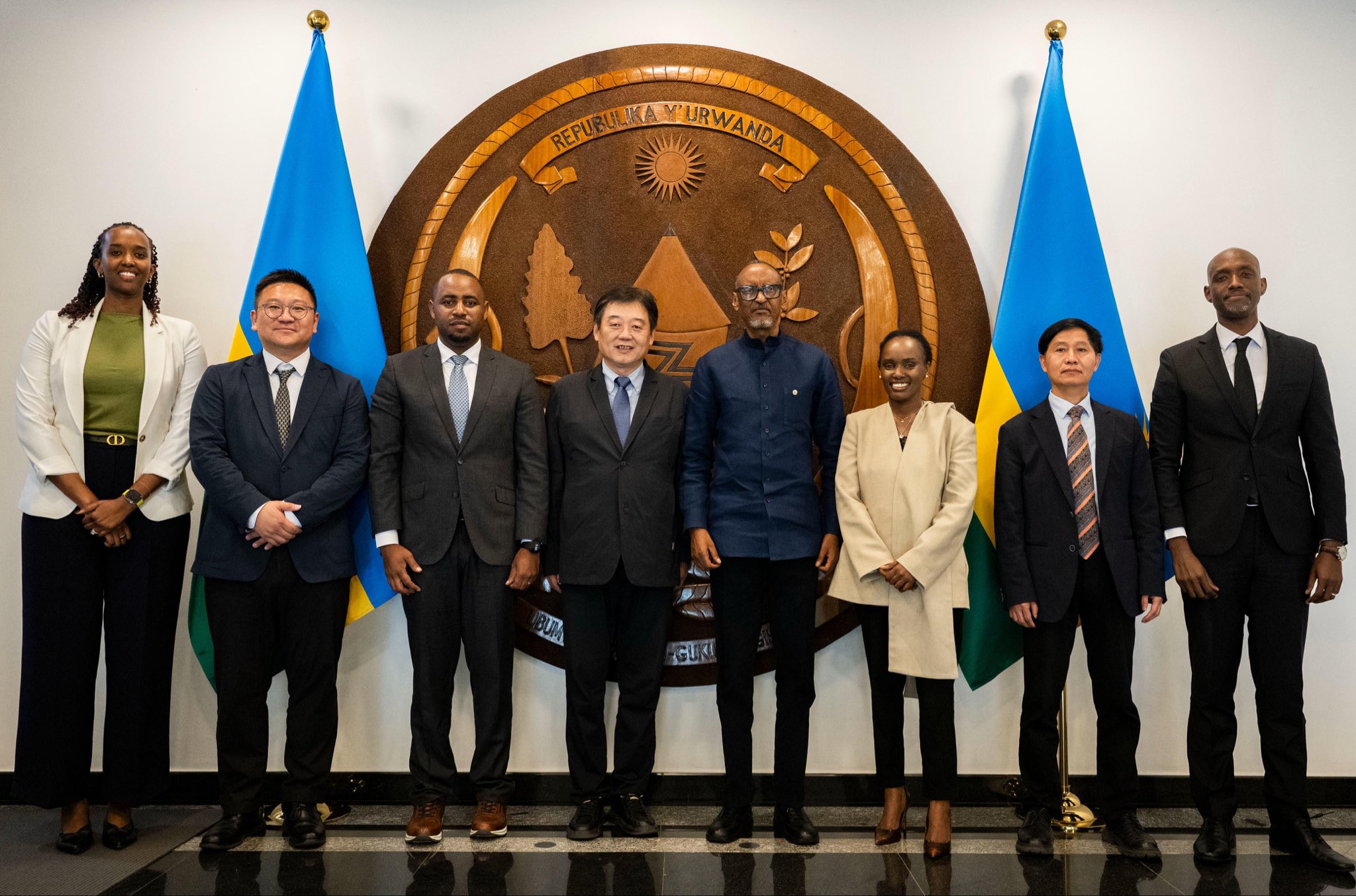
President Kagame received Xu Hui, Chairman of Rich Resource International Investments (RRII), Vice President and Board Secretary of Chery Holding, and his delegation for discussions on potential investment opportunities, including the possible establishment of a local electric vehicle assembly plant in Rwanda, in line with the country’s industrialization and e-mobility priorities.
JPC Outcomes Begin Transition from Agreements to Implementation
Following the closure of the Uganda-Rwanda Joint Permanent Commission on April 22, attention shifted toward implementation. The newly introduced “scorecard” mechanism—designed to track delivery of commitments—remains central, alongside the four signed agreements in health, agriculture, education, and local governance.
The emphasis now is on measurable outcomes, particularly in trade facilitation, cross-border coordination, and infrastructure linkages. Officials signaled that future reviews will prioritize completed deliverables rather than unresolved commitments.
Electric Mobility and Urban Systems Gain Momentum
Rwanda’s push toward sustainable transport and urban efficiency continued to gather pace. Plans for approximately 50 additional electric buses in Kigali by May were highlighted, alongside expansion of dedicated bus lanes and park-and-ride systems aimed at reducing congestion.
These efforts align with the recently announced requirement that at least 30% of public sector vehicle procurement be electric, reinforcing a broader shift away from fossil fuel dependency. The engagement with Chery ties directly into this strategy, linking policy direction with potential manufacturing investment.
In parallel, digital reforms such as the Kubaka online building permit platform continued to be promoted as part of urban governance modernization.
AI and Digital Governance Enter Policy Mainstream
Kigali hosted an AI, data, and cybersecurity roadshow at Four Points by Sheraton Kigali, bringing together stakeholders to explore practical applications of artificial intelligence across sectors including health, agriculture, and education.
The discussions focused on data governance, cybersecurity resilience, and how Rwanda can position itself as a regional leader in digital transformation—an area increasingly tied to both economic competitiveness and national security.
A Day of Continuity Rather Than Disruption
April 23 unfolded without major shocks, but with steady movement across key national priorities. Rwanda balanced remembrance, diplomacy, and forward-looking policy—advancing investment discussions, reinforcing health partnerships, and accelerating its transition toward sustainable mobility and digital systems.
The overall picture is one of controlled momentum: a country maintaining internal focus and development pace while operating within a region that remains complex, tense, and unresolved.
